Which Knife Set Offers the Best Value for Home Cooks?

Which Knife Set Offers the Best Value for Home Cooks?

The Gift That Keeps on Cutting

You open the box and there they are—a dozen gleaming knives nestled in a wooden block. It’s a thoughtful gift from a loved one, and you feel a surge of excitement. But six years later, you’re still using that same set, and your favorite chef’s knife is looking a little sad. Or maybe you’re that home cook who received a block set and realized you need a #2 knife (a second workhorse) that doesn’t cost more than your first car. (I’ve been there, too.) The struggle is real: finding a knife that balances sharpness, durability, and price without getting lost in a sea of stainless steel and marketing hype.

What Dish Depth Makes the Best Tiramisu Layers?

Why Your Tiramisu Dish Depth Matters

Picture this: You’ve carefully made the mascarpone cream, brewed strong espresso, and dipped each ladyfinger for just the right amount of time. You layer everything in what you think is a perfectly good baking dish, pop it in the fridge, and wait. Hours later, you pull out a tiramisu that looks… flat. The layers are barely visible, the cream-to-cookie ratio is off, and the whole thing feels more like a pudding than the majestic Italian dessert you dreamed of. I’ve been there, and so have countless others on the r/Baking subreddit. The culprit is almost always the dish depth.

What Baking Sheet Makes the Best Cookies?

What Baking Sheet Makes the Best Cookies?

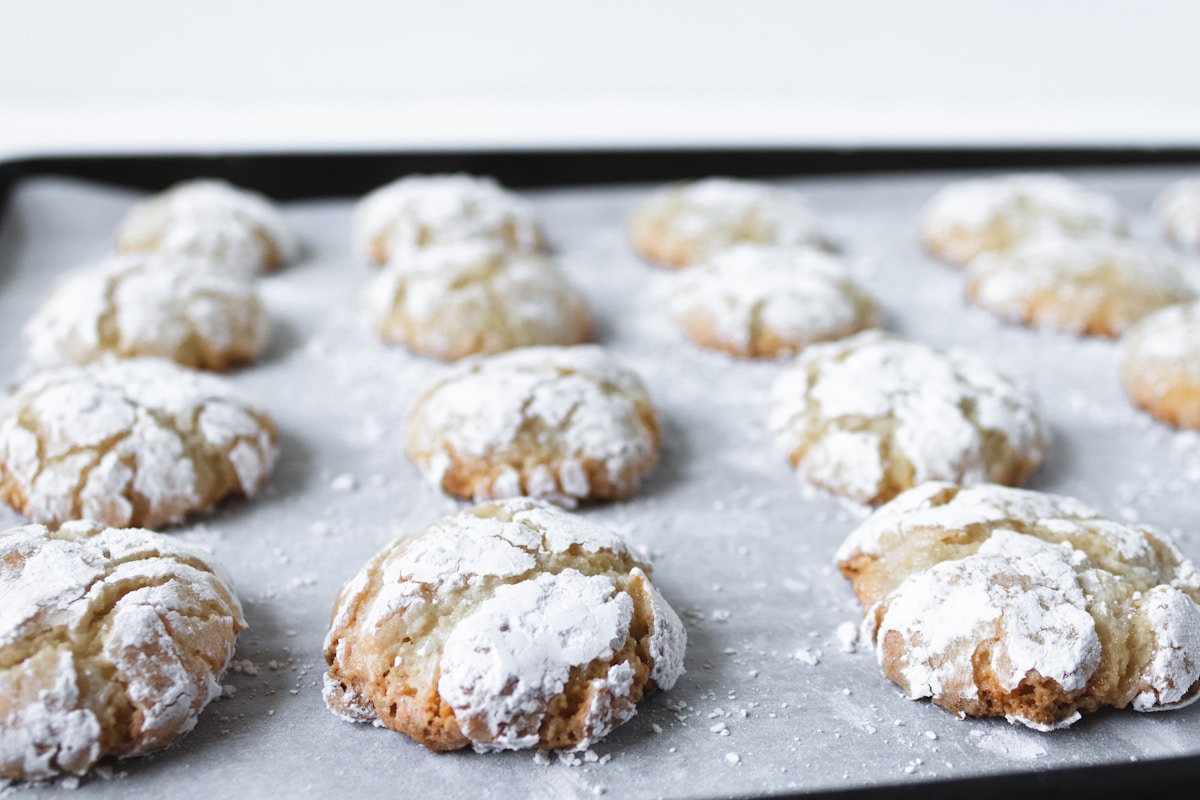
You pull a tray of cookies from the oven, excited for that perfect golden edge and chewy center. Instead, you find burnt bottoms, uneven browning, and a kitchen full of disappointment. Sound familiar? That Reddit user who shared their second cookie attempt knows the feeling. After their first batch overbaked, they switched from a thin, dark baking sheet to something better and got picture-perfect results. The difference? The sheet itself. Over the past several weeks, I tested a dozen different pans to answer the question: what makes a baking sheet truly great for cookies?

Can My Ruined Cast Iron Pan Actually Be Fixed?

Can My Ruined Cast Iron Pan Actually Be Fixed?

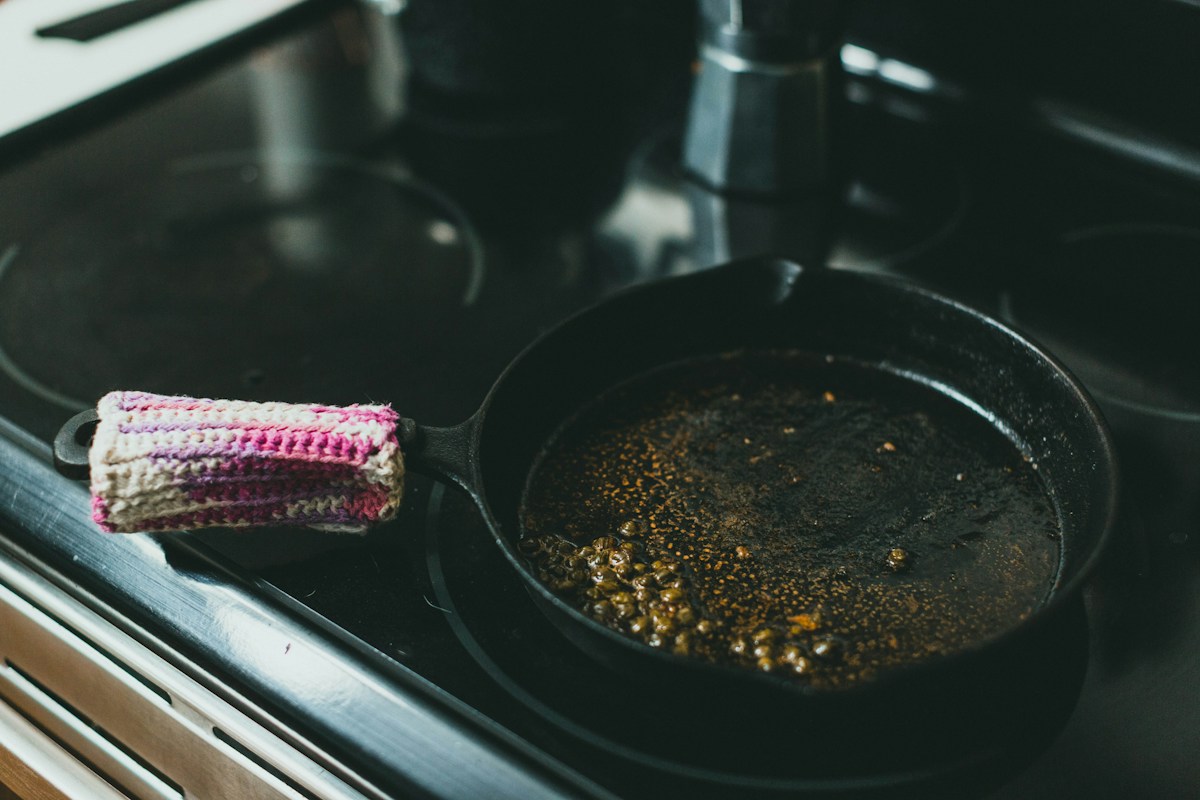
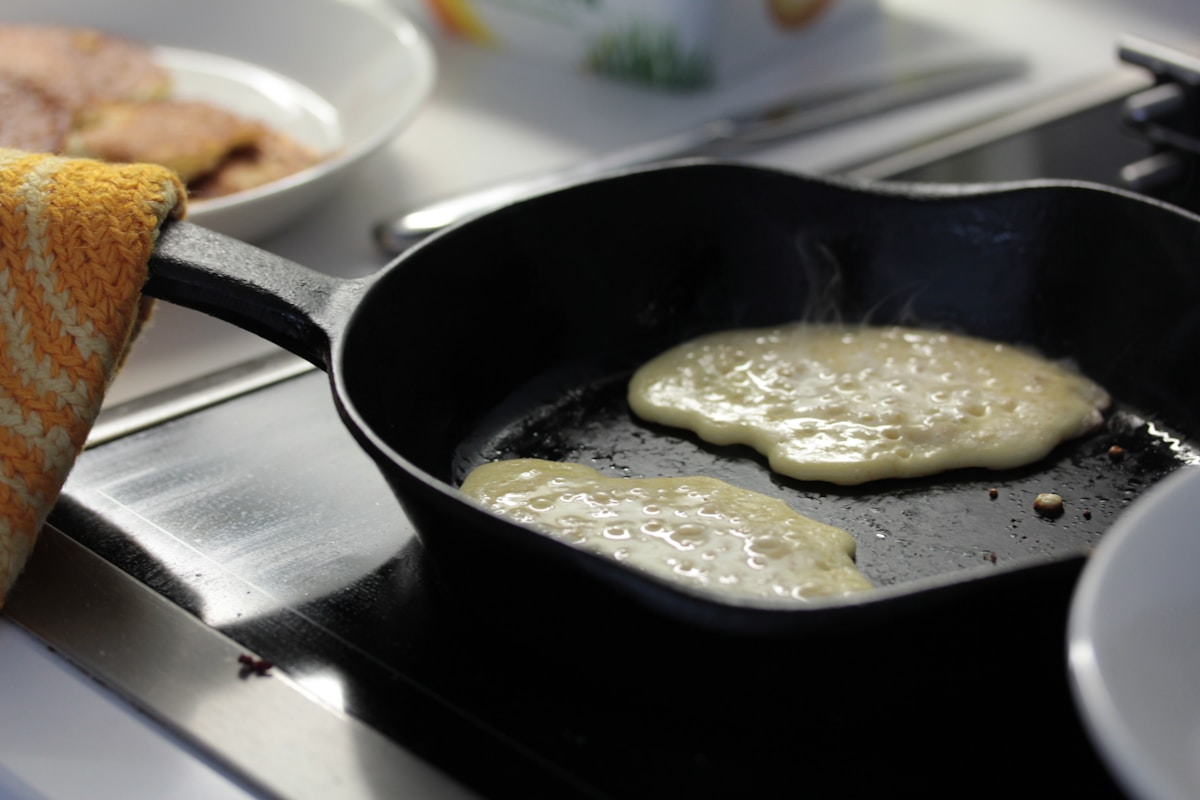
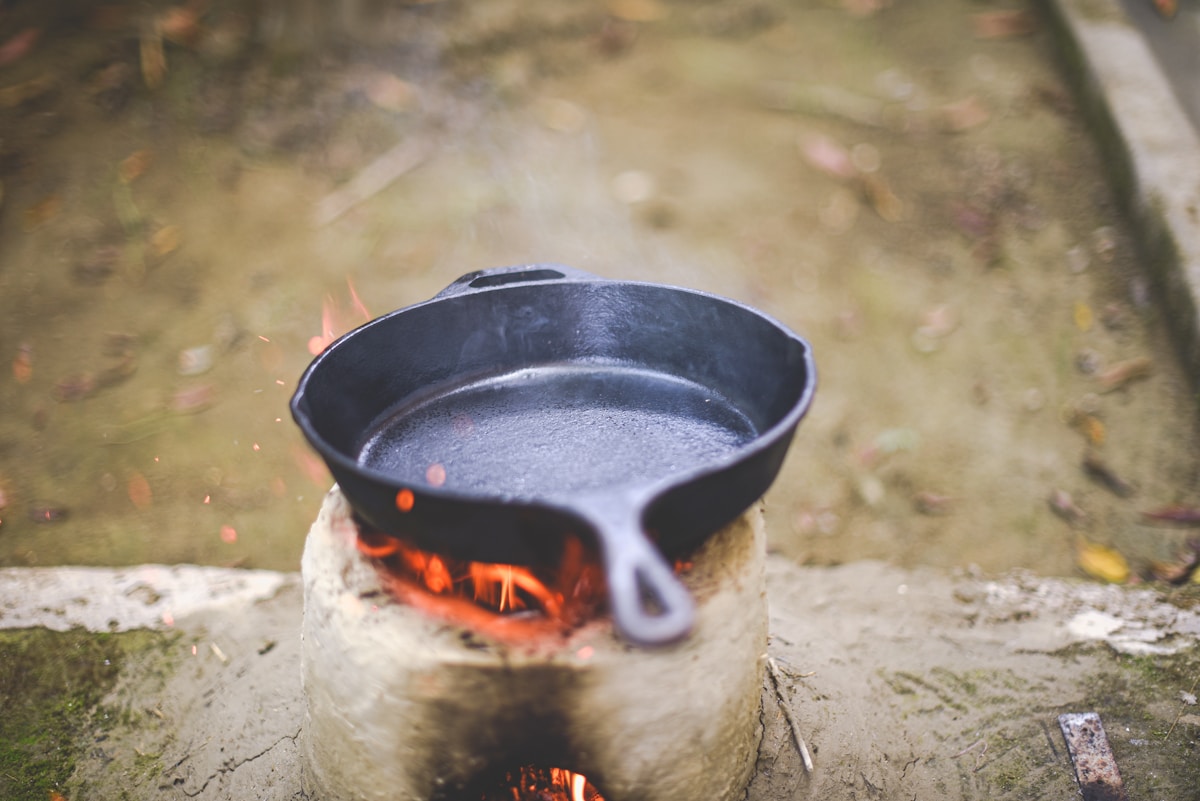
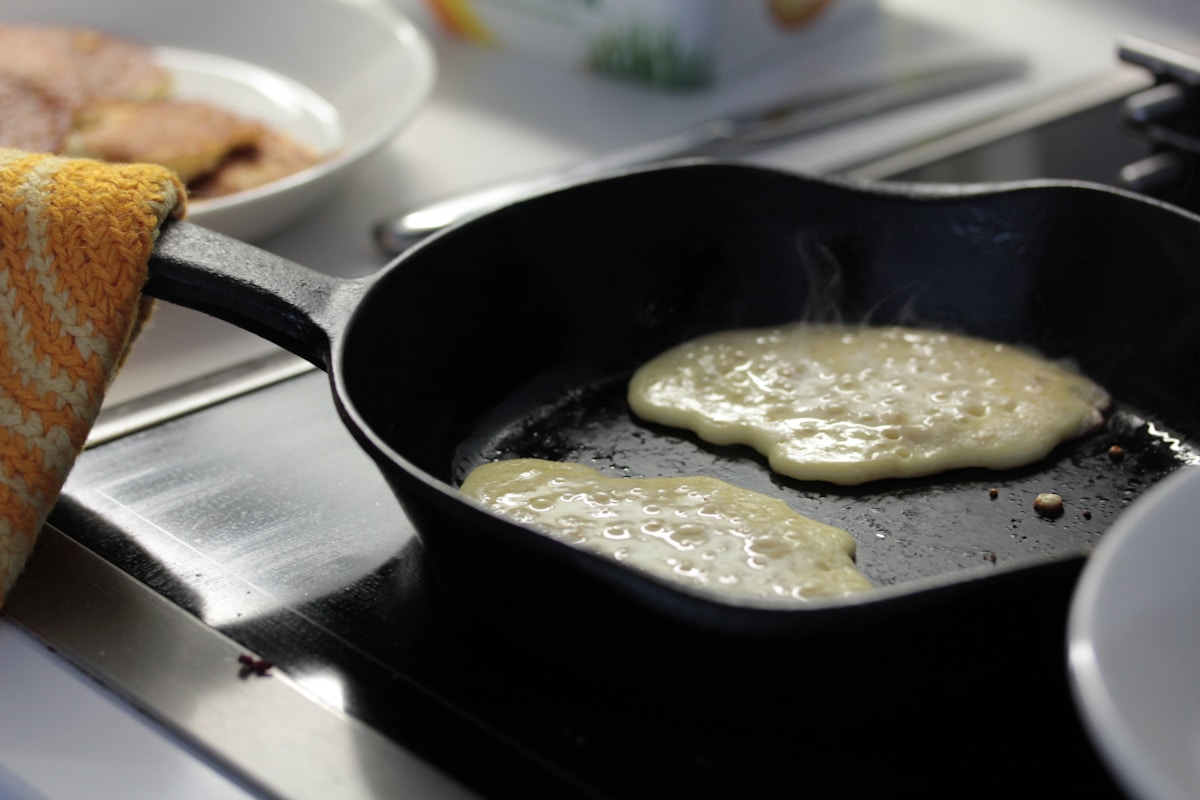
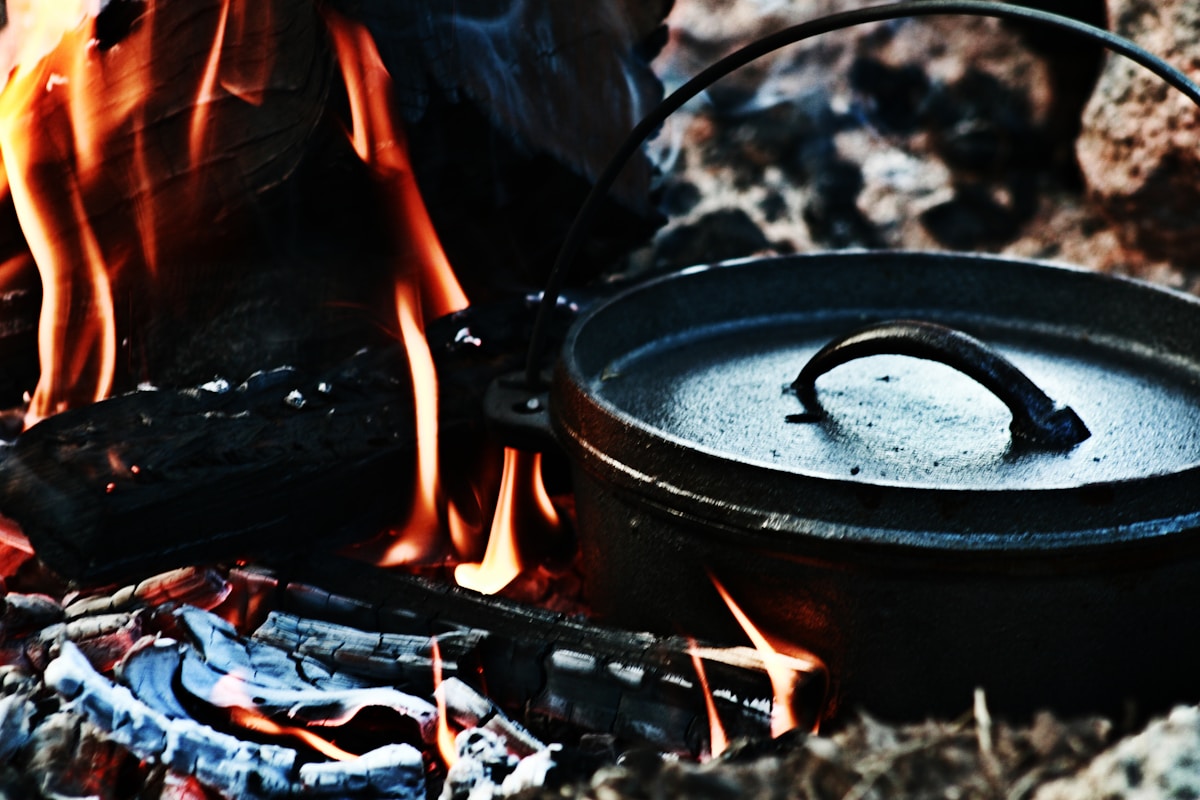
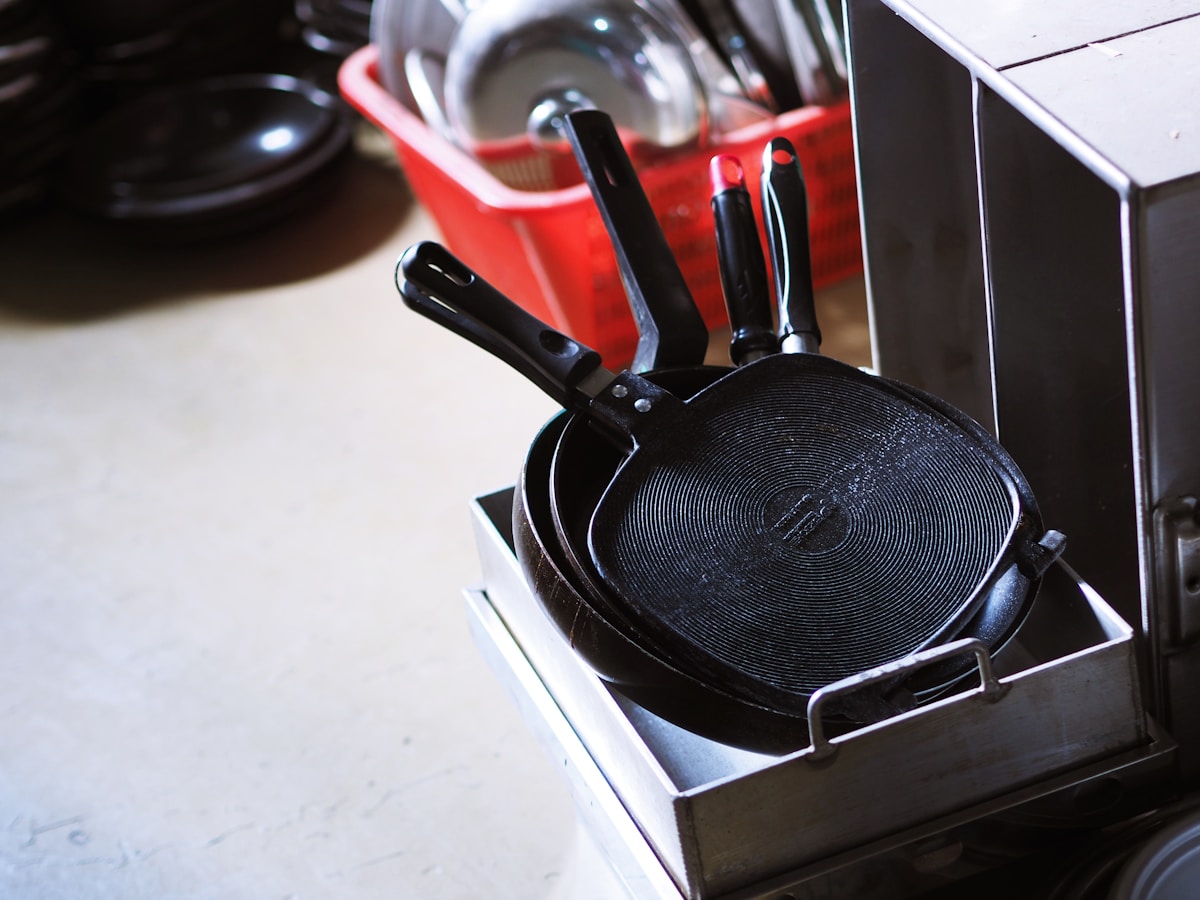
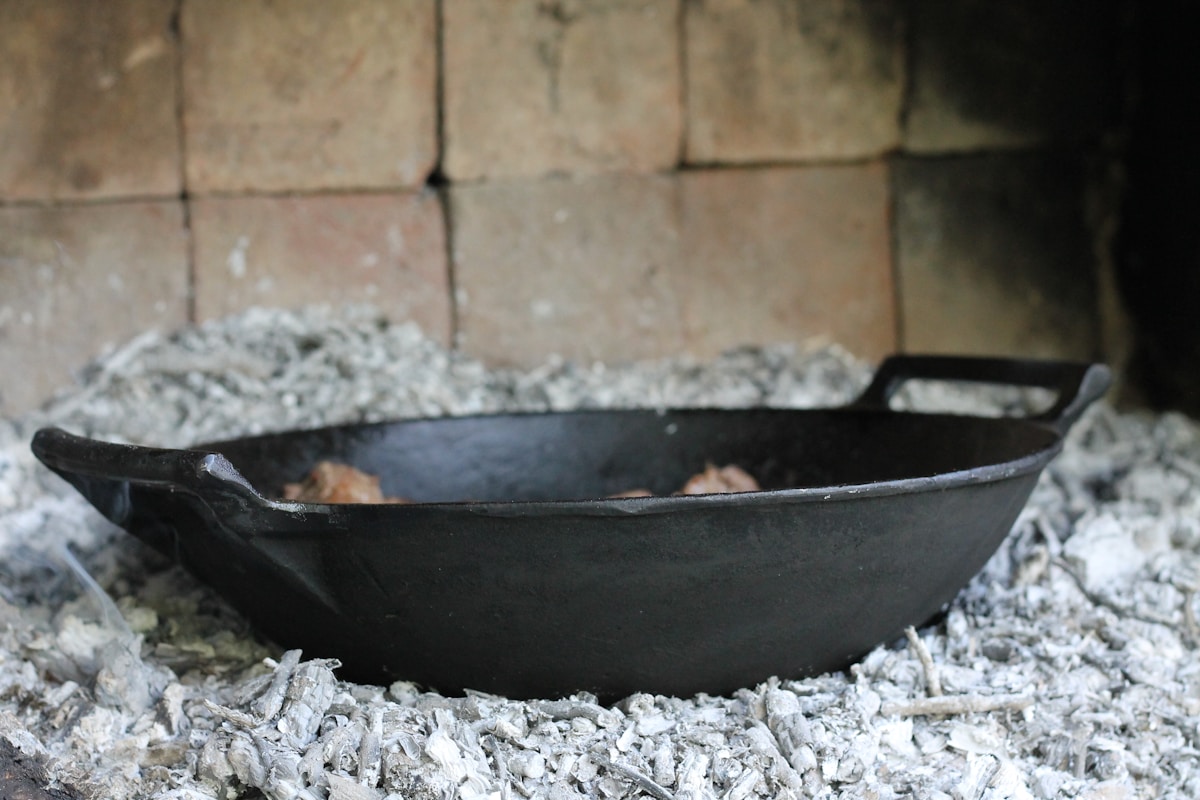
It’s a moment every cast iron owner dreads. You reach into the cabinet for that trusty skillet, the one that’s seared a hundred steaks and crisped a thousand potatoes, and you find… something wrong. Maybe it’s an unsettling orange bloom of rust after a guest tried to be “helpful” and let it soak. Maybe it wobbles on your cooktop when it used to sit flat and solid. Or maybe, in the worst-case scenario, you spot a tiny, dark line that wasn’t there before.

Why Does My Cake Burn on the Edges and Stay Raw Inside?

Why Does My Cake Burn on the Edges and Stay Raw Inside?

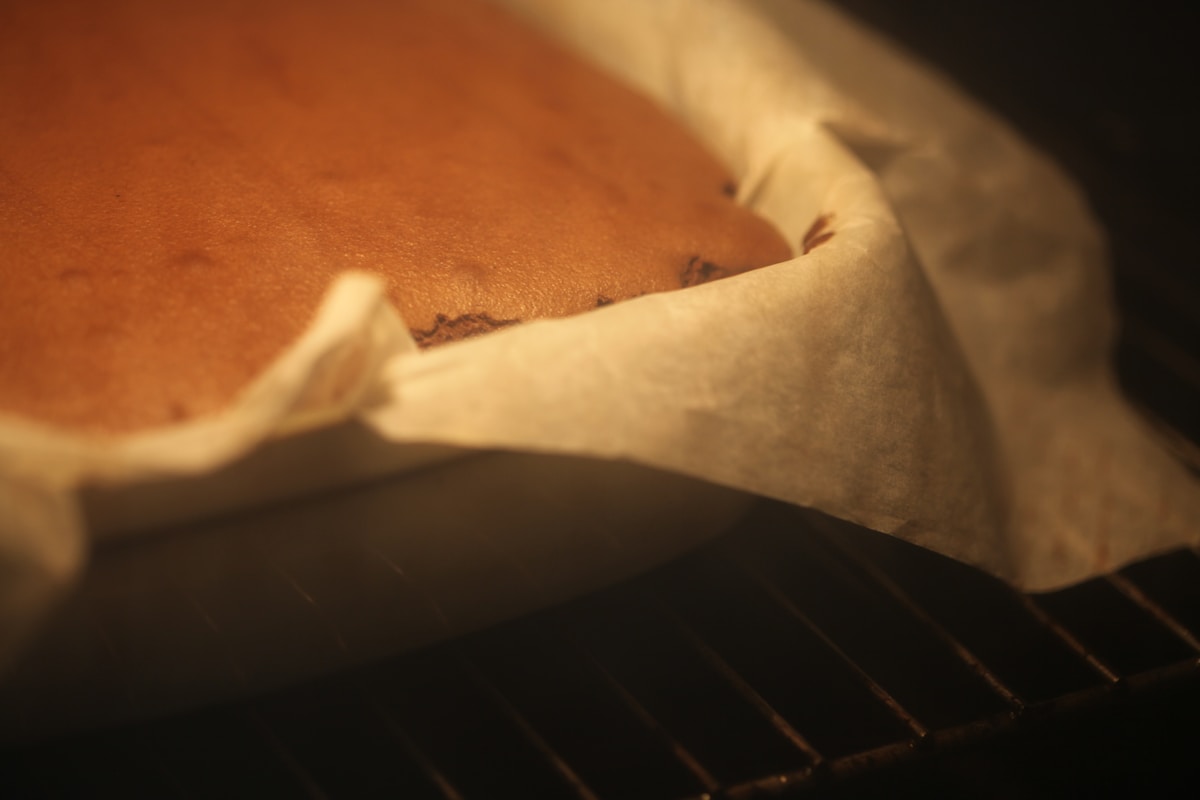
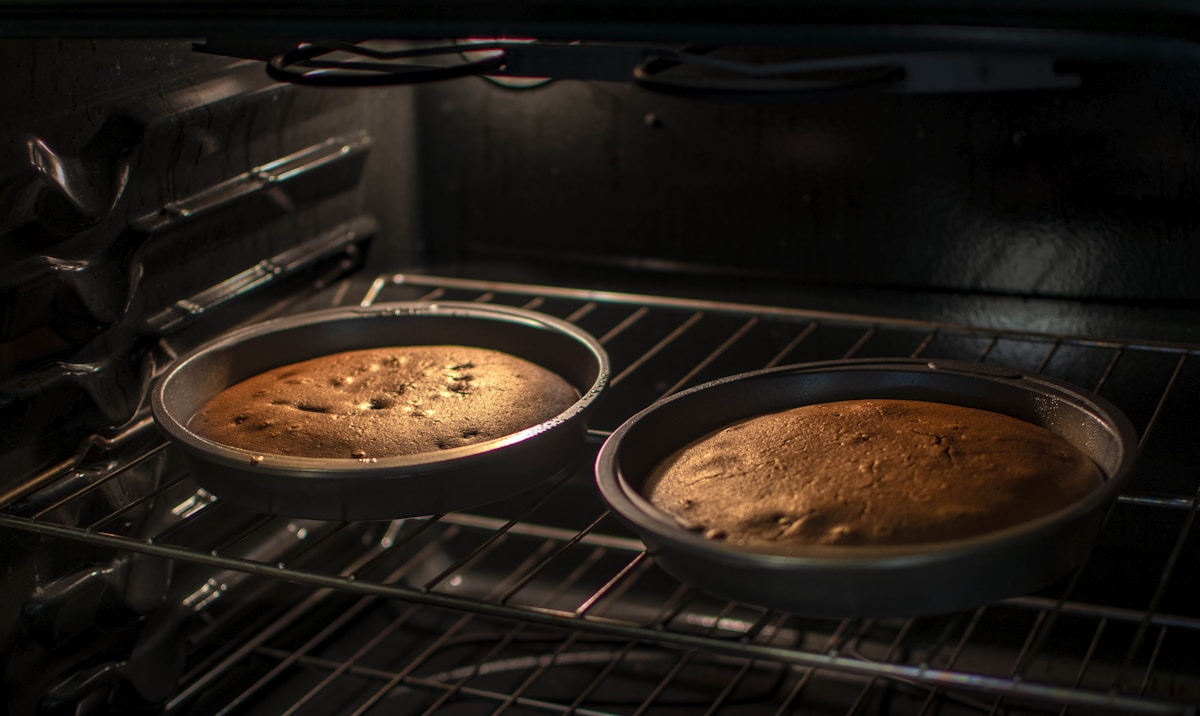
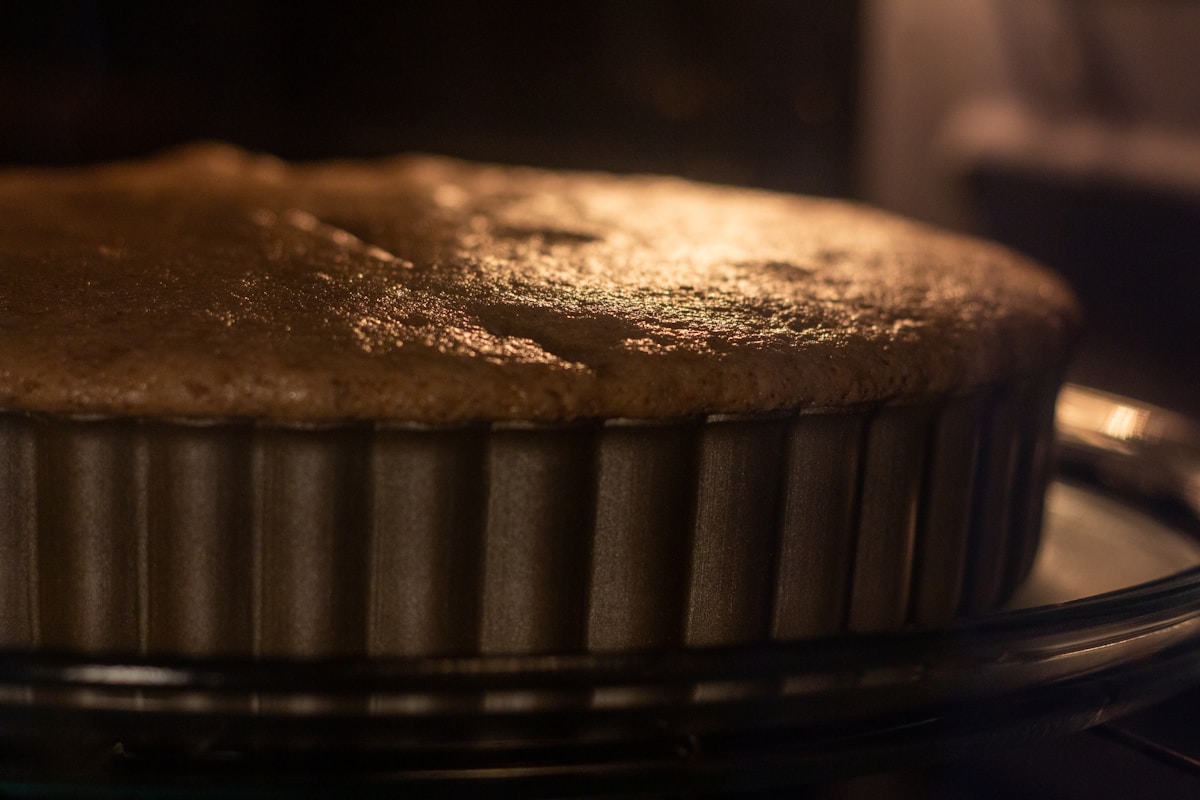
You’ve done everything right. You followed the recipe to the letter, measured your flour perfectly, and even let your eggs come to room temperature. You preheat the oven, set the timer, and slide your beautiful cake batter in, full of hope. But when the timer dings, you’re met with that all-too-common tragedy: dark, over-baked edges that threaten to turn into crust, and a gooey, under-baked center that sinks sadly as it cools.

Does Your Cake Pan Material Really Change How It Bakes?

Does Your Cake Pan Material Really Change How It Bakes?

Hey there, Lucas here from kitchen-fun.com. Let’s talk about a moment of pure baking frustration. You’ve followed a recipe to the letter. You measured your flour perfectly, brought your eggs to room temperature, and creamed your butter and sugar into a fluffy cloud. You divide the batter evenly between two cake pans, pop them into a preheated oven, and set the timer.

Can You Cook a Great Steak Without a Cast Iron Pan?

Can You Cook a Great Steak Without a Cast Iron Pan?

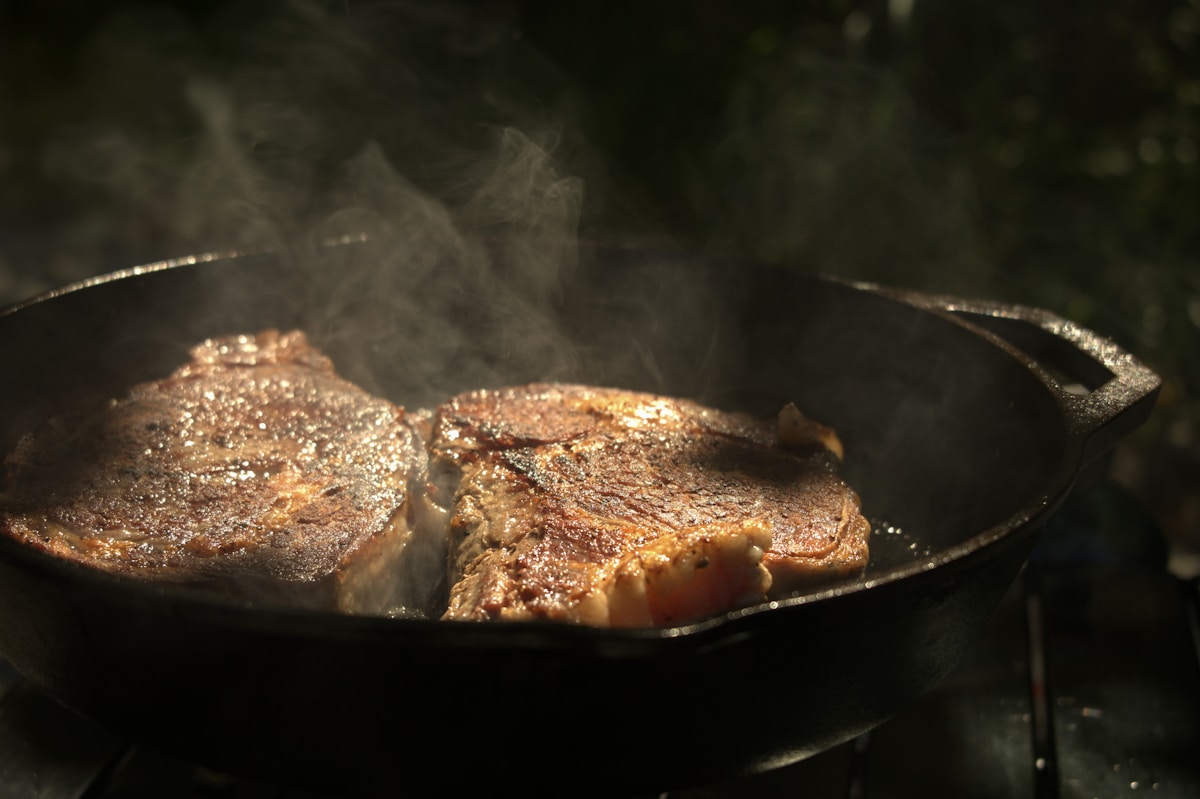
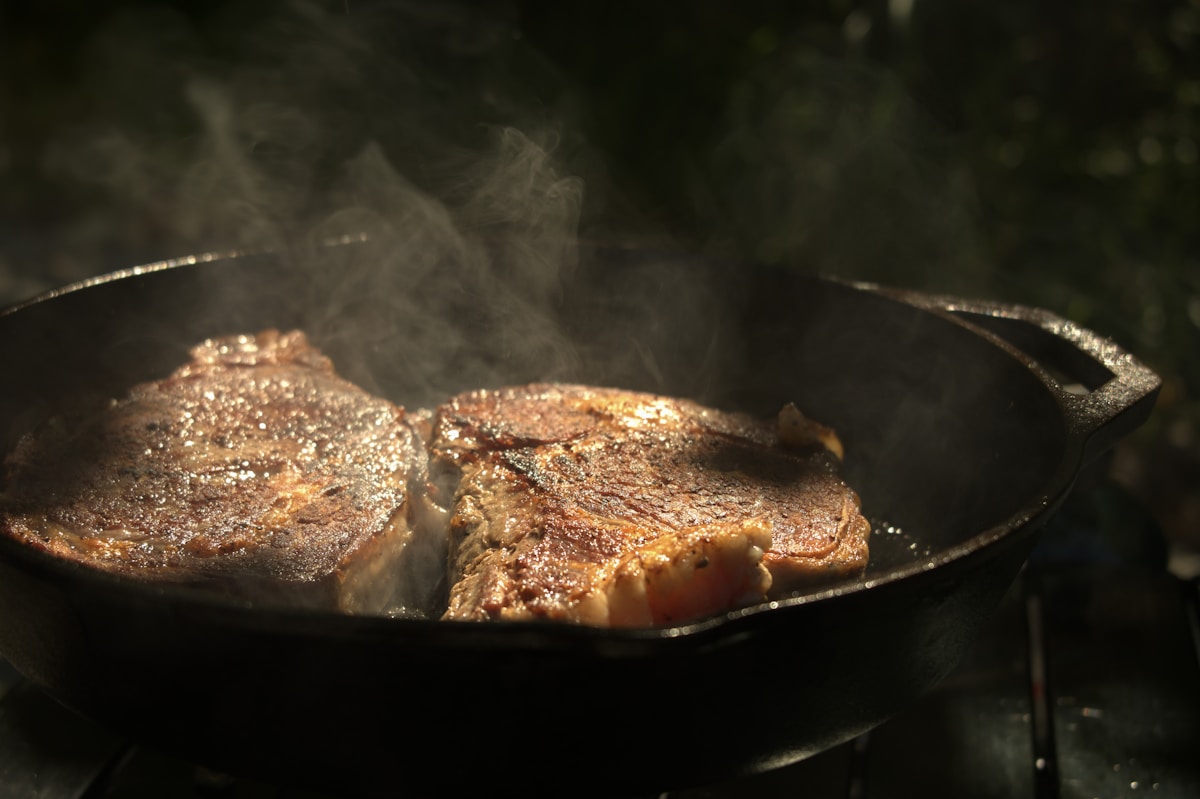
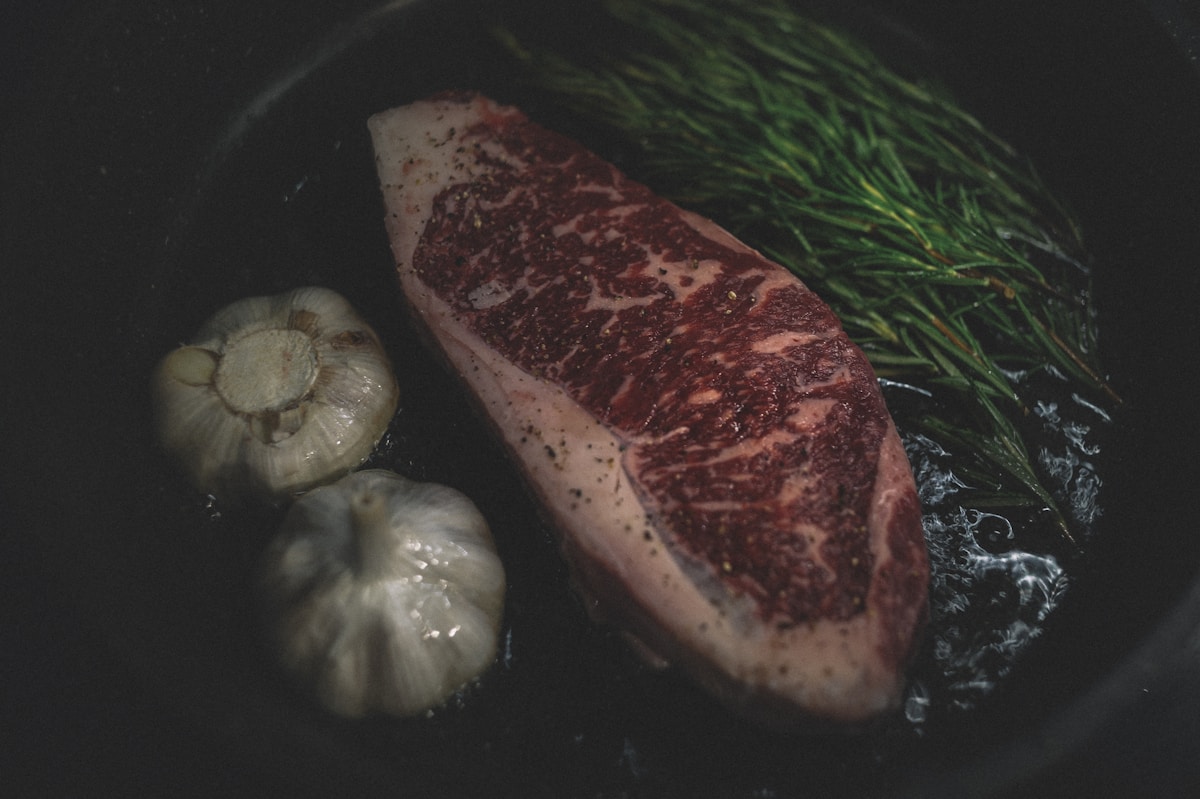
You’ve got the perfect steak for a special occasion—a thick-cut ribeye or a beautiful New York strip. You’ve seen all the videos, read all the articles, and they all say the same thing: get your cast iron skillet ripping hot. But you look in your cabinet and there’s no heavy, black, seasoned-to-perfection cast iron pan in sight. There’s just your trusty stainless steel skillet that you use for everything else.

Are Silicone Pans Ruining Your Perfect Cakes

Are Silicone Pans Ruining Your Perfect Cakes

You’ve done everything right. You followed the recipe to the letter, creamed the butter and sugar until it was light and fluffy, and folded in the flour with the lightest touch. The batter was perfect. You slide the pan into your preheated oven, filled with anticipation. The timer goes off, a skewer comes out clean, and you pull out… a pale, slightly sweaty-looking cake. The edges are soft, not crisp, and the color is more anemic than golden brown.

Is a Cast Iron Skillet the Secret to Perfect Homemade Pizza?

Is a Cast Iron Skillet the Secret to Perfect Homemade Pizza?

We’ve all been there. You spend an afternoon making dough from scratch, you carefully select your toppings, and you slide your creation into the oven dreaming of a pizzeria-style crust. What comes out twenty minutes later? A pizza that’s… fine. The cheese is melted, but the crust is pale, a little soft, and disappointingly floppy. It’s the kind of pizza that makes you think, “Maybe I should have just ordered delivery.”

Should I Repair Or Replace My Beloved Stand Mixer

Should I Repair Or Replace My Beloved Stand Mixer

The sound is unmistakable. The rhythmic whir of your stand mixer turning butter and sugar into fluffy potential suddenly becomes a gruesome GRIND, a high-pitched whine, or worse—silence. Your heart sinks. It’s not just an appliance; it’s your partner in pastry, your confidant in cookies, a gift from your wedding, the tool that launched your home bakery.

Why Are My Cakes Pale and Dense in a Silicone Pan?

You did everything right. You measured your flour perfectly, brought your eggs to room temperature, and creamed the butter and sugar until it was light and fluffy. You slid the pan into your preheated oven with high hopes, only to pull out… a disappointment. The cake is pale, the edges are soft instead of crisp, and the texture is dense and a little gummy. Sound familiar?

What Is A Mini Cast Iron Skillet Actually Good For?

What Is A Mini Cast Iron Skillet Actually Good For?

You’ve seen them. Sitting on the store shelf next to their hefty 10- and 12-inch siblings, those tiny 3.5- to 6-inch cast iron skillets look almost like toys. Your first thought is probably, “Cute, but what would I possibly do with that besides melt a tablespoon of butter?” It’s a fair question, one I see pop up all the time, even from seasoned cooks.

Can You Really Save a Rusted Cast Iron Pan?

Can You Really Save a Rusted Cast Iron Pan?

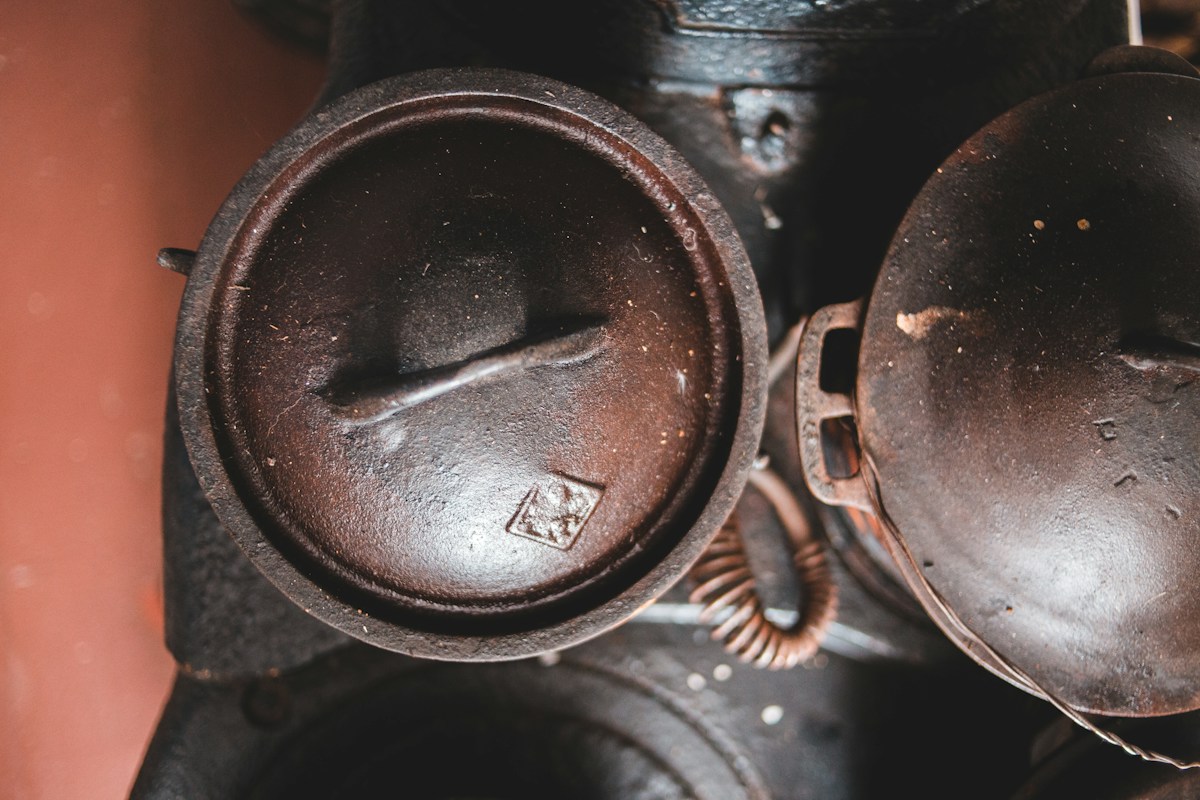
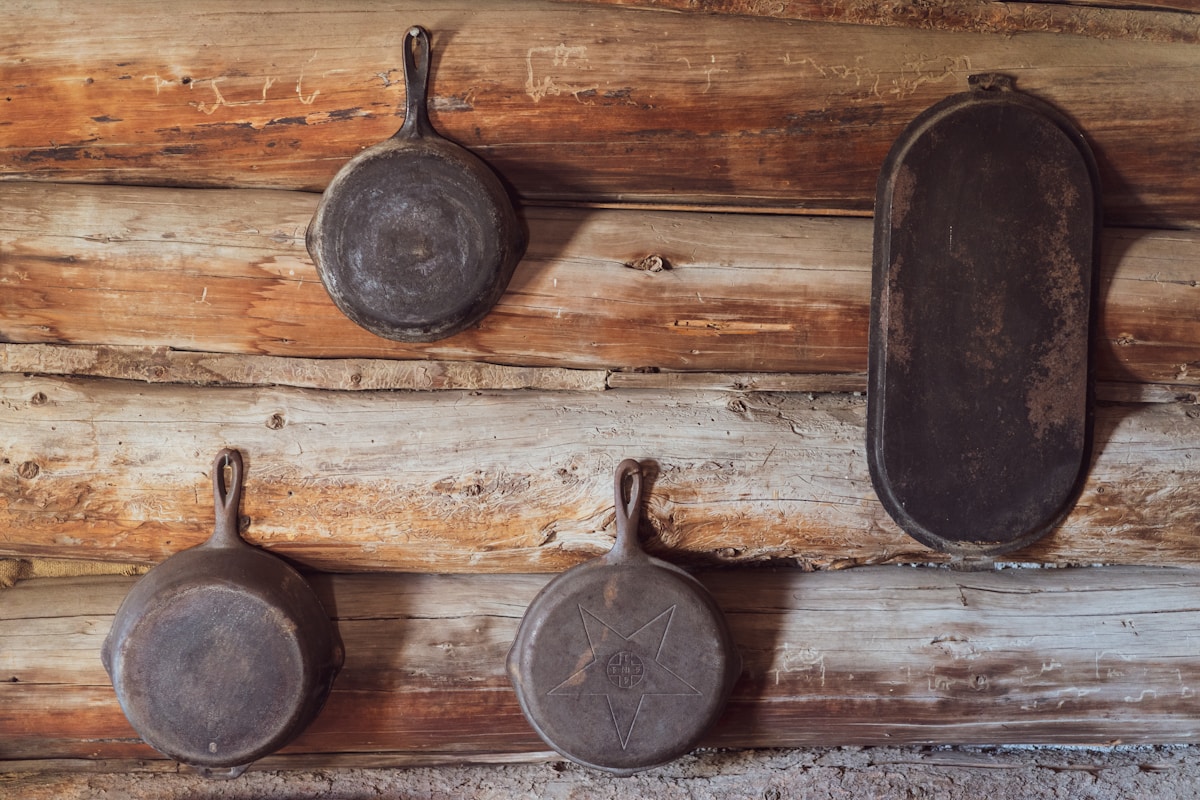
It’s a familiar scene for any bargain hunter. You spot it at the back of a shelf at a garage sale, or maybe tucked away in your grandmother’s basement—a heavy, sad-looking skillet covered in a crust of orange-brown rust. Your first thought might be, “Well, that’s junk.” But I’m here to tell you that what you’re looking at isn’t trash; it’s a treasure waiting to be uncovered.

What is the Best Material for a Large Grazing Board?

What is the Best Material for a Large Grazing Board?

You’ve done it. You’ve planned the perfect party. The guest list is set, the drinks are chilling, and you’ve spent a small fortune on a glorious spread of artisan cheeses, cured meats, glistening olives, and jewel-toned jams. You’re ready to build that show-stopping, Instagram-worthy grazing table… and then you look at your kitchen counter. Your trusty 12-inch cutting board isn’t going to cut it. Not even close.

Is a 10 Inch or 12 Inch Cast Iron Skillet Better for Beginners

Is a 10 Inch or 12 Inch Cast Iron Skillet Better for Beginners

You’ve heard the stories. You’ve seen the gorgeous food photos online—the perfect steak sear, the crispy-edged cornbread, the deep-dish skillet cookie. You’ve decided it’s time to join the cast iron club. So you head to the store, or more likely, open a new browser tab, and you’re immediately stopped by the first, most fundamental question: 10-inch or 12-inch?

Should I Spend More Money on a Japanese Chef Knife

We’ve all been there. You’re standing in front of a beautiful, ripe tomato, ready to make a fresh salsa or a perfect caprese salad. You grab your trusty chef’s knife, the one you’ve had for years, and you start to slice. But instead of a clean, effortless cut, you get a squish. The knife’s dull edge crushes the delicate fruit, leaving you with a pulpy mess and a feeling of pure frustration.

Why Is My Silicone Bakeware Making My Cakes Pale and Dense?

Why Is My Silicone Bakeware Making My Cakes Pale and Dense?

You followed the recipe to the letter. You measured your King Arthur flour with a scale, brought your eggs to room temperature, and even splurged on that fancy vanilla extract. The batter was perfect. You poured it into your brightly colored, flexible silicone cake pan, popped it in the oven, and set the timer with high hopes.

Should You Buy Your Cast Iron Pan at a Restaurant Supply Store?

Should You Buy Your Cast Iron Pan at a Restaurant Supply Store?

Walk into a restaurant supply store and it feels like you’ve found a secret club for chefs. Giant whisks, stacks of sheet pans, and no-frills equipment that looks like it means business. Tucked away on a steel shelf, you’ll find them: cast iron skillets. They look a little rough, they feel heavy, and they’re shockingly cheap.

What is the best tripod for overhead food photos

What is the best tripod for overhead food photos

You’ve done it. After hours of patient work, you’ve pulled a masterpiece from the oven. The sourdough has the perfect ear, the cake has a flawless crumb, the roast chicken skin is shatteringly crisp. You grab your phone to capture the moment for posterity (and social media), position yourself directly over it for that classic top-down shot, and… there they are. Your feet. Or the clunky legs of your tripod, ruining an otherwise perfect frame.

Should You Buy a Cast Iron Pan from a Restaurant Supply Store

Should You Buy a Cast Iron Pan from a Restaurant Supply Store

Have you ever walked into one of those giant, warehouse-style restaurant supply stores? The ones with shelves stacked to the ceiling with industrial-sized everything, from 50-pound bags of flour to spatulas the size of canoe paddles. It’s a magical, slightly intimidating place. And somewhere, usually tucked away on a bottom shelf, you’ll find them: a stack of plain, heavy, almost brutally simple cast iron pans for a price that seems too good to be true.

Is a Brownie Divider Pan a Genius Gadget or a Kitchen Gimmick?

Is a Brownie Divider Pan a Genius Gadget or a Kitchen Gimmick?

I saw a post the other day from a baker making a single pan of brownies with four different toppings for a teacher’s gift. One quadrant had walnuts, another had caramel swirls, a third had sprinkles, and the last was pure, unadulterated chocolate. It was brilliant. It also perfectly captures the dilemma many of us face: how do you please a crowd of picky eaters without spending all day baking four different trays?

Are Metal Pans Really Better Than Silicone for Baking

Are Metal Pans Really Better Than Silicone for Baking

You followed the recipe to the letter. You measured the King Arthur flour perfectly, creamed the butter and sugar until light and fluffy, and folded in the dry ingredients with a gentle hand. You poured the pristine batter into your new, brightly colored silicone cake pan—the one that promised a perfect, non-stick release every time.

Why Does My Cake Look So Pale and Spongy in Its Pan?

Why Does My Cake Look So Pale and Spongy in Its Pan?

You followed the recipe to the letter. You measured the flour perfectly, creamed the butter and sugar until it was light and fluffy, and watched the oven temperature like a hawk. An hour later, you pull out your creation, and… it’s pale. It’s cooked through, sure, but it looks sad, anemic, and lacks that gorgeous, golden-brown crust you see in cookbooks.

Why Are My Cakes So Pale and Dense in a Silicone Pan?

Why Are My Cakes So Pale and Dense in a Silicone Pan?

You did everything right. You preheated the oven to exactly 350°F (175°C), meticulously measured your King Arthur flour, and creamed the butter and sugar until it was light and fluffy. The vanilla cake batter was perfect. But when the timer went off, the cake that came out of your floppy silicone pan was… a tragedy.

Can You Really Reheat Salmon Without The Smell

Can You Really Reheat Salmon Without The Smell

We’ve all been there. It’s 12:30 PM. You proudly carried your healthy, home-cooked meal prep to the office. Today’s special: a beautiful piece of leftover salmon with roasted vegetables. You pop it in the breakroom microwave, hit the standard 2-minute button, and walk away. A minute later, the smell hits. That unmistakable, pungent aroma of overcooked fish begins to permeate the entire floor. Your coworkers shoot you glances. When the microwave dings, you retrieve a container holding what was once a flaky, delicious fillet, now reduced to a dry, rubbery puck. You eat it sadly at your desk, vowing never again.

Are Metal Pans Better Than Silicone For Baking Cakes

Are Metal Pans Better Than Silicone For Baking Cakes

You followed the recipe to the letter. You measured your flour perfectly, brought your eggs to room temperature, and creamed the butter and sugar until it was impossibly light and fluffy. You slid your beautiful batter into that colorful, flexible silicone pan, feeling modern and efficient. But when the timer went off, what came out of the oven was… disappointing.

Why Do My Cakes Bake Unevenly in Different Pans?

Why Do My Cakes Bake Unevenly in Different Pans?

It’s a moment every home baker knows. You followed the recipe perfectly. You preheated the oven, mixed the batter just right, and poured it into three identical-looking pans to make a beautiful layer cake. But when the timer goes off, you’re faced with a frustrating mystery: one cake has dark, almost-burnt edges; another is pale and sad; and the third is… well, maybe it’s just right. What gives? How can the same oven and same batter produce such wildly different results?

What Are The Best Meal Prep Containers For Keeping Food Separate

What Are The Best Meal Prep Containers For Keeping Food Separate

Let’s be honest. You’ve spent Sunday afternoon carefully crafting a week’s worth of beautiful, healthy lunches. You’ve got perfectly seared salmon, fluffy quinoa, and a vibrant arugula salad with a lemon vinaigrette. You pack it up, proud of your diligence. Then comes Tuesday. You open your container at your desk, and you’re greeted with a culinary tragedy. The heat from the salmon has wilted the salad, the vinaigrette has turned the quinoa into a soggy mess, and everything tastes vaguely of… everything. It’s the meal prepper’s nightmare.

Why Is My Cake Not Browning In a Silicone Pan

You’ve done everything right. You measured your flour perfectly, creamed the butter and sugar until it was light and fluffy, and folded in the dry ingredients with a gentle hand. You slide the cake pan into a perfectly preheated oven. The timer goes off, the kitchen smells heavenly, and a toothpick comes out clean. But when you pull out the pan, your heart sinks a little. The cake is… pale. Anemic, even. It’s cooked through, but it’s missing that gorgeous, golden-brown crust that screams “I’m delicious.”

What Are The Best Containers For Storing Bulk Pantry Staples?

You know the feeling. You’re pushing that flatbed cart out of Costco, victorious. In it, a 25-pound bag of King Arthur flour, a sack of rice that could feed a small army, and a bag of sugar so big it has its own zip code. You saved a fortune! The kitchen is a magic place, and now you have the magical ingredients to prove it.

Should Your First Cast Iron Skillet Be a 10-Inch Pan

Should Your First Cast Iron Skillet Be a 10-Inch Pan

I still remember the sound. A sad tink-tink-tink as the warped bottom of my ‘premium’ non-stick skillet wobbled on the electric stovetop. It was less than a year old, already scratched, and couldn’t hold a steady heat to save its life. If you’ve ever felt that frustration, you’ve probably stood at the cast iron crossroads: intimidated, a little confused, and wondering if it’s worth the fuss.

Are Japanese Steel Knives a Smart Upgrade for Your Kitchen?

Are Japanese Steel Knives a Smart Upgrade for Your Kitchen?

You know the moment. You grab a beautiful, ripe tomato, place it on your cutting board, and bring your trusty chef’s knife down for a slice. But instead of a clean cut, you get a squished, mangled mess. The skin resists, the seeds spill out, and you’re left with a culinary crime scene. That, right there, is the moment most people start wondering: “Should I get a better knife?”

Should You Buy Cookware From a Restaurant Supply Store

Should You Buy Cookware From a Restaurant Supply Store

I’ll never forget the first time I walked into a real restaurant supply store. There were no bright, friendly displays. No curated sets of pastel-colored Dutch ovens. It was just aisle after aisle of stark, industrial shelving holding stacks of plain aluminum pans, sheet trays by the dozen, and whisks the size of my forearm. It felt less like a store and more like a warehouse for serious work.

Do Neck Fans Really Work in a Hot Professional Kitchen?

Do Neck Fans Really Work in a Hot Professional Kitchen?

The rush hits. Six-burner range blasting, salamander glowing red, and the convection oven is roaring at a steady 450°F (232°C). Sweat is dripping down your back, your chef’s coat is soaked, and the damp towel you draped around your neck turned lukewarm ten minutes ago. We’ve all been there. It’s that moment in the middle of service where the wall of heat feels physically oppressive, slowing your movements and clouding your thoughts.

What Should I Look For When Buying A Cast Iron Skillet

What Should I Look For When Buying A Cast Iron Skillet

You’re standing in the cookware aisle, and there it is: the wall of cast iron. On one end, a trusty 12-inch skillet for less than the price of a movie ticket. On the other, a sleek, artisan-forged pan that costs more than your entire knife set. They’re both just heavy chunks of iron, right? So why the huge price difference, and which one will give you that steakhouse-level sear you’ve been dreaming of?

Should You Switch to Ceramic Cookware for Your Kitchen?

Should You Switch to Ceramic Cookware for Your Kitchen?

We’ve all been there. You’re carefully sliding a spatula under a perfectly fried egg when you feel it—that dreaded gritty scrape. You look down and see a new silver scratch glaring back at you from the dark surface of your ’non-stick’ pan. A tiny flake of the coating is now… somewhere. Probably on your egg. It’s a moment that makes you question everything you thought you knew about convenient cookware.

Which Kitchen Gadgets Are Actually Worth Your Money?

Which Kitchen Gadgets Are Actually Worth Your Money?

Go ahead, open that kitchen drawer. You know the one. It’s a graveyard of good intentions: the avocado slicer you used twice, the spiralizer from that one time you wanted to make zucchini noodles, the specialty apple corer that’s harder to clean than just using a knife. We’ve all been there. The promise of a gadget that will make one specific task easier is powerful, but the reality is often a cluttered countertop and a lighter wallet.