The Cookie Crisis
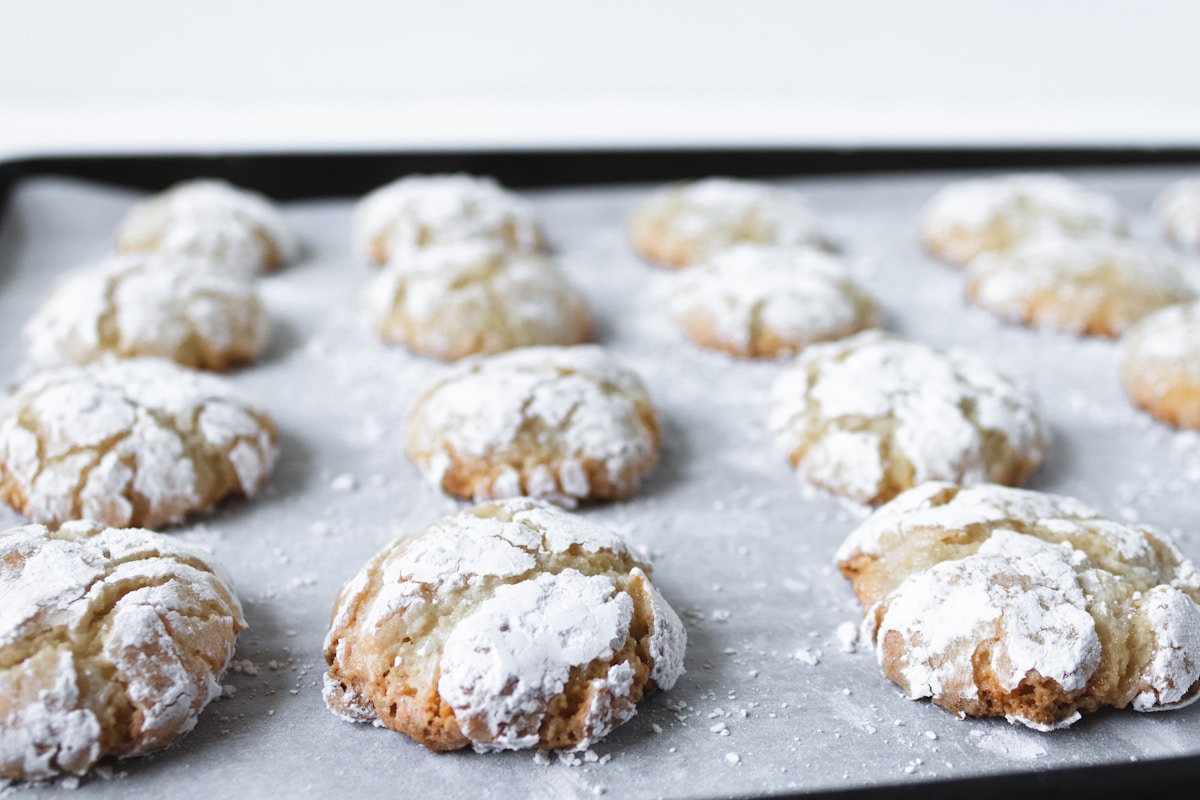
You pull a tray of cookies from the oven, excited for that perfect golden edge and chewy center. Instead, you find burnt bottoms, uneven browning, and a kitchen full of disappointment. Sound familiar? That Reddit user who shared their second cookie attempt knows the feeling. After their first batch overbaked, they switched from a thin, dark baking sheet to something better and got picture-perfect results. The difference? The sheet itself. Over the past several weeks, I tested a dozen different pans to answer the question: what makes a baking sheet truly great for cookies?
The Science of a Good Baking Sheet
Heat distribution is everything in cookie baking. Thin, dark sheets absorb heat quickly and can scorch the bottoms of cookies before they have a chance to set and spread properly. Light-colored, heavy-gauge aluminum pans reflect heat and promote even browning from edge to center. America’s Test Kitchen recommends heavy-gauge aluminum half-sheet pans, and after running my own trials, I agree completely. The ideal thickness is at least 0.8mm to 1.0mm. Thinner sheets warp at high temperatures, creating hot spots that lead to uneven baking. For standard chocolate chip cookies, you want a pan that heats evenly without sudden spikes. That means avoiding cheap, flimsy nonstick pans that come in most budget sets.
Material matters too. Aluminum is the gold standard because it conducts heat quickly and evenly. Stainless steel is less conductive, so it often has an aluminum core or cladding. Carbon steel can work but is usually thinner and prone to rust. For cookies, a bare aluminum sheet (or one with a light silicone coating) gives the best results. I baked identical batches of sugar cookies at 350°F (175°C) on a dark nonstick pan, a light aluminum pan, and an insulated air-bake sheet. The dark pan produced burnt bottoms in 9 minutes. The light aluminum gave a consistent golden brown in 11 minutes. The insulated sheet took 14 minutes and gave pale, soft bottoms. Winner: light aluminum.
Rimmed vs Rimless: The Great Debate
Rimmed sheets (like standard half-sheet pans) are versatile workhorses. They prevent cookie dough from sliding off and make it easy to slide a spatula under baked goods. But some bakers prefer rimless sheets for sliding parchment paper directly onto a cooling rack. Commercial bakers often use rimless for rapid cooling and high-volume production. For home bakers, a rimmed sheet with a low rim (1 inch or less) is the best compromise. You can still slide cookies off the edge, and you can also use the same pan for roasting vegetables or toasting nuts. The Reddit community I follow often favors Nordic Ware’s natural aluminum commercial pans, which have a rolled rim that adds strength and prevents warping. In my tests, rimmed sheets also made it easier to rotate cookies halfway through baking without fear of dough sliding off.
Top Baking Sheet Recommendations
Nordic Ware Natural Aluminum Commercial Baker’s Half Sheet is my top pick. It costs about $20 to $25, is made of heavy-gauge aluminum, and resists warping even at 450°F (232°C). The light color promotes even browning, and the rolled rim adds rigidity. I have used one for over five years, and it still bakes cookies evenly. The dimensions are 13 by 18 inches, perfect for a standard oven. Pros: even heat, durable, affordable. Cons: not nonstick, but parchment paper solves that easily.
Chicago Metallic Professional Non-Stick is a good budget-friendly option at $15 to $20. The nonstick coating works well for delicate cookies like shortbread, but the pan is slightly thinner than the Nordic Ware. It may warp over time if you frequently use high heat. Pros: easy release, inexpensive. Cons: less durable, coating can scratch.
USA Pan Bakeware Aluminized Steel Half Sheet runs $25 to $30. It is made of aluminized steel with a silicone coating that promotes even browning and easy release. The pan is extremely rigid and does not warp. The coating is PTFE-free and PFOA-free. Pros: no warping, even heat, easy cleanup. Cons: heavier, slightly pricier.
Lodge Cast Iron Baking Sheet is for those who want a rugged pan for cookies with ultra-crisp edges. It costs $35 to $40 and is heavy cast iron. You need to preheat it for at least 15 minutes, and it retains heat beautifully. Cookies baked on cast iron develop a deep golden bottom and a crunchy exterior. Pros: brick-oven results, virtually indestructible. Cons: very heavy (over 7 pounds), not suitable for delicate cookies, requires seasoning and careful drying.
For small kitchens, a quarter-sheet pan (9 by 13 inches) is a great alternative. Nordic Ware also makes a quarter-sheet size for around $15. It fits in smaller ovens and toaster ovens.
Practical Tips for Perfect Cookies Every Time
Use a light-colored, heavy-gauge aluminum sheet. Preheat your oven to 350°F (175°C) for standard chocolate chip cookies. Allow the baking sheet to cool completely between batches; a hot sheet causes dough to spread too quickly. Rotate the pan halfway through baking (after about 5 to 6 minutes) for even browning. Always use parchment paper or a silicone baking mat — not only does it make cleanup easy, but it also creates a slight air gap that helps prevent scorching.
If your baking sheet warps at high heat, it is time to replace it. Warped pans create hot spots and uneven cookies. A good test: place the empty pan in a 400°F (204°C) oven for 10 minutes. If it pops or bends, it is not suitable for consistent baking.
For crispy cookies (like oatmeal or shortbread), try a darker sheet or an unlined pan. But for classic soft-chewy cookies, stick with light aluminum and parchment.
The Final Takeaway
Don’t let a bad baking sheet ruin your cookie game. The right tool makes cooking easier — and the most expensive tool isn’t always the right one. A simple, well-made aluminum half-sheet pan like the Nordic Ware natural aluminum is all you need. It costs less than a nice dinner out and will last for years. Your cookies will come out evenly browned, with that perfect combination of crispy edges and soft centers. (And your future self will thank you for not scraping burnt bits off a warped pan.) Remember: value over vanity. Happy baking!