You’ve done everything right. You followed the recipe to the letter, creamed the butter and sugar until it was light and fluffy, and folded in the flour with the lightest touch. The batter was perfect. You slide the pan into your preheated oven, filled with anticipation. The timer goes off, a skewer comes out clean, and you pull out… a pale, slightly sweaty-looking cake. The edges are soft, not crisp, and the color is more anemic than golden brown.
If this sounds familiar, I’m willing to bet you’re using a silicone pan. It’s a common story I hear from bakers who invested in these floppy, colorful tools hoping for non-stick nirvana, only to be let down by the results. The truth is, that flexible pan might be the single thing standing between you and a perfectly baked cake. But don’t throw it out just yet. Let’s break down the science and figure out which tool is right for the job.
The Science of the Sizzle Why Metal Is King
To understand why your cake isn’t browning, you need to think about how your oven works. Ovens heat food by transferring energy. The best baking pans are the ones that do this efficiently. This is where we run into the fundamental difference between metal and silicone.
Metal, particularly aluminum and aluminized steel, is a conductor. It absorbs heat quickly and transfers it directly and aggressively into whatever is touching it—in this case, your cake batter. This direct, efficient heat transfer is what causes the Maillard reaction and caramelization, the chemical processes that create those delicious, deeply browned crusts. It sets the edges of your cake, giving it structure and a satisfying texture. Think of it like searing a steak in a hot cast-iron skillet; you need that immediate, high-energy transfer to get a good crust.
A good quality, light-colored aluminum pan, like a classic 8-inch round from a brand like Fat Daddio’s or USA Pan, is the industry standard for a reason. It heats evenly, promotes browning without burning, and gives your cakes the structure they need to rise properly. These pans typically cost between $15 and $25, and a good one will last you a lifetime.
The Insulating Problem of Silicone
Now, let’s talk about silicone. Silicone is an insulator, not a conductor. Its job is to slow down the transfer of heat. This is why it’s used for oven mitts and trivets—it protects you from the heat. Unfortunately, it does the same thing to your cake batter.
Instead of transferring heat to the batter, the silicone pan shields it. The batter cooks much more slowly from the radiant heat of the oven, essentially steaming inside the insulating mold. This is why silicone-baked goods are often so pale. The surface never gets hot enough for the Maillard reaction to kick in. It also explains the often-gummy texture on the sides and bottom; the moisture has nowhere to escape and the crumb structure doesn’t set properly.
I ran a simple side-by-side test with a basic vanilla cake batter to see the difference firsthand. I poured half the batter into a USA Pan 9-inch round pan and the other half into a comparable silicone pan, baked at 350°F (177°C) for the same amount of time.
The Results:
- Metal Pan Cake: A beautiful, even golden-brown top. The sides were set and had pulled away slightly from the pan. The crumb was tender and light, and the bottom had a lovely, crisp crust. The internal temperature hit 208°F (98°C) right on time.
- Silicone Pan Cake: The top was pale yellow with only a hint of browning at the very peak. The sides were clammy to the touch and the cake was much harder to un-mold cleanly. The crumb was noticeably denser and wetter near the edges. It took an extra 7 minutes of baking for the center to reach the same temperature. The difference wasn’t just cosmetic; it was a fundamental difference in texture.
So When Should You Actually Use Silicone?
After reading all that, you might be ready to banish silicone from your kitchen. But that’s not the answer. Remember the philosophy: the right tool for the job. Silicone is a fantastic tool, just not for most cakes and breads.
Silicone excels in situations where browning and crust formation are not the goal. Here’s where it shines:
- Freezing: Silicone molds are brilliant for freezing portions of stock, soup, herbs in oil, or homemade baby food. The flexibility makes it incredibly easy to pop out a single frozen puck.
- Chocolates and Candies: When you’re working with melted chocolate or sugar for candies, you just need a mold to hold a shape while it sets. Silicone’s non-stick surface is perfect for this, as delicate items release without breaking.
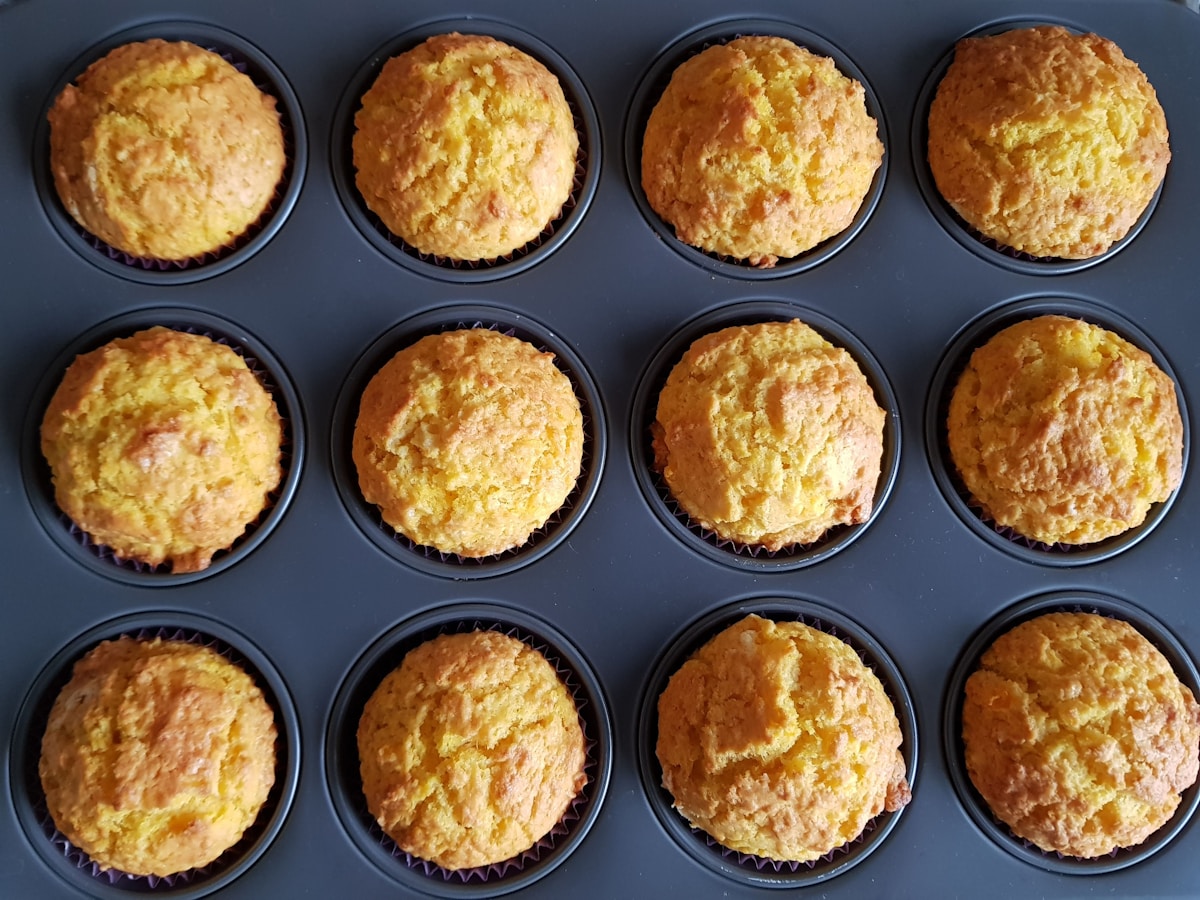
- Muffins & Cupcakes (with a caveat): If you’re using paper liners, the pan material matters a little less. The liner provides a buffer. However, I still find they bake better and get better tops in a metal muffin tin.
- No-Bake Desserts: For no-bake cheesecakes, gelatin-based desserts, or mousses that just need to set in the fridge, silicone molds work wonderfully.
My Kitchen Hack: If you absolutely must use a silicone pan for baking (say, it’s a special shape you don’t have in metal), always place it on a sturdy metal baking sheet before you fill it and put it in the oven. This provides stability and helps conduct some much-needed heat to the bottom of the pan. It won’t solve the pale sides, but it will help the bottom bake more evenly.
My Final Recommendations for Your Bakeware Arsenal
Building a reliable bakeware collection doesn’t have to be expensive, but it should be intentional. Ditch the 12-piece sets with flimsy pans you’ll never use. Buy a few key pieces of excellent quality.
-
For Layer Cakes, Sheet Cakes, & Brownies: Go for heavy-gauge, light-colored aluminized steel or anodized aluminum. My go-to brands are USA Pan (around $20-$30) and Fat Daddio’s ($15-$25). Their pans are workhorses that provide incredibly even heat.
-
For Loaf Breads & Pound Cakes: The same rule applies. A light-colored metal loaf pan (like the one from King Arthur Baking) will give you that perfect golden crust every single time.
-
For Bundt Cakes: Don’t mess with success. Nordic Ware is the undisputed champion here. Their heavy, cast aluminum pans ($30-$45) produce stunningly crisp details that silicone just can’t replicate.
-
For Specialty Molds & Freezing: This is where you can grab a set of affordable, food-grade silicone molds. Look for ones that are LFGB or FDA certified. The brand is less important than the material certification.
In the end, that silicone pan isn’t a failure, it’s just specialized. It’s a tool for molding and setting, not for true baking. For that deep, golden-brown crust and perfectly tender crumb that makes a cake truly spectacular, you need the conductive power of good, old-fashioned metal. Making that one simple switch is one of the easiest upgrades you can make to your baking game. (Your taste buds will thank you.)