


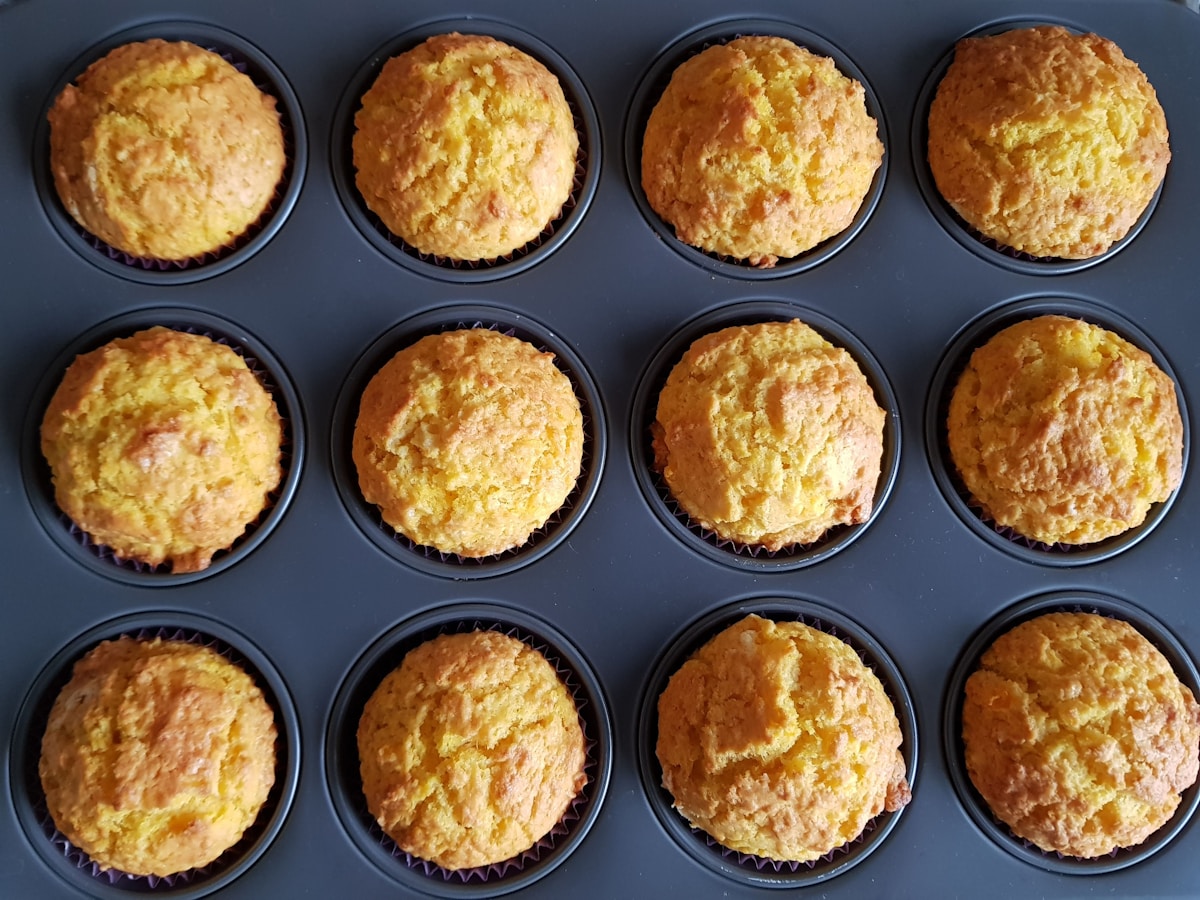
You did everything right. You measured the flour perfectly, didn’t overmix the batter, and folded in the blueberries with the delicate touch of a surgeon. The oven was preheated to the exact degree. You slid the pan in, dreaming of those golden, domed, bakery-style muffins.
Twenty minutes later, you pull them out. And… they’re pale. A little sad, even. Instead of a proud dome, they have a flattish, slightly damp top. When you finally wrestle one out of its floppy cup, the texture is just a little too dense, a little too gummy. What went wrong?
I’ve been there, and I’ve tested enough gear to tell you the problem probably isn’t your recipe or your oven. It’s the pan. Specifically, it’s that brightly colored, flexible silicone muffin pan you thought was a kitchen upgrade. Let’s break down why your trusty old metal pan is still the champion for most baking tasks.
Heat Conduction vs Insulation The Science of a Good Bake
To understand why your muffins failed, you need to think about how a pan is supposed to work. Its job is to transfer heat from the oven’s air to your batter as efficiently and evenly as possible. This heat transfer is what triggers the chemical reactions that create a perfect bake: leavening agents activate to create lift, and the Maillard reaction creates that beautiful golden-brown, flavorful crust.
This is where metal and silicone part ways dramatically.
-
Metal (Aluminum, Aluminized Steel): These materials are excellent heat conductors. Think of a metal pan as a highway for heat. It grabs energy from the oven and delivers it directly and quickly to the batter. This aggressive, even heating promotes a fast rise (oven spring) and is crucial for developing a crisp, browned exterior on your muffins, cupcakes, and rolls. The structure sets quickly, resulting in a light, fluffy crumb.
-
Silicone: Silicone, on the other hand, is a heat insulator. It’s actually used to make oven mitts for this very reason! Instead of conducting heat, it resists it. When you use a silicone pan, it heats up slowly and transfers that heat to your batter inefficiently. The batter warms up gradually instead of getting that initial, powerful blast it needs to rise properly. (This is the culprit behind those flat tops.) Because the heat transfer is so gentle, the Maillard reaction barely gets going, leaving you with a pale, soft, and often slightly gummy crust.
It’s like the difference between searing a steak in a blazing hot cast-iron skillet versus trying to cook it in a lukewarm pan. One gives you a magnificent crust; the other just sort of steams it. Your batter needs that sear.
Head-to-Head The Muffin Pan Showdown
Let’s put them side-by-side and look at the real-world pros and cons. I’ve baked hundreds of muffins in my testing career, and the differences are consistently clear. I ran a batch of classic blueberry muffins, using the same batter and the same oven, with one pan made of light-colored aluminized steel and the other of standard food-grade silicone.
The Metal Pan (Specifically, a USA Pan Aluminized Steel Muffin Pan - approx. $25-$30):
- Browning & Crust (10/10): Perfection. The tops were a deep golden brown, and the edges where the muffin met the pan had a delightful crispness. This is the texture you dream of.
- Rise & Shape (9/10): A beautiful, high dome on every single muffin. The fast, even heat gave the leavening the push it needed to work its magic before the crust fully set.
- Ease of Use (8/10): It’s rigid, so you can carry it one-handed. While this one is non-stick, I still recommend a light spray of oil or paper liners for foolproof release and easier cleanup. Darker non-stick pans can sometimes over-brown the bottoms, which is why I always recommend lighter-colored metal.
- The Results: The muffin was picture-perfect. Light, fluffy, and the contrast between the crisp golden top and the soft interior was exactly what you want. The flavor was richer thanks to the proper browning.
The Silicone Pan (Generic, well-reviewed model - approx. $15):
- Browning & Crust (3/10): Anemic. The tops were pale yellow, with zero browning. The sides were soft and slightly damp to the touch, having steamed more than baked. The bottom was the only part that got any real color.
- Rise & Shape (5/10): Noticeably flatter. The rise was sluggish due to the slow heat transfer, resulting in a denser, heavier muffin.
- Ease of Use (6/10): The famous non-stick quality is real. The muffins popped out with zero effort. (This is its one true superpower.) However, it’s incredibly flimsy. You absolutely MUST use it on a rigid baking sheet, which adds an extra piece of equipment to wash. It’s also prone to holding onto greasy residues over time, requiring deep cleaning.
- The Results: The muffin was… edible. But it wasn’t enjoyable. The texture was heavy, the flavor was flat without the Maillard reaction, and it lacked any satisfying textural contrast. It was a failure by any baker’s standard.
Kitchen Hack For Bakery-Style Domes
Want to get an even better rise from your metal muffin pan? Here’s a trick the pros use. It’s all about that initial blast of heat.
- Preheat your oven to 425°F (220°C).
- Fill your muffin cups (in your metal pan) about three-quarters full.
- Bake at this high temperature for the first 5-7 minutes.
- Without opening the oven door, reduce the temperature to 375°F (190°C) and continue baking for another 12-15 minutes, or until a toothpick comes out clean.
That initial high heat forces the batter to rise rapidly, creating that signature dome before the top sets. This trick simply won’t work in a silicone pan because it can’t get the heat to the batter fast enough.
So Is Silicone Bakeware Ever a Good Choice?
After all that, you might think I’m ready to banish silicone from the kitchen entirely. Not so fast. The key is my core philosophy: use the right tool for the job. Silicone is the wrong tool for muffins, but it excels in other areas.
Silicone’s insulating properties and incredible flexibility make it perfect for:
- Frozen Treats: Making custom ice cubes, chocolate molds, or frozen baby food portions. Nothing releases from a frozen state better.
- Fat Bombs & No-Bake Bites: For keto or energy bites that are set in the fridge or freezer, silicone is the champion of easy release.
- Egg Bites: Especially for sous vide or Instant Pot recipes, silicone molds cook gently and pop out perfect, tender egg bites every time. Here, you don’t want browning.
- Crustless Mini Quiches: Similar to egg bites, gentle cooking is a benefit, not a drawback.
Basically, if you aren’t trying to achieve a brown, crisp crust, silicone can be a fantastic, convenient tool.
The Final Verdict Spend Your Money Wisely
When it comes to baking muffins, cupcakes, cornbread, or anything else that relies on a golden crust and a light, airy crumb, there is no contest. A sturdy, light-colored metal pan is the far superior choice. It will give you consistent, reliable, and delicious results that a silicone pan simply cannot replicate.
The initial appeal of silicone—easy cleanup and non-stick release—is quickly overshadowed by the poor quality of the final product. And honestly, with a good quality non-stick metal pan and paper liners, the cleanup argument is mostly a wash.
Don’t let clever marketing or bright colors fool you into buying a tool that sabotages your baking. Invest $20-$30 in a quality aluminized steel pan from a brand like USA Pan or Wilton. It will last you for years and, more importantly, it will give you the beautiful, delicious results your hard work deserves. (Your future self, pulling a batch of perfectly golden muffins from the oven, will thank you.)


