What Are the Best Honey Desserts for a Festival?

What Are the Best Honey Desserts for a Festival?

You have a jar of golden wildflower honey from the local apiary, a festival competition to enter, and a burning question: what dessert will stand out among the other honey-themed entries? A Reddit user in r/Baking recently faced this exact dilemma. They had created a stunning honey dessert but could not settle on a name, worried about claiming ownership. The community quickly chimed in with advice: name it after the honey source and emphasize texture contrasts. That conversation is a goldmine for anyone planning to bake for a honey festival. Let us explore the best honey desserts for festivals, from crowd-pleasing classics to innovative showstoppers.

How Do You Make a Cake Taste Like a Real Milkshake?

How Do You Make a Cake Taste Like a Real Milkshake?

Have you ever baked a ‘strawberry’ cake that tasted… well, just sort of pink? You know the one. It has the right cheerful color, but the flavor is a faint whisper of what it promised to be. It’s a common story in our kitchens, a culinary quest to capture the soul of one beloved food inside another. Food, after all, tells a story, and translating one story into a new medium—like turning a beverage into a baked good—is one of the most exciting challenges a baker can face.

How Do I Make My Cake Actually Taste Like a Milkshake

How Do I Make My Cake Actually Taste Like a Milkshake

Have you ever followed a recipe for a “strawberry” cake, only to pull it from the oven and find it tastes… sweet? Maybe with a whisper of fruit, but none of the bright, tangy punch you were hoping for? It’s a common frustration in the kitchen. We try to capture the essence of one food—a vibrant beverage, a ripe fruit, a nostalgic candy—and translate it into a cake, but the final product falls flat.

Why Is Making Tiramisu At Home So Expensive

Why Is Making Tiramisu At Home So Expensive

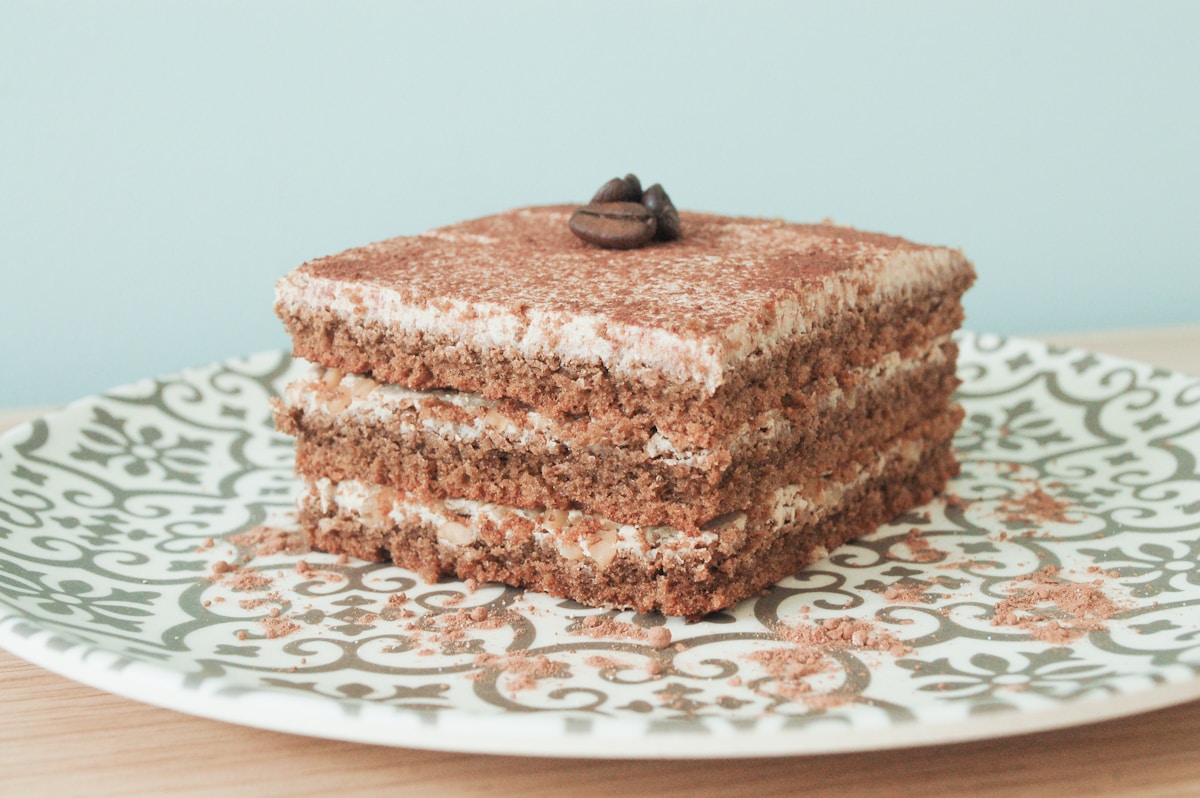
You’re standing in the grocery store, recipe pulled up on your phone, feeling excited. Tonight’s the night you finally make real, from-scratch tiramisu. You grab the eggs, the cocoa powder, the coffee… and then you get to the dairy aisle. You pick up a small, unassuming tub of mascarpone cheese, turn it over, see the price, and your heart sinks just a little. Wait, that much for cheese? By the time you’ve added the special ladyfinger cookies and a bottle of Marsala wine to your cart, your “fun little dessert project” has turned into a serious investment. If you’ve ever felt this sticker shock, please know you are not alone. It’s one of the most common surprises for beginner bakers. So let’s talk about it.

What Do You Do When No One Eats Your Homemade Cake?

What Do You Do When No One Eats Your Homemade Cake?

It’s a moment many of us know all too well. You’ve spent hours in the kitchen, a place of methodical magic, carefully measuring, mixing, and monitoring. You’ve created a masterpiece—perhaps a delicate choux au craquelin, its crisp shell giving way to a silky crème pâtissière and a cloud of Chantilly cream. You present it, full of pride, only to watch your family reach for a bag of salty chips instead.

How Can I Make My Peanut Butter Cookies More Crumbly and Tender

How Can I Make My Peanut Butter Cookies More Crumbly and Tender

Have you ever followed a peanut butter cookie recipe to the letter, only to pull a tray of hard, disappointing discs from the oven? You had visions of warm, melt-in-your-mouth goodness, but what you got was closer to a hockey puck. Your heart sinks. I’ve been there, standing in my kitchen, wondering where I went wrong.

Why Is There Always a Gap In My Apple Pie?

Why Is There Always a Gap In My Apple Pie?

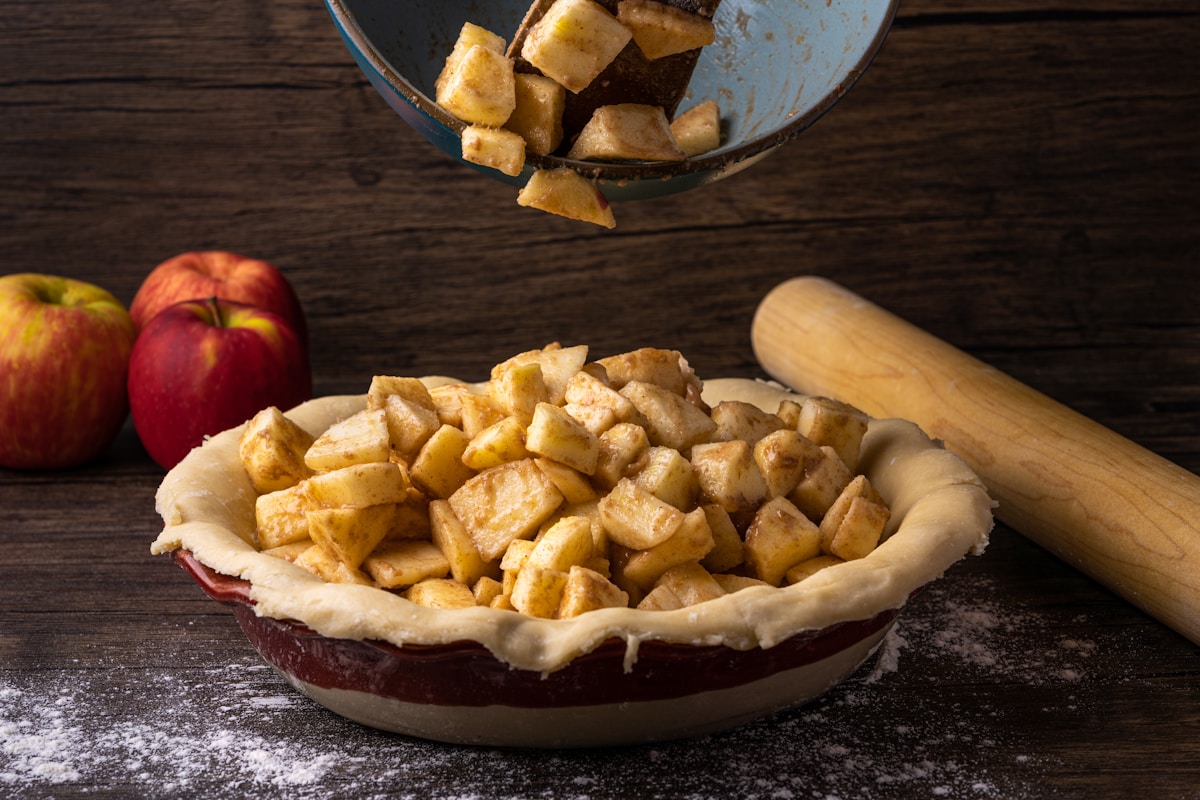
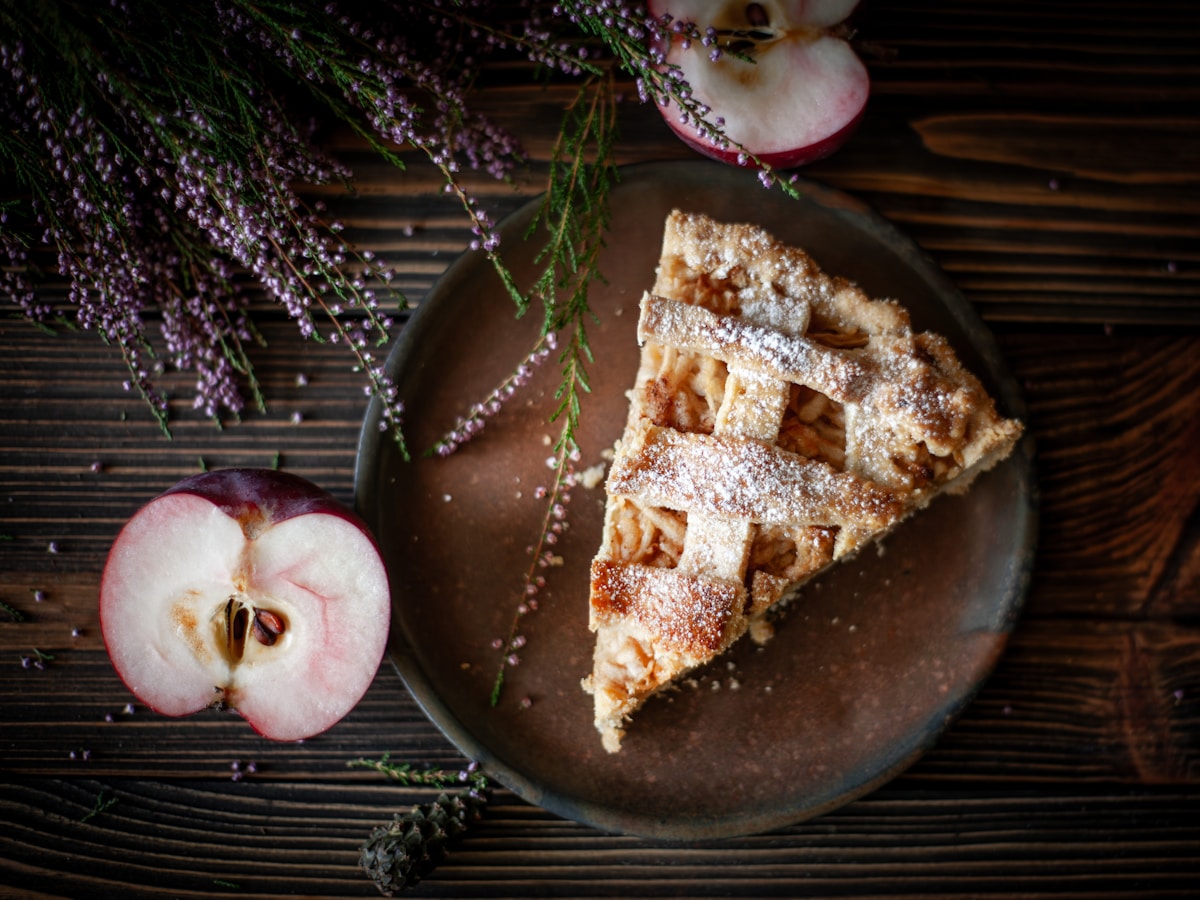
There are few kitchen moments more satisfying than pulling a perfect, golden-brown apple pie from the oven. The buttery aroma fills the air, the crust is latticed beautifully, and you can just imagine the warm, spiced filling inside. But then comes the moment of truth: you cut that first slice, and your heart sinks. A cavernous gap has formed between the top crust and the shrunken, compacted apple filling.

Is Making Tiramisu at Home Really Cheaper Than Buying It

Is Making Tiramisu at Home Really Cheaper Than Buying It

You’re at your favorite Italian restaurant, feeling that happy, satisfied glow after a wonderful meal. You scan the dessert menu, and your eyes land on it: Tiramisu. It’s listed for $11. A tiny voice in your head, the one that’s been watching cooking shows, whispers, “I could make a whole pan of that for the price of two slices!”

How can I prevent apples from being crunchy in my pie?

How can I prevent apples from being crunchy in my pie?

The moment of truth arrives. Your apple pie is a masterpiece, pulled from the oven with a perfectly golden, flaky crust that shimmers with a light dusting of sugar. The entire kitchen smells of cinnamon, butter, and caramelized fruit. You slice into it, the crust gives a satisfying crackle, and you serve a perfect wedge. You take the first bite, anticipating soft, tender apples mingling with spice, but instead… crunch. The apples are firm, resisting, almost raw.

How Can I Add a Crunchy Base to a Chiffon Cake?

How Can I Add a Crunchy Base to a Chiffon Cake?

There’s a moment of pure satisfaction when you slice into a homemade chiffon cake. It’s the whisper-quiet sound the knife makes, the impossibly light and airy crumb, the delicate, cloud-like texture that melts in your mouth. A well-made chiffon is a testament to the magic of emulsification and aeration. It’s nearly perfect on its own. But what if we could take it from nearly perfect to truly unforgettable?

How Can You Bake Four Different Brownies in One Pan?

How Can You Bake Four Different Brownies in One Pan?

It’s a familiar story. You’ve volunteered to bring dessert for the office potluck, a bake sale, or a family gathering. You want to make your famous brownies, but then the requests start rolling in. Uncle Jim only eats brownies with walnuts, your best friend adores salted caramel, the kids demand something with colorful sprinkles, and you’re craving a classic, unadulterated fudge brownie. Do you resign yourself to baking four separate batches? Absolutely not!

How do I make a rich layer cake that isn't overwhelmingly sweet?

How do I make a rich layer cake that isn't overwhelmingly sweet?

You’ve spent the better part of a day creating a masterpiece. The cake layers are perfectly even, the filling is rich, and the frosting is swirled into a gallery-worthy display. Your friends take a bite, their eyes widen, and then comes the praise you’ve been dreading: “It’s delicious!… a little sweet, though.”

How Can I Get My Family Excited About My Homemade Desserts?

How Can I Get My Family Excited About My Homemade Desserts?

Oh, honey, I’ve been there. You spend an afternoon in your happy place, the kitchen, surrounded by the scent of melting butter and vanilla. You’ve followed a recipe for a truly magnificent dessert—maybe a delicate choux pastry cake, layered with silken cream and glistening strawberries. You present it after dinner, your heart full of pride, only to watch your kids reach for a bag of chips and your partner start brushing their teeth. The beautiful cake sits on the counter, a monument to your effort, completely untouched.

Why Are My Apples Still Crunchy in My Apple Pie?

Why Are My Apples Still Crunchy in My Apple Pie?

It’s a moment of pure baking anticipation. The timer buzzes. You pull a masterpiece from the oven—a pie with a perfectly golden, flaky lattice crust, bubbling with spiced apple goodness. You let it cool (impatiently, of course), slice into it, and serve a generous wedge. Then comes the first bite, and your heart sinks. The crust is divine, but the apples… they’re firm. Crunchy, even. All that work for a pie that’s texturally… confusing.

What Are the Best Recipes for Stress Baking Your Frustrations Away?

What Are the Best Recipes for Stress Baking Your Frustrations Away?

We’ve all been there. The day has been a relentless series of small disasters, your inbox is a nightmare, and the world outside feels overwhelmingly loud. In moments like these, some people go for a run, some meditate, but many of us feel a primal pull toward the kitchen. Not for a complicated, fussy meal, but for something elemental. Something you can pour your frustration into. This, my friends, is the heart of “stress baking,” a term that has found a vibrant home in online communities where bakers share their creations born from tough days. It’s about channeling that chaotic energy into mixing, kneading, and smashing your way to something utterly delicious and comforting.

How Thick Should I Slice Apples for a Perfect Pie Filling?

How Thick Should I Slice Apples for a Perfect Pie Filling?

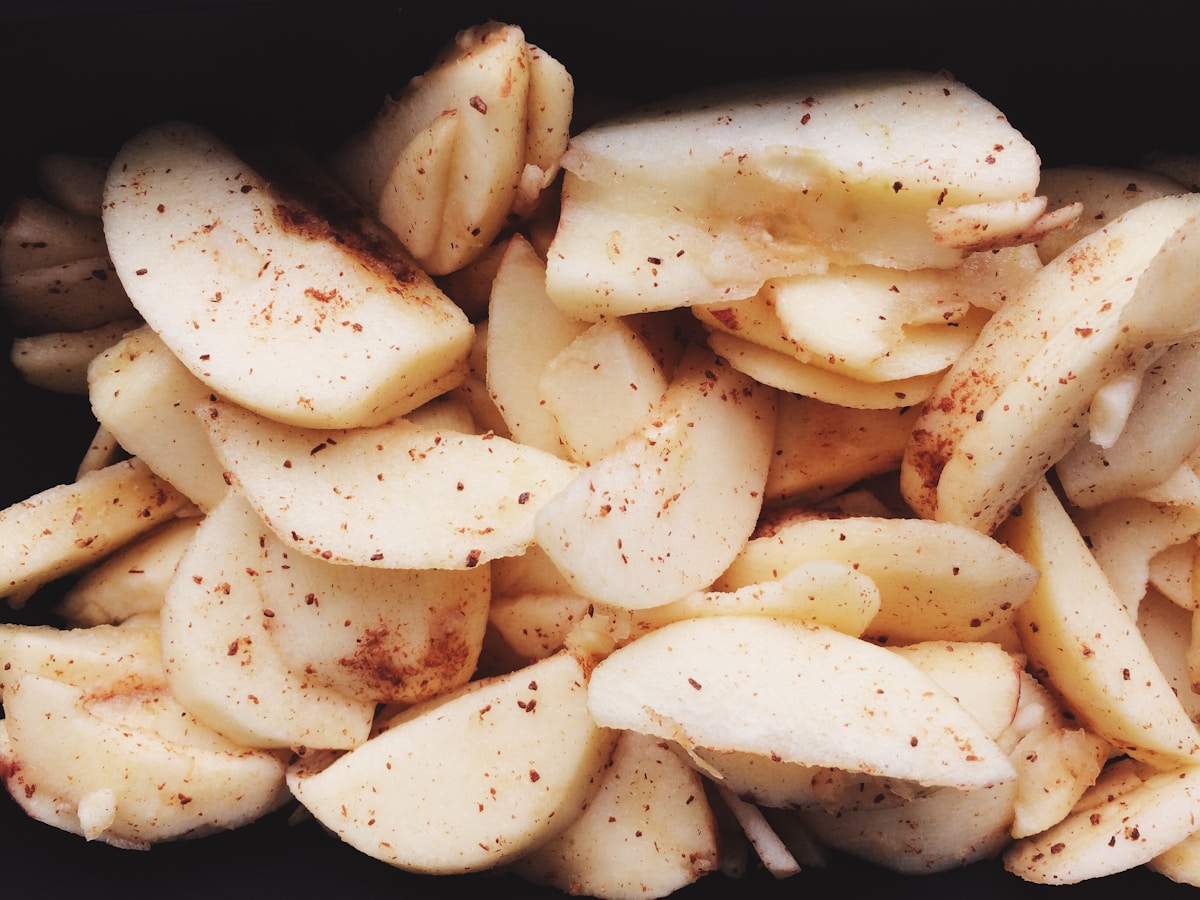
It’s one of the most disheartening moments in baking. You pull a magnificent apple pie from the oven. The crust is a deep, golden-brown, flaky and glistening with sugar. The aroma is intoxicating. But when you slice into it, the truth is revealed: the apples are still stubbornly crunchy, or worse, they’ve collapsed into a formless, soupy mush.

What Are The Best Flavor Pairings For A First Layer Cake?

What Are The Best Flavor Pairings For A First Layer Cake?

Hello, I’m Lucas, and here at kitchen-fun.com, we believe that baking is chemistry you can eat. There’s a certain thrill, a mix of excitement and quiet terror, that comes with assembling your very first layer cake. You have this beautiful vision in your head—perfectly even layers, a smooth, flawless frosting, and that satisfying cross-section when you slice into it. But the reality can sometimes be… less elegant. A leaning tower of cake, a filling that oozes out the sides, a frosting littered with crumbs. It’s a common frustration.

Why Is My Apple Pie Filling Crunchy And How Do I Fix It

Why Is My Apple Pie Filling Crunchy And How Do I Fix It

We’ve all been there. You pull a masterpiece from the oven. The crust is a perfect, flaky, golden-brown. The aroma of cinnamon and baked apples fills your kitchen. You slice into it, revealing a mountain of what should be tender, jammy fruit. But then you take a bite, and… crunch. Instead of luscious, yielding apples, you get a mouthful of firm, undercooked slices. It’s one of the most common and frustrating pitfalls in pie baking.

Why Are My Apples Still Hard After Baking a Pie?

Why Are My Apples Still Hard After Baking a Pie?

There are few kitchen moments more disheartening than pulling a perfect, golden-brown apple pie from the oven. The crust is flaky, the aroma is a warm hug of cinnamon and butter, and anticipation is at its peak. You let it cool, slice into it, and serve a generous piece, only to hear a distinct… crunch. The apples are still firm, raw-tasting, and stubbornly resistant.

How Do I Get My Apple Pie Filling Perfectly Soft?

How Do I Get My Apple Pie Filling Perfectly Soft?

There are few kitchen moments as simultaneously triumphant and devastating as pulling a perfect-looking apple pie from the oven. The crust is a latticed masterpiece, a deep, burnished gold. The aroma of cinnamon and baked apples fills your home. You let it cool (im)patiently, slice into it, and serve a beautiful wedge. Then you take a bite, and your heart sinks. Crunch. The apples are firm, dense, and stubbornly raw.

Why Are My Apple Pie Apples Still Crunchy?

Why Are My Apple Pie Apples Still Crunchy?

You’ve done everything right. The pie crust, a delicate lattice of buttery, flaky pastry you chilled and rolled with painstaking care, is a perfect golden brown. The aroma of cinnamon and baked apples has been filling your kitchen for the last hour, promising a slice of pure comfort. You pull it from the oven, let it cool just long enough, and cut the first slice. The crust shatters beautifully under your fork… but then you hit it. A distinct, disappointing crunch. The apples are firm, undercooked, and a world away from the soft, yielding filling you dreamed of.

Why Are My Apple Pie Apples Still Crunchy?

Why Are My Apple Pie Apples Still Crunchy?

There are few kitchen moments as promising as pulling a magnificent apple pie from the oven. The crust is a perfect tapestry of golden brown, glistening with a hint of sugar, and the scent of cinnamon and baked fruit fills the air. You let it cool (impatiently, of course), slice into it, and serve a beautiful wedge. Then comes the first bite, and the illusion shatters. The crust is flaky, the spices are warm, but the apples… the apples have the distinct, jarring crunch of a raw piece of fruit.

Why Are My Apples Still Crunchy In My Apple Pie?

Why Are My Apples Still Crunchy In My Apple Pie?

There are few kitchen moments more disheartening. You’ve done everything right. The pie crust is a masterpiece of flaky, golden-brown architecture. The lattice is perfect. The aroma of cinnamon and baked apples has filled your home for the last hour. You slice into it, plate a beautiful wedge, take that first eager bite, and… crunch. The apples are firm, dense, and stubbornly raw.

How Much Dough Should I Leave for a Perfect Pie Crimp

How Much Dough Should I Leave for a Perfect Pie Crimp

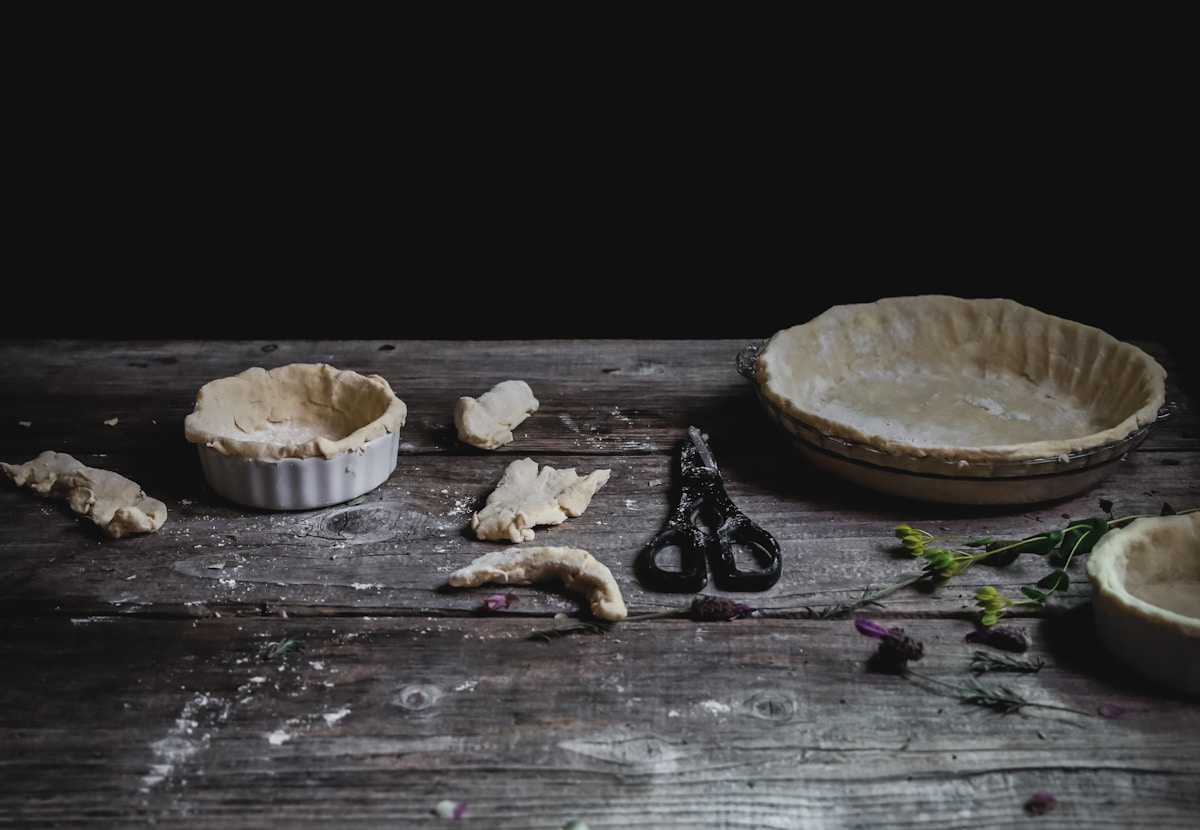
You’ve reached the final step. The filling—a perfect mound of spiced apples or silky pumpkin custard—is nestled in its buttery shell. You’ve carefully draped the top crust, and now it’s time for that final, artistic flourish: the crimp. You lean in, ready to flute the edge into a beautiful, uniform pattern, only to find… nothing. There’s barely enough dough to press together, let alone create the bakery-worthy design you envisioned.

Why Are My Apple Pie Apples Still Crunchy After Baking?

Why Are My Apple Pie Apples Still Crunchy After Baking?

It’s a moment of pure anticipation. The timer has gone off, your kitchen smells of cinnamon and butter, and a magnificent apple pie rests on the counter, its crust a perfect, flaky golden-brown. You let it cool (impatiently), slice into it, and serve a generous wedge. Then comes the first bite… and a disappointing crunch. The crust is divine, but the apples are firm, almost raw. It’s a common baking heartbreak, but I assure you, it’s not a personal failure—it’s a chemistry problem. And like any chemistry problem, it has a solution.

Why Are My Apple Pie Apples Still Crunchy After Baking?

Why Are My Apple Pie Apples Still Crunchy After Baking?

There are few moments in baking more visually satisfying than pulling a perfect apple pie from the oven. The crust is a masterpiece of golden-brown latticework, glistening with a hint of sugar. The aroma of baked apples and warm cinnamon fills your entire home. You let it cool (mostly), slice into it with anticipation, and serve a generous wedge. Then you take a bite, and your heart sinks. The crust is flaky perfection, but the apples inside are firm, squeaky, and unmistakably… crunchy.

How Do You Build a Stable Hybrid Cheesecake Layer Cake?

How Do You Build a Stable Hybrid Cheesecake Layer Cake?

Have you ever scrolled through social media and stopped dead in your tracks, mesmerized by a slice of cake that seems to defy gravity? I’m talking about those incredible creations with a perfect layer of rich cheesecake nestled between layers of fluffy sponge cake, all tied together with swirls of fruit and silky frosting. It’s a work of art, a feast for the eyes before it ever reaches the palate.

How Do I Stop My Pavlova From Weeping and Cracking

How Do I Stop My Pavlova From Weeping and Cracking

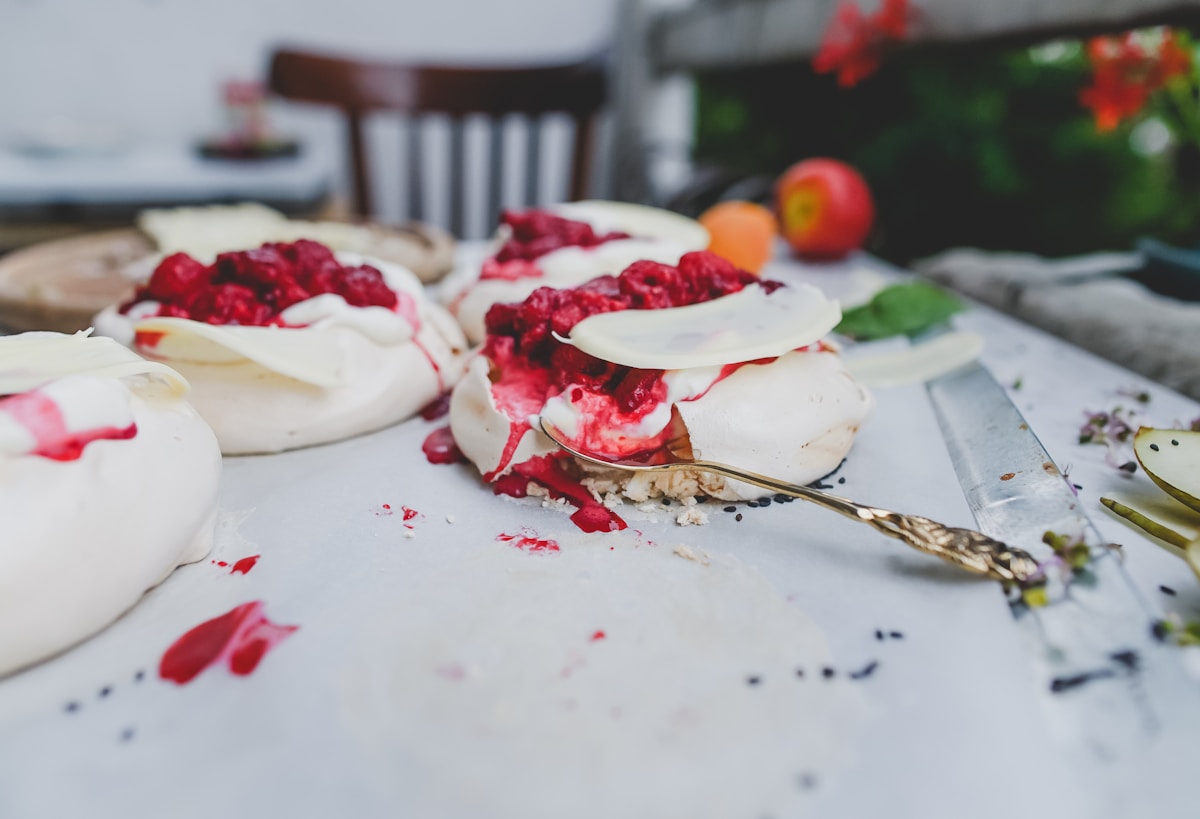
There are few kitchen heartbreaks as acute as the pavlova problem. You’ve spent an hour patiently whipping egg whites into a glossy, cloud-like mountain. You baked it low and slow, filled the house with a sweet, toasted-sugar scent, and waited with anticipation. But when you open the oven, you find a fractured, weeping mess.

How Do You Put A Whole Cheesecake Inside A Layer Cake

How Do You Put A Whole Cheesecake Inside A Layer Cake

Have you ever been scrolling through photos of gorgeous, towering cakes and stopped dead in your tracks? There it is: a perfect, pristine layer of dense, unmistakable cheesecake nestled between two fluffy layers of vanilla cake. It looks like pure magic, a dessert that defies gravity. Your first thought is probably, “Wow.” Your second is almost certainly, “How on earth do they do that without it all sliding apart?”

Why Are My Homemade Desserts Always Overwhelmingly Sweet?

Why Are My Homemade Desserts Always Overwhelmingly Sweet?

Have you ever been there? You spend an afternoon carefully measuring and mixing, your kitchen smells like heaven, and you pull a pan of gorgeous, golden-brown cookies from the oven. They look perfect. You take a bite, anticipating bliss, and… WHAM. It’s a tidal wave of pure, one-note sugar. It’s so sweet it makes your teeth ache.

How Do You Successfully Build a Cheesecake Layer Cake

How Do You Successfully Build a Cheesecake Layer Cake

You’ve seen them on social media. Those towering, magnificent cakes with a perfectly clean, dense stripe of cheesecake nestled between layers of impossibly fluffy sponge, all wrapped in a coat of silky buttercream. It’s a showstopper. It’s also, for many home bakers, a source of quiet anxiety. How do you get that heavy cheesecake layer in there without the whole thing collapsing into a delicious, but structurally disastrous, mess?

Why Are My Lemon Bars Runny and How Can I Fix Them

Why Are My Lemon Bars Runny and How Can I Fix Them

We’ve all been there. You pulled a pan of what looks like perfect lemon bars from the oven. The shortbread crust is golden, the top of the filling has that beautiful, pale yellow sheen. You let them cool (sort of), dust them with a snowy layer of powdered sugar, and grab a knife for that triumphant first slice.

How Do You Build a Truly Spectacular Celebration Cake at Home

How Do You Build a Truly Spectacular Celebration Cake at Home

We’ve all seen them. Those breathtaking, multi-layered cakes that look like they belong in a fairytale. A Princess Peach-inspired tower of pink and gold, a perfectly smooth tiered wedding cake, or an intricate birthday creation that seems to defy gravity. The immediate thought is often, “A professional must have made that.” But what if I told you the techniques behind these masterpieces are entirely achievable in your own kitchen?

What Is the Secret to a Stable Cheesecake Layer Cake

What Is the Secret to a Stable Cheesecake Layer Cake

Have you ever been scrolling through your social media feed and stopped dead in your tracks, mesmerized by a dessert so impossibly beautiful it looked more like architecture than food? I’m talking about the legendary cheesecake layer cake. A perfect slice reveals a secret—a dense, creamy, entire cheesecake nestled between layers of fluffy sponge, often with a vibrant ribbon of fruit jam. My first thought was, “How in the world does that not collapse?” It felt like kitchen magic, a delightful puzzle I was determined to solve.

How Can You Bake a Pie That Truly Celebrates the Season

How Can You Bake a Pie That Truly Celebrates the Season

There’s a specific kind of magic that arrives with the first truly warm day of spring. It’s in the air, in the longer daylight, and most deliciously, it’s in the vibrant red jewels appearing at the farmers’ market: the first strawberries of the season. Holding a basket of them, fragrant and warm from the sun, you can almost taste the pie they’re destined to become. But this isn’t just any pie. It’s a story—of the season, of a celebration, of a moment you want to make special.

Why does a real Key Lime Pie taste so different from a regular lime pie?

Why does a real Key Lime Pie taste so different from a regular lime pie?

Have you ever taken a bite of a dessert so perfect, so evocative, that it silences the room for just a moment? It’s more than just flavor; it’s a memory unlocked, a story told in sugar, butter, and citrus. For so many, that dessert is a true, authentic Key Lime Pie. It’s a dish that carries the warmth of the Florida sun and the weight of family tradition in every creamy, tart, and crumbly bite.