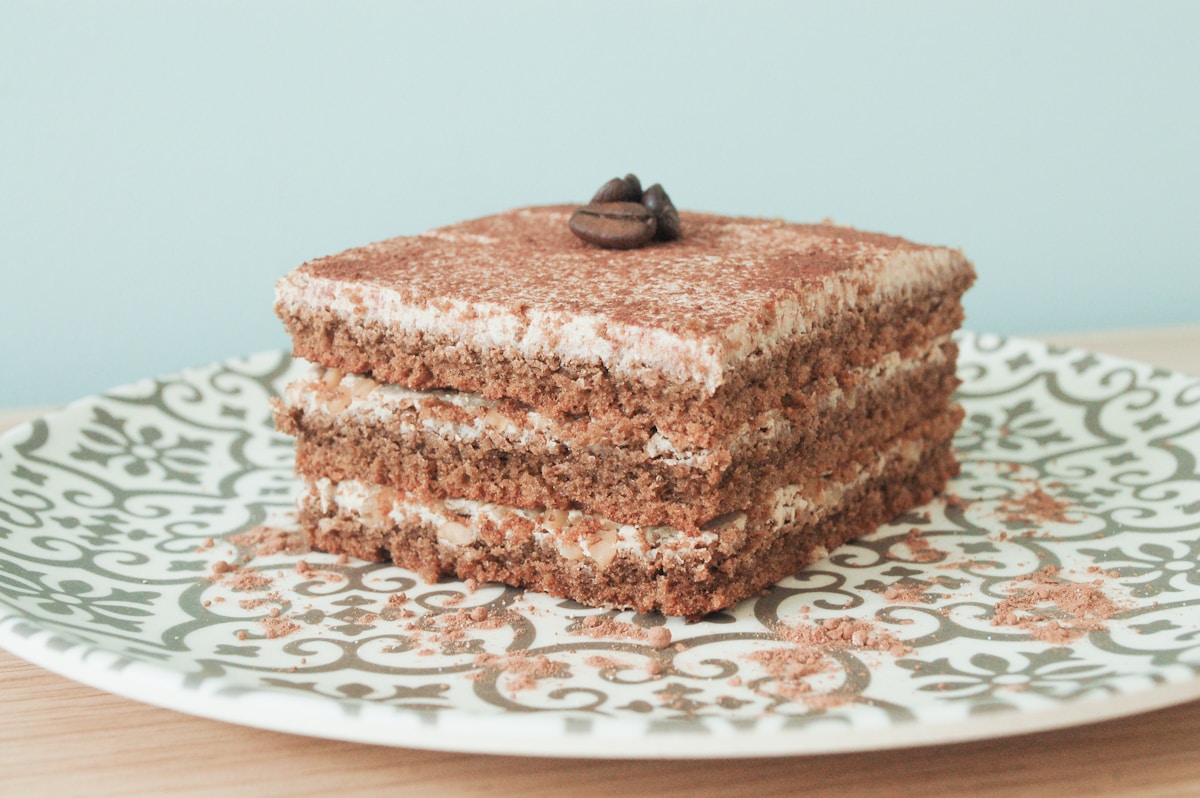
You’re at your favorite Italian restaurant, feeling that happy, satisfied glow after a wonderful meal. You scan the dessert menu, and your eyes land on it: Tiramisu. It’s listed for $11. A tiny voice in your head, the one that’s been watching cooking shows, whispers, “I could make a whole pan of that for the price of two slices!”
Fast forward to Saturday. You’re filled with culinary ambition. You’ve printed a recipe, you’ve made your list, and you head to the grocery store. You proudly gather your ingredients: the special cookies, the tub of creamy cheese, the espresso, the cocoa. But when the cashier rings you up, you stare at the total. Over $30? For one dessert? What happened to your brilliant, cost-saving plan?
If this sounds familiar, you are not alone. It’s a classic kitchen conundrum that trips up so many aspiring bakers. Tiramisu, the elegant, cloud-like Italian dessert, seems so simple on the surface. And it is! But its simplicity relies on a few very specific, and sometimes pricey, ingredients. So, let’s pull back the curtain, do the math, and figure out if making tiramisu at home is truly worth it.
The Sticker Shock Breakdown Why Tiramisu Ingredients Cost So Much
The surprise expense of a homemade tiramisu almost always comes down to two key players: mascarpone cheese and savoiardi, also known as ladyfinger cookies. These aren’t your everyday kitchen staples, and their specialty nature comes with a specialty price tag.
First, let’s talk about mascarpone. Think of it as cream cheese’s richer, more luxurious Italian cousin. It’s made from whole cream that’s been heated with an acidic element (like citric acid), which causes it to thicken into a beautiful, velvety, and spreadable cheese. It has a much higher butterfat content than American cream cheese, giving it that unbelievably rich mouthfeel and a subtle, sweet tang. Because it’s often imported or made in smaller batches, an 8-ounce (225g) tub can easily run you anywhere from $5 to $9, and most traditional recipes call for a full pound (16 ounces). (Ouch.)
Next up are the savoiardi. These are not the soft, cakey ladyfingers you might find in the bakery section. True Italian savoiardi are very dry, crisp, and extremely porous. They look like chunky, sugar-dusted fingers, and their structure is pure genius. They are designed to be an edible sponge, soaking up all that coffee and liqueur without turning into a pile of mush. A package of a good brand, like Vicenzi, might cost between $4 and $7. While they are perfect for the job, you can see how these two items alone can make a dent in your wallet before you’ve even bought the eggs.
And then there are the supporting actors: good quality espresso, a dusting of unsweetened cocoa powder (like Droste or Ghirardelli), and often a splash of liqueur like Marsala wine, dark rum, or Amaretto. If you don’t already have these on hand, they add to that initial investment. It all adds up, and suddenly, that $30 bill at the checkout makes a lot more sense.
Doing the Tiramisu Math Homemade vs Store-Bought
Okay, so the ingredients are pricey. But how does the final cost per serving actually stack up against just buying it? Let’s break it down with some real-world numbers. We’ll assume we’re making a standard 8x8 inch pan, which generously serves 9 people.
Scenario 1: The Restaurant Slice
- Cost: ~$11 per slice
- Pros: Zero effort, instant gratification, professionally made.
- Cons: Highest cost per ounce by a huge margin. For a family of four, you’re looking at over $40 for dessert alone.
Scenario 2: The Whole Bakery Cake
- Cost: ~$35 - $50 for an 8x8 inch pan.
- Pros: Still zero effort, perfect for a party when you have no time.
- Cons: You have no control over the quality of ingredients. They might use cheap coffee, artificial flavors, or very little liqueur. The cost per serving is around $4 to $5.50.
Scenario 3: The Homemade Tiramisu (Your Masterpiece!) Let’s build a sample shopping list with average U.S. prices:
-
Mascarpone Cheese (16 oz / 450g): $12.00
-
Savoiardi Ladyfingers (1 package): $5.00
-
Large Eggs (6 yolks): $3.00
-
Strong Brewed Coffee or Espresso (1.5 cups): $2.00
-
Granulated Sugar (3/4 cup): $0.50
-
Good Unsweetened Cocoa Powder: $1.00 (portioned from a larger tin)
-
Dark Rum or Liqueur (1/4 cup): $4.00 (portioned from a larger bottle)
-
Estimated Total Cost: ~$27.50
-
Yields: 9 generous servings.
-
Cost Per Serving: ~$3.05
The verdict is crystal clear. While the upfront cost of a homemade tiramisu feels high, it is by far the most cost-effective option on a per-serving basis. You get three to four times more dessert for your money compared to a restaurant, and you beat the bakery price by a solid margin, all while using high-quality ingredients you choose yourself.
Smart Swaps to Make Tiramisu on a Budget
So, making it from scratch is cheaper per slice. But what if that initial $27.50 is still a bit steep for your weekly grocery budget? Don’t worry! This is where the fun of kitchen creativity comes in. You can make an absolutely delicious tiramisu-style dessert with a few clever, budget-friendly substitutions.
-
For the Mascarpone: This is the easiest and most effective swap. You can create a fantastic “faux mascarpone” at home. In a bowl, beat 8 ounces of full-fat, block-style cream cheese (like Philadelphia, at room temperature) until it’s perfectly smooth. Then, slowly drizzle in 1/4 cup of heavy cream and beat until combined. A tablespoon of sour cream can add back that signature tang. The texture is remarkably similar, and it will cost you less than half the price of real mascarpone.
-
For the Ladyfingers: This is a bit trickier, as the texture of savoiardi is so unique. However, in a pinch, you can use slices of a firm pound cake. The key is to slice the cake, lay the pieces on a baking sheet, and bake them at a low temperature (around 300°F / 150°C) for about 15-20 minutes, flipping once, until they are dry and lightly toasted. This helps them stand up to the coffee soak without dissolving completely.
-
For the Espresso: You do not need a fancy espresso machine! You can make extra-strong coffee using a drip machine or French press by simply doubling the amount of coffee grounds you’d normally use for that amount of water. Another excellent and affordable option is instant espresso powder. A jar of Medaglia D’Oro costs a few dollars and will last you for ages. Just dissolve a couple of tablespoons in hot water for an intense coffee flavor.
-
For the Liqueur: The alcohol is completely optional. If you don’t want to buy a whole bottle of Marsala or rum, you can simply leave it out. To add a layer of flavor, try a teaspoon of rum extract or a bit of extra vanilla extract in your coffee mixture.
Is It Worth It The Unforgettable Taste and Joy Factor
We’ve established that making tiramisu at home saves you money per slice. But the real value goes far beyond the numbers. The truth is, a well-made homemade tiramisu is almost always better than what you can buy.
When you make it yourself, you are the master of your dessert. You can brew beautifully fragrant, high-quality coffee. You can use rich, dark Dutch-processed cocoa powder. You can decide exactly how sweet to make the cream and whether you want a bold kick of rum or just a whisper. The flavors are fresher, brighter, and perfectly tailored to your taste.
And let’s not forget the process itself. There is a quiet magic in watching egg yolks and sugar transform into a pale, ribbony custard. There’s the satisfaction of whipping cream to perfect peaks. There’s the rhythmic dunking of cookies and the neat layering in the dish. It’s a peaceful, rewarding project.
Don’t be afraid of mistakes. Is your cream a little runny? Don’t panic! Call it “Tiramisu Pudding,” serve it in a fancy glass, and no one will know the difference. (Trust me, it will still be ridiculously delicious.) Confidence in the kitchen comes from trying, not from getting it perfect on the first go.
Try This Tonight:
You don’t need to tackle a full-blown tiramisu this evening. Your mission is much simpler. Next time you’re at the store, just go on a little scavenger hunt. Find the mascarpone in the specialty cheese section. Locate the savoiardi in the international or cookie aisle. Just look at them. Check their prices. That’s it. Now you have the information, and knowledge is the first step to conquering any recipe.
And when you’re ready for the magic, start small. Try making a “Tiramisu for Two.” Grab a couple of glasses or small bowls. Halve a simple recipe and build your layers right in the glass. It’s all the flavor and fun with none of the pressure of making a giant, perfect pan. You can do this!