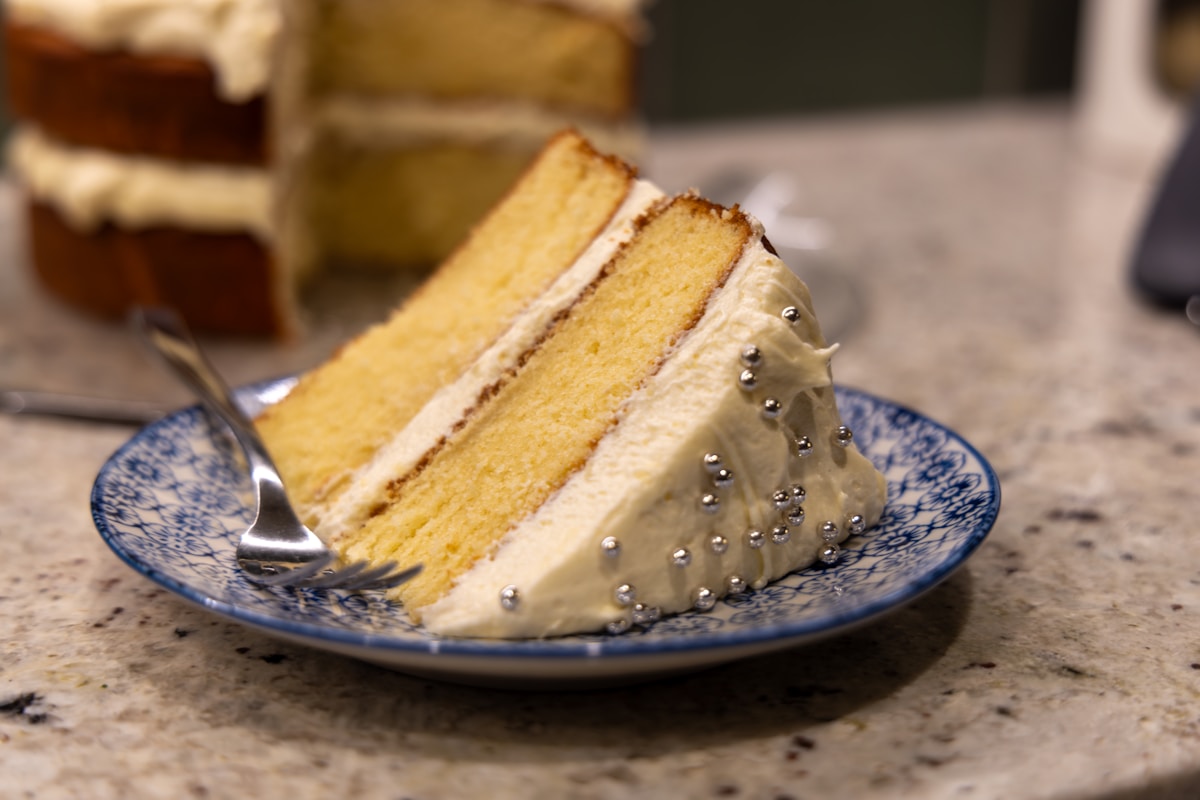
Hello, I’m Lucas, and here at kitchen-fun.com, we believe that baking is chemistry you can eat. There’s a certain thrill, a mix of excitement and quiet terror, that comes with assembling your very first layer cake. You have this beautiful vision in your head—perfectly even layers, a smooth, flawless frosting, and that satisfying cross-section when you slice into it. But the reality can sometimes be… less elegant. A leaning tower of cake, a filling that oozes out the sides, a frosting littered with crumbs. It’s a common frustration.
The secret to conquering that first cake isn’t about attempting the most exotic flavor combination you saw on a baking show. It’s about building a solid foundation, both literally and figuratively. Success starts with choosing flavors that not only taste wonderful together but are structurally sound. Before we dream of lavender-honey or matcha-strawberry, let’s master the delicious architecture of a stable, classic cake. Your confidence will soar, and the foundation you build here will allow you to get creative later.
Why Stability Matters More Than Flavor
Think of a layer cake not just as a dessert, but as a small piece of culinary engineering. You’re stacking materials with different densities and textures, and gravity is working against you from the moment you place that second layer. This is where the science comes in. The success of your cake depends on understanding a few key principles.
First, there’s moisture migration. A wet filling, like a thin custard or a runny fruit puree, will slowly leach water into your cake layers, turning them soggy and compromising their ability to bear weight. Second, temperature is critical. A frosting that is perfectly stable at 65°F (18°C) might turn into a liquid mess in a warm 75°F (24°C) room. This is especially true for frostings high in butter or cream cheese.
Your goal as a beginner is to choose components that create a stable system. This means using fillings that are viscous (a fancy word for thick) and frostings that can hold their shape. By controlling for these variables, you eliminate the biggest points of failure, allowing you to focus on the pure joy of baking and decorating. (Trust me, a cake that stands tall is a huge victory.)
The Beginner’s Trio Three Foolproof Pairings
These pairings are popular for a reason: they are timeless, delicious, and structurally forgiving. They offer a perfect balance of flavor without requiring advanced techniques, making them ideal for your inaugural layer cake project.
1. The Unbeatable Classic: Yellow Cake with Chocolate Buttercream This is the quintessential birthday cake. The tender, vanilla-scented crumb of a yellow or butter cake is the perfect canvas for a rich, sweet chocolate frosting. The science here is in the frosting itself. A classic American buttercream, made from powdered sugar, butter, a little milk or cream, and flavoring, is incredibly stable. The high ratio of sugar to fat (often 2:1 by weight) creates a mixture that firms up, or “crusts,” when exposed to air, forming a solid shell that holds everything in place. It’s also incredibly easy to make and fix. Too stiff? Add a teaspoon of milk. Too soft? Add more powdered sugar. It’s the most forgiving frosting a beginner can ask for.
2. The Elegant Contrast: Chocolate Cake with Raspberry Filling Rich, dark chocolate can sometimes feel overwhelmingly heavy. The secret to balancing it is acid. The bright, tart flavor of raspberries cuts through the richness of the cocoa, creating a sophisticated and irresistible combination. For a beginner, the key is the filling. Instead of a delicate raspberry mousse, opt for a high-quality, thick seedless raspberry jam or preserve. A store-bought brand like Bonne Maman is an excellent choice. The high sugar content in the jam makes it thick and stable, preventing it from soaking into the cake. For extra insurance, you’ll want to use a “frosting dam,” which we’ll cover in our troubleshooting section.
3. The Bright & Zesty: Lemon Cake with Blueberry Compote This pairing is pure sunshine. A bright, citrusy lemon cake paired with the sweet, earthy flavor of blueberries is a guaranteed crowd-pleaser. The challenge here is the filling; a fresh blueberry compote can be watery. The solution is a simple starch-based thickener. To make a stable compote, simmer 2 cups of blueberries with 1/4 cup of sugar and the juice of half a lemon. In a separate small bowl, whisk 1 tablespoon of cornstarch with 2 tablespoons of cold water to create a slurry. Once the blueberries have broken down (about 5-7 minutes), slowly whisk in the cornstarch slurry and cook for another minute until the mixture is noticeably thick. Let it cool completely. The cornstarch molecules will swell and trap water, creating a perfectly thick, stable filling that won’t run.
The Science of Stable Fillings and Frostings
Let’s break down the chemistry of what makes a filling or frosting your best friend or your worst enemy when building a cake.
Fillings: A Stability Spectrum
- Beginner-Friendly (High Stability): These include American buttercream, thick fruit jams and preserves, and chocolate ganache (made with a 1:1 ratio of chocolate to cream, then cooled until thick like peanut butter). Their stability comes from high sugar content, which binds water, or from the structure of emulsified or crystallized fats.
- Advanced (Low Stability): These are fillings like pastry cream, lemon curd, and fresh whipped cream. They are delicious but contain a lot of moisture and have delicate protein or egg structures. They require perfectly level cakes, chilled environments, and often gelatin or other stabilizers to prevent them from collapsing under the weight of more cake layers.
Frostings: Your Structural Support
- American Buttercream (The Workhorse): As we discussed, this is a simple suspension of sugar in fat. It’s dense, sweet, and ideal for piping, creating dams, and holding up heavy cakes. It’s the perfect place to start.
- Cream Cheese Frosting (The Tricky Favorite): Everyone loves it, but it can be notoriously soft due to the high water content in cream cheese. The secret to a sturdier cream cheese frosting is twofold. First, use full-fat, block-style cream cheese (like Philadelphia), not the whipped kind in a tub. Second, make sure your butter and cream cheese are cool—not room temperature, but around 65°F (18°C). This prevents the fats from becoming too soft and breaking the emulsion. (Your future self will thank you for this tip.)
- Meringue-Based Buttercreams (The Next Level): Swiss and Italian buttercreams are made by whipping butter into a stable meringue. They are silky, less sweet, and beautiful to work with, but they are more temperature-sensitive and require precise technique. Master the basics first, then graduate to these.
Recipe Blueprint A Simple, Reliable Butter Cake
This recipe is a foundation you can build on. It’s designed for two 8-inch round pans. For best results, use a kitchen scale for your measurements.
Ingredients:
- 2 1/2 cups (300g) All-Purpose Flour (King Arthur is a great, consistent choice)
- 2 1/2 tsp Baking Powder
- 1/2 tsp Salt
- 1 cup (227g) Unsalted Butter, at room temperature (around 68°F / 20°C)
- 1 3/4 cups (350g) Granulated Sugar
- 4 Large Eggs, at room temperature
- 1 tsp Vanilla Extract
- 1 cup (240ml) Whole Milk, at room temperature
Instructions:
- Preheat your oven to 350°F (175°C). Grease and flour two 8-inch round cake pans, then line the bottoms with parchment paper.
- In a medium bowl, whisk together the flour, baking powder, and salt. This distributes the leaveners evenly.
- In the bowl of a stand mixer fitted with the paddle attachment, beat the room-temperature butter and sugar on medium-high speed for 3-5 minutes. The goal is to beat until it’s light, fluffy, and pale in color. This process, called “creaming,” forcibly incorporates air bubbles into the fat, which will expand in the oven and give your cake a tender crumb.
- Add the room-temperature eggs one at a time, beating well after each addition until fully incorporated. Scrape down the sides of the bowl. Add the vanilla extract.
- Reduce the mixer speed to low. Add the flour mixture in three additions, alternating with the milk in two additions (Flour, Milk, Flour, Milk, Flour). Mix only until the last streaks of flour disappear. Over-mixing at this stage develops gluten, which can make a cake tough.
- Divide the batter evenly between your prepared pans. Bake for 30-35 minutes, or until a wooden skewer inserted into the center comes out clean.
- Let the cakes cool in their pans for 10 minutes before inverting them onto a wire rack to cool completely. (Yes, completely. Frosting a warm cake is a recipe for melted, soupy disaster.)
Troubleshooting Your First Cake Assembly
Here’s how to solve the most common structural problems with simple, effective techniques.
Problem: My layers are sliding!
- Cause: A slippery, thin filling and/or domed cake layers that create an unstable, rounded surface.
- The Fix: The Frosting Dam & Leveling. Once your cakes are fully cooled, use a long serrated knife to carefully slice off the domed top of each layer, making them perfectly flat. To create a dam, fit a piping bag with a round tip (or just snip the end off) and pipe a thick ring of sturdy buttercream around the top edge of your bottom layer. This creates a wall. Fill the inside of the ring with your softer filling (like jam or compote). The dam holds it in, preventing it from squishing out and creating a slip-n-slide situation.
Problem: The sides of my cake are bulging.
- Cause: Too much filling. The weight of the top layer is squeezing the filling out, creating an unsightly bulge.
- The Fix: Moderation is key. Even with a frosting dam, don’t overfill your cake. A layer of filling about 1/4-inch thick is plenty. You want a perfect ratio of cake-to-filling in every bite, not a giant glob of jam.
Problem: My frosting is full of crumbs!
- Cause: Cake crumbs are mixing into your final coat of frosting, making it look messy.
- The Fix: The Magic of the Crumb Coat. This is a non-negotiable step for a professional-looking cake. After stacking and filling your (chilled, leveled) layers, apply a very thin layer of frosting over the entire cake—top and sides. It doesn’t have to be pretty. Its only job is to trap all the loose crumbs. Scrape off any excess. Now, place the entire cake in the refrigerator for at least 30 minutes. This will firm up the crumb coat. When you pull it out, you’ll have a sealed, stable, crumb-free surface to apply your beautiful final coat of frosting onto.
Building your first layer cake is a journey. By starting with stable, delicious flavors and understanding the simple science of structure, you’re setting yourself up for a rewarding and joyful experience. Master these fundamentals, and soon you’ll be building edible works of art with confidence.