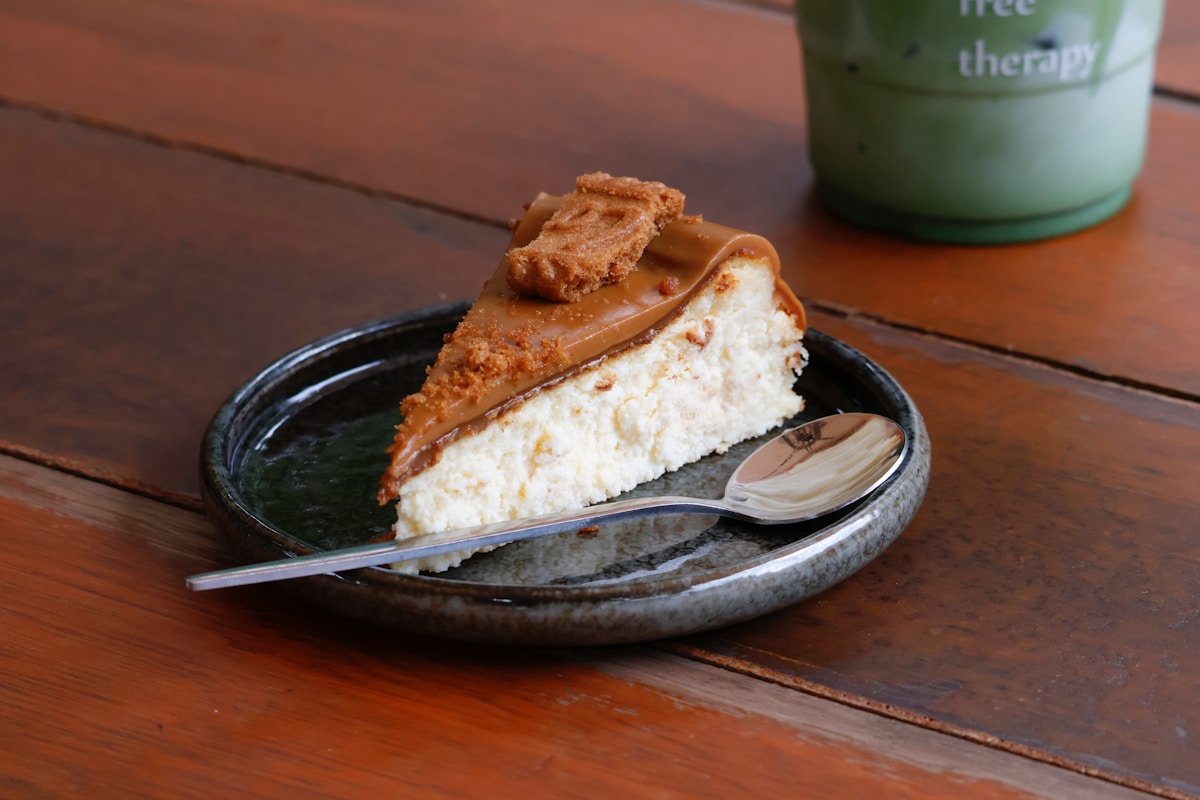
Have you ever been scrolling through your social media feed and stopped dead in your tracks, mesmerized by a dessert so impossibly beautiful it looked more like architecture than food? I’m talking about the legendary cheesecake layer cake. A perfect slice reveals a secret—a dense, creamy, entire cheesecake nestled between layers of fluffy sponge, often with a vibrant ribbon of fruit jam. My first thought was, “How in the world does that not collapse?” It felt like kitchen magic, a delightful puzzle I was determined to solve.
This incredible creation isn’t just a dessert; it’s a story of fusion. It’s the meeting of two beloved traditions: the towering, celebratory American layer cake and the rich, sophisticated European-style baked cheesecake. The result is a showstopper that promises the best of both worlds in every single bite. But achieving that perfect balance of textures and structural integrity requires more than just good recipes—it requires a bit of engineering. So, let’s pull back the curtain and uncover the secrets to building this magnificent dessert in your own kitchen.
The Three Pillars Your Cake Must Have
Before you even think about stacking, you need to ensure each component is designed for success. A cheesecake layer cake is like a delicious building; it’s only as strong as its foundation and core materials. There are three non-negotiable pillars to get right.
-
The Cake Layers: This is not the time for an ultra-light, delicate angel food or chiffon cake. You need a cake with some personality and strength! A sturdy butter cake or a vanilla cake that uses the reverse creaming method is an excellent choice. These cakes have a tighter, more stable crumb that can handle the significant weight of a cheesecake without compressing into a sad, dense pancake. I recommend baking two 8-inch or 9-inch cake layers, ensuring they are completely cool before you even think about leveling them.
-
The Cheesecake Core: The star of the show needs to be firm, dense, and baked. A no-bake cheesecake will simply turn to liquid under pressure. A classic New York-style cheesecake is the perfect candidate. Its dense, creamy texture holds its shape beautifully. The key is to bake it in a springform pan that is the exact same diameter as your cake pans. This ensures a perfect fit with no awkward gaps. Pro tip: bake your cheesecake a day ahead. This gives it ample time to chill in the refrigerator overnight, which is crucial for firmness.
-
The Berry Reduction & Dam: While the cake and cheesecake are rich and creamy, a layer of bright, tart fruit cutting through it all is what makes this dessert sing. A simple reduction of mixed berries (raspberries, blueberries, blackberries) with a little sugar and lemon juice works wonders. Cook it down until it’s thick like a jam and, most importantly, let it cool completely. A warm filling will melt your frosting and create a disaster. This filling needs to be contained, which is where the buttercream “dam” comes in—a sturdy ring of frosting that holds the berry filling in place.
The Architecture of Deliciousness Step-by-Step
Assembly is where the magic—and the engineering—truly happens. It’s a process that rewards patience and a cold environment. Rushing this stage is the number one reason these cakes fail. Follow these steps meticulously, and you’ll be rewarded with a structurally sound masterpiece.
The Golden Rule (My Essential Kitchen Hack): Your fully chilled cheesecake layer must be frozen solid. I mean rock-solid. Wrap it well in plastic wrap and place it in the freezer for at least 2-3 hours before assembly. A frozen cheesecake is incredibly easy to handle; you can pick it up and place it without any fear of it breaking or smushing. It also acts as a cooling core, helping the entire cake set up faster. (Trust me, this changes everything.)
Here is the assembly process:
- Level Your Layers: Use a long, serrated knife or a cake leveler to slice off the domed tops of your cake layers. You need two perfectly flat surfaces for a stable stack.
- Build the Dam: Place your first cake layer on your cake stand or serving plate. Fit a piping bag with a large round tip and fill it with your sturdy buttercream. Pipe a thick, even ring of frosting around the top perimeter of the cake layer. This wall will hold your berry filling.
- Add the Filling: Spoon your completely cooled berry reduction into the center of the buttercream dam. Spread it into an even layer.
- Place the Cheesecake: Unwrap your frozen cheesecake layer. Carefully lift it and center it directly on top of the berry filling. Gently press it down to secure it.
- Repeat and Top: Pipe another buttercream dam on top of the cheesecake layer. Fill it with more berry reduction. Finally, place your second cake layer on top, bottom-side-up, for an extra-flat surface. Press down gently to create a compact, stable tower.
Why Swiss Meringue Buttercream Is Your Best Friend
Not all frostings are created equal, especially when it comes to a heavy-duty job like this. While American buttercream is delicious, it can be too sweet and lacks the structural integrity needed here. The undisputed champion for this cake is Swiss Meringue Buttercream (SMBC).
Why is it so perfect? First, its stability is unmatched. Made by heating egg whites and sugar over a double boiler before whipping them into a meringue and adding butter, SMBC is incredibly dense and smooth. It won’t bulge or sag under the weight of the cheesecake. It’s like edible cement. (The delicious, silky kind.)
Second, its flavor is sublime. It’s significantly less sweet than its American counterpart, with a rich, buttery flavor that complements the cake and cheesecake without overpowering them. This balance is crucial in a dessert that is already so rich.
Finally, it chills to a firm, almost clay-like consistency, making the final crumb coat and frosting process a dream. A thin crumb coat traps in any loose crumbs. Chill the cake for 30 minutes, and then apply your final, beautiful layer of frosting.
The Final Chill and the Perfect Slice
Once your cake is fully assembled and frosted, its journey is not quite over. It needs one final, long rest. Place the entire cake in the refrigerator for at least 6 hours, but preferably overnight. This crucial step allows the buttercream to harden completely, the layers to settle, and the flavors to meld together into a harmonious whole. The frozen cheesecake core will gently thaw to the perfect creamy consistency while helping to keep the entire structure cool and firm.
When you’re ready to serve, the big reveal is at hand. For those perfect, clean slices you see in photos, use a long, sharp chef’s knife. Dip the blade in hot water, wipe it dry, and make one firm, clean cut from top to bottom. Clean the knife between each and every slice. This little bit of effort prevents the layers from smearing and ensures each guest sees the beautiful architecture you worked so hard to create.
Taking that first bite is a revelation: the soft, yielding vanilla cake, the sudden, delightful density of the cool cheesecake, and the bright, acidic burst of berry. It’s a symphony of textures and flavors that tells a story of modern baking—a little bit of tradition, a little bit of science, and a whole lot of delicious fun.