What Baking Sheet Makes the Best Cookies?

What Baking Sheet Makes the Best Cookies?

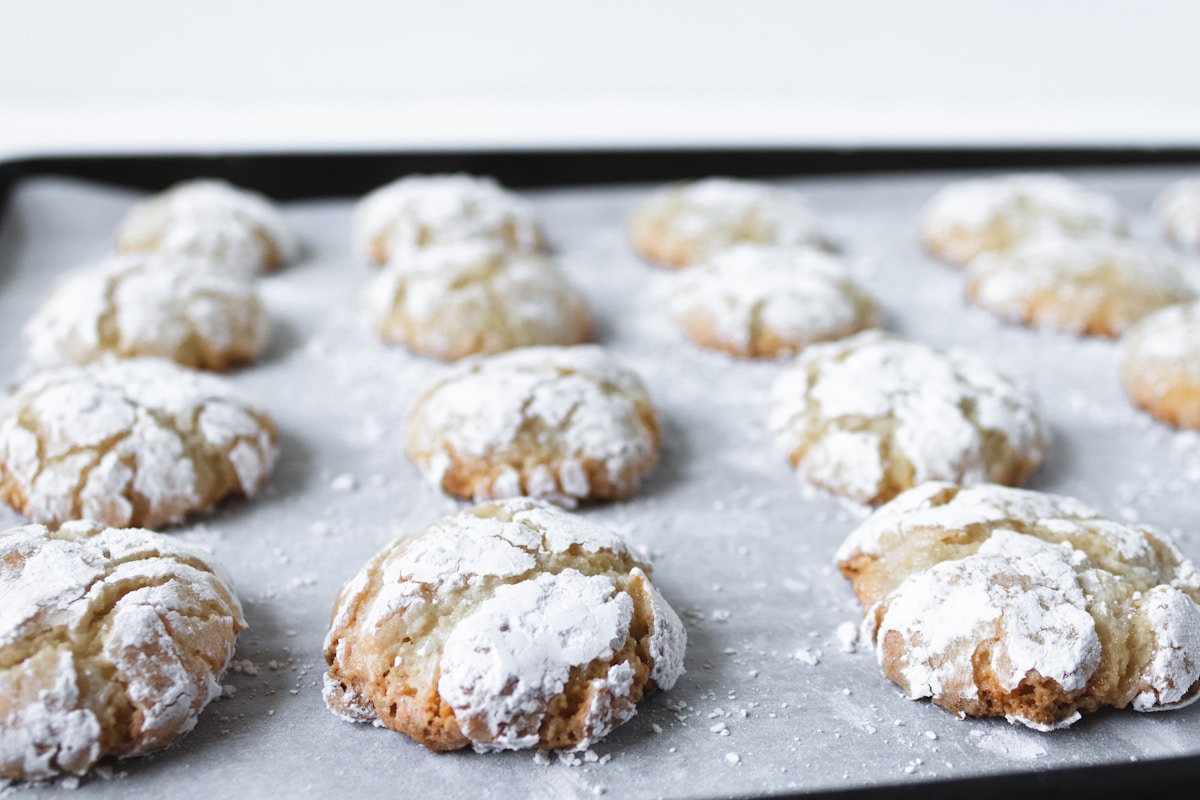
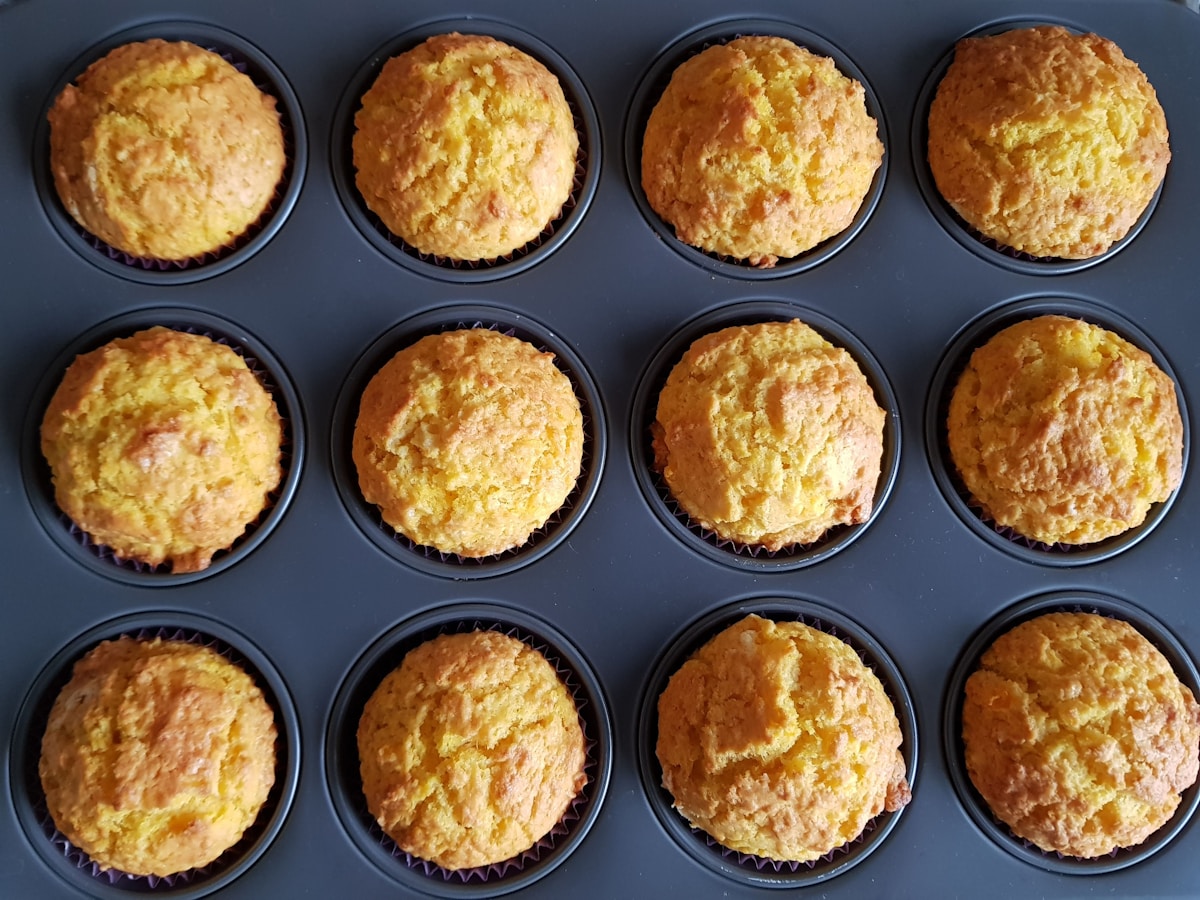
You pull a tray of cookies from the oven, excited for that perfect golden edge and chewy center. Instead, you find burnt bottoms, uneven browning, and a kitchen full of disappointment. Sound familiar? That Reddit user who shared their second cookie attempt knows the feeling. After their first batch overbaked, they switched from a thin, dark baking sheet to something better and got picture-perfect results. The difference? The sheet itself. Over the past several weeks, I tested a dozen different pans to answer the question: what makes a baking sheet truly great for cookies?

Can an Oven Thermometer Fix Cheesecake Hot Spots?

Can an Oven Thermometer Fix Cheesecake Hot Spots?

The Cheesecake That Looks Like a Wheel of Cheese (But Not in a Good Way)

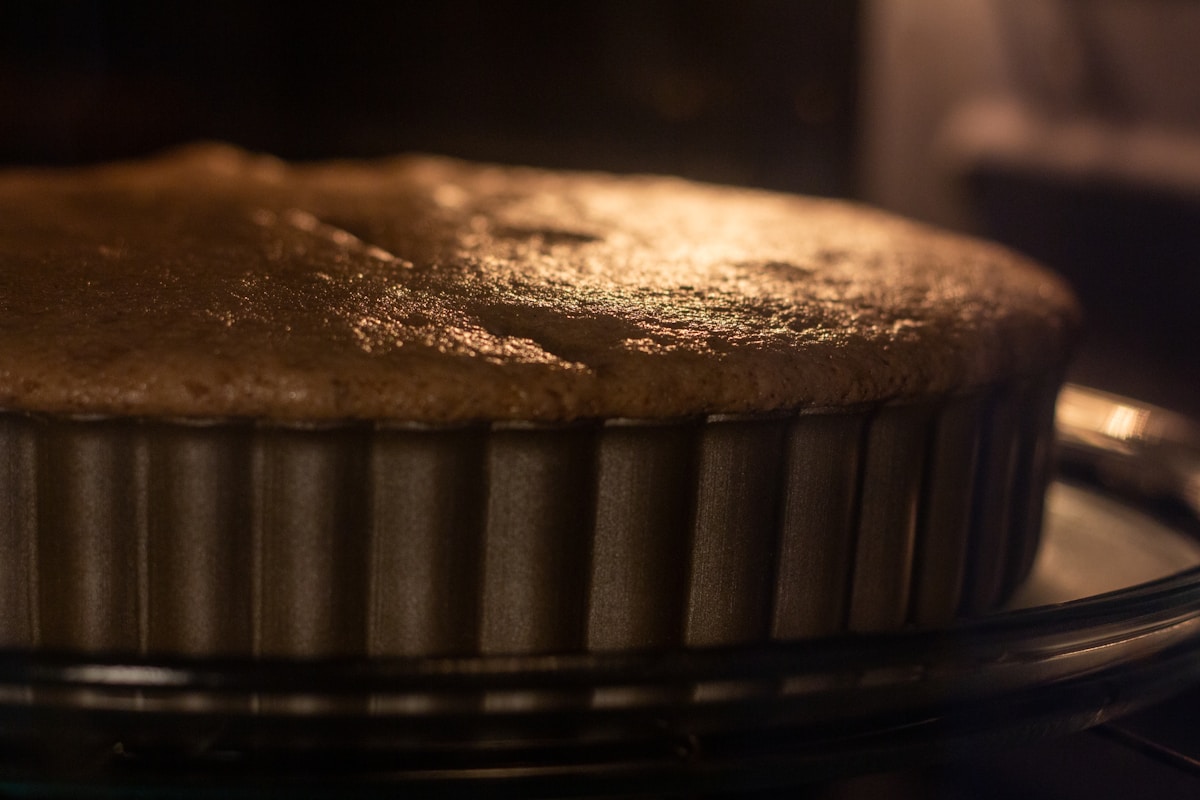
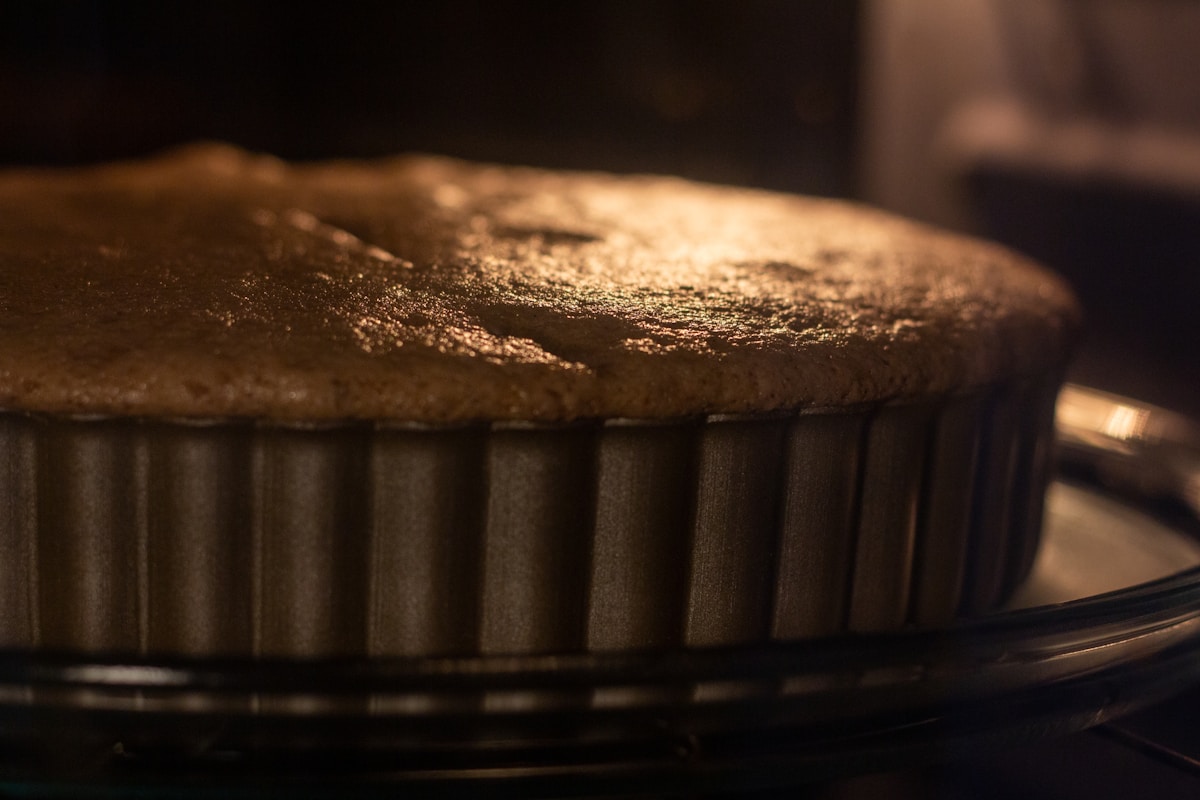
Picture this: You’ve spent hours carefully mixing cream cheese, eggs, and sugar. You’ve wrapped the springform pan in foil, built a water bath, and slid your cheesecake into the oven with high hopes. Forty-five minutes later, you open the door and see it — the edges are dark and cracked, the center is still jiggly, and one side is noticeably more browned than the other. Your dream of a smooth, golden cheesecake has turned into something that looks more like a wheel of cheese that got left out in the sun. I’ve been there, and so have countless bakers on r/AskBaking. The culprit? Oven hot spots and inaccurate temperature readings.

How Do I Bake Multiple Cake Layers Evenly in One Oven

How Do I Bake Multiple Cake Layers Evenly in One Oven

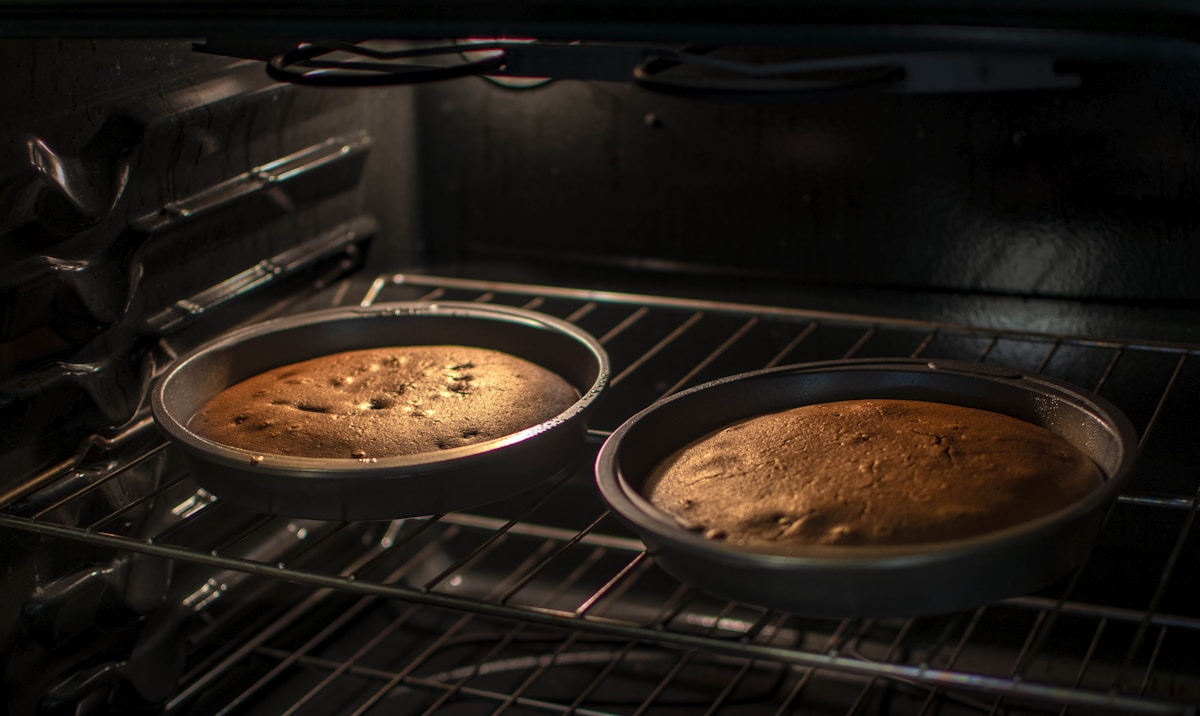
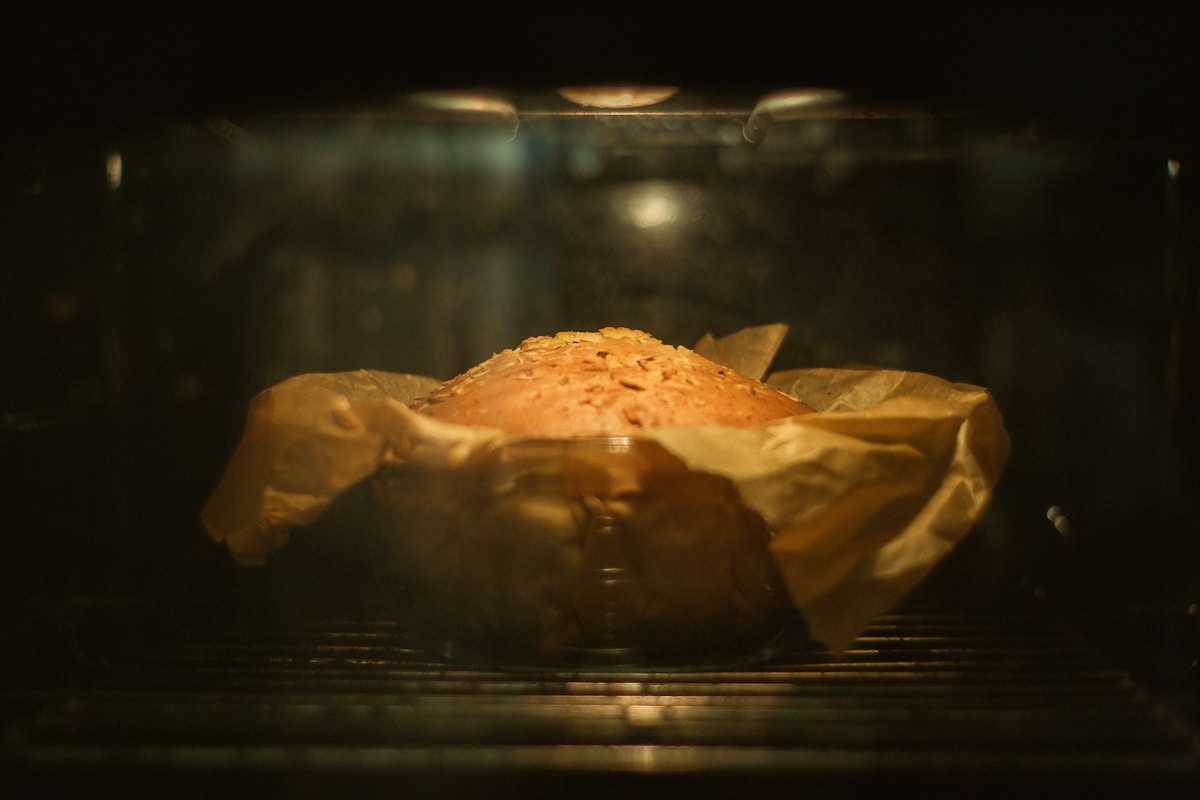
It’s a moment every home baker knows. You’ve measured with precision, creamed your butter and sugar into a fluffy cloud, and gently folded in your flour. Your batter is perfect. You divide it evenly between three identical pans, slide them into your preheated oven, and set the timer, dreaming of the perfectly stacked layer cake to come.

How Can I Fix My Ovens Annoying Hot Spots for Even Baking

How Can I Fix My Ovens Annoying Hot Spots for Even Baking

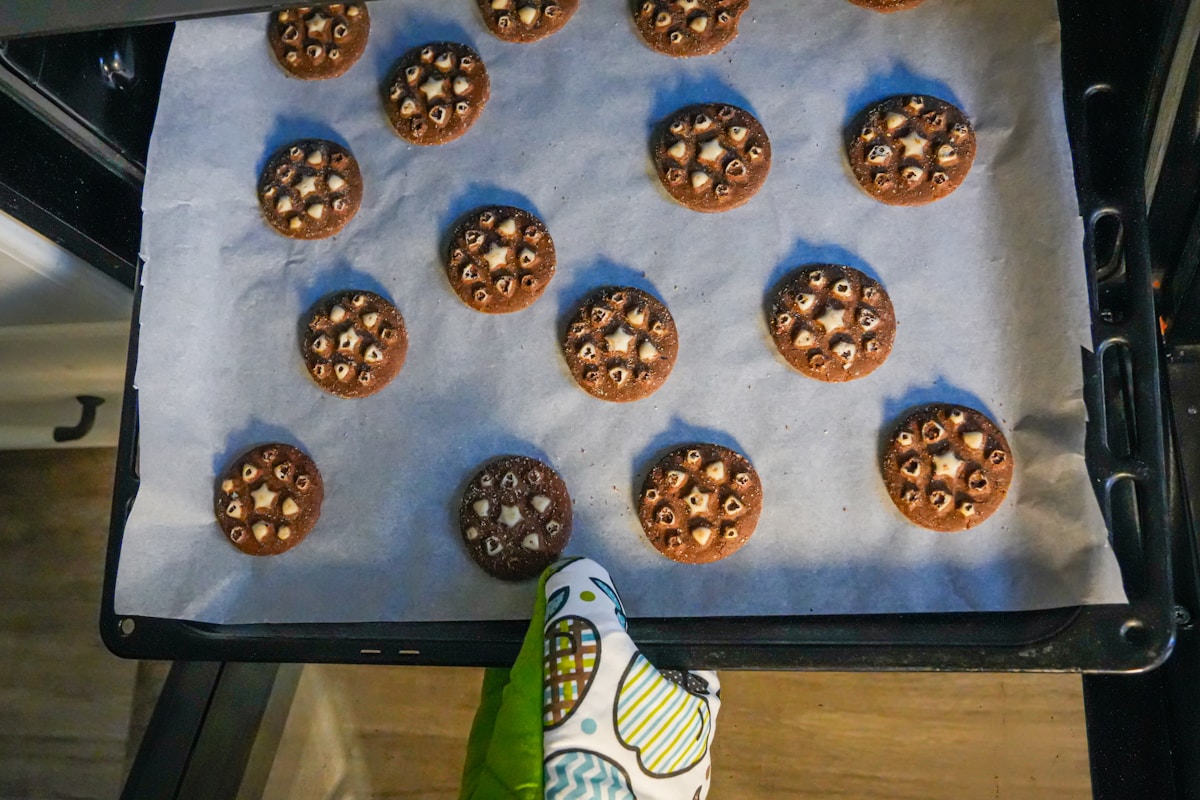
You know the feeling. The timer goes off, and you pull a tray of what should be perfect chocolate chip cookies from the oven. But it’s a scene of culinary tragedy. The cookies in the back are dark brown, with crispy, almost-burnt edges. The ones in the front look pale and doughy, clearly needing more time. Or maybe it’s the birthday cake that looks gloriously golden on top, but a tester comes out coated in wet batter from the center.

How Can I Get Perfectly Flat and Even Cake Layers Every Time

How Can I Get Perfectly Flat and Even Cake Layers Every Time

You’ve done everything right. You followed the recipe to the gram, used room temperature eggs, and sifted your flour. You divide the batter perfectly between three identical pans and slide them into your preheated oven with a hopeful heart. Thirty minutes later, you pull them out and face the classic baker’s frustration: one cake is perfectly flat, one has a dome worthy of a national monument, and the third looks like a geological slump.

Why Does My Cake Burn on the Edges and Stay Raw Inside?

Why Does My Cake Burn on the Edges and Stay Raw Inside?

You’ve done everything right. You followed the recipe to the letter, measured your flour perfectly, and even let your eggs come to room temperature. You preheat the oven, set the timer, and slide your beautiful cake batter in, full of hope. But when the timer dings, you’re met with that all-too-common tragedy: dark, over-baked edges that threaten to turn into crust, and a gooey, under-baked center that sinks sadly as it cools.

Does Your Cake Pan Material Really Change How It Bakes?

Does Your Cake Pan Material Really Change How It Bakes?

Hey there, Lucas here from kitchen-fun.com. Let’s talk about a moment of pure baking frustration. You’ve followed a recipe to the letter. You measured your flour perfectly, brought your eggs to room temperature, and creamed your butter and sugar into a fluffy cloud. You divide the batter evenly between two cake pans, pop them into a preheated oven, and set the timer.

How Can I Get My Cakes to Bake Evenly Every Time?

How Can I Get My Cakes to Bake Evenly Every Time?

You did everything right. You measured the flour perfectly, brought your eggs to room temperature, and creamed the butter and sugar until it was impossibly light and fluffy. You divided the batter with painstaking precision between two identical cake pans. You slid them into the preheated oven, set the timer, and waited for the magic to happen.

How Can I Get Multiple Cake Layers to Bake Evenly in My Oven?

How Can I Get Multiple Cake Layers to Bake Evenly in My Oven?

That Sinking Feeling of Uneven Cakes

We’ve all been there. You’ve followed the recipe for that three-layer birthday cake to the letter. You meticulously measured your flour, creamed the butter and sugar into a pale, fluffy cloud, and gently folded in your dry ingredients. You divide the batter with the precision of a scientist, pouring equal amounts into three identical pans. You place them in the preheated oven with high hopes. When the timer dings, you pull them out, and your heart sinks.

How Can I Bake Three Perfect Cake Layers at Once?

How Can I Bake Three Perfect Cake Layers at Once?

It’s a moment every ambitious home baker knows. The timer chimes, and you pull three beautiful pans of cake from the oven, the aroma of vanilla and butter filling your kitchen. But a closer look reveals a frustrating reality: one layer is perfectly golden, another has a pale, sunken center, and the third is threatening to burn at the edges. The dream of a majestic, perfectly stacked three-tier celebration cake suddenly feels a bit wobbly.

Are Metal Cake Pans Really Better Than Silicone for Baking

Are Metal Cake Pans Really Better Than Silicone for Baking

You’ve been there. You followed the recipe perfectly. You measured your flour, creamed the butter and sugar until fluffy, and preheated the oven to exactly 350°F (175°C). But when the timer dings, you pull out three cake layers that look like distant, estranged cousins. One is perfectly golden, one is pale and sad, and the third has a weirdly dense bottom.

Why Are My Cakes Pale and Dense in a Silicone Pan?

You did everything right. You measured your flour perfectly, brought your eggs to room temperature, and creamed the butter and sugar until it was light and fluffy. You slid the pan into your preheated oven with high hopes, only to pull out… a disappointment. The cake is pale, the edges are soft instead of crisp, and the texture is dense and a little gummy. Sound familiar?

How Do I Stop My Cookies from Burning on the Bottom?

How Do I Stop My Cookies from Burning on the Bottom?

It’s a moment every baker dreads. You smell it before you see it—that sharp, acrid scent of sugar turning to carbon. You pull the tray out of the oven and there they are: cookies with perfectly golden-brown tops, maybe even a little doughy, but with bottoms as black as charcoal. I saw someone mention this exact problem recently when their dandelion shortbread went from delicate to disastrous in a matter of minutes. It’s a common frustration, but I’m here to tell you it’s almost always a solvable one. And no, you don’t need to buy a new oven.

How can I test my oven for hot spots and bake more evenly?

How can I test my oven for hot spots and bake more evenly?

We’ve all been there. You followed the recipe to the letter. Your dough was perfect, the temperature was set precisely, and you even preheated the oven for a full 20 minutes. Yet, when the timer dings, you pull out a tray of muffins where half have exploded into glorious, golden domes and the other half look like sad, pale little hills. Or worse, a sheet of cookies with a clear dividing line between “perfectly chewy” and “carbonized hockey puck.”

Do insulated cake pans really stop cakes from doming?

Do insulated cake pans really stop cakes from doming?

We’ve all been there. You followed the recipe to the letter. You preheated the oven, mixed your batter just right, and poured it into your trusty cake pan. After 30 minutes of delicious smells filling your kitchen, you pull it out and see… the dome. That mountain in the middle of your otherwise beautiful cake layer that you now have to saw off, wasting cake and creating a pile of crumbs before you can even think about frosting.

Why Do My Cake Layers Bake Unevenly in the Same Oven?

Why Do My Cake Layers Bake Unevenly in the Same Oven?

You’ve done everything right. You followed the recipe to the gram, your butter was perfectly softened, and you folded the flour with the care of a surgeon. You pour the batter evenly into three identical 8-inch cake pans, slide them into your preheated oven, and set the timer. When it dings, you pull them out to find a baking disaster: one layer is perfectly golden, another has a burnt edge and a sunken middle, and the third looks pale and underdone.

How Do I Bake Multiple Cake Layers Evenly at Once

How Do I Bake Multiple Cake Layers Evenly at Once

You’ve done everything right. You followed the recipe to the gram, your butter was perfectly room temperature, and you folded the dry ingredients with the care of a surgeon. You divide the batter evenly between three 8-inch pans, slide them into your preheated oven, and set the timer. The dream is a towering, perfectly level three-layer cake.

Do Cake Strips Really Stop Cakes From Doming?

You know the moment. You pull your beautiful cake layers from the oven, only to see it: the dreaded dome. A puffy, cracked mountain rises from the center of each pan, while the edges are thin, dry, and slightly over-baked. You’re now faced with a choice — level it with a serrated knife, wasting a third of your hard work, or stack a wobbly, unstable layer cake that looks like it’s about to fall over.

Do Baking Strips Really Stop Cakes From Doming?

Do Baking Strips Really Stop Cakes From Doming?

Let’s be honest. You’ve been there. You followed the recipe for that glorious three-layer birthday cake to the letter. You measured your flour perfectly, brought your eggs to room temperature, and creamed the butter and sugar into a fluffy cloud. The batter was perfect. But when you pull the pans from the oven, your heart sinks a little. Instead of a set of flat, stackable canvases for your frosting masterpiece, you have three miniature volcanoes, each with a rounded dome and cracked, slightly darker edges.