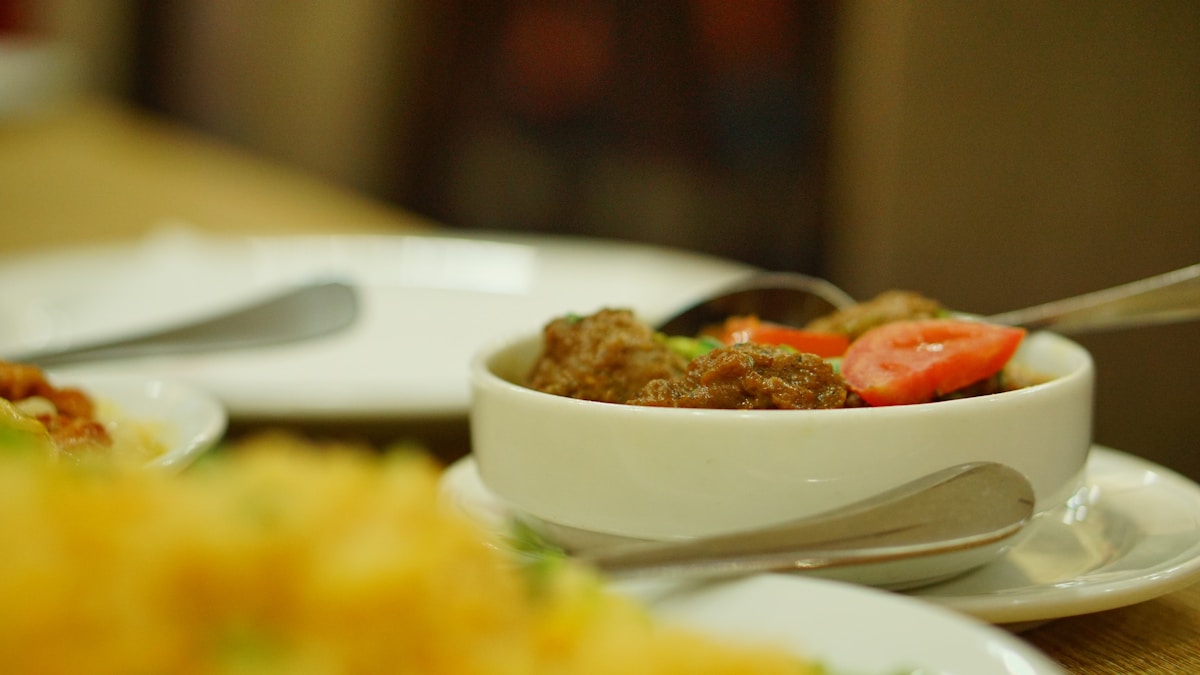
Have you ever experienced this specific kind of kitchen heartbreak? You’ve had a beef stew bubbling away in the slow cooker all day. Your home smells absolutely incredible. You lift the lid, expecting fall-apart, melt-in-your-mouth perfection. You poke a piece of beef with a fork, and it shreds beautifully. Victory!
But then you take a bite. The texture is… stringy. It’s tender, yes, but it’s also strangely dry. How is that even possible? It was swimming in liquid for eight hours!
If this has happened to you, please know you’re not alone. This is one of the most common and confusing slow cooker mysteries out there. It feels like it defies the laws of cooking. But I promise, it makes perfect sense once you understand what’s happening inside that cozy ceramic pot. Let’s break it down, because getting this right is the key to unlocking the true magic of your slow cooker.
The Great Slow Cooker Paradox: Tender Doesn’t Always Mean Juicy
It seems impossible, right? How can meat be both falling apart and dry? The answer lies in understanding that we’re dealing with two different parts of the meat: the muscle fibers and the connective tissue.
Think of a piece of beef like a bundle of tiny straws (the muscle fibers) all held together by a web of plastic wrap (the connective tissue).
-
Connective Tissue (The Plastic Wrap): This is tough stuff, full of a protein called collagen. When you cook it low and slow for a long time, this collagen magically melts and transforms into rich, silky gelatin. This gelatin is what gives a great stew that luscious, lip-smacking body and coats the meat in moisture. When your meat is “falling apart,” it means you’ve successfully melted this connective tissue. That’s goal number one.
-
Muscle Fibers (The Straws): These fibers contain all the meat’s natural moisture. When you apply heat, they start to contract and squeeze out that moisture. A gentle, low heat does this slowly. But if the heat is too high, or goes on for too long, those fibers will contract so tightly that they expel all of their moisture. They can’t reabsorb the liquid in the pot, no matter how much is there.
So, the paradox is solved: You can successfully melt the connective tissue (making the meat fall apart) while simultaneously overcooking the muscle fibers (making them dry and stringy). You’ve won half the battle, but the wrong half for texture!
Not All Beef Is Created Equal: The ‘Stew Meat’ Trap
Here is the single biggest secret to amazing stew: The package of pre-cubed “stew meat” at the grocery store is often not your friend. (I know, it’s so convenient!)
This meat is typically trimmings from leaner, tougher cuts like beef round. These cuts have very little of that magical collagen and not much intramuscular fat (marbling). When you cook a lean piece of meat for a long time, there’s no collagen to melt into gelatin and no fat to render and keep things moist. All you’re left with are those squeezed-out muscle fibers we just talked about.
So, what should you buy instead? Your new best friend is the Chuck Roast.
A chuck roast comes from the shoulder of the cow, a hard-working muscle that is riddled with fat and connective tissue. It looks tough and webby before you cook it, but that’s exactly what you want! That webbing is the collagen that will melt into glorious gelatin, basting the meat from the inside out as it cooks.
Kitchen Hack: Instead of buying the pre-cut cubes, buy a whole 2-3 pound boneless chuck roast. You can ask the butcher to cube it for you, or you can easily do it yourself at home. Cut it into generous 1.5 to 2-inch cubes. This gives you complete control over the quality of your stew’s foundation.
The High vs. Low Debate: Why Patience Is Everything
Many slow cooker recipes give you two options: 4-5 hours on HIGH or 7-8 hours on LOW. When it comes to tough cuts like chuck roast, the LOW setting is the only way to go. The tortoise always, always wins this race.
The HIGH setting on most slow cookers (like the classic Crock-Pot brand) brings the contents to a boil, hovering around 300°F (150°C). This faster, more aggressive heat can cause the muscle fibers to seize up and toughen before the collagen has a chance to gently melt. It rushes the process and increases your risk of dry meat.
The LOW setting brings the food to a gentle simmer, usually around 200°F (95°C). This is the perfect temperature range to slowly and lovingly break down all that connective tissue into gelatin, which then keeps the muscle fibers feeling juicy and moist, even as they cook through.
For a standard 2.5-3 lb chuck roast, your target cooking time should be 7-8 hours on LOW. Don’t be tempted to rush it. And try not to peek! Every time you lift the lid, you release a significant amount of heat, potentially adding another 20-30 minutes to your cooking time.
A Simple Blueprint for Perfectly Juicy Stew
Ready to put it all into practice? Let’s walk through the steps. This isn’t a full recipe with exact vegetable measurements, but a technique blueprint you can adapt.
-
Get the Right Meat: Buy a 2.5-3 lb boneless chuck roast and cut it into 1.5-inch cubes. Pat them completely dry with paper towels (this is key for a good sear) and season them very generously with salt and pepper.
-
Brown the Beef: This is a non-negotiable step for flavor! Heat a tablespoon of a neutral oil (like canola or vegetable) in a heavy-bottomed pan or Dutch oven (a Lodge cast iron skillet works beautifully) over medium-high heat. Add the beef in a single layer, being careful not to crowd the pan. (Work in batches if you have to!) Sear the cubes for 2-3 minutes per side, until they are deeply and gloriously brown. This isn’t about cooking them through; it’s about creating flavor through the Maillard reaction. Transfer the browned beef to your slow cooker.
-
Build Your Base: In the same hot pan, add your chopped onions, carrots, and celery. Sauté for 5-7 minutes, scraping up all those delicious browned bits from the bottom of the pan with your spoon. This is called “fond,” and it’s pure flavor gold.
-
Assemble and Cook: Add the cooked vegetables to the slow cooker with the beef. Pour in your liquid—beef broth is great—until it comes about halfway up the meat. You don’t need to submerge it completely; it will create its own juices. Add any herbs, like a bay leaf or some thyme. Secure the lid, set it to LOW, and walk away for 7-8 hours.
-
Finish Strong: In the last hour, you can add cubed potatoes if you like. When it’s done, the meat should be incredibly tender. If you want to thicken the gravy, remove a cup of the hot liquid, whisk it with two tablespoons of cornstarch to make a slurry, and stir it back into the slow cooker. Let it cook on high for 15 more minutes to thicken up.
Try This Tonight
Feeling a little nervous about committing to a whole giant pot of stew? I get it. Let’s build your confidence with a mini-mission.
Tonight, just buy a single pound of chuck roast. Cube it up, season it, and give it a really good, dark brown sear in a hot pan. You don’t even need vegetables. Just pop that beautifully browned beef into your slow cooker with about a cup of beef broth or even just water. Set it on low and let it go for 5-6 hours.
When it’s done, just fish out a cube and taste it. Don’t worry about making it a meal. This is just for you. Experience that texture—the way it’s so rich, tender, and juicy. That’s the feeling you’re aiming for. Once you know what it’s supposed to taste like, you’ll be ready to make a full pot of perfect stew with all the confidence in the world. You’ve got this.