Should You Replace Water with Broth in Soup Recipes?

Should You Replace Water with Broth in Soup Recipes?

The Great Broth vs Water Debate

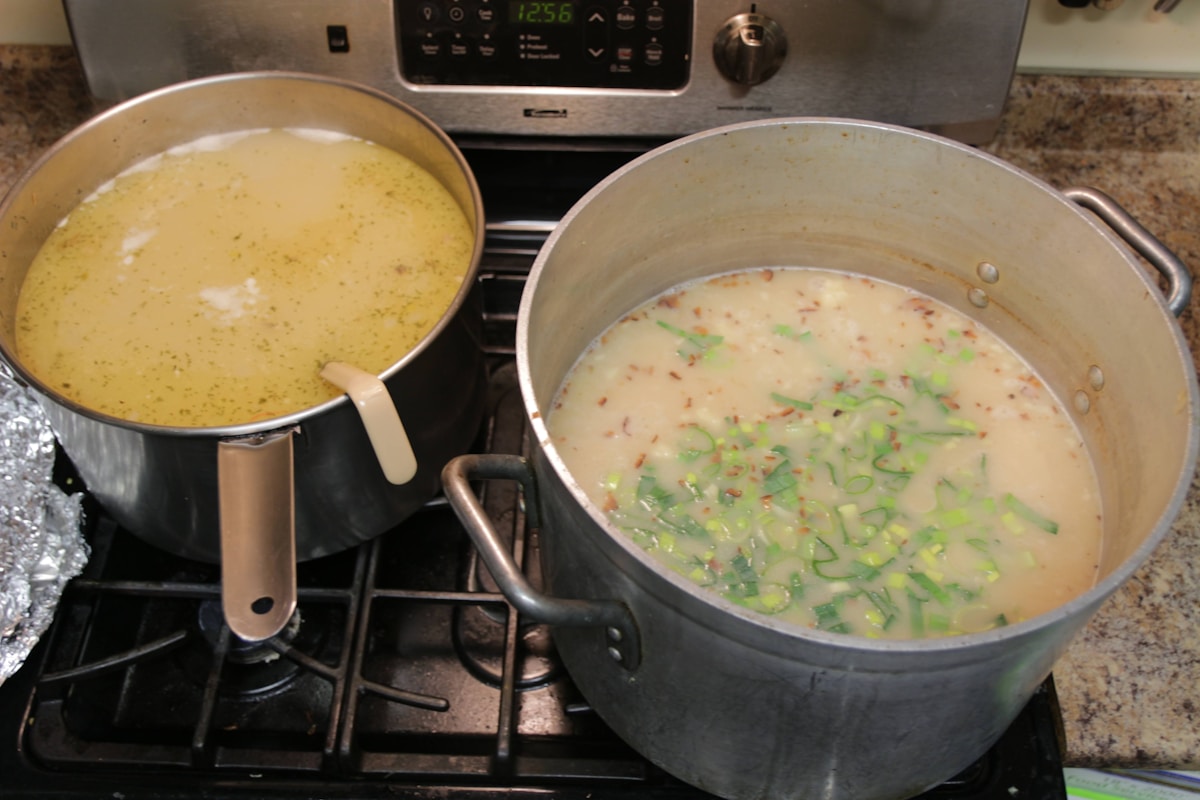
You’re standing at the stove, soup recipe in hand, and it says “add 4 cups of water.” But you just bought a carton of chicken broth from the store, and it feels like a missed opportunity. Surely more broth equals more flavor, right? This is exactly the dilemma that sparked a heated thread on Reddit’s r/Cooking community back in April 2025. One user confessed they always swap water for extra broth, while their mom insisted on following the original recipe. The comments were split—some agreed with the user, others defended the recipe as written. So who’s right? As with most cooking questions, the answer is: it depends. But don’t worry—I’m going to walk you through the simple logic so you can make the call with confidence next time you’re ladling.

Can You Replace All Water with Broth in Soup Without Ruining It?

Can You Replace All Water with Broth in Soup Without Ruining It?

The Great Soup Debate: Water vs. Broth

Have you ever stood in your kitchen, staring at a pot of soup, and thought, “More broth must mean more flavor, right?” I certainly have. A Reddit user recently shared that they replaced all the water in their grandmother’s soup recipe with extra broth, only to have their mother warn against it. The internet went wild, and for good reason: this simple swap can make or break your soup. As a beginner cook, you might wonder if using all broth is the secret to restaurant-quality soup or a one-way ticket to salt city. Let’s break it down.

Why Does My Pan-Seared Steak Always Turn Out Grey and Tough

Why Does My Pan-Seared Steak Always Turn Out Grey and Tough

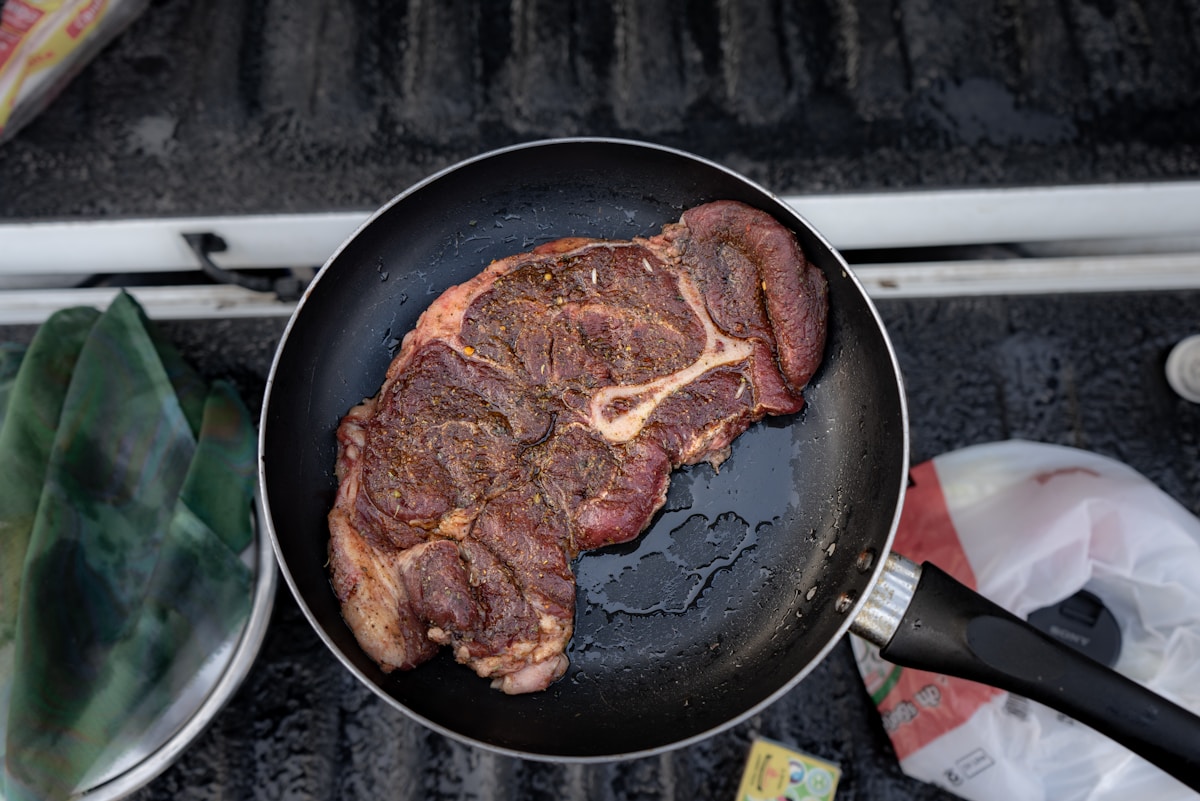
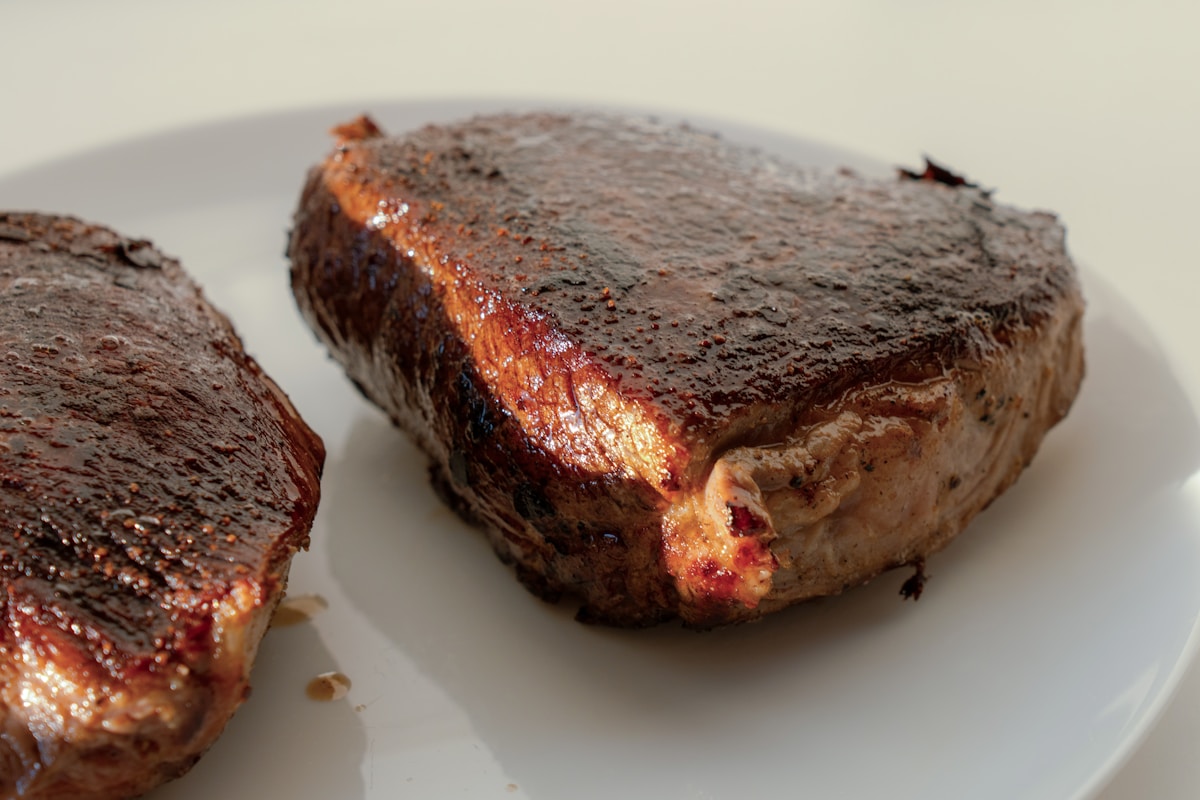
Let’s paint a picture. You’re at the grocery store, and you decide today is the day. You pick out a beautiful, thick-cut steak. It looks incredible. You get home, you’re excited. You heat up a pan, toss it in, and… things go wrong. Instead of that deep, crackly, dark brown crust you see in restaurants, you get a patchy, sad, grey piece of meat swimming in its own juices. It tastes… fine, I guess? But it’s not the steak you dreamed of.

Can I Just Cut The Mold Off My Fruits And Vegetables?

Can I Just Cut The Mold Off My Fruits And Vegetables?

You reach into the crisper for that beautiful bell pepper you were planning for tonight’s stir-fry, and there it is. A small, fuzzy, white or bluish-green spot staring back at you. Your heart sinks a little. The immediate thought is, “Can I just… cut that part off?” We’ve all been there, holding a piece of produce, caught between wanting to avoid waste and worrying about food safety.

How Can I Tell When My Steak Is Done Without a Thermometer

How Can I Tell When My Steak Is Done Without a Thermometer

Let’s be honest for a second. Standing over a hot, sizzling pan with a beautiful, expensive steak in it can feel a little like trying to defuse a bomb. There’s the sizzle, the incredible smell, the timer ticking in your head. You have one mission: do not, under any circumstances, overcook this steak. We’ve all been there, poking it nervously with a fork, wondering if this is the moment it transforms from a juicy, perfect medium-rare into a sad, grey hockey puck.

Why Does My Steak Never Get a Good Brown Crust

Why Does My Steak Never Get a Good Brown Crust

Let’s be honest for a second. Have you ever spent good money on a beautiful steak, brought it home with visions of a sizzling, steakhouse-worthy dinner, only to end up with… a sad, gray, slightly rubbery piece of meat? The inside might be cooked okay, but the outside has none of that deep, dark, flavorful crust you were dreaming of. If you’re nodding along, please know you are not alone. This is one of the most common frustrations for new cooks, and it’s a hurdle I remember well.

How Do I Cook My First Steak Without Ruining It?

How Do I Cook My First Steak Without Ruining It?

Hello, friend! Welcome. Let’s talk about steak. I bet I know why you’re here. You’re standing in the kitchen, looking at a beautiful (and probably a little expensive) piece of red meat, and a tiny voice in your head is whispering, “Don’t mess this up.” I remember that feeling so clearly! The good news is, cooking a fantastic steak is way less about fancy techniques and way more about a few simple, core ideas. It’s one of those things that feels like a big culinary milestone, and I promise you, you are completely capable of nailing it on your very first try.

How Long Can Delivered Food Safely Sit On My Counter?

How Long Can Delivered Food Safely Sit On My Counter?

That magical sound of the doorbell rings, and your delicious, hard-earned dinner has arrived. You bring the fragrant bag inside, set it on the counter, and then… life happens. The dog suddenly needs to go out, your phone buzzes with a call from your mom, you get pulled into a five-minute video on social media. Before you know it, an hour has passed.

How Can I Reheat Lobster Without Making It Rubbery

How Can I Reheat Lobster Without Making It Rubbery

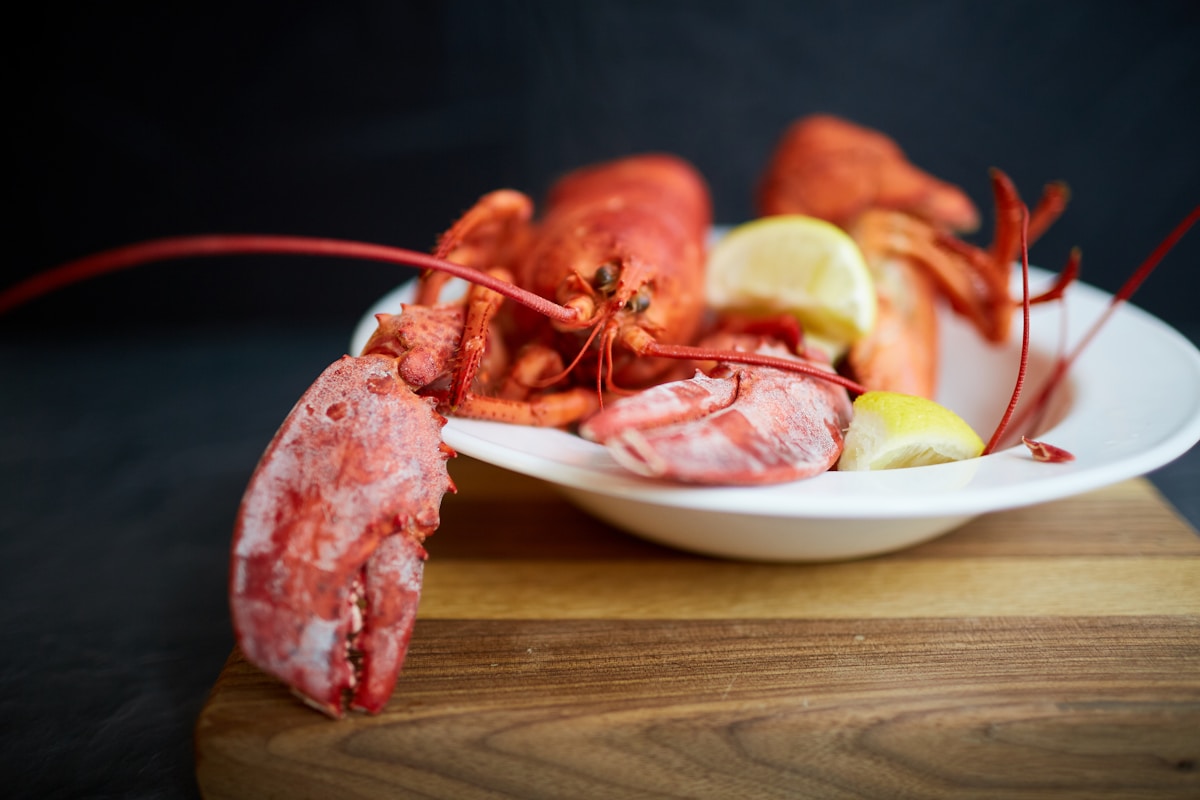
That little white takeout box in your fridge feels like it’s worth its weight in gold. Inside is the delicious remainder of a special lobster dinner. You were so excited to have it for lunch tomorrow, but now a tiny bit of panic is setting in. How do you reheat lobster without turning that sweet, tender meat into a sad, bouncy eraser?

Why Does My Pan Seared Steak Always Turn Out Grey?

Why Does My Pan Seared Steak Always Turn Out Grey?

Have you ever done this? You buy a beautiful, thick-cut steak. You’re picturing that perfect restaurant steakhouse crust—deeply brown, sizzling, and promising a world of flavor. You get your pan hot, you toss it in… and what you pull out a few minutes later is… well, it’s grey. And maybe a little tough. And definitely not the steak of your dreams.

Am I Making These Simple Mistakes In The Kitchen

Am I Making These Simple Mistakes In The Kitchen

I remember it so clearly. My first attempt at a “fancy” dinner for my friends. I was going to make a beautiful chicken and vegetable stir-fry. I had the recipe, I had the ingredients, and I had… a complete disaster. The chicken was pale and rubbery, and the vegetables were a sad, soggy pile swimming in a watery sauce. What went wrong?

How Can I Fix a Sunken or Broken Cake Layer

How Can I Fix a Sunken or Broken Cake Layer

It’s one of those kitchen moments that can make your heart sink right along with your cake. You followed the recipe, you watched it rise beautifully in the oven, and then… tragedy. A dip, a crack, or a full-on crater has appeared in the center of your masterpiece. Before you even think about tossing it in the bin, take a deep breath. I promise you, this is not a disaster. It’s a rite of passage for every baker, and it is absolutely fixable.

How Do I Cook My First Steak Without Ruining It?

How Do I Cook My First Steak Without Ruining It?

The other day, I saw something that made my heart sing: a photo from a 14-year-old who was proudly cooking his own birthday steak. He was excited, a little nervous, and asking for tips. It took me right back to my first time standing in front of a hot pan with a beautiful, expensive piece of meat, thinking, “Please don’t let me mess this up.”

Can I Make Amazing Pizza Dough Without A Stand Mixer

Can I Make Amazing Pizza Dough Without A Stand Mixer

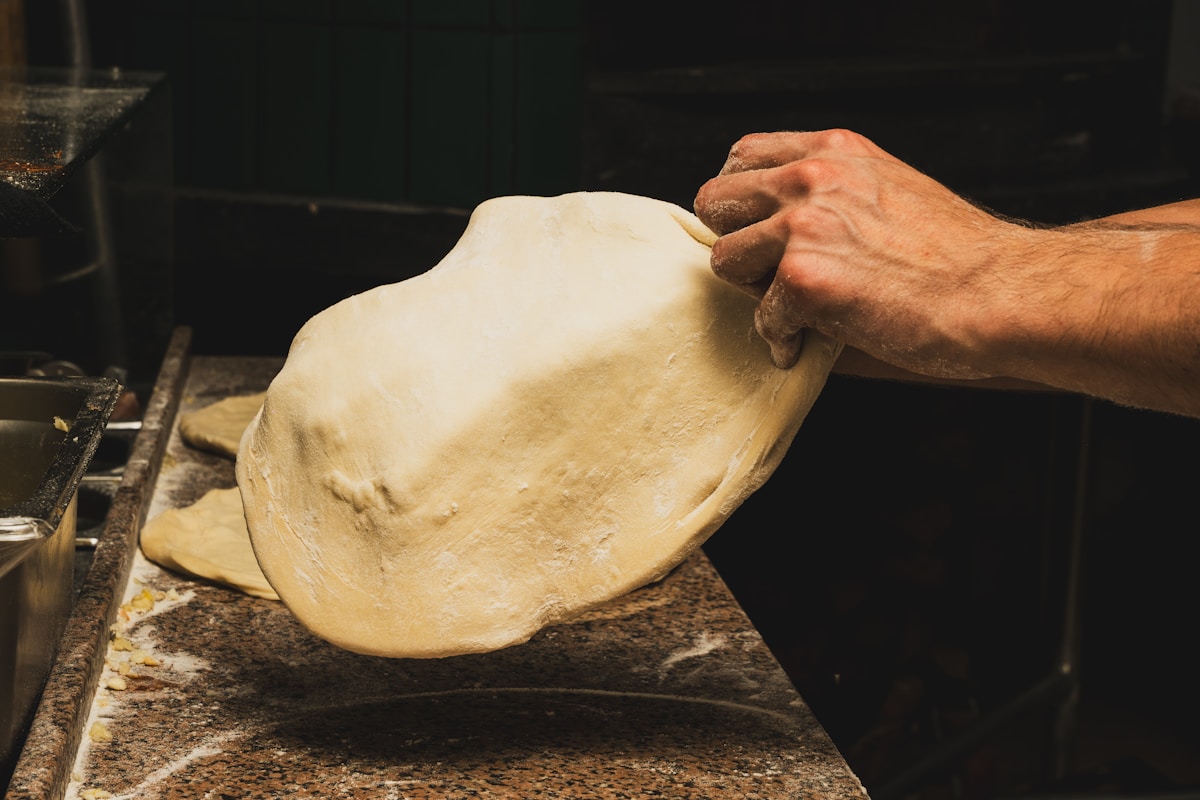
Let’s be honest for a second. Have you ever scrolled past a gorgeous photo of a homemade pizza—with that bubbly, golden crust and perfect cheese pull—and thought, “I could never make that”? For so many of us, the roadblock isn’t the toppings; it’s the dough. We have this image in our minds of a giant, expensive stand mixer, a KitchenAid humming away on the counter for ten minutes straight, wrestling a tough ball of dough into submission. If you don’t have one of those machines, homemade pizza feels completely out of reach.

Why Does My Steak Turn Gray Instead of Brown in the Pan?

Why Does My Steak Turn Gray Instead of Brown in the Pan?

You’ve done it. You splurged on a beautiful, thick-cut steak from the butcher. You can already imagine that perfect, dark-brown crust and the juicy, pink center. You get your pan hot (or so you think), toss it in with a sizzle, and… a few minutes later, you’re looking at a sad, pale gray slab of meat swimming in its own juices. Your heart sinks. What went wrong?

Does It Really Matter Where I Store Raw Meat In My Fridge

Does It Really Matter Where I Store Raw Meat In My Fridge

Let’s be honest, we’ve all done it. You get home from the grocery store, arms full, and the only goal is to get everything put away so you can finally sit down. The milk goes where it fits, the bag of lettuce gets shoved onto a shelf, and that package of raw chicken breasts? It lands wherever there’s an open spot. You close the door, job done. But what if I told you that this quick, seemingly harmless habit could be one of the biggest food safety mistakes you can make in your own kitchen?

Can I Make Crispy Pizza at Home in a Cast Iron Pan?

Can I Make Crispy Pizza at Home in a Cast Iron Pan?

Let’s be honest. We’ve all been there. You followed a pizza recipe, spent an hour prepping, and pulled your creation from the oven only to be met with… disappointment. The cheese looks good, the sauce is bubbly, but when you lift a slice, it does the sad, floppy fold. The bottom is pale, a little doughy, and has none of the glorious crunch you get from a pizzeria. It’s a moment that can make you want to put away the flour and just order takeout forever.

What Is the Most Important Skill for a Beginner Cook?

What Is the Most Important Skill for a Beginner Cook?

Hello there, and welcome! It’s Beatrice. I want you to picture a scene. It’s a Tuesday night. You’ve decided to cook something new. You pull up a recipe on your phone, glance at it, and turn on the stove. The pan gets hot, you drizzle in some oil, and you grab an onion to chop. As you’re frantically dicing, you realize you haven’t minced the garlic yet. The oil starts to smoke. You rush to throw the onion in, but now you can’t find the paprika the recipe calls for, and is that a teaspoon or a tablespoon? Before you know it, the garlic is burning, you’re stressed, and cooking feels more like a chaotic race than a joyful activity.

How can I improve my knife skills without getting hurt

How can I improve my knife skills without getting hurt

That big chef’s knife. It sits in the block, looking sharp, professional… and honestly, a little terrifying. We’ve all been there. You see chefs on TV gliding through onions like they’re soft butter, and then you look down at your own cutting board, where you’re slowly and awkwardly wrestling a carrot into uneven chunks. The whole process feels slow, clumsy, and one wrong move away from a trip to the emergency room.

How Can I Stop Buying Store-Bought Food When I Have No Time?

How Can I Stop Buying Store-Bought Food When I Have No Time?

It’s 6 p.m. on a Tuesday. You just walked in the door after a ten-hour workday, and the thought of figuring out dinner feels like climbing a mountain. You open the fridge, hoping for a miracle, and find half a bottle of ketchup and some sad-looking lettuce. So, you sigh, pull out your phone, and open a delivery app for the third time this week.

How Can I Learn to Chop Vegetables Faster and More Safely

How Can I Learn to Chop Vegetables Faster and More Safely

Does this sound familiar? You find a vibrant, exciting recipe for a stew or a stir-fry. Your mouth is already watering. You read the ingredient list, and then you see it: “3 carrots, finely diced,” “2 onions, chopped,” “1 bell pepper, julienned.” Suddenly, all the joy deflates. You picture the next thirty minutes of your life: painstakingly, slowly, and unevenly chopping a mountain of vegetables, with your knife feeling more like an enemy than a tool.

Why Are My Chopped Vegetables Always Uneven

Why Are My Chopped Vegetables Always Uneven

Let’s be honest. You’ve followed a recipe perfectly. You measured the spices, set the oven to the exact temperature, and then you look at your roasted vegetables. Half of them are burnt to a crisp, while the other half are still crunchy and raw. Sound familiar? It’s one of the most common frustrations in the kitchen, and the culprit usually isn’t the recipe or your oven. It’s the prep work. Specifically, it’s how you’re using your knife.

How can I stop being afraid of my chef's knife

How can I stop being afraid of my chef's knife

Let’s be honest for a moment. You’re standing at your kitchen counter, a beautiful, fresh onion in one hand and a big, shiny chef’s knife in the other. Your goal is a neat, tidy dice for your soup. The reality? A wobbly, uneven pile of onion bits, some too big, some paper-thin, and a lingering fear that your fingertip might be the next thing on the chopping block. If this sounds familiar, take a deep breath. You are not alone.