You reach into the crisper for that beautiful bell pepper you were planning for tonight’s stir-fry, and there it is. A small, fuzzy, white or bluish-green spot staring back at you. Your heart sinks a little. The immediate thought is, “Can I just… cut that part off?” We’ve all been there, holding a piece of produce, caught between wanting to avoid waste and worrying about food safety.
It’s one of the most common kitchen questions, and the answer isn’t a simple yes or no. But I promise, by the end of this, you’ll know exactly what to do with confidence. The rule is surprisingly simple, and it all comes down to one thing: the texture of the food. Let’s break it down together, because understanding the ‘why’ is the key to feeling in control in your kitchen.
The Iceberg Under the Surface Why Mold is Tricky
Before we divide our produce into a ‘keep’ pile and a ’toss’ pile, let’s talk for a second about what mold actually is. Think of that fuzzy spot you can see as the tiny tip of an iceberg. It’s the visible part, but it’s not the whole story.
Mold is a type of fungus that grows with a root-like structure, almost like a plant. These microscopic ‘roots,’ called hyphae, are like invisible threads that spread deep into the food. On some foods, these threads can’t get very far. On others, they can travel through the entire item, even if you can’t see them.
Along with these invisible threads, some molds can produce something called mycotoxins. These are poisonous substances that can make you sick. Because you can’t see the threads or the mycotoxins, simply cutting off the visible fuzzy part isn’t always enough to make the food safe. This is why the texture of the food is our most important clue.
When To Toss The Rule for Soft Produce
This is the side of the rule where we don’t take any chances. For any food that is soft, has high moisture content, or is porous, the presence of mold means it’s time to say goodbye. (Yes, the whole thing.)
Why? Because in these foods, that mold iceberg is huge. The soft, watery structure is like a superhighway for those invisible mold threads and potential mycotoxins. They can easily penetrate deep into the fruit or vegetable, contaminating parts that look perfectly fine. Cutting off the fuzzy spot is just removing the evidence, not the problem itself.
Here is your definitive “Toss It Immediately” list. If you see mold on any of these, they should go straight into the compost or trash:
- Tomatoes: Their high water content makes them a perfect breeding ground.
- Cucumbers, Zucchini, and Summer Squash: Same as tomatoes – too soft and watery.
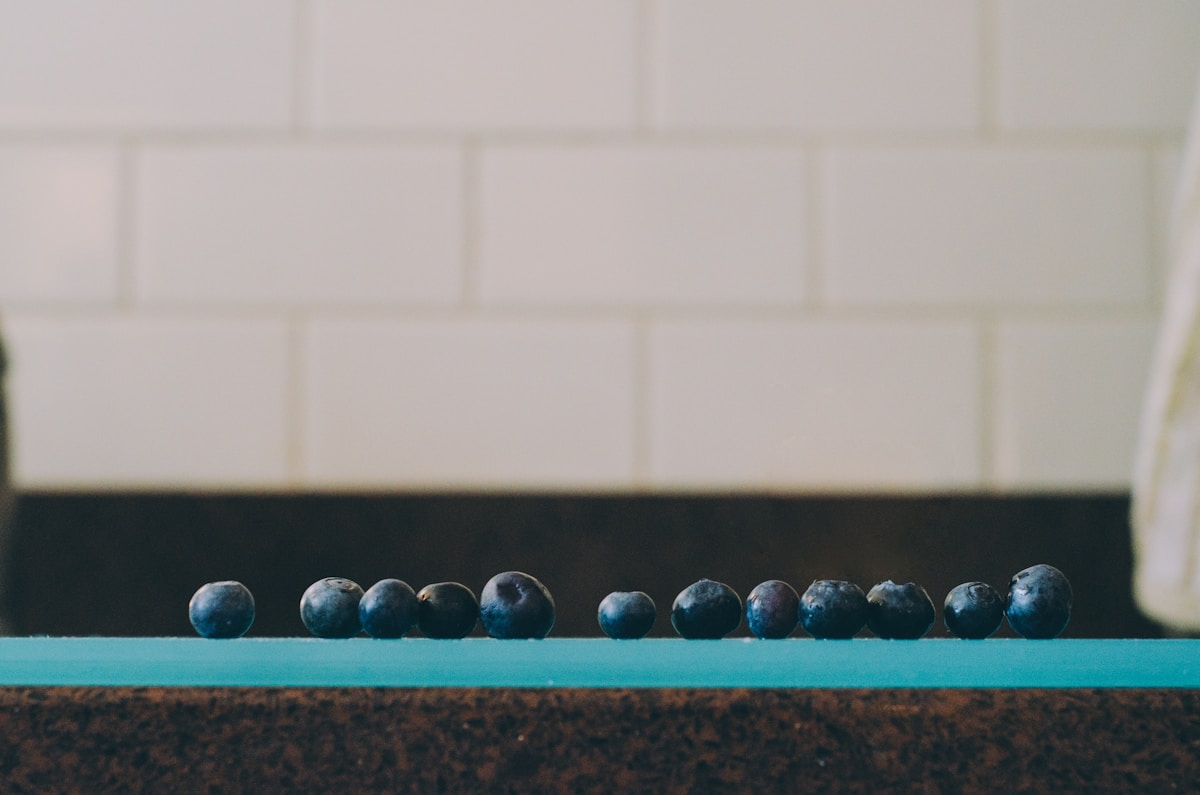
- Berries: Strawberries, raspberries, blueberries. Their delicate structure means contamination is widespread.
- Peaches, Plums, Nectarines, and Apricots: Any soft stone fruit is a no-go.
- Avocados: Once they’re ripe and soft, mold means the whole thing is compromised.
- Corn on the Cob: The kernels are individual, but the structure allows mold to spread easily.
This rule also applies to other soft foods you might find in your fridge, like yogurt, sour cream, soft cheeses (cottage cheese, cream cheese, ricotta), bread, baked goods, and jams or jellies. The risk is simply not worth it.
When To Trim The Green Light for Firm Produce
Now for the good news! You can absolutely save some of your produce and prevent unnecessary food waste. On firm, dense, low-moisture fruits and vegetables, mold has a very hard time penetrating deep into the food. Those invisible threads just can’t dig their way in.
In this case, the mold truly is just on the surface. So, with proper technique, you can safely trim it away and use the rest of your ingredient. This is where your knife skills come in to save the day (and your dinner).
Here is your “Safe to Trim” list:
- Bell Peppers: A classic example. Their flesh is firm and not overly watery.
- Cabbage: The dense layers are a great barrier.
- Carrots: Firm, dense, and low in moisture.
- Potatoes and Sweet Potatoes: Their starchy, solid structure is very resistant.
- Winter Squash: Think butternut, acorn, or spaghetti squash.
- Broccoli and Cauliflower: The dense heads and firm stalks are generally safe to trim.
- Onions and Garlic: As long as the rest of the bulb is firm and not mushy.
So, what’s the right way to do it? The USDA gives us a very clear, science-backed method:
- Get a clean knife. Don’t use the same knife you just used to cut raw meat or anything else, to avoid cross-contamination.
- Measure with your eye. You need to cut off a generous margin around the moldy spot.
- Cut deep. The official rule is to cut off at least 1 inch (about 2.5 cm) around AND below the visible mold spot. Be generous here – better to sacrifice a little extra pepper than not enough.
- Avoid touching the mold. As you cut, be careful not to drag your knife through the moldy part and then through the clean part.
- Re-wrap it. After trimming, put the food in a new, clean wrap, bag, or container.
This same 1-inch rule applies to hard cheeses (like a block of cheddar or Parmesan) and hard salami, which are also too dense for mold to penetrate deeply.
A Quick Tip to Prevent Mold in the First Place
Of course, the best-case scenario is not having to deal with mold at all. While it’s a natural part of life, you can definitely slow it down. My favorite kitchen hack for this is all about moisture control.
Moisture is mold’s best friend. One of the biggest mistakes we make is washing produce, especially delicate things like berries, as soon as we get home from the store. You’re creating the perfect damp environment for mold to thrive. Instead, store them unwashed in the container they came in.
For leafy greens like spinach or lettuce that come in a plastic clamshell or bag, here’s a game-changer: slip a dry paper towel inside the container. The paper towel will absorb any excess condensation and moisture, keeping your greens fresher and mold-free for days longer. (Your future self will thank you.) Check and replace the towel if it gets damp. It’s a simple, two-second trick that makes a huge difference.
Try This Tonight
Feeling more confident? You should be! You just learned a core food safety skill that separates a beginner from a seasoned home cook. You now know not just what to do, but why you’re doing it.
So, here’s your mission for tonight. It’s not about finding mold, but about preventing it. Open your refrigerator’s produce drawer. Take everything out for a moment and give the drawer a quick wipe with a clean, damp cloth. Dry it well. Before you put your veggies back, check for anything that’s past its prime. This little ‘crisper reset’ takes less than five minutes, creates a healthier environment for your food, and helps you take stock of what you have. It’s a small step that makes your kitchen a safer, more organized, and more enjoyable place to be. You’ve got this!