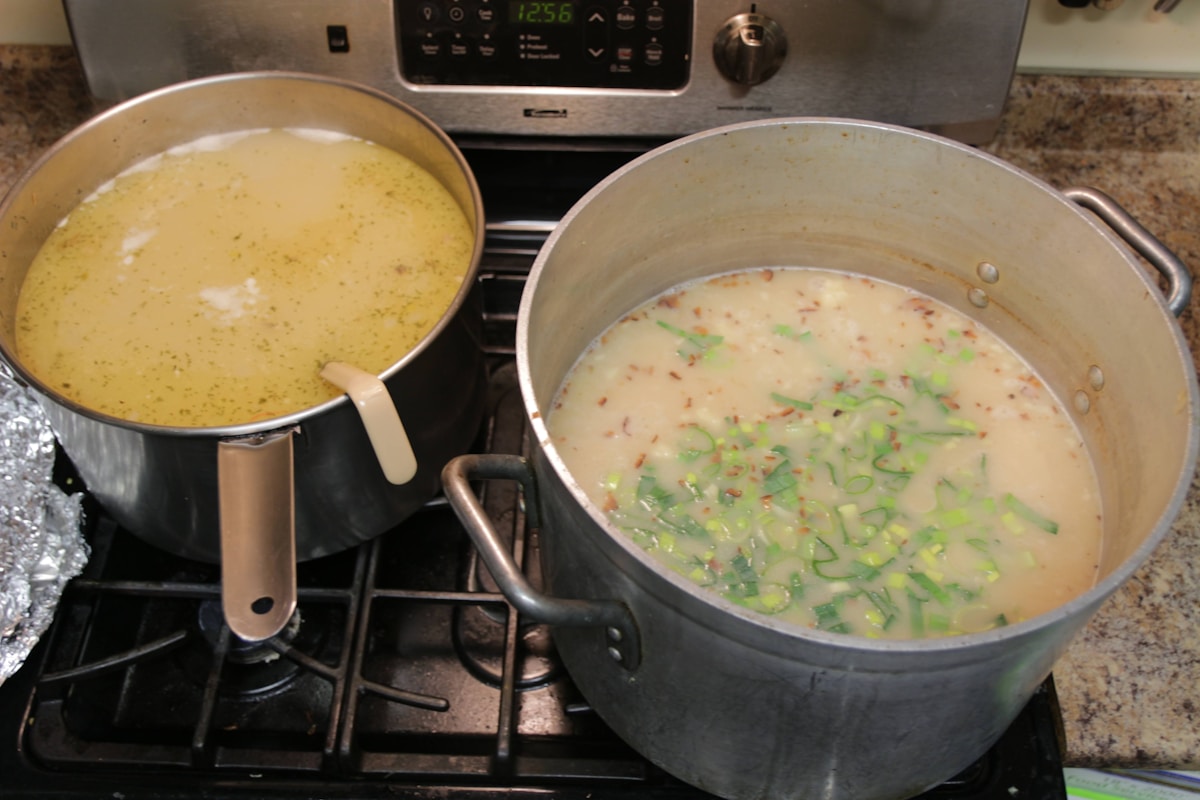
The Great Broth vs Water Debate
You’re standing at the stove, soup recipe in hand, and it says “add 4 cups of water.” But you just bought a carton of chicken broth from the store, and it feels like a missed opportunity. Surely more broth equals more flavor, right? This is exactly the dilemma that sparked a heated thread on Reddit’s r/Cooking community back in April 2025. One user confessed they always swap water for extra broth, while their mom insisted on following the original recipe. The comments were split—some agreed with the user, others defended the recipe as written. So who’s right? As with most cooking questions, the answer is: it depends. But don’t worry—I’m going to walk you through the simple logic so you can make the call with confidence next time you’re ladling.
When Broth is Your Best Friend
Let’s start with the cases where broth is an absolute win. Hearty soups—beef stew, chicken noodle, lentil, or minestrone—thrive on deep, savory flavors. Water is neutral; it does nothing to amplify the meat or vegetables. Broth, on the other hand, brings a foundation of umami, herbs, and often a touch of salt. Chefs like Alton Brown advocate for using broth in these situations because it adds what he calls “background flavor.” Think of water as a blank canvas and broth as a pre-primed canvas—you’re saving yourself steps. If you’re making a classic chicken soup, swapping water for a good-quality broth (like Swanson, Kitchen Basics, or even Better Than Bouillon paste reconstituted) will give you a richer result right from the start. A practical tip: when using store-bought broth, opt for the low-sodium version. That way you control the salt level instead of letting the broth dictate it (trust me, you don’t want a soup that tastes like a salt lick after reducing).
When Water Wins the Day
But hold the phone—there are soups where water is the secret weapon. Delicate vegetable soups, clear consommés, and simple summer soups like gazpacho rely on precision. Here, the flavor comes from the fresh ingredients themselves, not from a pre-made liquid. A strong broth can muddy those bright notes. Imagine a delicate asparagus soup or a clean tomato basil. If you add chicken broth, those vegetal, grassy flavors get buried under poultry seasoning. Water lets the vegetables shine. Similarly, some family recipes are calibrated for a specific liquid-to-solids ratio and salt level. Grandma’s potato soup might call for water because she planned to add a pat of butter and a pinch of salt later. Replacing that water with salty broth throws the whole balance off. The Reddit commenters who sided with the mom had a point: respect the recipe’s intent. If a recipe is written with water, ask yourself why. Is it a traditional method? Are the other ingredients already very savory? A little kitchen detective work goes a long way.
The Golden Rule of Substitution
So how do you decide? Here’s a rule that works for 90% of soups: start by substituting half the water with broth. Then taste as you go. This gives you the best of both worlds—you get added depth without overpowering the main ingredients. For example, if a soup calls for 6 cups of water, use 3 cups water and 3 cups broth. Simmer, then sample. Is it not flavorful enough? Add more broth. Is it too salty or the flavor too dominant? Thin it with water. This method is forgiving and lets you adjust. Keep in mind that broth reduces as it cooks, concentrating flavor and salt. So err on the side of caution early. One kitchen hack I love: if you’re using homemade broth that’s unsalted, you can go full replacement without worry. Unsalted broth is essentially water with extra flavor molecules—pure win. But most store-bought broths are salted, so go half-and-half unless you’re confident. Another cheat: when making a quick vegetable soup, sauté aromatic veggies (onion, carrot, celery) in a tablespoon of tomato paste and a splash of broth. Then add water for the main liquid. That little flavor burst at the start does the job of a full broth replacement.
A Chef’s Secret to Layering Flavor
Here’s a technique from professional kitchens that applies perfectly here: layering. Instead of deciding between all broth or all water, use both in stages. Start your soup with a mirepoix sautéed in oil or butter. Deglaze the pan with a cup of broth (scrape up those brown bits—that’s pure flavor). Then add your main liquid—a mix of water and broth. This way you get the concentrated flavor of the early broth without committing to a full pot. As the soup simmers, the water gradually absorbs the flavors from the vegetables, meat, and seasonings, eventually becoming its own flavorful broth. By the end, you won’t miss the extra broth because your homemade version is tailored to the dish. For an even easier shortcut: keep a jar of Better Than Bouillon paste in your fridge. It’s concentrated and lets you adjust the broth strength by the teaspoon, giving you total control. If you’re worried about salt, just use a quarter teaspoon per cup of water and taste.
Try This Tonight
Ready to put this into action? Grab a simple recipe you already love—maybe a basic vegetable soup or chicken noodle. Make it twice this week: once following the recipe with water, once using the half-and-half method. Notice the difference in flavor, richness, and how the saltiness feels. You’ll quickly learn what works for your palate. And next time your mom or a Reddit user insists on “the original way,” you can nod knowingly. Because now you have the tools to make your own decision. The kitchen is a magic place where yummy food adds joy to life—and understanding this simple swap is one more step toward cooking with joy, not fear. Now go make some soup. (Your future self will thank you.)