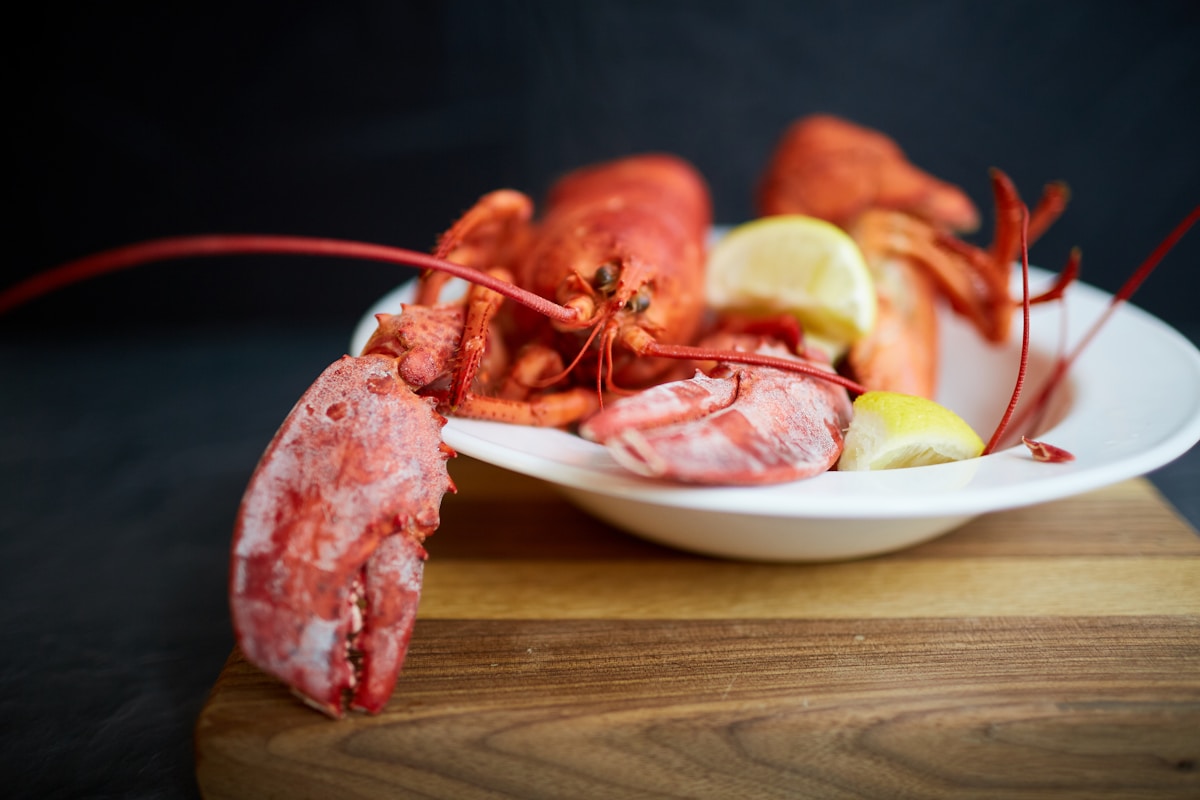
That little white takeout box in your fridge feels like it’s worth its weight in gold. Inside is the delicious remainder of a special lobster dinner. You were so excited to have it for lunch tomorrow, but now a tiny bit of panic is setting in. How do you reheat lobster without turning that sweet, tender meat into a sad, bouncy eraser?
If you’ve ever zapped leftover shrimp in the microwave and been deeply disappointed, you know the fear is real. Delicate seafood is notoriously tricky, and it feels like there’s a fine line between perfectly warm and completely ruined. I’m here to tell you that you absolutely can enjoy that lobster just as much the second time around. The secret isn’t a fancy gadget or a chef’s-only technique; it’s just a little bit of understanding and a gentle touch.
Let’s walk through it together. We’ll get that lobster warm, safe, and just as delicious as you remember.
The Big Dilemma Safety vs Texture
Here’s the core of the challenge. Food safety experts, like those at the USDA, give us a very important number: 165°F (or 74°C). That’s the internal temperature all cooked leftovers must reach to be considered safe from any harmful bacteria. This is a non-negotiable rule for keeping our tummies happy and healthy.
However, lobster meat is made of very delicate protein fibers. Think of them like tiny, coiled springs held together with moisture. When you blast them with high, dry heat (I’m looking at you, microwave!), those protein springs tighten up violently and squeeze out all the moisture. The result? A rubbery, tough, and chewy disappointment. (Your taste buds will not thank you.)
So, how do we get the lobster to that safe 165°F temperature without activating the rubber-band-ocalypse? We use low, slow, and moist heat. We’re going to give that lobster a gentle spa treatment, not a fiery interrogation. The key is to bring the temperature up gradually while protecting its moisture.
Method 1 The Gentle Steam Bath on the Stovetop
This is my go-to method. It’s reliable, quick, and gives you the most control. You’re essentially creating a mini sauna for the lobster, warming it with gentle steam instead of harsh, direct heat. It’s the kindest way to treat your leftovers.
Here’s the step-by-step:
- Choose Your Pan: Grab a skillet or shallow pan that has a well-fitting lid. You need to be able to trap that precious steam.
- Add a Splash of Liquid: Pour a small amount of liquid into the pan—just enough to cover the bottom. Water is perfectly fine, but for extra flavor, you could use chicken broth, vegetable broth, or even a splash of white wine. Add a small pat of butter or a drizzle of olive oil. This adds richness and another layer of moisture protection.
- Heat it Gently: Turn the burner on to a low or medium-low setting. You’re looking for the liquid to produce gentle wisps of steam, not a furious, rolling boil. Remember, we’re being kind!
- Place the Lobster: Arrange the lobster meat in the pan in a single layer. If you’re reheating lobster still in the shell, place it shell-side down to protect the meat from the direct heat of the pan’s surface.
- Cover and Wait: Pop the lid on immediately to trap the steam. Let it heat for about 3 to 5 minutes. The exact time will depend on how large your pieces of lobster are.
- The Most Important Step: This is where you need to pay attention. Grab an instant-read thermometer (a truly essential kitchen tool!) and check the temperature in the thickest part of the meat. The moment it reads 165°F (74°C), take it off the heat immediately. Every second after that is a risk. Don’t walk away to check your phone—stay with your lobster!
That’s it! You’ve successfully reheated your lobster, keeping it safe, juicy, and delicious. Serve it right away with a squeeze of lemon and some of that buttery liquid from the pan.
Method 2 The Luxurious Butter Poach
If you want to feel a little extra fancy and add incredible flavor, you can reheat your lobster by gently poaching it in butter. This method surrounds the meat in fat, making it nearly impossible for it to dry out. It’s slow, controlled, and feels incredibly decadent.
Here’s how:
- Add a generous amount of unsalted butter to a small saucepan—at least 2 or 3 tablespoons. For a real treat, you can add a lightly crushed clove of garlic or a sprig of fresh thyme to infuse the butter with flavor.
- Melt the butter over the lowest possible heat setting on your stove. You do not want the butter to bubble or brown. It should just be melted and warm.
- Add your cold, cooked lobster meat to the warm butter.
- Using a spoon, continuously baste the lobster by spooning the warm butter over it. This gentle, constant motion will slowly bring the meat up to temperature.
- Once again, your instant-read thermometer is your best friend. Keep checking the thickest part of the meat. When it hits 165°F (74°C), use a slotted spoon to remove it from the pan. Drizzle that amazing, lobster-infused butter right over the top before serving.
The Absolute Best Method Don’t Reheat It at All
Okay, hear me out. Sometimes the smartest way to handle delicate leftovers is to repurpose them into a new dish where they don’t need to be reheated on their own. By adding cold, cooked lobster to a hot dish at the last minute, the residual heat of the other ingredients will warm it through perfectly without any risk of overcooking.
This is what many professional chefs do. It’s brilliant, easy, and practically foolproof.
Try This Tonight:
- Quick Lobster Mac & Cheese: Prepare your favorite stovetop mac and cheese. Once the sauce is velvety and perfect, turn off the heat. Chop up your cold lobster meat and simply fold it into the hot pasta and cheese sauce. Let it sit for one minute, and it will be perfectly warm and ready to eat.
- Elevated Lobster Roll: Who says lobster rolls are only for summer? Mix your chopped, cold lobster meat with a little mayonnaise, lemon juice, salt, pepper, and some fresh chives or celery. Pile it into a toasted, buttery brioche bun. No reheating required, and it’s utterly delicious.
- Creamy Lobster Pasta: Make a simple cream sauce. Just sauté some garlic in butter, add a splash of heavy cream and some grated Parmesan cheese, and let it simmer for a minute. Toss it with hot, cooked pasta (like fettuccine or linguine). Turn off the heat, then add your chopped lobster and toss one last time. The heat from the pasta and sauce is all you need.
By thinking of your leftover lobster as a finishing ingredient rather than something to be reheated, you open up a world of possibilities that are both safer and more delicious. So next time you have that precious box in the fridge, don’t feel intimidated. You now have several amazing ways to honor that special ingredient and enjoy it all over again.