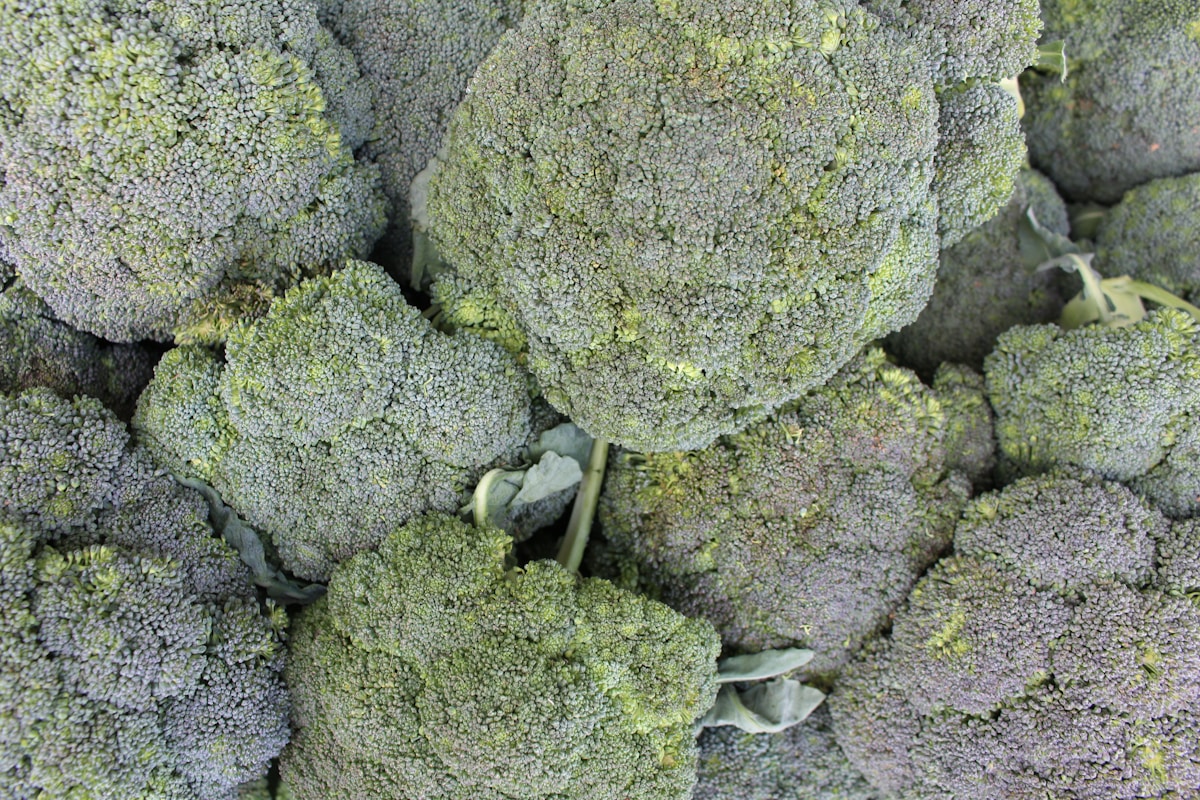
We’ve all been there. You open the crisper drawer with the best of intentions, ready to make that healthy side dish you planned. You reach for the head of broccoli and… oh no. It’s flecked with yellow. Your heart sinks a little. Is it bad? Did you just waste another vegetable?
Before you walk it over to the compost bin with a sigh of defeat, let’s talk. That yellowing broccoli is telling you a story, but it’s probably not the one you think. It’s not a story of failure; it’s a story of biology. And trust me, you can still give this story a delicious ending.
So What’s Happening When Broccoli Turns Yellow?
It’s easy to see green as “good” and any other color as “bad,” but what’s happening here is perfectly natural. Think of that head of broccoli not just as a vegetable, but as a tight cluster of tiny, unopened flower buds. (Yes, really!)
The vibrant green color comes from chlorophyll, the same pigment that makes leaves green. It’s busy converting sunlight into energy for the plant. When broccoli is harvested, it’s separated from its life source, and the chlorophyll starts to break down over time. As the green fades, the yellow pigments that were there all along (called carotenoids) become visible.
This is the broccoli plant’s last-ditch effort to complete its life cycle. It’s trying to blossom into beautiful yellow flowers! It’s not rotting; it’s maturing. It’s the same reason a green banana turns yellow as it ripens. The plant is simply changing.
So, when you see those yellow spots, don’t think “spoiled.” Think “on the verge of blooming.” It’s a bit poetic, isn’t it?
The Big Question Is It Still Safe to Eat?
Okay, poetry is nice, but your biggest concern is safety. And here’s the wonderfully simple answer: Yes, broccoli that is turning yellow is almost always safe to eat.
The color change itself is not a sign of spoilage. However, you do need to use your senses to check for the actual signs that a vegetable has gone bad. It’s time to say goodbye to your broccoli if you notice any of the following:
- Slimy Florets: If any part of the head feels slick or slimy to the touch, that’s a sign of bacterial decay. It has to go.
- Soft, Mushy Stems: A fresh broccoli stem is firm and crisp. If the stem or the florets are squishy, soft, or water-logged, the texture is too far gone.
- Visible Mold: This is a non-negotiable. If you see any black, grey, or fuzzy white spots, the whole head needs to be discarded. Don’t just try to cut the moldy bits off; mold can have microscopic roots that spread throughout the vegetable.
- A Funky Smell: Give it a sniff. Fresh broccoli has a clean, grassy, slightly earthy scent. If it smells overwhelmingly pungent, sour, or like old cabbage, your nose is telling you it’s past its prime. Trust your nose—it’s one of your best tools in the kitchen.
If your broccoli passes this sensory check and just has some yellowing, you are absolutely in the clear. Now, let’s talk about what to do with it.
How Yellow Broccoli Changes the Taste and Texture
While it’s safe to eat, it’s important to know that yellowing broccoli won’t taste or feel exactly like its perfectly green counterpart. This is where understanding the ingredient helps you use it smartly.
Flavor: As the chlorophyll breaks down, the sugars in the broccoli are also being used up by the plant. This means the flavor will shift from sweet and mild to slightly more bitter and pronounced. Some people describe it as being more “cabbage-y.”
Texture: The florets will be softer, and the stem will have lost some of its signature crisp snap. It won’t have that delightful crunch you want for a raw veggie platter or a quick, bright-green steam.
The best analogy I can think of is a super-ripe banana. A perfectly yellow banana is great for eating plain. A banana covered in brown spots is a little mushy and intensely sweet—not ideal for slicing onto your cereal, but absolutely perfect for mashing into banana bread. Your yellowing broccoli is the same: its purpose has just changed. It’s no longer a “star of the show” vegetable; it’s a “team player” vegetable.
The Best Ways to Use Up Yellowing Broccoli
The secret to using yellowing broccoli is to put it in dishes where its texture and stronger flavor are a feature, not a flaw. Hide its weaknesses and play to its strengths!
1. Blend it into a Creamy Soup: This is my number one, can’t-fail method. The texture becomes completely irrelevant when you’re pureeing it into a velvety soup. The bitterness can also be easily balanced with other ingredients.
- Rescue Me Broccoli Cheddar Soup: Roughly chop one head of yellowing broccoli and one large, peeled potato. In a pot, sauté a chopped onion in butter until soft. Add the broccoli and potato, then cover with about 4 cups (around 1 liter) of chicken or vegetable broth. Bring to a simmer and cook for 15-20 minutes, until the vegetables are very tender. Use an immersion blender to puree the soup until it’s completely smooth. Turn the heat to low and stir in 1 cup of heavy cream and 2 cups of shredded sharp cheddar cheese. (Don’t use mild cheddar; you need the sharp flavor to stand up to the broccoli!) Stir until the cheese is melted. Season generously with salt and black pepper. Nobody will ever guess your secret ingredient was “almost-composted” broccoli.
2. Roast it Hard: High heat is a miracle worker for vegetables. Roasting yellowing broccoli at a high temperature caramelizes its natural sugars, which mellows out the bitterness and creates delicious, crispy brown edges.
- Chop the broccoli into florets. Toss them on a baking sheet with a generous glug of olive oil, a big pinch of salt, black pepper, and a heavy-handed sprinkle of garlic powder.
- Roast in a hot oven, around 400°F (200°C), for 20-25 minutes, tossing halfway through. You want them tender with deeply browned, almost-burnt bits on the edges. (Those are the best parts!) A squeeze of lemon juice at the end brightens everything up.
3. Hide it in a Casserole, Frittata, or Pasta Bake: When chopped small and mixed with lots of other flavorful ingredients like cheese, pasta, eggs, and sauces, the broccoli’s imperfections completely disappear. It adds nutrients and bulk without anyone being the wiser. Think of it as a stealth-health ingredient.
A Simple Trick to Keep Your Broccoli Greener for Longer
Of course, the best way to deal with yellow broccoli is to prevent it in the first place. Proper storage is a total game-changer. Most of us bring broccoli home in that tight plastic wrap and just toss it in the fridge. That’s actually the worst way to store it! It traps moisture and ethylene gas (a natural ripening agent), speeding up the yellowing process.
Here’s a better way:
- Don’t Wash It Yet: Wait to wash your broccoli until right before you use it. Excess moisture is the enemy.
- Give It Air: Remove it from the tight plastic. You can wrap it loosely in a paper towel to absorb any extra moisture and place it in the crisper drawer.
- The Ultimate Hack (Treat it like flowers!): This sounds silly, but it works wonders. Trim a small slice off the bottom of the broccoli stalk. Place the stalk upright in a jar or glass with about an inch of water, just like a bouquet of flowers. Loosely cover the top florets with a plastic bag and place the whole thing in the fridge. This keeps it hydrated and fresh, extending its life for a week or even longer. (Your future self will thank you.)
Try This Tonight Your Yellow Broccoli Rescue Mission
Feeling empowered? I hope so. The kitchen is all about understanding your ingredients, not demanding perfection from them.
So, if you have a head of broccoli in your fridge right now that’s starting to look a little sunnier than you’d like, I challenge you to see it not as a failure, but as an opportunity.
Tonight, try the simple roasting method. Chop it up, toss it with oil and seasonings, and roast it at 400°F (200°C) until the edges are dark and crispy. Serve it alongside whatever else you’re having for dinner. Take a bite of those crispy, caramelized bits and see if you can taste the potential you almost threw away.
Every vegetable you save is a little victory. You’re not just preventing food waste; you’re building confidence, one yellow floret at a time. Happy cooking!