


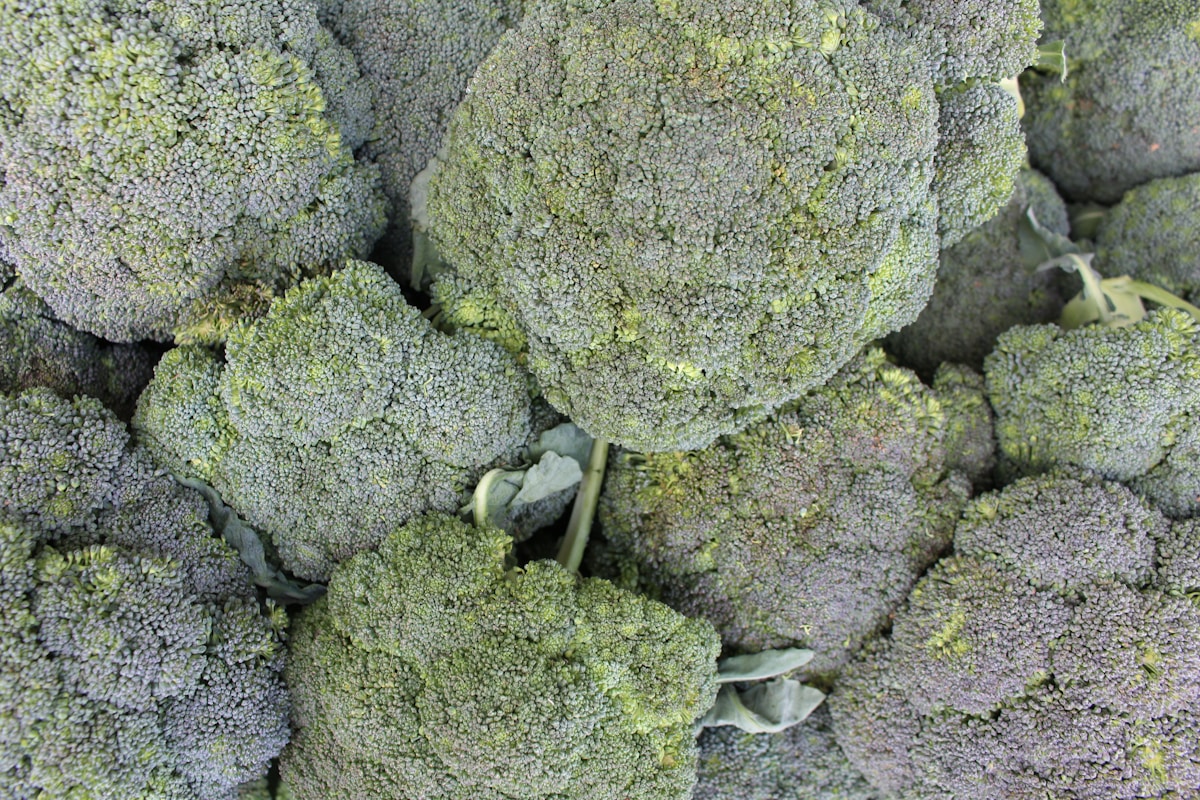
We’ve all been there. You open the crisper drawer with the best of intentions, ready to make something green and virtuous, only to find that beautiful head of broccoli you bought a few days ago is looking a little… tired. The vibrant green is fading, replaced by a distinct yellow tinge on the florets.
The immediate questions start swirling: Is it bad? Will it make me sick? Did I just waste another vegetable? Before you give in to the guilt and toss it in the compost bin, take a deep breath. I’m here to tell you that this is one of those kitchen moments that feels like a big deal but is usually perfectly manageable. (And it happens to everyone, I promise.)
Let’s break down what’s really going on with that yellow broccoli, because understanding the ‘why’ is the first step to becoming a more confident cook.
What’s Really Happening to My Broccoli
Think of your head of broccoli like a bouquet of tiny, edible flowers. When it’s fresh and green, it’s packed with chlorophyll, the same pigment that makes leaves on a tree green. Chlorophyll is fantastic, but it doesn’t stick around forever once the vegetable is harvested.
That yellowing you see is simply the chlorophyll breaking down. As it fades, it reveals the yellow pigments (called carotenoids) that were underneath all along. It’s the exact same process that makes leaves turn yellow in the fall! It’s not a sign of rot or dangerous bacteria; it’s just the natural aging process of the plant.
However, this aging process does change things. As the chlorophyll breaks down, the broccoli’s natural sugars start converting into a tougher, more fibrous substance. This is why yellowing broccoli often has a more pronounced, slightly bitter flavor and a chewier, less tender texture than its bright green counterpart. It’s losing some of its sweetness and a bit of its nutritional punch (like Vitamin C), but it’s not turning into a monster.
The All-Important Question Is It Safe
So, the million-dollar question: Can you eat it? In most cases, yes, absolutely! If the only issue is a bit of yellowing and maybe some slight wilting, the broccoli is perfectly safe to cook and eat.
But—and this is a very important but—you need to use your senses. Nature gives us excellent tools to detect when food has truly gone bad. Before you decide to cook it, give your broccoli a quick check-up. It’s time to throw it away if you notice any of these red flags:
- Slimy Spots: If any parts of the florets or stem feel slick or slimy to the touch, that’s a sign of bacterial decay. Do not eat it.
- Mushy Black or Brown Patches: Soft, dark spots are a clear indicator of rot. Into the bin it goes.
- A Foul Odor: Fresh broccoli has a clean, earthy smell. If yours smells sour, musty, or just plain “off,” trust your nose and toss it.
If it passes that simple sniff-and-feel test and is just yellow, you’re good to go. You just need to be a little smarter about how you use it.
How to Rescue and Cook Yellowing Broccoli
Because of its stronger flavor and tougher texture, yellowing broccoli isn’t the best candidate for a raw salad or a quick, light steam where its flaws would be front and center. The secret is to use cooking methods and recipes that can soften its texture and mask its bitterness.
This is where it becomes a culinary team player instead of the star of the show. Think of it as a background actor—still important, but not delivering the main lines.
Here are the best ways to use it:
-
Soups are Your Best Friend: Blending is the ultimate equalizer! A creamy broccoli cheddar soup is a perfect destination for less-than-perfect broccoli. Sauté some onion and garlic in butter, add the chopped broccoli (stems and all!), cover with chicken or vegetable broth, and simmer until it’s very tender, about 15-20 minutes. Then, use an immersion blender to puree it until smooth, and stir in some heavy cream and plenty of sharp cheddar cheese. The strong flavors of the cheese and aromatics will completely hide any bitterness.
-
Roast It Hard: High heat can be a miracle worker. Roasting brings out a nutty sweetness in vegetables through caramelization, which helps counteract bitterness. Chop your yellowing broccoli into florets, toss them generously with olive oil, salt, pepper, and a heavy-handed shake of garlic powder. Spread them on a baking sheet and roast in a hot oven—we’re talking 400°F to 425°F (205°C to 220°C)—for 20-25 minutes, until the edges are dark and crispy. A big squeeze of lemon juice right out of the oven also helps brighten things up.
-
Bury It in a Casserole or Frittata: When mixed with eggs, cheese, pasta, or rice, the broccoli’s texture and flavor become just one part of a larger whole. Chop it up and fold it into a cheesy pasta bake or a hearty egg frittata. The other ingredients will lovingly embrace its flaws. (Your secret is safe with me.)
A Quick Tip for Fresher Broccoli
To avoid this problem in the future, here’s a little kitchen hack for storing fresh broccoli. Don’t suffocate it in a plastic bag! Broccoli needs to breathe. Store it loose in your crisper drawer. For extra life, you can treat it like fresh flowers: trim the very bottom of the stalk, stand it up in a jar with about an inch of water, and pop it in the fridge. You’ll be surprised how much longer it stays green and crisp.
Remember, the kitchen is a place for resourcefulness, not perfection. Learning how to use an ingredient that’s a little past its prime is a fantastic skill that saves you money and reduces food waste.
Try This Tonight: Have some broccoli that’s starting to turn? Try that roasting method I mentioned. Grab a sheet pan, toss your chopped broccoli with olive oil, salt, and pepper. Roast it at 400°F (205°C) until the little floret bits get nice and crispy. While it’s still hot, grate some parmesan cheese over the top. It’s a simple, delicious way to prove that even a slightly tired vegetable can make a fantastic side dish. You’ve got this!


