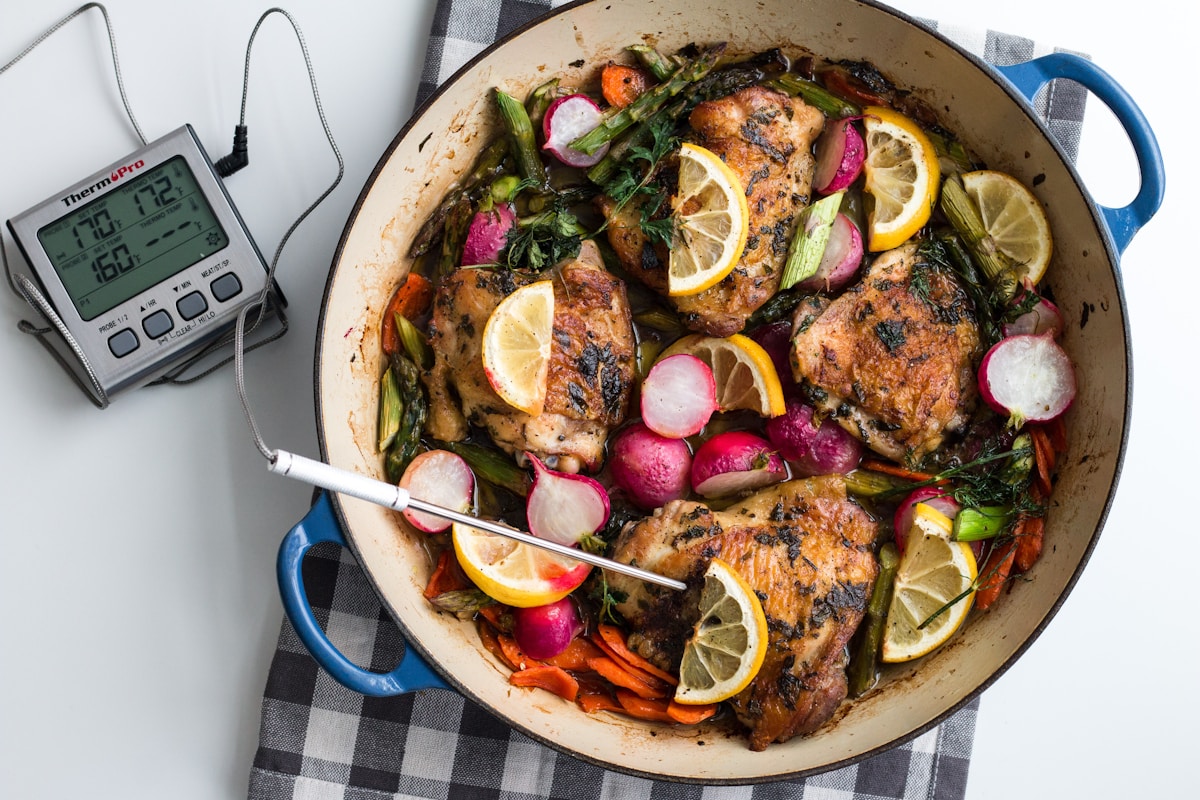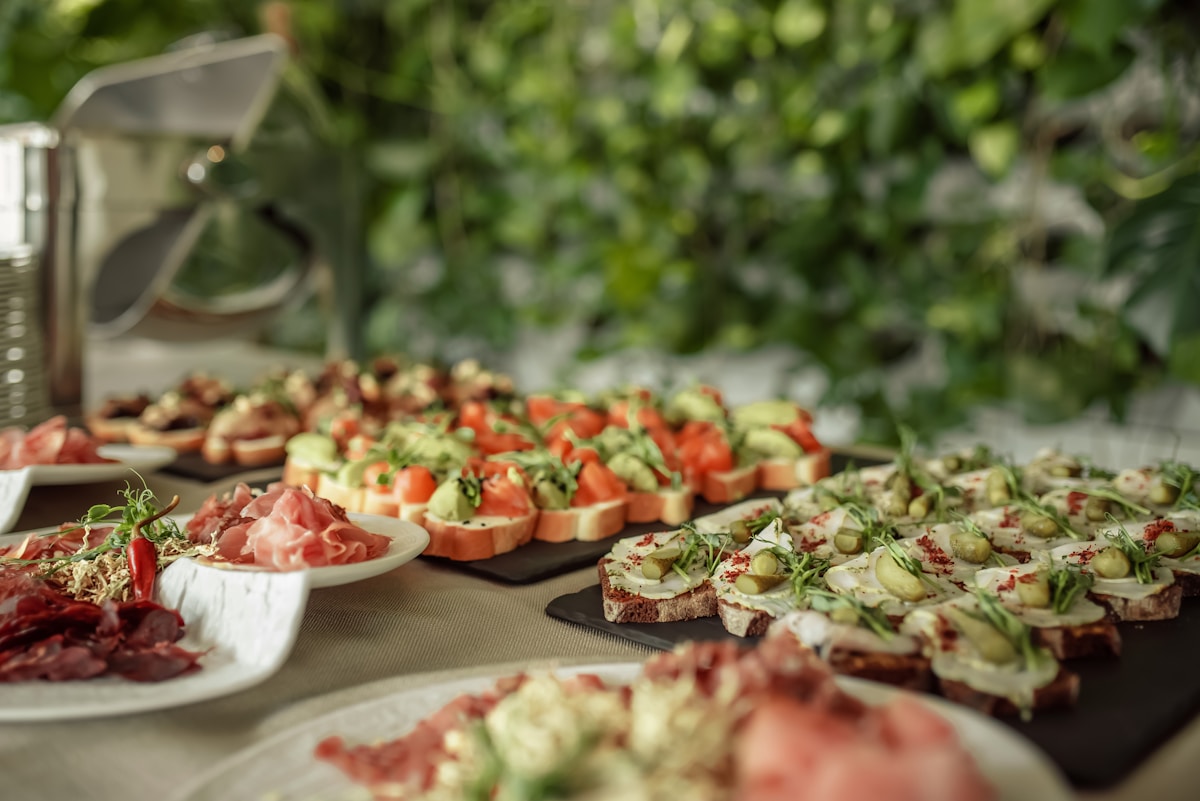
Have you ever stood in front of your open refrigerator the morning after a beautiful holiday dinner or a special party, staring at the remnants of a feast? There’s the last piece of perfectly roasted prime rib, a small bowl of delicate crab salad, and that incredible, complex sauce you spent hours on. Your heart says, “This is too good to waste!” but your mind whispers, “What on earth do I do with it?”
It’s a familiar kitchen dilemma. We invest so much love, time, and money into creating these wonderful meals, and the thought of any of it ending up in the bin feels almost sacrilegious. It turns out, this isn’t just a challenge for home cooks. Imagine scaling that problem up to an event for thousands of people, like the White House Correspondents’ Dinner. Every year, massive events like these partner with food recovery organizations to donate thousands of uneaten, high-end meals to local shelters. It’s a beautiful gesture, but it’s also a masterclass in logistics, food safety, and culinary creativity.
Watching how these professionals handle gourmet surplus, from freeze-dried lobster to filet mignon, taught me so much about how we can be better stewards of the food in our own homes. It’s not just about saving money; it’s about respecting the ingredients and honoring the meal’s story, right down to the very last bite.
The First Rule of Great Leftovers The Cold Chain
Before we even think about turning leftover salmon into a delicious brunch dish, we have to talk about safety. In the world of large-scale food donation, the number one priority is maintaining the “cold chain.” This sounds technical, but the principle is simple and crucial for every home kitchen: keep cold food cold.
The moment cooked food drops into the temperature “danger zone”—between 40°F (4°C) and 140°F (60°C)—bacteria can begin to multiply rapidly. Professional event planners are militant about this. As soon as service is over, any surplus food is immediately moved to refrigeration. They use temperature tracking and insulated transport to ensure that cold chain is never broken on its way to a food bank.
How can you apply this at home?
- The Two-Hour Rule: Never leave perishable food sitting at room temperature for more than two hours. If it’s a hot day (over 90°F or 32°C), that window shrinks to just one hour. Set a timer on your phone when the meal is served if you need a reminder.
- Cool Down Quickly: Don’t put a large, steaming pot of stew directly into the fridge. This can raise the internal temperature of the refrigerator, putting other foods at risk. Instead, divide large portions into smaller, shallow containers. This increases the surface area and allows the food to cool down much faster. Spreading rice or pasta on a baking sheet to cool for a few minutes before storing is another great trick.
- Invest in Good Storage: Use airtight containers (glass or BPA-free plastic) to store leftovers. This prevents cross-contamination and keeps the food fresh. I’m a big fan of clear containers so you can see exactly what you have at a glance.
Getting leftovers into the fridge quickly and correctly is the foundation of turning them into something spectacular tomorrow. It ensures what you’re working with is not only delicious but, more importantly, safe to eat.
The Art of the Transformation Reimagining Ingredients
Here’s where the real fun begins. The challenge with gourmet leftovers isn’t just reheating them; it’s preserving their integrity. You can’t just microwave a delicate piece of sea bass with a beurre blanc sauce and expect it to be the same. The professionals know this. That freeze-dried lobster from a fancy appetizer can’t just be served as-is the next day. Its texture has changed. Instead, they might advise the shelter to fold the lobster meat into a creamy casserole or a rich bisque, where its flavor can shine in a new context.
This is the mindset we should adopt: we’re not just reheating, we’re transforming.
-
Delicate Proteins (Fish, Seafood, Rare Meats): Avoid the microwave! Gentle reheating is key. For a piece of leftover salmon, you could flake it and gently fold it into warm pasta with olive oil, lemon, and herbs. For that slice of rare prime rib, slice it paper-thin and create an incredible sandwich with horseradish cream, or quickly sear the slices in a hot pan for a steak and egg breakfast. The goal is to warm it, not cook it a second time.
-
Complex Sauces and Drizzles: That tiny bit of leftover balsamic glaze, chimichurri, or truffle aioli is liquid gold. Don’t let it dry out in the fridge! Use it as a powerful flavor booster. Whisk that chimichurri into a vinaigrette for a steak salad. Swirl that aioli into mashed potatoes or use it as a sandwich spread. Drizzle that glaze over simple roasted vegetables to make them taste like they came from a five-star restaurant.
-
Roasted Vegetables: Leftover roasted asparagus, broccoli, or carrots can become soggy if microwaved. Instead, chop them up and toss them into a frittata or omelet. You can also blend them with a little broth or cream to create a simple, velvety soup. Another option is to crisp them up in a hot pan or an air fryer for a few minutes.
Thinking like a chef means seeing an ingredient’s potential beyond its original form. Every leftover is an opportunity to create a brand new dish.
Practical Recipes for Your Prized Leftovers
Let’s get specific. Here are some of my favorite ways to give fancy leftovers a delicious second act, inspired by the creativity of waste-reduction chefs.
1. Prime Rib or Steak Hash: Instead of a sad, dry microwaved piece of meat, create a hearty breakfast or brunch. Dice the leftover steak or prime rib. In a large skillet (a cast-iron one from Lodge is perfect for getting a great crust), sauté a chopped onion and some diced potatoes until golden and tender. Add the diced meat and cook for another minute or two, just until warmed through. Season with salt, pepper, and maybe a dash of Worcestershire sauce. Top with a fried or poached egg.
2. Gourmet Fish Cakes: Take that leftover cooked cod, halibut, or salmon. Flake about 1-2 cups of the fish into a bowl, making sure to remove any skin or bones. Mix it with one egg, 1/2 cup of panko breadcrumbs, two tablespoons of mayonnaise, a tablespoon of fresh dill or parsley, and a squeeze of lemon juice. Form into patties and pan-fry in a little oil or butter for 3-4 minutes per side, until golden brown and heated through. Serve with a dollop of that leftover aioli!
3. The “Everything but the Kitchen Sink” Frittata: This is the ultimate vessel for small bits of this and that. Leftover roasted vegetables, chopped charcuterie, crumbled fancy cheese (like Gruyère or goat cheese), and wilting herbs can all find a home here. Whisk 8 eggs with a splash of milk or cream, salt, and pepper. Sauté your leftover veggies and meats in an oven-safe skillet for a minute. Pour the egg mixture over the top, sprinkle with cheese, and cook on the stovetop over medium heat for about 5 minutes until the edges are set. Finish in an oven preheated to 400°F (200°C) for 10-15 minutes, until the center is firm.
Kitchen Hack The Pro Labeling System
One of the three pillars for successful food donation is meticulous labeling. Every container is marked with the contents, the date, and potential allergens. This isn’t just for liability; it’s for usability. It ensures the receiving kitchen knows exactly what they have.
This is perhaps the easiest and most impactful professional habit to bring into your home kitchen. For years, I’d put leftovers in the fridge, convinced I’d remember what they were and when I made them. A week later, I’d be staring at a mystery container, unsure if it was safe.
My solution is simple: a roll of painter’s tape and a Sharpie right by the fridge. Painter’s tape is perfect because it sticks well but peels off cleanly without leaving sticky residue on your containers. Before a container goes into the fridge or freezer, it gets a label: “Beef Stew - Nov 12.” (Your future self will thank you.) This simple act takes five seconds and completely eliminates the dangerous guessing game, reducing waste and ensuring you use everything at its best.
From the grandest banquet halls to our humble kitchen counters, the principles of handling food are the same. It’s about safety, respect for the ingredients, and a dash of creativity. By adopting the same mindset as the chefs who ensure no good food goes to waste, we can make our own kitchens more sustainable, more delicious, and more joyful. That, to me, is the real story food tells.