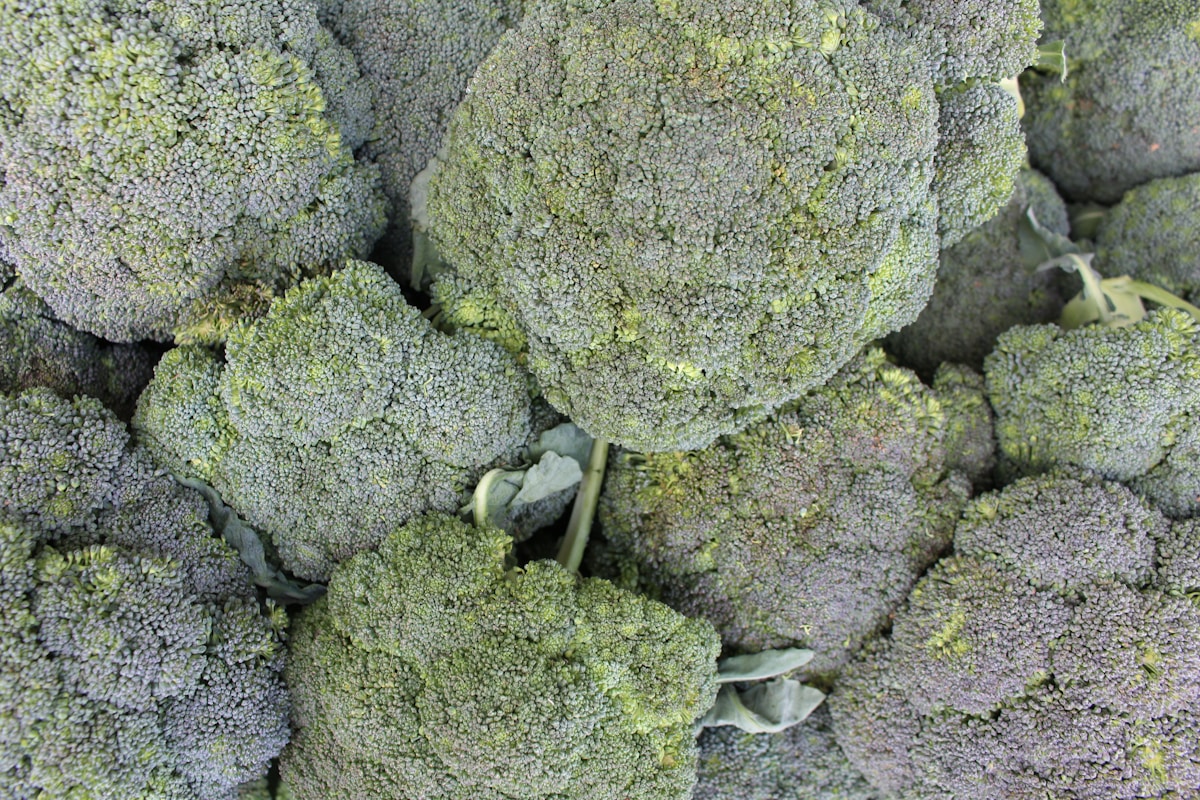
We’ve all been there. You open the crisper drawer with the best intentions, reaching for that beautiful head of broccoli you bought a few days ago, only to find… it’s not quite as green as you remember. A few yellow blossoms are starting to peek through. Your heart sinks a little. Is it still good? Is it safe for the kids? Do you have to throw the whole thing out?
Take a deep breath, my friend. In our bustling family kitchens, produce doesn’t always stay picture-perfect, and that’s okay! A little yellow on your broccoli is usually not a crisis, but a wonderful opportunity to teach a little lesson about food, science, and creativity. The kitchen is where we learn, and today’s lesson is on the not-so-secret life of broccoli.
What Does Yellowing Broccoli Actually Mean?
Think of it like the leaves on the trees in autumn. In its prime, broccoli is packed with chlorophyll, the pigment that makes it a vibrant green. It’s the sign of a fresh, happy vegetable full of nutrients. As the broccoli gets older, that chlorophyll starts to break down. Underneath that green, there were always yellow pigments called carotenoids waiting for their moment to shine. When the green fades, the yellow shows through.
So, is it safe to eat? In most cases, absolutely! Yellowing is simply a sign of aging, not spoilage. However, you do need to use your senses. This is where we become kitchen detectives. Before you decide to cook with it, give it a quick inspection:
- Look for Mold: Check the florets and stem for any fuzzy black, white, or gray spots. If you see mold, the whole head has to go in the compost bin. (No exceptions here, especially with little ones.)
- Give it a Squeeze: Does it feel firm, or is it soft and mushy? A slimy texture is a definite red flag.
- Take a Whiff: Fresh broccoli has a clean, earthy smell. If it smells sour, overwhelmingly strong, or just plain “off,” it’s past its prime and should be tossed.
If it passes these three tests, you have a perfectly usable vegetable on your hands. It’s not going to be the star of a raw veggie platter, but it’s ready for a culinary comeback.
The Big Taste and Texture Test
Now, let’s be honest with each other. While safe to eat, yellowed broccoli isn’t going to taste exactly like its fresh, green counterpart. The science behind the color change also affects flavor and texture. As the broccoli ages, its natural sugars convert into more fibrous compounds.
This means two things for your meal:
- Flavor: It will likely taste a bit more bitter or “cabbage-y” than fresh broccoli. The sweet, mild notes will have faded.
- Texture: The stems will be tougher and the florets a little less tender. It won’t have that delightful crisp-tender bite when steamed.
Nutritionally, it has also lost some of its powerhouse status. The Vitamin C content, in particular, takes a significant hit as the broccoli ages. It still contains valuable fiber and other minerals, but it’s not at its peak. And that is perfectly fine! We’re not aiming for perfection; we’re aiming to make a delicious, wholesome meal and avoid wasting food.
My Favorite Ways to Rescue Yellowing Broccoli
So, what’s the secret to making older broccoli delicious? You need recipes where its texture and stronger flavor become an asset, or are mellowed by other ingredients. Forget simple steaming. We need to get creative!
1. Creamy “Save-the-Day” Broccoli Soup
This is my go-to for any vegetable that’s looking a little sad. A blender is a magical tool for transforming texture!
- What you’ll need: 1 head of yellowing broccoli (chopped), 1 tablespoon of olive oil, 1 onion (diced), 2 cloves of garlic (minced), 1 medium potato (peeled and diced), 4 cups (about 1 liter) of vegetable or chicken broth, a splash of heavy cream or full-fat coconut milk, salt, and pepper.
- How to do it: In a large pot, sauté the onion in olive oil until soft. Add the garlic and cook for another minute until fragrant. Add the chopped broccoli, potato, and broth. Bring to a boil, then reduce the heat and simmer for 15-20 minutes, or until the potato and broccoli are very tender. Carefully transfer the soup to a blender (or use an immersion blender right in the pot) and blend until perfectly smooth. Stir in the cream, season with salt and pepper, and serve warm. A sprinkle of cheddar cheese on top makes it irresistible for kids.
2. Cheesy Broccoli and Rice Casserole
Cheese can solve so many problems, can’t it? In this cozy casserole, the strong broccoli flavor is beautifully balanced by a creamy, cheesy sauce.
- What you’ll need: 1 head of yellowing broccoli (chopped into small pieces), 2 cups of cooked rice, 2 tablespoons of butter, 2 tablespoons of all-purpose flour (King Arthur is my favorite), 1 ½ cups of milk, 1 ½ cups of shredded sharp cheddar cheese, a pinch of nutmeg, salt, and pepper.
- How to do it: Preheat your oven to 375°F (190°C). In a saucepan, melt the butter over medium heat. Whisk in the flour to form a paste (this is your roux!) and cook for one minute. Gradually whisk in the milk until the sauce is smooth. Let it simmer for a few minutes until it thickens. Remove from heat and stir in 1 cup of the cheddar cheese, nutmeg, salt, and pepper until the cheese is melted. In a large bowl, combine the chopped broccoli and cooked rice. Pour the cheese sauce over it and mix well. Transfer to a baking dish, top with the remaining cheese, and bake for 20-25 minutes until bubbly and golden.
3. High-Heat Roasted Broccoli
Sometimes, the best way to deal with a tough texture is to hit it with high heat. Roasting brings out a nutty, caramelized flavor that can stand up to the bitterness.
- Kitchen Hack: Chop the broccoli into small, bite-sized florets. The smaller pieces will cook faster and get more crispy edges. Toss them generously with olive oil, a good pinch of salt, some garlic powder, and maybe a sprinkle of paprika. Spread them in a single layer on a baking sheet. (Don’t crowd the pan!) Roast in a hot oven, around 425°F (220°C), for 15-20 minutes, flipping halfway through. You want them tender with lots of dark, crispy, delicious brown bits. These are fantastic as a side dish or tossed into pasta.
When It’s Time to Say Goodbye
Our goal in the kitchen is to be resourceful, but our top priority is always safety. Teaching our children to recognize when food is truly spoiled is just as important as teaching them how to cook it. You are the gatekeeper of your family’s health.
So, let’s make a pact. We will rescue our yellowing broccoli, but we will always say a firm goodbye if we see:
- Any mold or large black spots.
- A slimy or mushy texture.
- A foul, sour, or ammonia-like smell.
Remember the kitchen mantra: When in doubt, throw it out. It’s just not worth the risk.
Seeing a little yellow on your broccoli doesn’t mean you’ve failed at grocery shopping. It means you have a chance to get creative, save a little money, and teach your family that food doesn’t have to be perfect to be wonderful. Happy cooking!