How to Make Soft Pretzel Bagels at Home?

How to Make Soft Pretzel Bagels at Home?

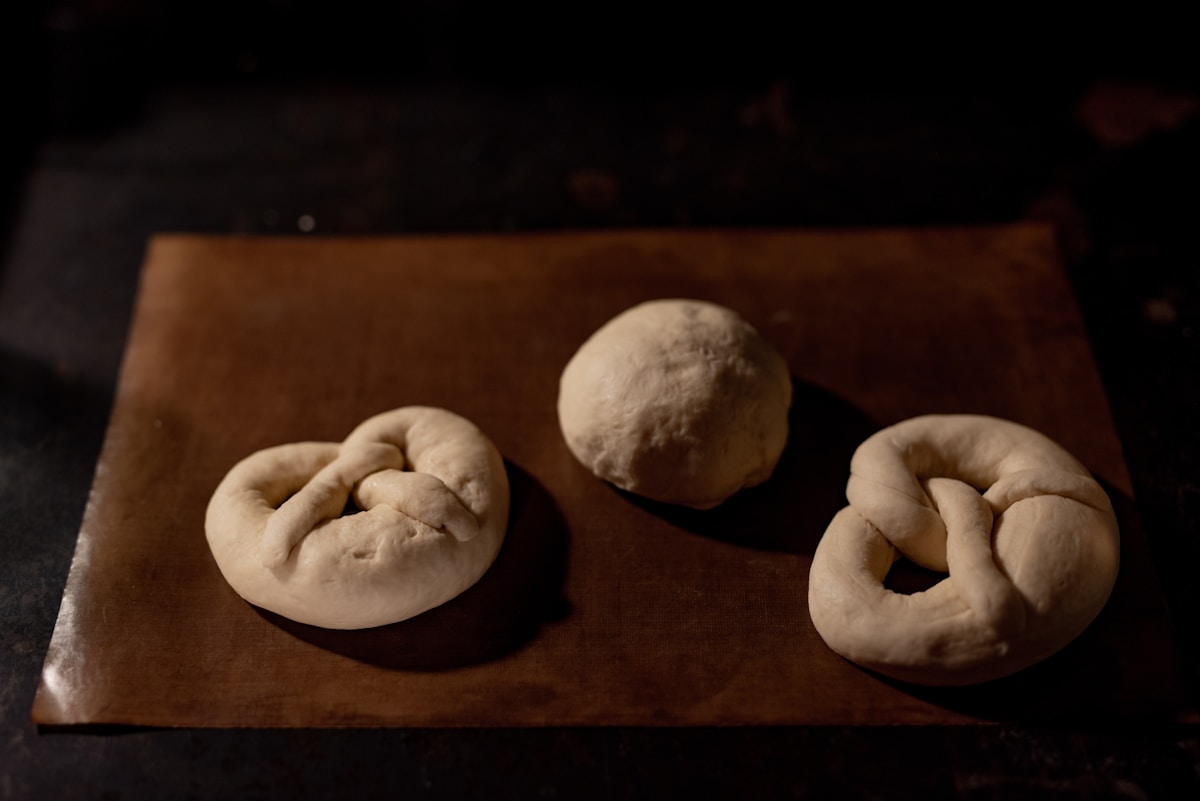
You know that moment when you can’t decide between a soft pretzel and a bagel? You want the chewy, salty crust of a pretzel but the portability and shape of a bagel. A home baker on r/Baking recently shared their answer: soft pretzel bagels. Combining the best of both worlds, these bagels get boiled in a baking soda bath before baking, giving them that signature dark, shiny pretzel crust. And the best part? You can top them with classic salted, everything seasoning, cinnamon sugar, or asiago cheese. Let’s break down the science and technique so you can make them in your own kitchen.

How Do I Get Perfectly Sharp Edges on My Cakes?

You’ve done everything right. You baked perfectly level cake layers, whipped up a dreamy filling, and stacked it all with precision. Now comes the final coat of frosting. You spend ages with your offset spatula and bench scraper, chasing that elusive, flawless finish you see in bakeries and on social media. But when you step back, the edges are… soft. A little rounded. Maybe there’s a slight bulge around the middle. In a warm room, you can almost see it start to sag.

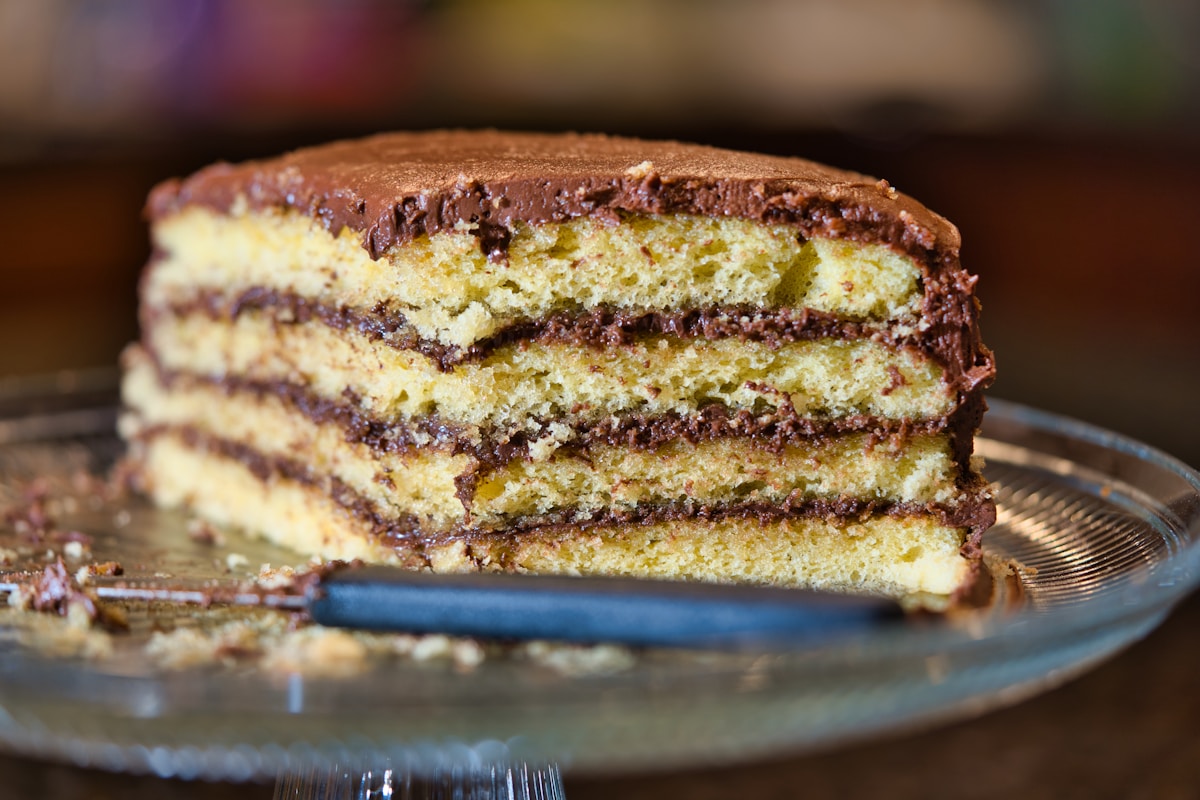
How Do I Add a Crunchy Layer to a Soft Cake?

How Do I Add a Crunchy Layer to a Soft Cake?

Have you ever taken a bite of a beautiful, fluffy cake and felt that something was missing? The flavor is wonderful, the crumb is tender, but the experience feels… one-note. It’s a common issue in home baking. We master the soft, the airy, and the moist, but often forget one of the most powerful tools in a pastry chef’s arsenal: textural contrast.

What Makes Advanced Challah Braiding Actually Work?

What Makes Advanced Challah Braiding Actually Work?

You’ve done it. You’ve mastered the classic three-strand challah. Your loaf comes out of the oven golden, fragrant, and with a respectable, tidy plait. But then you see it online: a magnificent, intricate loaf that looks less like bread and more like a woven sculpture. It might be a perfectly symmetrical six-strand braid or something truly mind-bending—a braid made of other, smaller braids. The immediate reaction is usually awe, followed by a simple question: How?

How Do You Create a Stunning Nine-Strand Compound Challah Braid?

How Do You Create a Stunning Nine-Strand Compound Challah Braid?

There’s a quiet satisfaction that comes from mastering a classic three-strand challah. The rhythmic over-under motion becomes muscle memory, and the resulting golden loaf feels like a genuine accomplishment. But then you see it—a photo online, or perhaps on a bakery shelf—a challah so intricate, so complexly woven, it looks more like a sculpture than bread. You look closer and realize the baker didn’t just braid strands; they braided braids.

Why Are My Heart Shaped Biscuits Always Flat and Uneven?

Why Are My Heart Shaped Biscuits Always Flat and Uneven?

The kitchen smells of promise. Butter, flour, and buttermilk have come together, and you’re dreaming of a special breakfast—perfectly tall, heart-shaped biscuits for a loved one. You press your cutter into the cold, pliable dough, place them on the baking sheet, and slide them into a hot oven. But when the timer dings, you’re greeted not with pillowy, flaky towers, but with lopsided, flat, and dense little pastries.

How Do I Keep My Checkerboard Cookies From Spreading

How Do I Keep My Checkerboard Cookies From Spreading

There are few moments in baking more visually satisfying than slicing into a log of checkerboard cookie dough. You’ve carefully assembled the alternating strips of vanilla and chocolate, creating a perfect mosaic. But then, the oven happens. You watch in dismay as your sharp, geometric squares relax, spread, and melt into sad, blurry circles. The pattern you worked so hard on is gone. It’s a common frustration, but I assure you, it’s not a mystery. The solution lies in understanding the simple chemistry of your dough, particularly the behavior of one key ingredient: butter.

How Can I Add a Crunchy Base to a Chiffon Cake?

How Can I Add a Crunchy Base to a Chiffon Cake?

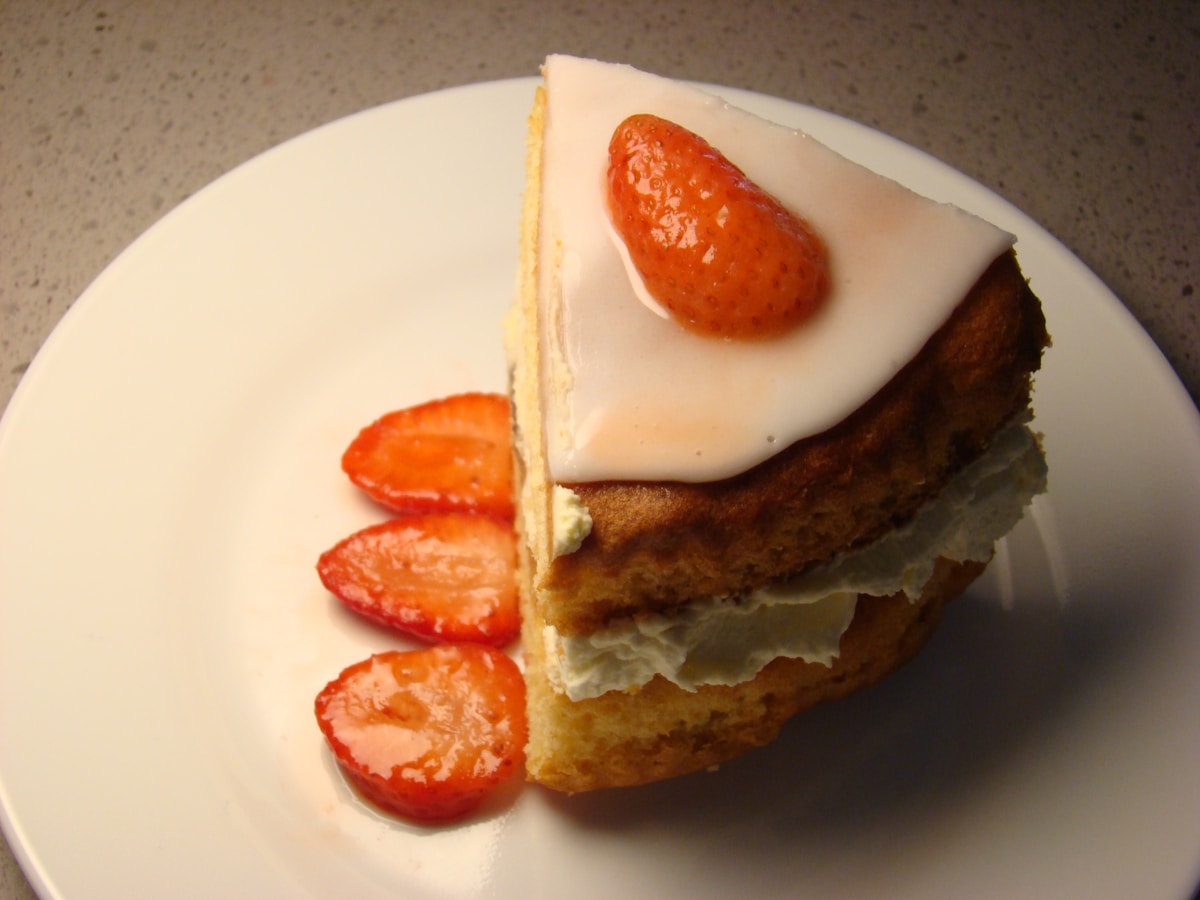
There’s a moment of pure satisfaction when you slice into a homemade chiffon cake. It’s the whisper-quiet sound the knife makes, the impossibly light and airy crumb, the delicate, cloud-like texture that melts in your mouth. A well-made chiffon is a testament to the magic of emulsification and aeration. It’s nearly perfect on its own. But what if we could take it from nearly perfect to truly unforgettable?

How Does Browning Butter Make Cookies Taste So Much Better?

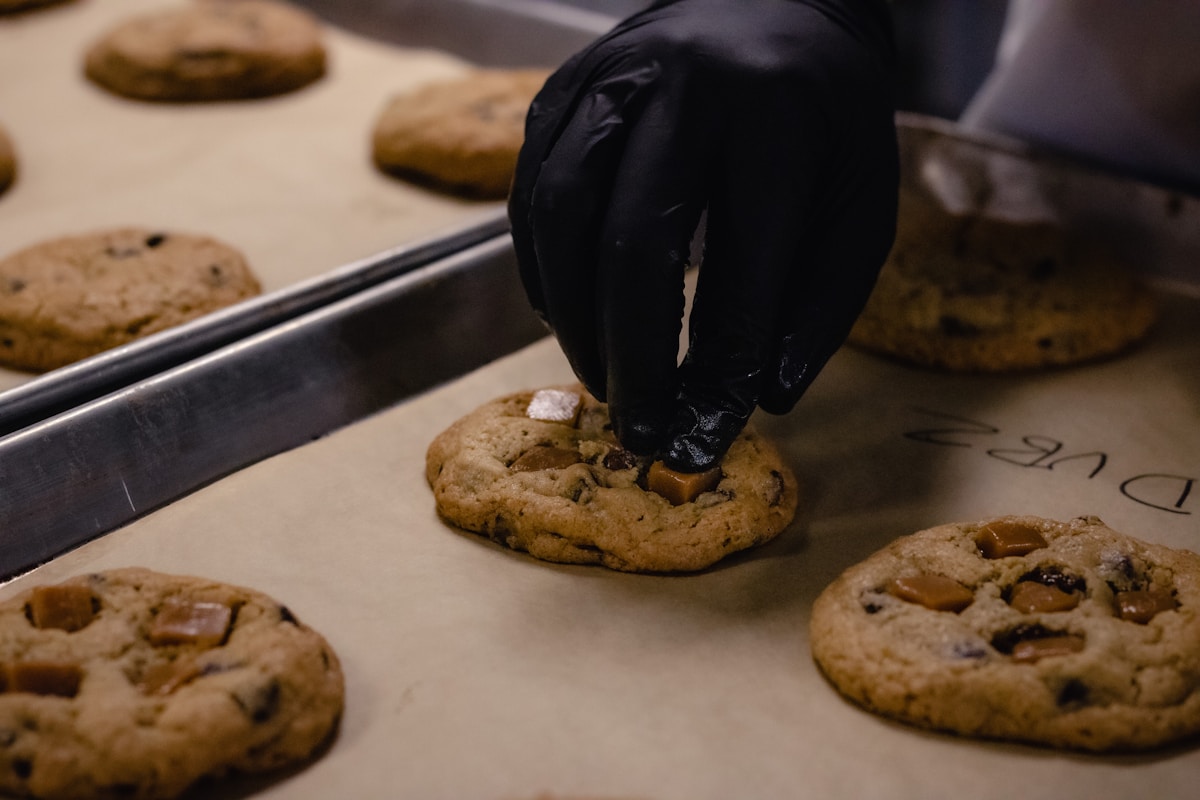
Have you ever baked a batch of cookies that were good, but not great? They check all the boxes—sweet, chewy, maybe dotted with molten chocolate—but they lack that certain something, that deep, complex flavor you find in a high-end bakery. You follow the recipe to the letter, use quality ingredients, and yet, the result is just shy of spectacular. What’s the missing piece?

How Do You Plan a Themed Cake Without Professional Skills?

How Do You Plan a Themed Cake Without Professional Skills?

Have you ever scrolled through your social media feed, stopped dead in your tracks, and stared at a cake that looked more like a work of art? A cake transformed into a shimmering koi pond, a lush forest floor, or a scene from a favorite storybook. For a moment, you feel that spark of inspiration, followed quickly by the thought, “I could never make something that beautiful.”

How Do I Get Perfect Checkerboard Cookies Without Smushing The Lines

How Do I Get Perfect Checkerboard Cookies Without Smushing The Lines

There’s a special kind of baker’s heartbreak that comes from precision work gone wrong. You’ve spent an hour carefully mixing and dividing your dough, tinting it into beautiful, contrasting colors. You’ve painstakingly rolled and cut it into perfect strips, assembling them into a log that looks like a masterpiece of edible geometry. You take a deep breath, pick up your sharpest knife, and make the first slice. And then it happens. The colors smear, the sharp lines blur, and your perfect square squishes into a sad parallelogram. All that work, seemingly undone by a single cut.

Am I Ruining My Biscuits By Twisting The Biscuit Cutter?

Am I Ruining My Biscuits By Twisting The Biscuit Cutter?

Imagine this: It’s a special morning—maybe Valentine’s Day, Mother’s Day, or a lazy Sunday. The kitchen smells of melting butter and promise. You’ve lovingly prepared a batch of buttermilk biscuit dough, folding it gently to create those all-important layers. You grab your favorite heart-shaped cutter, press it into the soft dough, give it a little twist to make a clean cut, and place the perfect heart on your baking sheet.

Why Do My Checkerboard Cookies Look Smudged and Messy?

Why Do My Checkerboard Cookies Look Smudged and Messy?

You pictured them perfectly. Crisp, geometric squares of deep chocolate and pale vanilla, locked in a stunning, edible mosaic. You followed the steps, you assembled the log, and you sliced with anticipation. But when they emerged from the oven, the reality was… less than sharp. Instead of a clean checkerboard, you have a blurry, marbled swirl. The lines bled, the squares softened, and your architectural masterpiece looks more like a modern art mishap.

How Do You Get Vibrant Colors in Cinnamon Roll Dough?

How Do You Get Vibrant Colors in Cinnamon Roll Dough?

Have you ever seen a picture of a cinnamon roll with perfect, jewel-toned swirls of pink, blue, and purple and thought, “How on earth do they do that?” You follow the instructions, you add your food coloring, and you end up with a pan of vaguely brownish, disappointingly pale rolls. The vibrant dream fades into a muddy reality.

What Is The Secret To Perfectly Sharp Checkerboard Cookies

What Is The Secret To Perfectly Sharp Checkerboard Cookies

There’s a unique kind of kitchen heartbreak that comes from pulling a tray of checkerboard cookies from the oven, only to find the sharp, graphic pattern you worked so hard on has melted into a blurry, indistinct mess. You followed the recipe. You assembled the dough. But somewhere between the slicing and the heat, the magic was lost. The good news? The solution isn’t magic at all. It’s science. Baking these cookies is less about recipe and more about technique—a methodical process of temperature control and structural engineering. Let’s break down the physics of fat and flour to guarantee your next batch is picture-perfect.

How Thick Should I Slice Apples for a Perfect Pie Filling?

How Thick Should I Slice Apples for a Perfect Pie Filling?

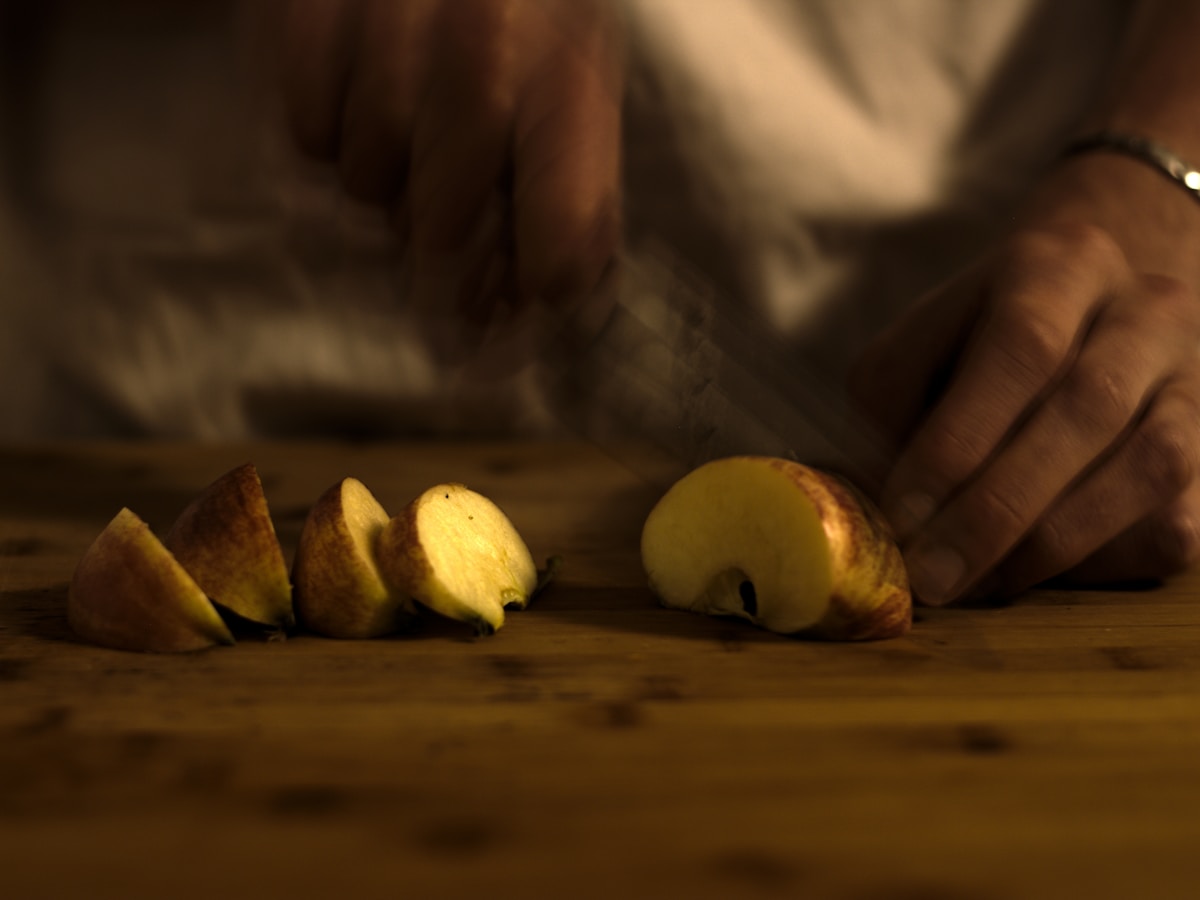
It’s one of the most disheartening moments in baking. You pull a magnificent apple pie from the oven. The crust is a deep, golden-brown, flaky and glistening with sugar. The aroma is intoxicating. But when you slice into it, the truth is revealed: the apples are still stubbornly crunchy, or worse, they’ve collapsed into a formless, soupy mush.

How Can I Make Vibrantly Colored Pizzelle Cookies?

Have you ever felt that little pang of disappointment? You spend time carefully mixing the most beautiful, vibrant shades of cookie dough—a soft lilac, a cheerful sky blue, a vibrant fuchsia. You have a vision. But when they emerge from the heat, your beautiful colors have vanished, replaced by a generic, muddy brown. The flavor is there, but the visual magic is gone.

Why Do My Checkerboard Cookies Always Look Blurry

Why Do My Checkerboard Cookies Always Look Blurry

We’ve all been there. You see a picture of a flawless checkerboard cookie online—a perfect grid of crisp, clean vanilla and chocolate squares. Inspired, you spend an afternoon carefully mixing, rolling, and stacking. But when you slice into your cookie log, the beautiful geometry has devolved into a blurry, abstract swirl. It’s frustrating, and it feels like a secret professional bakers are keeping to themselves.

How Do I Bake Multiple Cake Layers Evenly at Once?

How Do I Bake Multiple Cake Layers Evenly at Once?

You’ve done everything right. You followed the recipe to the gram, your batter is silky smooth, and you’ve divided it perfectly between three gleaming 8-inch pans. This is going to be the birthday cake of dreams. You slide them into the preheated oven, set the timer, and wait for that magical, buttery aroma to fill the kitchen.

Can you really put a whole cheesecake inside a layer cake?

Can you really put a whole cheesecake inside a layer cake?

Have you ever stood in your kitchen, dreaming up the ultimate dessert? A creation so decadent, so wonderfully over-the-top, that it becomes the stuff of legend. For me, that dream often involves combining two of my all-time favorite classics. Imagine a light, tender vanilla cake… and then imagine slicing into it to reveal a secret, hidden layer of rich, dense, creamy cheesecake.

How Do You Make Perfect Checkerboard Cookie Squares?

How Do You Make Perfect Checkerboard Cookie Squares?

You picture it perfectly in your mind: crisp, clean lines of alternating vanilla and chocolate, a tiny, edible chessboard that looks as precise as it tastes delicious. But when you pull the tray from the oven, the reality is… less defined. The squares have slumped, the lines have blurred, and your beautiful architectural project has become a muddled puddle. It’s a common frustration, but I assure you, it’s not a mystery. The secret to a perfect checkerboard cookie isn’t magic; it’s chemistry and temperature control.

How Do You Make Blackberry Swiss Meringue Buttercream Without It Curdling?

How Do You Make Blackberry Swiss Meringue Buttercream Without It Curdling?

Have you ever tasted a frosting so impossibly smooth and light it feels like a cloud? It’s not overly sweet, it pipes like a dream, and it holds its shape perfectly on a wedding cake. That, my friends, is the magic of Swiss Meringue Buttercream (SMBC). But adding fruit, especially something as vibrant as blackberry, introduces a new level of challenge. Many bakers try, only to end up with a soupy, curdled mess.

What Is the Secret to Clean Lines in Checkerboard Cookies?

What Is the Secret to Clean Lines in Checkerboard Cookies?

Have you ever spent an afternoon meticulously crafting what you hoped would be stunning checkerboard cookies, only to pull a baking sheet of blurry, indistinct blobs from the oven? It’s a common frustration. You followed the steps, you assembled the logs, but the final product looks less like a crisp chessboard and more like a melted mess. The disappointment is real, but the solution isn’t magic—it’s science. The secret to those impossibly clean, sharp lines lies not in a special ingredient, but in the precise manipulation of temperature. Baking is chemistry you can eat, and today, we’re becoming masters of thermal control to create a cookie that’s as beautiful as it is delicious.

Why Do My Slice and Bake Cookie Patterns Always Smear

Why Do My Slice and Bake Cookie Patterns Always Smear

You’ve done it. You spent hours carefully stacking alternating strips of vanilla and chocolate dough, pressing them into a perfect, geometric log. You have visions of crisp, sharp checkerboard cookies dancing in your head. You slice, you bake, and you pull out… a tray of blurry, indistinct blobs. The sharp lines have bled into each other, and your beautiful design looks like a watercolor painting left out in the rain.

What Is the Secret to a Realistic Cake Breading Texture?

What Is the Secret to a Realistic Cake Breading Texture?

Have you ever seen a photo of a cake that made you do a double-take? A perfect replica of a bucket of fried chicken, a plate of savory schnitzel, or a giant chicken nugget, only to discover it’s actually a sweet, tender cake? It’s pure kitchen magic! For years, I’ve been fascinated by these illusion cakes, not just for their whimsy, but for the sheer artistry involved. The secret, I’ve learned, isn’t just about getting the color right—it’s all about mastering the texture.

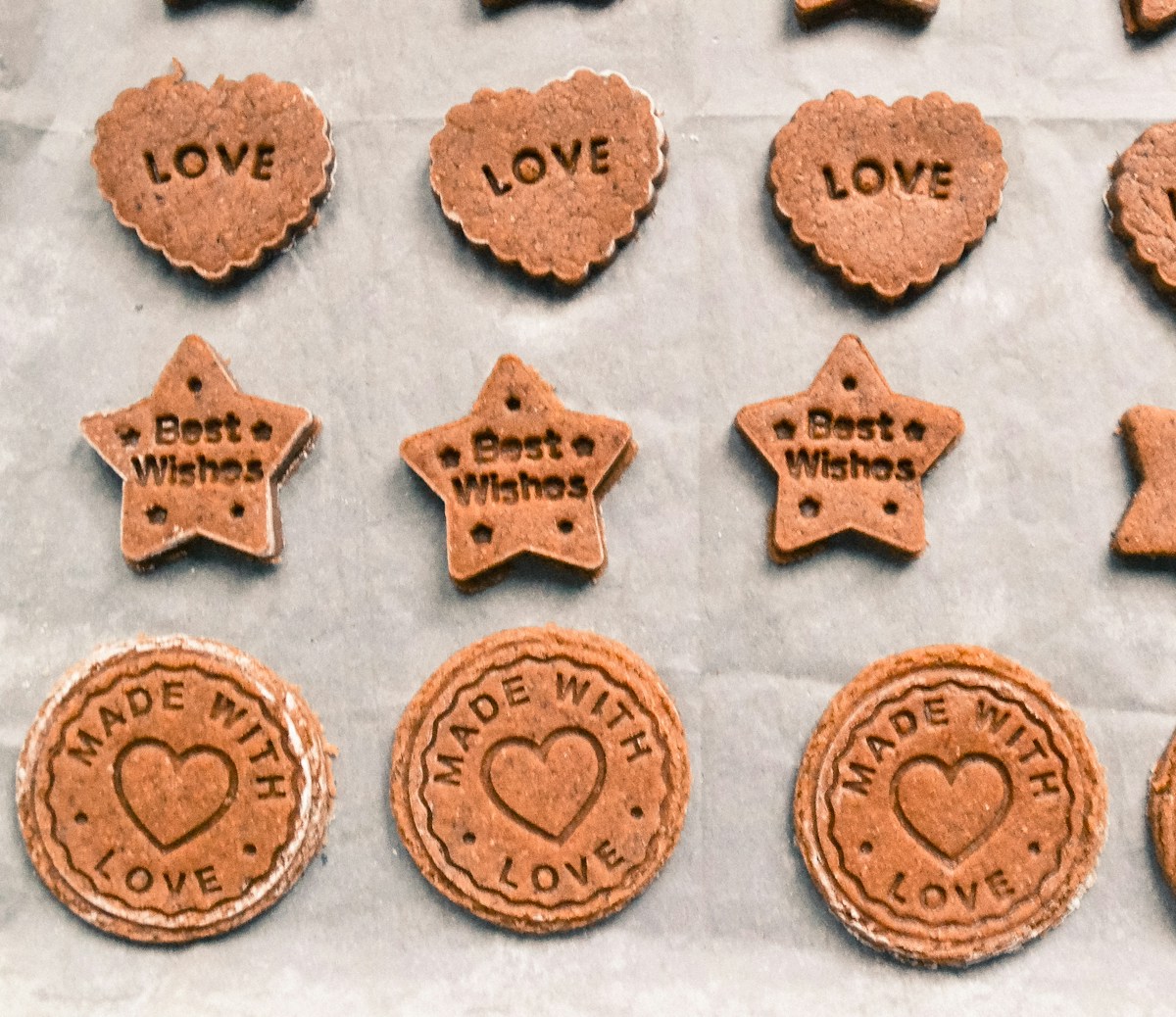
How Can I Get Clear Impressions From My Cookie Stamps?

How Can I Get Clear Impressions From My Cookie Stamps?

There’s a special kind of kitchen heartbreak that I think many of us know all too well. You spend a lovely afternoon with a beautiful new set of cookie stamps—perhaps elegant florals or intricate holiday patterns from a brand like Nordic Ware. You meticulously press each design into your carefully prepared dough, admiring the sharp, gorgeous imprints. You slide the baking sheet into the oven, filled with anticipation.

What Is the Secret to Making Vibrant Rainbow Pizzelle Cookies?

Have you ever scrolled through your social media feed and stopped dead in your tracks at a photo of a cookie? For me, it was a batch of pizzelle. But these weren’t the familiar, delicate, pale gold cookies from my neighbor’s Christmas tins. These were a vibrant explosion of color—stripes of magenta, blue, and purple swirled together in that classic, lacy snowflake pattern. My first thought was, “How is that even possible?”

How Do You Use Luster Dust To Get That Shimmery Cake Finish?

How Do You Use Luster Dust To Get That Shimmery Cake Finish?

Have you ever stopped mid-scroll, completely captivated by a dessert that seemed to glow from within? Perhaps it was a wedding cake with shimmering gold leaf patterns, or a batch of cookies that sparkled like tiny jewels. It’s a magical effect that looks like it requires years of professional training, but I’m here to share a little secret from the cake decorator’s toolkit: luster dust.

How Do You Fix Soupy or Curdled Swiss Meringue Buttercream?

How Do You Fix Soupy or Curdled Swiss Meringue Buttercream?

There’s a moment of pure panic every baker knows. You’ve spent hours on a beautiful cake—perhaps a delicate raspberry olive oil cake—and now it’s time for the crowning glory: the frosting. You chose Swiss meringue buttercream for its silky, stable, and not-too-sweet profile. You followed the steps. You heated, you whipped, you cooled. But as you add the butter, disaster strikes. Your beautiful, glossy meringue deflates into a soupy, greasy puddle. Or maybe it breaks into a lumpy, curdled mess that looks like cottage cheese.

How Do You Successfully Build a Cheesecake Layer Cake

How Do You Successfully Build a Cheesecake Layer Cake

You’ve seen them on social media. Those towering, magnificent cakes with a perfectly clean, dense stripe of cheesecake nestled between layers of impossibly fluffy sponge, all wrapped in a coat of silky buttercream. It’s a showstopper. It’s also, for many home bakers, a source of quiet anxiety. How do you get that heavy cheesecake layer in there without the whole thing collapsing into a delicious, but structurally disastrous, mess?

How Do You Build a Stable Cheesecake Layer Cake Without It Collapsing

How Do You Build a Stable Cheesecake Layer Cake Without It Collapsing

You’ve seen them online—those breathtaking cakes with a perfect, dense layer of cheesecake nestled between two layers of fluffy vanilla sponge. The cross-section is a marvel of texture and flavor, a dessert that promises the best of both worlds. But if you’re a home baker, that image is likely followed by a wave of anxiety. How do you keep the whole structure from bulging, sliding, or collapsing under its own delicious weight?

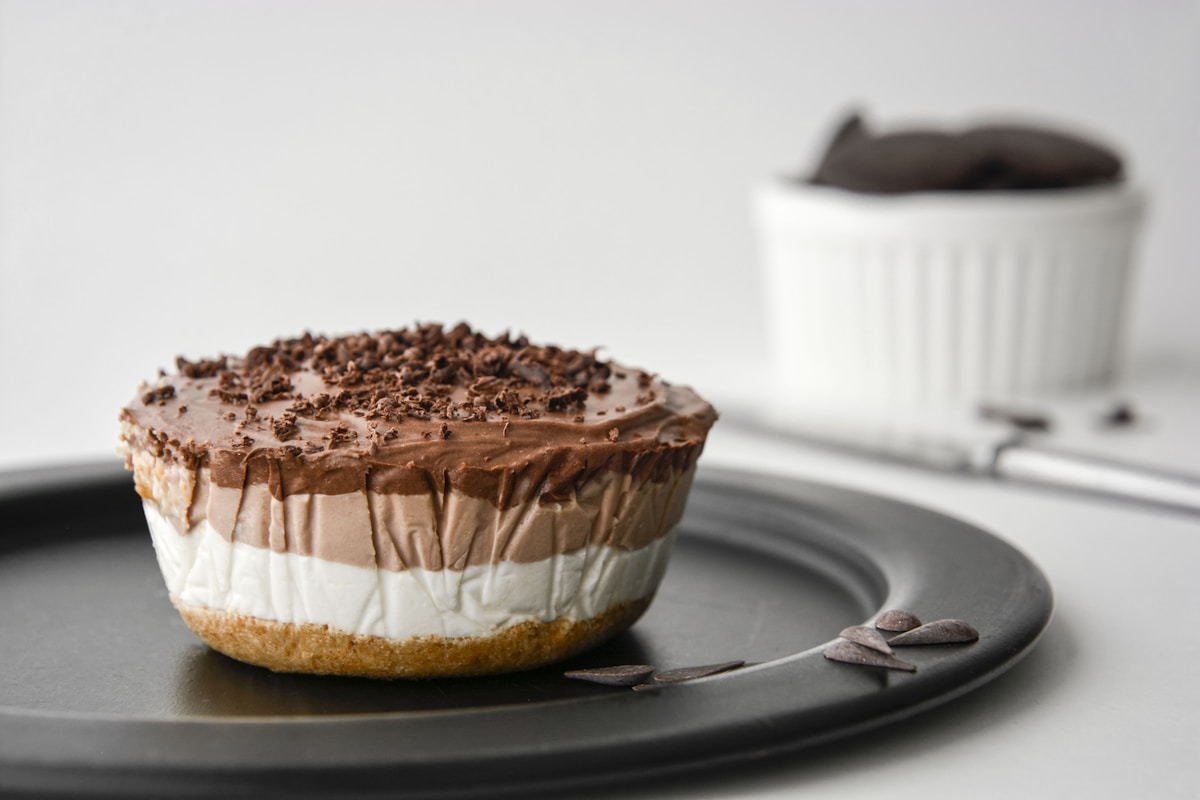
Why Should You Use Toasted Meringue on Your Cheesecake?

Why Should You Use Toasted Meringue on Your Cheesecake?

We’ve all been there. You spend hours crafting the perfect cheesecake—a silky, tangy key lime or a rich, decadent chocolate. You adorn it with beautiful, billowing clouds of whipped cream. It looks like a masterpiece. Then, you take it to a party, and within an hour on the buffet table, those proud peaks have slumped into a sad, watery puddle. It’s a moment of pure dessert tragedy.

Why Is Chilling Dough Essential for Slice and Bake Cookies?

Why Is Chilling Dough Essential for Slice and Bake Cookies?

You’ve spent hours meticulously assembling a beautiful checkerboard cookie dough log. The lines are perfect, the colors are vibrant, and you can already imagine the “oohs” and “aahs.” You slice it, bake it, and pull out the tray… only to find a single, mottled, blurry cookie-puddle. The sharp squares have melted into sad, rounded blobs. It’s a moment of pure baking heartbreak, and one I know all too well.

Why Do My Checkerboard Cookies Fall Apart When I Slice Them?

Why Do My Checkerboard Cookies Fall Apart When I Slice Them?

There are few moments in baking more visually satisfying than slicing into a perfectly assembled log of checkerboard cookie dough. You see those crisp, clean lines, the beautiful contrast of light and dark. But there is also a uniquely crushing moment when, instead of a perfect mosaic, the whole thing crumbles and separates under the knife. All that careful work, all that precise stacking, undone in an instant.

Can You Bake a Perfectly Creamy Cheesecake Without a Water Bath

Can You Bake a Perfectly Creamy Cheesecake Without a Water Bath

There’s a moment every baker knows. It’s the quiet hour after you’ve pulled a magnificent cheesecake from the oven. It sits on the counter, golden and proud. You walk away, and when you return, a deep, jagged fissure has split its perfect surface. The dreaded crack. For years, the gospel solution has been the bain-marie, or water bath—a fussy, sloshy, and often leaky insurance policy against this very problem.

How Do You Stop a Sculpted Cake from Falling Apart

How Do You Stop a Sculpted Cake from Falling Apart

You’ve seen them on social media: incredible cakes sculpted into the shape of a beloved pet, a favorite character, or even a slithering frog. You feel a surge of inspiration. You can do that! Hours are spent baking, carving, and decorating. But then, as you step back to admire your work, you notice a slight lean. A bulge appears on the side. Before you can intervene, your masterpiece suffers a catastrophic structural failure, slumping into a sugary, heartbreaking pile.

How Can You Make a Lamb Cake That Actually Looks Like a Lamb?

How Can You Make a Lamb Cake That Actually Looks Like a Lamb?

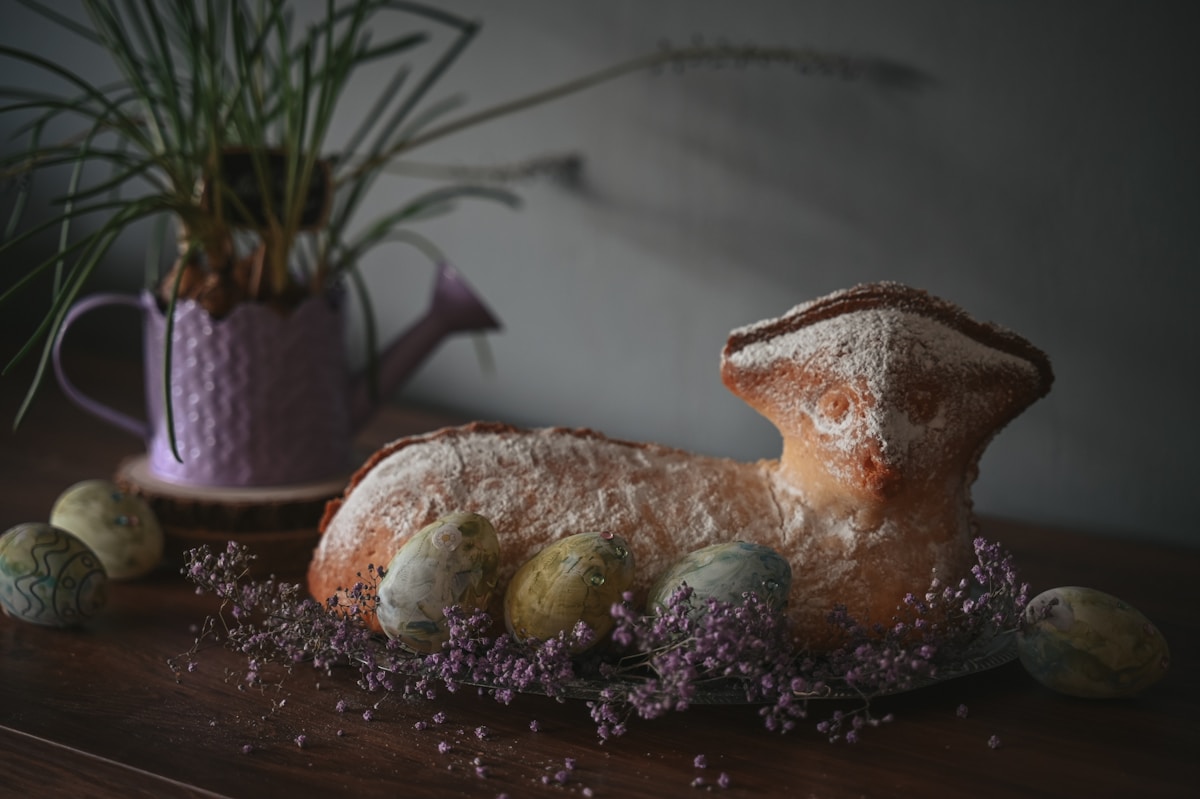
There it is, sitting in your cupboard—a piece of family history. It might be your grandmother’s cast aluminum lamb cake mold, a treasure from a thrift store, or a brand-new purchase for a spring celebration. You can picture it perfectly: a sweet, woolly lamb, sitting proudly on a bed of coconut grass, the centerpiece of your Easter table. But there’s a whisper of fear, isn’t there? A fear born from countless internet photos of ‘cake fails’—lopsided creatures, headless lambs, and featureless blobs that look more like sleeping sheepdogs.