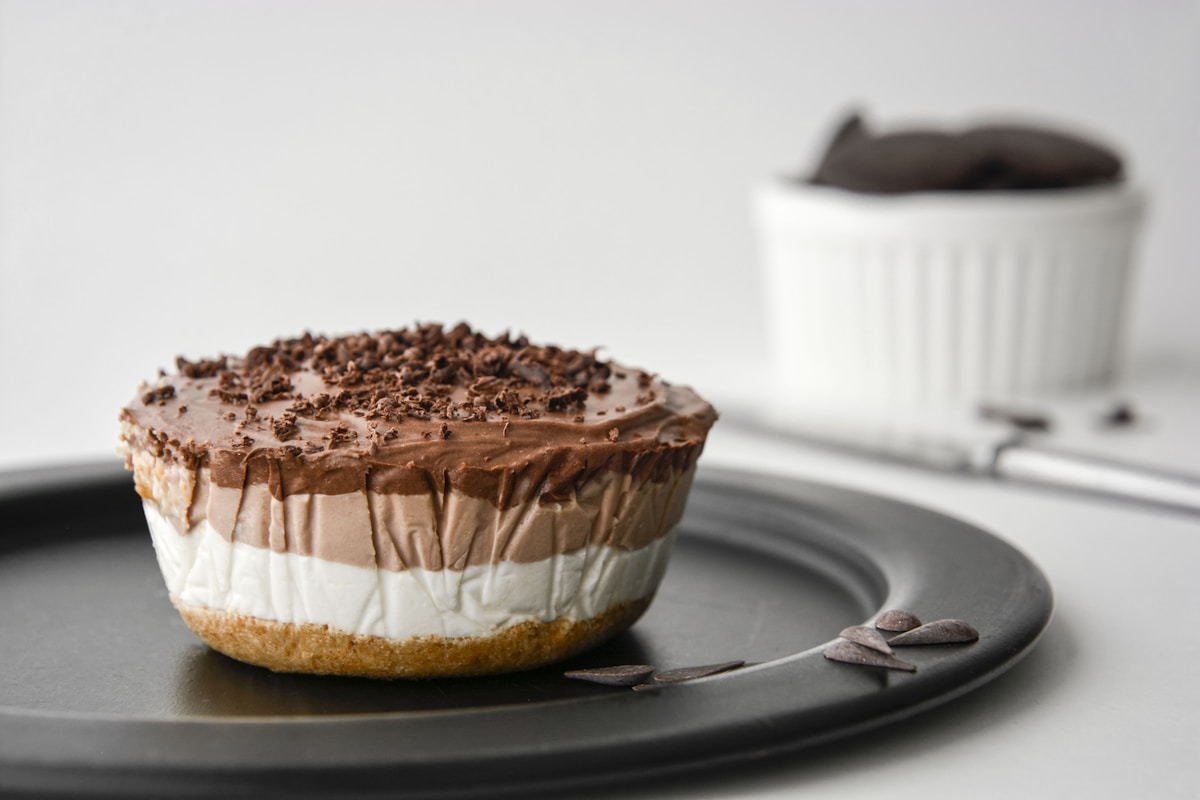
You’ve seen them online—those breathtaking cakes with a perfect, dense layer of cheesecake nestled between two layers of fluffy vanilla sponge. The cross-section is a marvel of texture and flavor, a dessert that promises the best of both worlds. But if you’re a home baker, that image is likely followed by a wave of anxiety. How do you keep the whole structure from bulging, sliding, or collapsing under its own delicious weight?
This isn’t just about stacking. It’s about engineering. Baking, after all, is chemistry you can eat, and this particular project is a masterclass in structural integrity, temperature control, and understanding how different batters and creams interact. It’s a challenge, absolutely, but it’s one that is completely achievable in a home kitchen with a bit of patience and a healthy respect for the science involved. Let’s break down the process, component by component, so you can build this showstopper with confidence.
The Science of Two Worlds Colliding
At its core, the difficulty lies in the fundamental differences between cake and cheesecake. A classic butter cake gets its structure from a network of gluten, developed from flour, and its lift from chemical leaveners like baking powder. It’s airy, tender, and relatively light.
Cheesecake is the opposite. It’s an emulsion of fat (cream cheese, eggs, cream) with very little flour, if any. It’s a baked custard, essentially. Its structure is dense, heavy, and relies on the coagulation of egg proteins and the solidification of dairy fats when chilled. You are quite literally placing a delicious, creamy brick inside a delicate sponge.
This is why your standard American buttercream, a simple mixture of powdered sugar and butter, will fail you here. It lacks the structural stability to act as mortar between these two disparate layers. Furthermore, temperature is everything. Attempting to assemble this cake with even slightly warm components is a recipe for disaster. The heat will soften the fats in both the cheesecake and the buttercream, causing the layers to slip, slide, and bulge outwards. Each component must be completely cooled and chilled to create a stable, workable foundation.
Component 1 The Cheesecake Foundation
The key to a successful cheesecake layer is creating one that is firm, dense, and baked to perfection without cracks. For this, a low-and-slow bake in a water bath is non-negotiable. This method, a bain-marie, ensures the custard bakes evenly and gently, preventing the eggs from curdling and the top from cracking.
Recipe: The Uncrackable Vanilla Bean Cheesecake Layer
- Pan: One 8-inch springform pan
- Ingredients:
- For the crust: 1.5 cups (150g) graham cracker crumbs, 2 tbsp (25g) granulated sugar, 5 tbsp (70g) unsalted butter, melted.
- For the filling: 16 oz (452g) full-fat cream cheese (like Philadelphia brand), softened to room temperature; 2/3 cup (133g) granulated sugar; 2 large eggs, room temperature; 1/2 cup (120g) full-fat sour cream, room temperature; 1 tsp vanilla bean paste.
Method:
- Preheat your oven to 325°F (163°C).
- Combine graham cracker crumbs, sugar, and melted butter. Press firmly into the bottom of the 8-inch springform pan. Bake for 10 minutes, then let it cool.
- Wrap the outside of the springform pan in two layers of heavy-duty aluminum foil to waterproof it.
- In a stand mixer (a KitchenAid is perfect for this) fitted with the paddle attachment, beat the softened cream cheese on medium-low speed until completely smooth. Scrape down the bowl. (This is the most important step to avoid lumps.)
- Add the sugar and beat until combined. Add the eggs one at a time, mixing on low speed until just incorporated. Do not overmix!
- Gently fold in the sour cream and vanilla bean paste.
- Pour the batter over the cooled crust. Place the pan inside a larger roasting pan and fill the roasting pan with about 1 inch of hot water.
- Bake for 55-65 minutes, until the edges are set but the center still has a slight wobble.
- Turn off the oven, crack the door open, and let the cheesecake cool in the oven for 1 hour. This gradual cooling also prevents cracking.
- Remove from the oven, let it cool to room temperature, then chill in the refrigerator for a minimum of 6 hours, but overnight is far better. It must be cold and firm all the way through.
Component 2 The Supportive Cake Layers
You need a cake with a fine, stable crumb. A delicate chiffon or an overly light sponge will be crushed. A reverse-creamed butter cake is an excellent choice because it produces a tender yet sturdy crumb structure.
Recipe: Sturdy Vanilla Butter Cake
- Pans: Two 8-inch round cake pans
- Ingredients:
- 2.5 cups (300g) all-purpose flour (I recommend King Arthur for its consistency)
- 1.75 cups (350g) granulated sugar
- 1.5 tsp baking powder
- 1 tsp salt
- 1 cup (227g) unsalted butter, softened but still cool, cut into cubes
- 4 large egg whites, room temperature
- 1 cup (240ml) buttermilk, room temperature
- 2 tsp vanilla extract
Method:
- Preheat oven to 350°F (175°C). Grease and flour your cake pans.
- In the bowl of a stand mixer, whisk together the flour, sugar, baking powder, and salt.
- With the mixer on low, add the cubed butter one piece at a time, mixing until the texture resembles coarse sand.
- In a separate bowl, whisk together the egg whites, buttermilk, and vanilla.
- Pour half of the wet ingredients into the dry ingredients and mix on low until just combined. Increase speed to medium and beat for 90 seconds.
- Add the remaining wet ingredients in two additions, mixing on low for 20-30 seconds after each, just until incorporated. Do not overmix.
- Divide the batter evenly between the prepared pans. Bake for 30-35 minutes, or until a toothpick inserted into the center comes out clean.
- Let the cakes cool in their pans for 15 minutes before inverting them onto a wire rack to cool completely. Once at room temp, wrap them in plastic and chill for at least an hour to make them easier to handle and level.
The Structural Engineer’s Buttercream
This is the glue that holds your masterpiece together. Swiss Meringue Buttercream (SMBC) is an emulsion of egg whites, sugar, and a staggering amount of butter. It’s silky, not overly sweet, and incredibly stable when chilled, making it the perfect choice.
Recipe: Silky Swiss Meringue Buttercream
- Ingredients:
- 5 large egg whites
- 1.5 cups (300g) granulated sugar
- 2 cups (454g or 4 sticks) unsalted butter, cubed and at room temperature
- 1.5 tsp vanilla extract
- Pinch of salt
Method:
- Wipe the bowl and whisk of your stand mixer with vinegar to ensure they are completely free of fat.
- In the mixer bowl, whisk together the egg whites and sugar. Place this bowl over a saucepan of simmering water (a double boiler), making sure the water doesn’t touch the bottom of the bowl.
- Whisk constantly until the sugar has completely dissolved and the mixture reaches 160°F (71°C) on an instant-read thermometer.
- Transfer the bowl to your stand mixer fitted with the whisk attachment. Whisk on high speed until the meringue is glossy, stiff, and the outside of the bowl is completely cool to the touch (about 10-15 minutes).
- Switch to the paddle attachment. With the mixer on low speed, add the cubed butter a few pieces at a time. The mixture may look curdled or soupy. (Do not panic! This is normal.)
- Keep mixing on medium speed, and it will magically come together into a smooth, silky buttercream. Mix in the vanilla and salt.
Kitchen Hack: If your SMBC is soupy, your butter was too warm. Chill the whole bowl in the fridge for 15 minutes and try whipping again. If it’s curdled and chunky, the mixture is too cold. Gently warm the sides of the bowl with a kitchen torch or a warm towel for a few seconds while the mixer is running.
The Grand Assembly A Step-by-Step Guide
With all your components prepared and thoroughly chilled, it’s time for construction.
- Level Everything: Use a serrated knife or a cake leveler to trim the domes off your cake layers so they are perfectly flat. Your cheesecake should already be flat from the springform pan.
- The First Layer: Place one cake layer on your serving plate or cake board.
- Build the Dam: Fill a piping bag with SMBC. Pipe a thick, sturdy ring of buttercream around the top edge of the cake layer. This dam is critical—it will contain the filling and support the weight of the cheesecake.
- Optional Filling: You can spread a very thin layer of buttercream inside the dam or add a complementary filling like a mixed berry reduction. Don’t overfill it.
- Place the Cheesecake: Carefully remove your cold cheesecake from the springform pan. Gently slide it off the base and center it perfectly inside the buttercream dam on your first cake layer.
- The Second Dam: Pipe another thick dam of buttercream around the top edge of the cheesecake layer.
- Place the Top Layer: Gently place your second leveled cake layer on top.
- The Crumb Coat: Apply a thin, messy layer of buttercream over the entire cake to trap any loose crumbs. Use an offset spatula to get it as smooth as possible. Chill the cake in the refrigerator for at least 30 minutes until the crumb coat is firm to the touch.
- The Final Coat: Apply your final, beautiful layer of SMBC and decorate as desired. Chilling the cake one last time before serving will ensure clean, dramatic slices.
This process requires patience. It’s not a quick afternoon project. But when you slice into that finished cake and see the perfect, distinct layers, and taste the incredible contrast of creamy cheesecake and tender cake, you’ll know every step was worth it. You haven’t just baked a cake; you’ve constructed a dessert masterpiece.