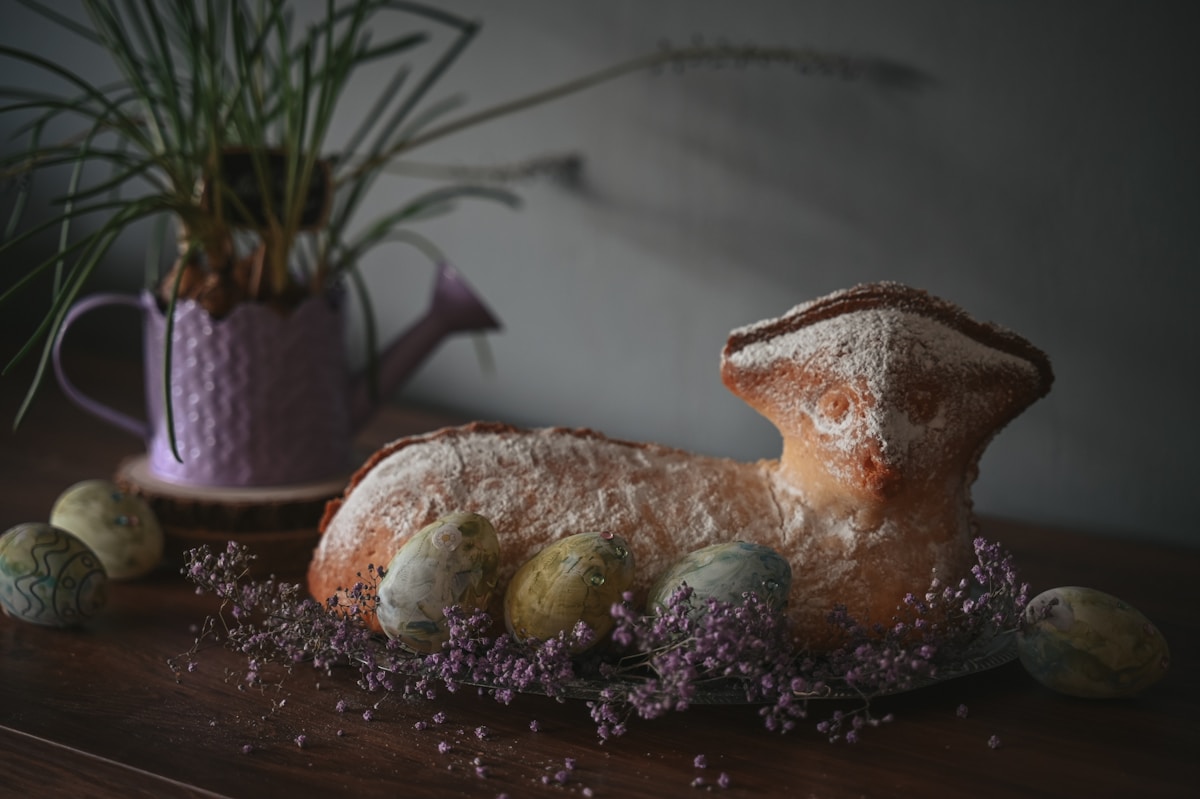
You’ve seen them on social media: incredible cakes sculpted into the shape of a beloved pet, a favorite character, or even a slithering frog. You feel a surge of inspiration. You can do that! Hours are spent baking, carving, and decorating. But then, as you step back to admire your work, you notice a slight lean. A bulge appears on the side. Before you can intervene, your masterpiece suffers a catastrophic structural failure, slumping into a sugary, heartbreaking pile.
This is a common tragedy in the world of ambitious baking, but it’s not a failure of artistic skill. It’s a failure of physics and chemistry. Building a stable, three-dimensional cake is less about decoration and more about engineering. By understanding the science behind the structure, you can build with confidence and ensure your creation stands tall. Let’s break down the science of cake architecture.
The Foundation It’s All About Crumb Density
Your first decision is the most critical: the cake itself. A light, airy sponge or a fluffy boxed mix is wonderful for a simple layer cake, but for sculpting, it’s a disaster waiting to happen. These cakes have a delicate, open crumb structure filled with air pockets. They simply cannot bear weight and will compress and crumble under pressure.
What you need is a cake with a dense, tight, and sturdy crumb. This is where the chemistry of your ingredients comes into play. You’re looking for recipes that are high in fat, which tenderizes the crumb while providing structural integrity.
My top choices for a structural cake are:
- Pound Cake: The classic choice for a reason. Traditionally made with a pound each of butter, sugar, eggs, and flour, its dense, buttery crumb is a dream to carve. The high fat content from the butter creates a fine, tight crumb that holds its shape beautifully.
- Chocolate Mud Cake: This is my personal favorite for complex sculptures. Often made with oil or a combination of butter and oil, melted chocolate, and sometimes coffee, it results in a fudgy, strong, and moist cake that resists drying out during the long decorating process. The cocoa solids and fat from the chocolate contribute significantly to its stability.
When you bake your chosen recipe, make sure it’s baked thoroughly. An underbaked center will be a major weak point. A skewer inserted into the middle should come out with dry crumbs, not wet batter. Once baked, allow the cakes to cool completely, then wrap them tightly in plastic wrap and chill them for at least a few hours, or preferably overnight. A cold cake is a firm cake, and that is essential for the next step: carving.
Internal Engineering The Unseen Support System
No multi-tiered or gravity-defying cake can stand on its own. It requires an internal skeleton, just like a building needs a steel frame. This is where dowels and cake boards come in.
For any part of a cake that sits on top of another piece of cake, you must have a support system. Here’s the fundamental principle: the weight must be transferred down to the baseboard, not onto the cake below it.
Let’s say you’re making a sitting dog. The torso sits on the base, and the head sits on the torso. You would assemble it like this:
- Place the torso cake layers on your main cake drum (the final base).
- Insert 3-4 support dowels (plastic or thick wooden ones) into the torso cake, cutting them precisely to the same height as the cake layer. This creates a hidden ’table’ for the next tier.
- Place the head cake, which should be on its own smaller cardboard cake circle, directly on top of the dowels. The cardboard circle rests on the dowels, so the head’s weight is transferred through the dowels to the base, completely bypassing the soft torso cake.
Your fillings are just as important. A soft, slippery filling like a fruit compote or a light whipped cream will act as a lubricant, causing your cake layers to slide and bulge. You need fillings that set firm.
- Chocolate Ganache: A mixture of chocolate and heavy cream. When it cools, it sets into a firm, fudgy layer that essentially glues your cake layers together. For a 2:1 ratio (two parts chocolate to one part cream), you’ll get a ganache that sets rock hard—perfect for external structure.
- American Buttercream: Made with powdered sugar and butter, a ‘crusting’ American buttercream can be made stiff enough to act as a dam, holding in softer fillings and providing stability between layers.
Once your cake is filled, the most critical step is to let it chill and settle. I recommend a minimum of 4 hours in the refrigerator, or until the entire cake feels solid and cold to the touch, around 40°F (4°C). This allows the fats in the ganache or buttercream to solidify completely, turning your layered cake into a single, stable unit.
The ‘Crumb Coat’ Your Cake’s Secret Armor
Before you can even think about the final, beautiful layer of decoration, you must apply a crumb coat. This is a thin layer of buttercream or ganache that is applied all over the outside of your carved cake. Its purpose is twofold, and both are vital.
First, it traps every single loose crumb. If even one of these crumbs gets into your final layer of fondant or buttercream, it will create a frustrating, unsightly bump. Second, and more importantly for structure, the crumb coat acts like a sealant or primer. It fills in any small gaps or imperfections, creating a single, cohesive surface and adding a thin, rigid shell to your cake once it’s chilled.
The process is simple but must be done correctly:
- Using an offset spatula, apply a very thin layer of buttercream or ganache over the entire surface of your chilled, carved cake.
- Don’t worry about it being perfect. The goal is just to cover everything.
- Take a bench scraper or the flat edge of your spatula and smooth the surface, scraping off any excess. You should be able to see the cake through the thin layer.
- Place the entire cake back into the refrigerator to chill for at least 30-60 minutes. This step is non-negotiable. You need this ‘armor’ to be completely firm and cold before you proceed. This hard, smooth canvas is what makes a flawless final finish possible.
A Practical Kitchen Hack Cake Spackle
When you’re carving your cake, you’ll inevitably have offcuts and a pile of cake crumbs. Do not throw these away! This is baking gold. Take these scraps, place them in a bowl, and add a tablespoon or two of your buttercream or ganache. Mix it all together with a spatula or your hands until it forms a thick, clay-like paste.
This is ‘cake spackle,’ and it’s a sculptor’s best friend. You can use it to fill in any accidental divots, patch up holes, or even build out small features like a nose, an eyebrow ridge, or knuckles on a hand. It’s perfectly carvable once chilled and creates a seamless surface. (Your future self will thank you for this one.)
The Final Assembly Bringing It All Together
With your cake components baked, chilled, carved, and crumb-coated, the final assembly is where the magic happens. Your surfaces are now stable, smooth, and ready for their final decorative layer, whether that’s a pristine sheet of fondant or a perfectly smoothed final coat of buttercream.
Because you’ve invested time in building a solid internal structure, you don’t have to worry about sagging, bulging, or leaning. The science has done the heavy lifting. Now, you can focus purely on the art.
Creating a sculpted cake is undeniably a time-consuming project. It requires patience and a methodical approach. But the emotional payoff—seeing the look of joy on someone’s face when they see a cake that looks exactly like their dog—is immeasurable. By respecting the physics of your ingredients and building from the inside out, you transform a nerve-wracking gamble into a predictable and deeply rewarding creative process.