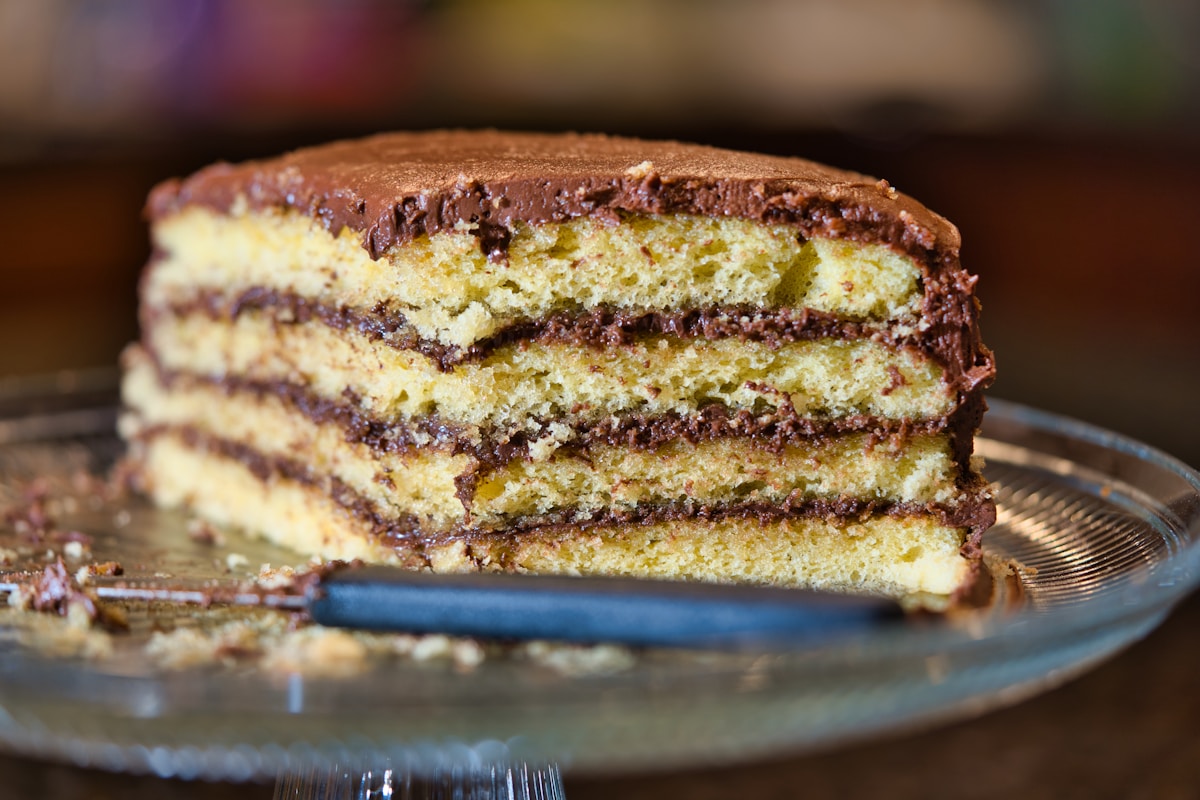
Have you ever tasted a frosting so impossibly smooth and light it feels like a cloud? It’s not overly sweet, it pipes like a dream, and it holds its shape perfectly on a wedding cake. That, my friends, is the magic of Swiss Meringue Buttercream (SMBC). But adding fruit, especially something as vibrant as blackberry, introduces a new level of challenge. Many bakers try, only to end up with a soupy, curdled mess.
Today, we’re not just following a recipe; we’re diving into the chemistry of creating a flawless Blackberry Swiss Meringue Buttercream. We’ll demystify the process, troubleshoot the scary parts, and give you the confidence to master this truly elegant frosting. Let’s turn that potential disaster into a delicious triumph.
The Science of a Silky, Stable Emulsion
Before we touch a whisk, it’s crucial to understand why SMBC is so different from the standard American buttercream you might be used to. American buttercream is a simple mixture of powdered sugar and fat (usually butter). It’s quick, but it can be intensely sweet and often has a slightly gritty texture from the undissolved sugar.
Swiss Meringue Buttercream is an emulsion—a stable mixture of fat (butter) and water (from the egg whites). The process is more involved, but the payoff is immense.
-
The Meringue Base: We start by gently heating egg whites and granulated sugar over a double boiler. This isn’t just for show. Heating to 160°F (71°C) accomplishes two critical things. First, it completely dissolves the sugar crystals, which is the secret to that signature silky-smooth texture. Second, it pasteurizes the egg whites, making them completely safe to consume. The science here is simple: heat denatures proteins and eliminates pathogens.
-
Building the Structure: Once heated, we whip the sugar-egg white mixture into a stiff, glossy meringue. This incorporates air and creates a strong, stable protein structure. This meringue is the foundation of our buttercream.
-
The Emulsification: Finally, we slowly incorporate room-temperature butter into the cooled meringue. This is where the magic—and potential panic—happens. The fat from the butter disperses into the water-based meringue, creating a strong, stable emulsion. Temperature is everything here, and we’ll cover that in detail.
Understanding these steps as a scientific process, rather than just a list of instructions, is the key to mastering SMBC.
Your Toolkit for Success
Having the right tools makes a world of difference. This isn’t the time for guesswork. Precision is your best friend.
- A Stand Mixer: While you can make this with a hand mixer, a stand mixer (like a KitchenAid) is highly recommended. The whipping times are long, and a stand mixer provides the power and stability needed.
- A Double Boiler: You’ll need a heatproof bowl (preferably the metal bowl of your stand mixer) that fits snugly over a saucepan of simmering water without touching the water itself.
- A Digital Instant-Read Thermometer: This is non-negotiable. Accurately measuring the temperature of your egg whites is critical for both safety and texture.
- Whisk and Paddle Attachments: You’ll start with the whisk to make the meringue and switch to the paddle to incorporate the butter and flavoring.
- Fine-Mesh Sieve: Essential for creating a seedless blackberry reduction.
Ingredients:
- 5 large Egg Whites (about 150g)
- 1 ¼ cups (250g) Granulated Sugar
- 1 ½ cups (340g) Unsalted Butter, cubed and at cool room temperature (around 65°F / 18°C)
- 1 ½ teaspoons Pure Vanilla Extract
- Pinch of Salt
- 12 oz (340g) Fresh or Frozen Blackberries
Crafting the Perfect Blackberry Reduction
Here’s a common mistake: adding watery fruit puree directly to the buttercream. This will break your beautiful emulsion in a heartbeat by introducing too much water. The solution is to create a thick, potent fruit reduction first.
-
Puree the Berries: Place the blackberries in a blender or food processor and blend until completely smooth.
-
Strain Out the Seeds: Push the puree through a fine-mesh sieve into a small saucepan. Use a spatula to press on the solids, extracting as much liquid as possible. Discard the seeds.
-
Reduce, Reduce, Reduce: Place the saucepan over medium-low heat. Bring the puree to a gentle simmer, stirring occasionally to prevent scorching. Let it simmer and reduce for about 15-20 minutes. You’re looking for it to become a very thick paste, reduced by at least half. It should be the consistency of tomato paste. (A great visual cue is when you can drag a spoon across the bottom of the pan and the trail stays open for a second.)
-
Cool Completely: Transfer the reduction to a small bowl and let it cool to room temperature. You can speed this up in the refrigerator, but bring it back to room temp before using. Adding a warm reduction will melt your buttercream.
The Step-by-Step Method to Flawless SMBC
Take a deep breath. We’re going to walk through this together. Remember, temperature is key.
-
Heat the Whites and Sugar: Fill a saucepan with about an inch of water and bring it to a simmer. Place your stand mixer bowl on top, ensuring the bottom doesn’t touch the water. Add the egg whites and sugar to the bowl. Whisk constantly but gently until the mixture reaches 160°F (71°C) on your digital thermometer. The sugar should be completely dissolved. (Test this by rubbing a small amount between your fingers; it should feel perfectly smooth.)
-
Whip the Meringue: Immediately transfer the bowl to your stand mixer fitted with the whisk attachment. Start on medium speed and gradually increase to high. Whip for 10-15 minutes, until the meringue is stiff, glossy, and—most importantly—the outside of the bowl feels completely cool to the touch (room temperature).
-
Incorporate the Butter: Switch to the paddle attachment. With the mixer on low-medium speed, begin adding your cubed, room-temperature butter one piece at a time. Wait until each piece is mostly incorporated before adding the next.
-
The “Scary” Stage: At some point, the mixture will likely look curdled or soupy. DO NOT PANIC. This is a normal part of the emulsification process. The fats and liquids are just figuring each other out. Just keep the mixer running, and within a few minutes, it will magically come together into a thick, smooth, and cohesive buttercream. (Trust me on this one.)
-
Add the Flavor: Once the buttercream is perfectly smooth, add the vanilla extract and salt and mix on low. Then, add your completely cooled blackberry reduction. Mix on low speed for about one minute, just until everything is combined and the color is uniform. Don’t overmix here, or you might incorporate too much air.
Troubleshooting Common Buttercream Disasters
Even with a perfect method, things can go wrong. Here’s how to fix the most common issues.
-
It Looks Curdled and Won’t Come Together: Your butter was likely too warm, or the meringue hadn’t cooled enough. The fat is partially melted and can’t emulsify. The Fix: Place the entire mixing bowl in the refrigerator for 15-20 minutes to chill the butter. Then, return it to the mixer and rewhip on medium-high. It should come together beautifully as the fat firms up.
-
It’s Thick and Looks Like Cottage Cheese: Your butter was too cold. The cold fat isn’t able to break down and incorporate smoothly. The Fix (and a Kitchen Hack!): You need to gently warm the mixture. My favorite trick is to use a hairdryer on a low setting, moving it around the outside of the metal bowl for 10-15 seconds while the mixer is running. You can also use a kitchen torch for a few seconds. Alternatively, warm a small portion (about 1/4 cup) in the microwave until just melted, then stream it back into the buttercream as it whips.
-
It’s Soupy and Thin: This is almost always a temperature issue. Either the meringue was way too warm when you added the butter, or your kitchen is very hot. The Fix: Same as the curdled fix. A 20-minute trip to the fridge is your best bet. Chill, then rewhip.
Mastering Swiss Meringue Buttercream is a true baking milestone. It requires patience and a little bit of science, but the result is a frosting that is unrivaled in texture and flavor. The deep, tart notes of the blackberry reduction cut through the richness of the butter, creating a balanced and sophisticated topping for any cake or cupcake. Go ahead, give the chemistry a try—I promise it’s delicious.