Why Does My Cheesecake Crack and How Can I Prevent It?

Why Does My Cheesecake Crack and How Can I Prevent It?

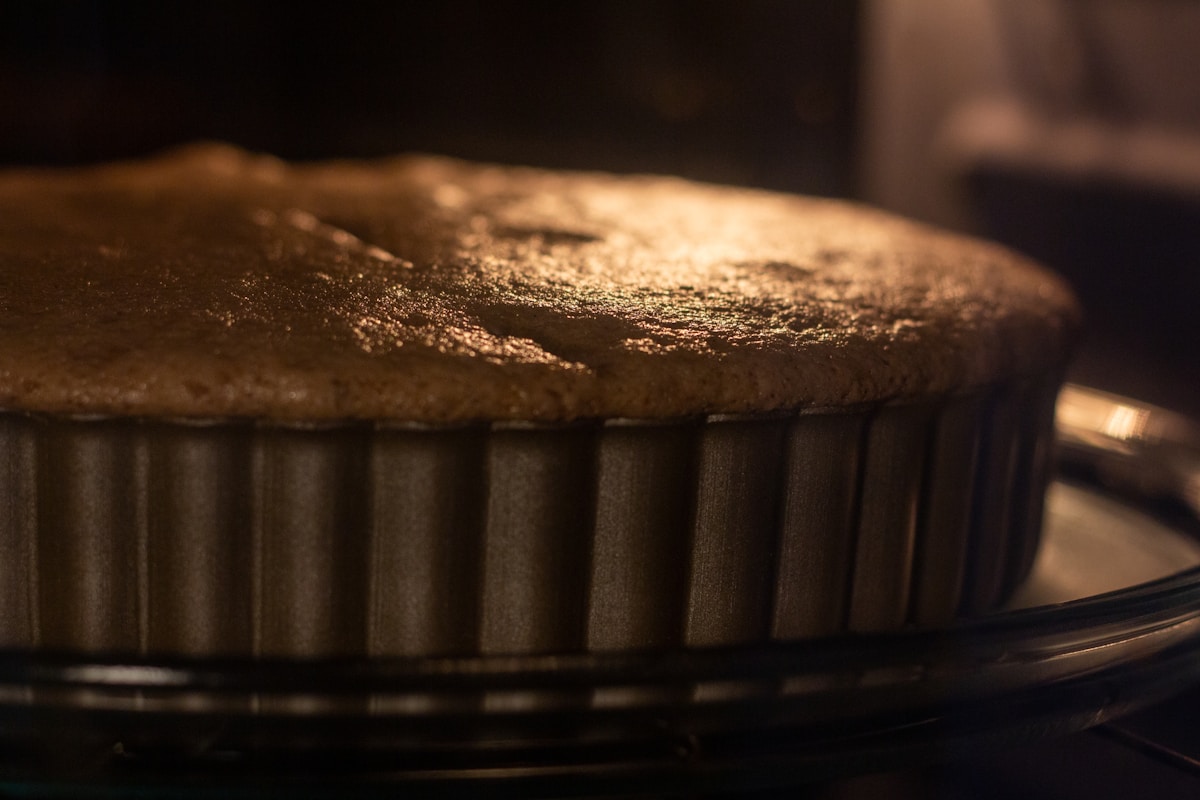
You carefully mix your cream cheese until silky, pour the batter into a buttered springform pan, and slide it into the oven. An hour later, you open the door to find a perfect golden surface… with a single, devastating crack running right down the middle. It’s a rite of passage for every home baker, but it doesn’t have to be permanent. Cracked cheesecake is almost always the result of a few predictable mistakes—and once you know the science, you can avoid them every time.

Why Are My Cake Layers Baking Unevenly in the Same Oven?

Why Are My Cake Layers Baking Unevenly in the Same Oven?

You followed the recipe to the letter. You measured your King Arthur flour with a scale, brought your eggs to room temperature, and creamed the butter and sugar until it was impossibly light and fluffy. You divided the batter perfectly between three identical pans. You set the timer, and the whole house filled with that glorious, warm vanilla scent.

Why Is My Apple Pie Filling Always Watery and How Do I Fix It?

Why Is My Apple Pie Filling Always Watery and How Do I Fix It?

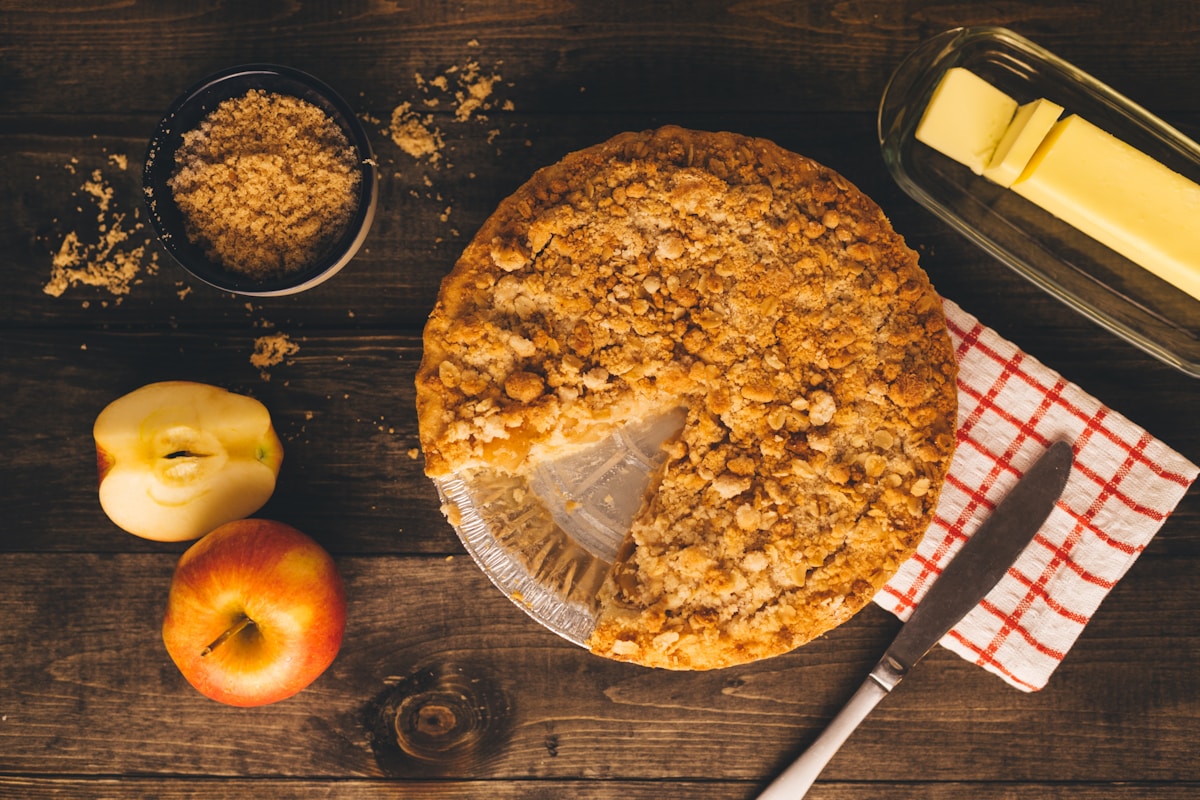
There are few kitchen heartbreaks as keen as pulling a beautiful, golden-brown apple pie from the oven, letting it cool with heroic patience, and then making that first slice… only to watch a watery, soupy filling flood the plate. The crust is perfect, the aroma is heavenly, but the filling has betrayed you. It’s a common frustration, but I want you to know it’s not a personal failure. It’s a chemistry problem. And like any good chemistry problem, it has a solution.

Why Are My Apples Still Crunchy In My Apple Pie?

Why Are My Apples Still Crunchy In My Apple Pie?

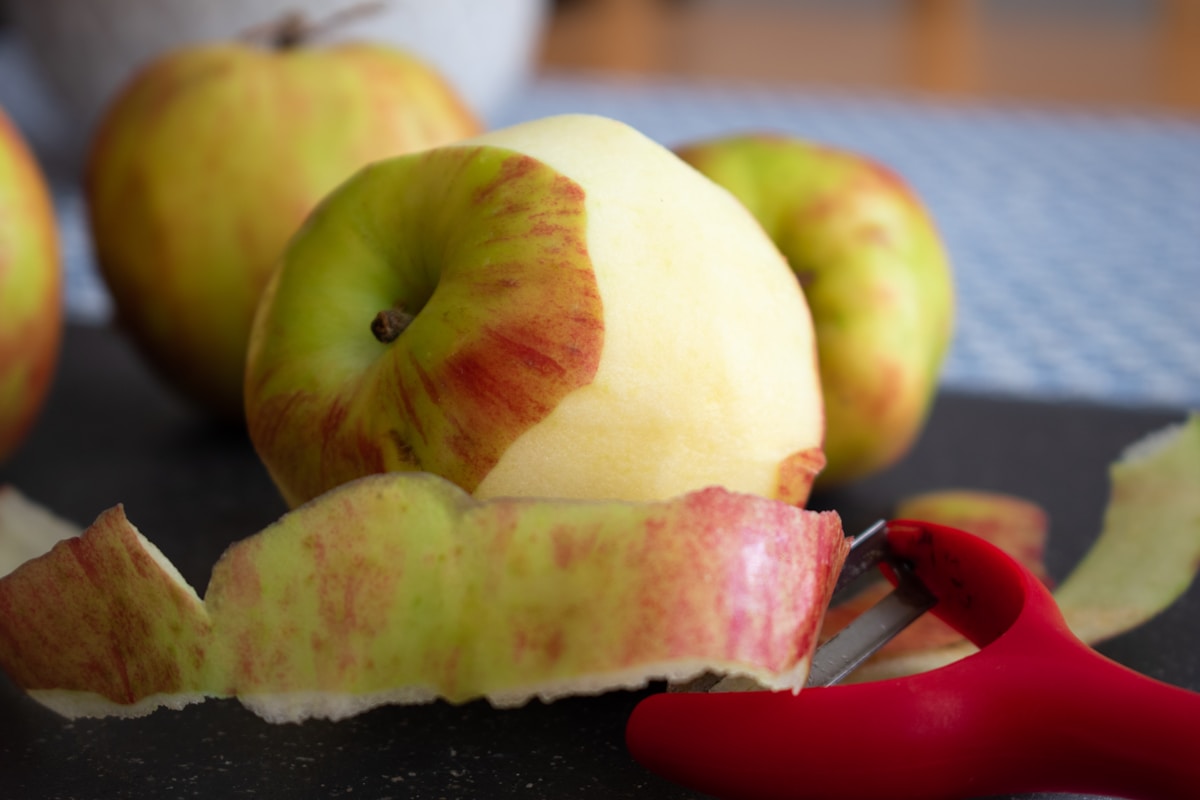
There’s a specific kind of baking heartbreak that I know all too well. You’ve spent hours crafting the perfect, all-butter pie crust. It’s chilled, rolled, and crimped beautifully. The pie bakes to a glorious golden-brown, filling your kitchen with the scent of cinnamon and caramelized sugar. You let it cool (im)patiently, slice a generous wedge, and take that first anticipated bite.

Are Silicone Pans Ruining Your Perfect Cakes

Are Silicone Pans Ruining Your Perfect Cakes

You’ve done everything right. You followed the recipe to the letter, creamed the butter and sugar until it was light and fluffy, and folded in the flour with the lightest touch. The batter was perfect. You slide the pan into your preheated oven, filled with anticipation. The timer goes off, a skewer comes out clean, and you pull out… a pale, slightly sweaty-looking cake. The edges are soft, not crisp, and the color is more anemic than golden brown.

Why Do My Blueberries Always Sink in Cake and Muffin Batter

Why Do My Blueberries Always Sink in Cake and Muffin Batter

Hello, fellow bakers. Lucas here. Let’s talk about a moment of quiet disappointment I know we’ve all shared. You pull a tray of beautiful, golden-domed blueberry muffins from the oven. The kitchen smells of toasted sugar and warm fruit. You let them cool for just the right amount of time before eagerly splitting one open, only to find… a dense, slightly purple layer of sadness at the bottom where every single blueberry has congregated.

Why does my sourdough starter overflow and how do I stop it?

Why does my sourdough starter overflow and how do I stop it?

You open the kitchen door and the scent hits you first: that distinct, tangy, slightly alcoholic aroma of very active fermentation. Your eyes land on the counter, and there it is. Your sourdough starter, a living, bubbling entity, has breached the confines of its jar, cascading down the side in a slow, sticky ooze. It’s a common sight for sourdough bakers, a moment that feels like both a failure of containment and, paradoxically, a sign of incredible success.

How Can I Stop Blueberries from Sinking in My Cake?

How Can I Stop Blueberries from Sinking in My Cake?

You’ve done everything right. The kitchen smells of warm sugar and zesty lemon. You pull a beautiful, golden-domed blueberry cake from the oven, admiring the plump, purple jewels peeking through the top. You let it cool, anticipation building, and then you make the first slice… only to find a dense, slightly soggy, purple layer at the very bottom. Every single berry has staged a mutiny, sinking straight to the base of the pan.

Why Does My Oven Burn Everything And How Can I Fix It?

Why Does My Oven Burn Everything And How Can I Fix It?

You followed the recipe with the precision of a surgeon. You measured the King Arthur flour, creamed the butter and sugar until it was light and fluffy, preheated the oven to exactly 350°F (177°C), and set the timer. Yet, halfway through, the bittersweet smell of burning sugar begins to creep from the oven door. It’s a scent every baker dreads. You pull out the tray to find the heartbreaking reality: the tops of your cookies are pale and doughy, but the bottoms are blackened discs of charcoal.

How Can I Stop My Cookies From Burning on the Bottom

How Can I Stop My Cookies From Burning on the Bottom

It’s one of the most frustrating moments in the kitchen. You followed the recipe perfectly. You measured the flour, softened the butter, and chilled the dough. The whole house smells like heaven. You pull the tray from the oven, slide a cookie off with your spatula, and there it is: the dark, acrid, burnt bottom. The top is golden perfection, but the base is a bitter, blackened tragedy.

Why Is My Silicone Bakeware Making My Cakes Pale and Dense?

Why Is My Silicone Bakeware Making My Cakes Pale and Dense?

You followed the recipe to the letter. You measured your King Arthur flour with a scale, brought your eggs to room temperature, and even splurged on that fancy vanilla extract. The batter was perfect. You poured it into your brightly colored, flexible silicone cake pan, popped it in the oven, and set the timer with high hopes.

Why Do My Cake Layers Bake Unevenly in the Same Oven?

Why Do My Cake Layers Bake Unevenly in the Same Oven?

You’ve done everything right. You followed the recipe to the gram, your butter was perfectly softened, and you folded the flour with the care of a surgeon. You pour the batter evenly into three identical 8-inch cake pans, slide them into your preheated oven, and set the timer. When it dings, you pull them out to find a baking disaster: one layer is perfectly golden, another has a burnt edge and a sunken middle, and the third looks pale and underdone.

How Do I Bake Multiple Cake Layers Evenly at Once

How Do I Bake Multiple Cake Layers Evenly at Once

You’ve done everything right. You followed the recipe to the gram, your butter was perfectly room temperature, and you folded the dry ingredients with the care of a surgeon. You divide the batter evenly between three 8-inch pans, slide them into your preheated oven, and set the timer. The dream is a towering, perfectly level three-layer cake.

Why Are the Apples in My Pie Still Crunchy?

Why Are the Apples in My Pie Still Crunchy?

There are few kitchen moments more promising than pulling a golden-brown apple pie from the oven. The crust is flaky, the aroma of cinnamon and baked fruit fills the air, and you can practically hear the angels sing. You let it cool (mostly), slice into it, take that first eager bite, and… crunch. The apples are firm, dense, and stubbornly raw. It’s a common frustration that can make even the most beautiful pie feel like a failure.

Why Does My Cake Bake Unevenly and How Can I Fix It?

Why Does My Cake Bake Unevenly and How Can I Fix It?

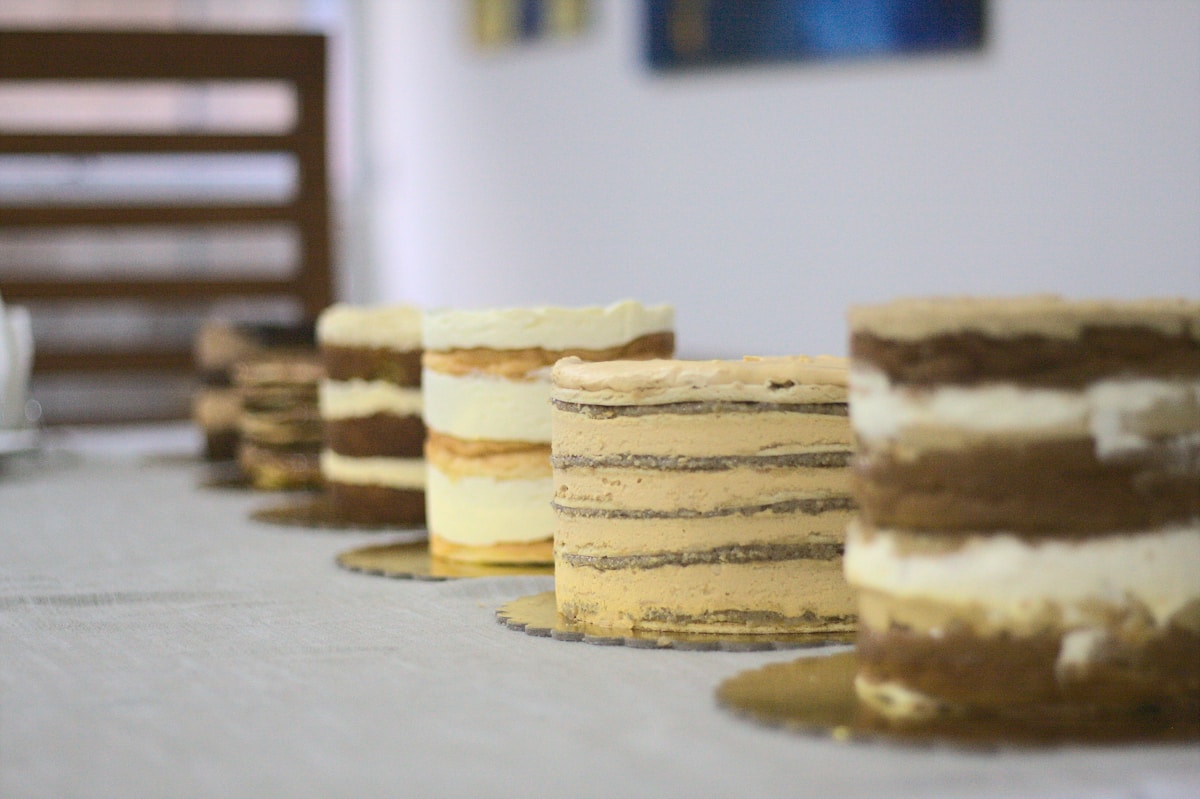
It’s a moment every baker knows. The timer chimes, and you pull three beautiful layers of cake from the oven. Except, they aren’t quite a matched set. One has a perfectly flat top. Another has a domed, cracked peak like a tiny volcano. And the third is golden brown on one side and pale on the other. It’s a frustratingly common problem, but it’s not a sign of failure. It’s a sign of chemistry at work, and once you understand the variables, you can control them.

How Can I Stop My Apple Pie Crust From Getting Soggy?

How Can I Stop My Apple Pie Crust From Getting Soggy?

There’s a moment every pie baker knows. The pie looks magnificent coming out of the oven—a golden, flaky top crust, sugar glistening, fragrant steam puffing from the vents. You let it cool, you slice into it, you lift out that first perfect wedge, and… there it is. The heartbreakingly pale, damp, and flimsy bottom crust.

Is Your Oven Secretly Lying About Its Temperature?

Is Your Oven Secretly Lying About Its Temperature?

You did everything right. You measured the flour meticulously, creamed the butter and sugar until it was fluffy and pale, and chilled the dough for exactly one hour. You arranged your perfect shortbread cookies on the baking sheet, slid them into the preheated oven, and set a timer. Yet, when the timer dinged, you were greeted not by golden-edged perfection, but by a tray of dark brown, borderline-burnt disappointments.

Why Is My Cake Not Browning In a Silicone Pan

You’ve done everything right. You measured your flour perfectly, creamed the butter and sugar until it was light and fluffy, and folded in the dry ingredients with a gentle hand. You slide the cake pan into a perfectly preheated oven. The timer goes off, the kitchen smells heavenly, and a toothpick comes out clean. But when you pull out the pan, your heart sinks a little. The cake is… pale. Anemic, even. It’s cooked through, but it’s missing that gorgeous, golden-brown crust that screams “I’m delicious.”

Why Are My Lemon Bars Runny and How Can I Fix Them

Why Are My Lemon Bars Runny and How Can I Fix Them

We’ve all been there. You pulled a pan of what looks like perfect lemon bars from the oven. The shortbread crust is golden, the top of the filling has that beautiful, pale yellow sheen. You let them cool (sort of), dust them with a snowy layer of powdered sugar, and grab a knife for that triumphant first slice.