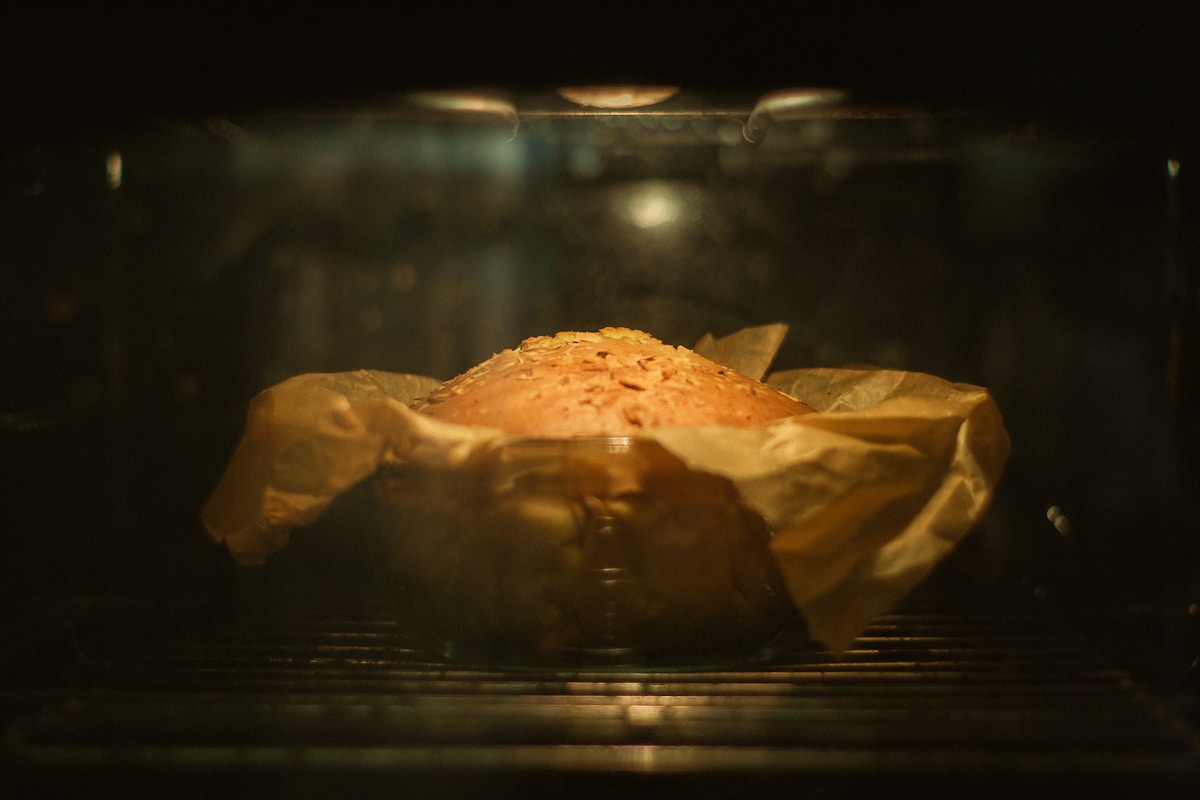
It’s one of the most frustrating moments in the kitchen. You followed the recipe perfectly. You measured the flour, softened the butter, and chilled the dough. The whole house smells like heaven. You pull the tray from the oven, slide a cookie off with your spatula, and there it is: the dark, acrid, burnt bottom. The top is golden perfection, but the base is a bitter, blackened tragedy.
A while back, a reader told me about their struggle with some beautiful dandelion shortbread. The first few cookies from every batch were sacrificial lambs to an oven that ran wild. It’s a story I’ve heard a hundred times, and let me tell you, it’s almost never the recipe’s fault. The culprits are hiding in plain sight: your oven and your baking sheets.
But here’s the good news. You don’t need a new, thousand-dollar oven to fix this. You just need to understand the tools you already have. Let’s break down why your cookies are burning and exactly how to put a stop to it for good.
The Real Culprits Your Oven and Your Pans
Before you blame the brown sugar to white sugar ratio, let’s perform a little diagnosis. The scorched earth on the bottom of your cookies is almost always caused by one of two things: intense, direct heat from below, or a pan that absorbs and transfers that heat way too aggressively.
First, your oven. Most home ovens are liars. The temperature you set on the dial is more of a hopeful suggestion than a binding contract. Ovens heat in cycles, with the heating element (usually at the bottom) kicking on to raise the temperature, then shutting off. This creates hot spots and fluctuations. If your oven rack is too low, your cookies are getting blasted with radiant heat every time that element fires up, guaranteeing a burnt underside.
Second, your baking sheet. This is the big one. Remember walking barefoot on dark asphalt on a sunny day versus walking on light-colored concrete? The same physics apply in your oven. Dark metal pans absorb more radiant heat and transfer it directly into the bottom of your cookies. Light-colored, shiny aluminum pans reflect a lot of that heat, which allows for a gentler, more even bake.
So, the combination of a low oven rack and a dark-colored baking sheet is the perfect storm for cookie catastrophe. (Your future self will thank you for understanding this.)
Your Best Investment is a Better Baking Sheet
As a gear reviewer, I’ve tested dozens of baking sheets, and I can say with absolute certainty that the right pan makes a monumental difference. If you’re using thin, dark, nonstick pans, you are fighting an uphill battle.
Here’s my breakdown of what works and what to avoid:
-
The Workhorse: Light-Colored Heavy-Gauge Aluminum: This is the gold standard for a reason. These pans, often called “half sheets,” are what professional bakers use. They are durable, distribute heat incredibly evenly, and their light color prevents the bottoms of your baked goods from burning. The Nordic Ware Natural Aluminum Commercial Baker’s Half Sheet is the undisputed king here. It costs about $15-$25 and will last you a lifetime. It is, without a doubt, the best value-for-money upgrade you can make to your baking arsenal.
-
The Specialist: Insulated Cookie Sheets: These are made from two layers of aluminum with a pocket of air in between. That air acts as an insulator, dramatically slowing down heat transfer to the bottom of the cookie. Brands like AirBake are famous for this. They are fantastic for delicate cookies like shortbread or sugar cookies, as they produce very pale, tender bottoms. The downside? They’re not as versatile. You won’t get great browning on roasted vegetables, and they can sometimes leave cookies a little under-baked in the center if you’re not careful.
-
The Problem Child: Dark Nonstick Pans: I know, they promise easy cleanup. But that dark coating absorbs heat like a sponge. If these are all you have, you can still make them work. The trick is to lower your oven temperature by 25°F (about 15°C) from what the recipe calls for and always, always line them with parchment paper. This creates a small buffer and can help mitigate the aggressive heating.
How to Tame Your Unruly Oven
Even with the perfect pan, an oven that runs hot or heats unevenly can still cause problems. It’s time to learn its quirks and bend it to your will.
1. Buy an Oven Thermometer: This is the single most important tool for any baker, and it costs less than $10. Do not skip this. An oven that’s set to 350°F could easily be running at 375°F or even 400°F. An inexpensive thermometer from a brand like Taylor or OXO will tell you the actual temperature inside. Place it in the center of the oven, preheat for at least 20 minutes, and then adjust your dial accordingly. Knowledge is power.
2. Find the Middle Ground: Your oven racks matter. The top position is great for browning the tops of things under the broiler. The bottom position is for crisping pizza crusts. For cookies, the middle rack is your sweet spot. It offers the most protection from the direct heat of both the bottom and top heating elements, promoting even air circulation all around.
3. Master the Mid-Bake Rotation: Most ovens are hotter in the back than in the front. To counteract this, set a timer for halfway through the recommended bake time. When it goes off, quickly open the oven, pull out the rack, and rotate the baking sheet 180 degrees. This ensures every cookie gets its fair share of time in the oven’s prime real estate, leading to perfectly even color across the entire batch.
My Favorite Hacks for Guaranteed Golden Bottoms
Once you’ve got the right pan and you understand your oven’s temperature, you can add a couple more layers of insurance.
Kitchen Hack: The Diffuser Sheet. This is my absolute favorite trick for ovens with ferocious bottom heating elements. Simply place a second, empty baking sheet on the lowest rack position in your oven. Leave it there for the entire preheating and baking process. This empty pan acts as a shield, absorbing and diffusing the most intense radiant heat from the element before it can scorch your cookies on the rack above. It’s simple, it’s free, and it works like a charm.
Parchment vs. Silicone: Lining your pan is non-negotiable for easy cleanup, but it also helps with heat regulation.
-
Parchment Paper: This should be your default. It creates a thin, airy buffer between the metal pan and the cookie dough. It prevents sticking and provides just enough insulation to slow down the browning on the bottom. I use it for almost every batch.
-
Silicone Mats (e.g., Silpat): These are thicker and provide even more insulation than parchment. They are fantastic for preventing cookies from spreading too much and are legendary for creating incredibly uniform, perfectly golden-brown bottoms. They are more expensive upfront (around $20-$30) but are reusable for years. I pull these out specifically for cookies that are prone to spreading, like lace cookies, or when I want a perfectly tender base.
Let’s Bake Some Burn-Proof Cookies
Talk is cheap. Let’s apply these principles to a classic chocolate chip cookie. Notice how the instructions are focused on technique, not just ingredients.
Burn-Proof Chocolate Chip Cookie Technique
-
Preparation: Place one oven rack in the absolute center of your oven. If you plan to use the diffuser hack, place a second empty pan on the lowest possible rack position. Place your oven thermometer on the center rack.
-
Preheat: Set your oven to 375°F (190°C). Wait until your separate oven thermometer confirms it has reached that temperature. (Don’t trust the oven’s preheat beep!)
-
The Setup: Line a light-colored aluminum baking sheet (like the Nordic Ware) with a sheet of parchment paper.
-
Baking: Scoop your favorite cookie dough onto the prepared sheet. Bake for 10-12 minutes. At the 6-minute mark, rotate the pan 180 degrees.
-
The Result: Pull the cookies when the edges are set and golden-brown, but the centers still look slightly soft. Let them cool on the pan for 5 minutes before transferring to a wire rack. Check the bottom. You should see an evenly baked, beautiful golden-brown surface, not a hint of black.
By combining a reliable pan, an accurate temperature reading, smart rack placement, and a mid-bake rotation, you’ve controlled all the variables. You’ve outsmarted the oven and guaranteed a perfect result. That’s what good technique is all about.