Should You Replace Water with Broth in Soup Recipes?

Should You Replace Water with Broth in Soup Recipes?

The Great Broth vs Water Debate

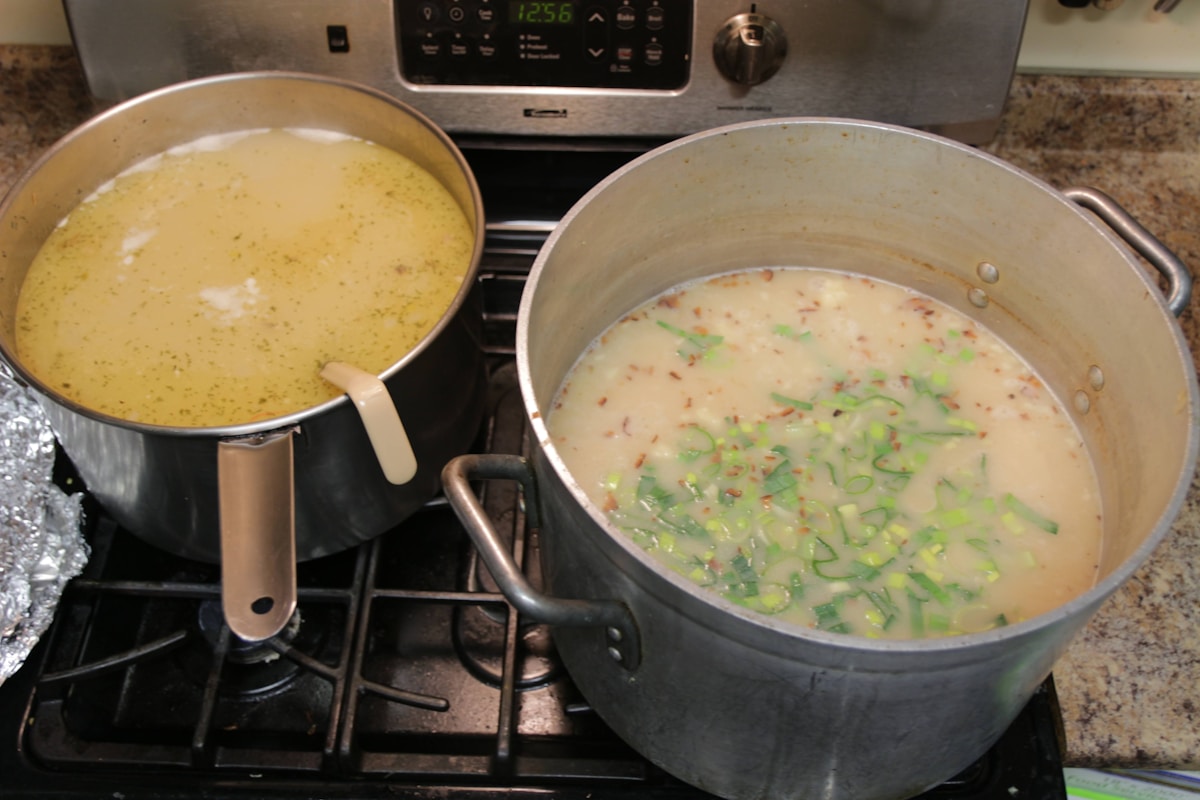
You’re standing at the stove, soup recipe in hand, and it says “add 4 cups of water.” But you just bought a carton of chicken broth from the store, and it feels like a missed opportunity. Surely more broth equals more flavor, right? This is exactly the dilemma that sparked a heated thread on Reddit’s r/Cooking community back in April 2025. One user confessed they always swap water for extra broth, while their mom insisted on following the original recipe. The comments were split—some agreed with the user, others defended the recipe as written. So who’s right? As with most cooking questions, the answer is: it depends. But don’t worry—I’m going to walk you through the simple logic so you can make the call with confidence next time you’re ladling.

What Do I Do If My Pico de Gallo Has No Lime or Cilantro

What Do I Do If My Pico de Gallo Has No Lime or Cilantro

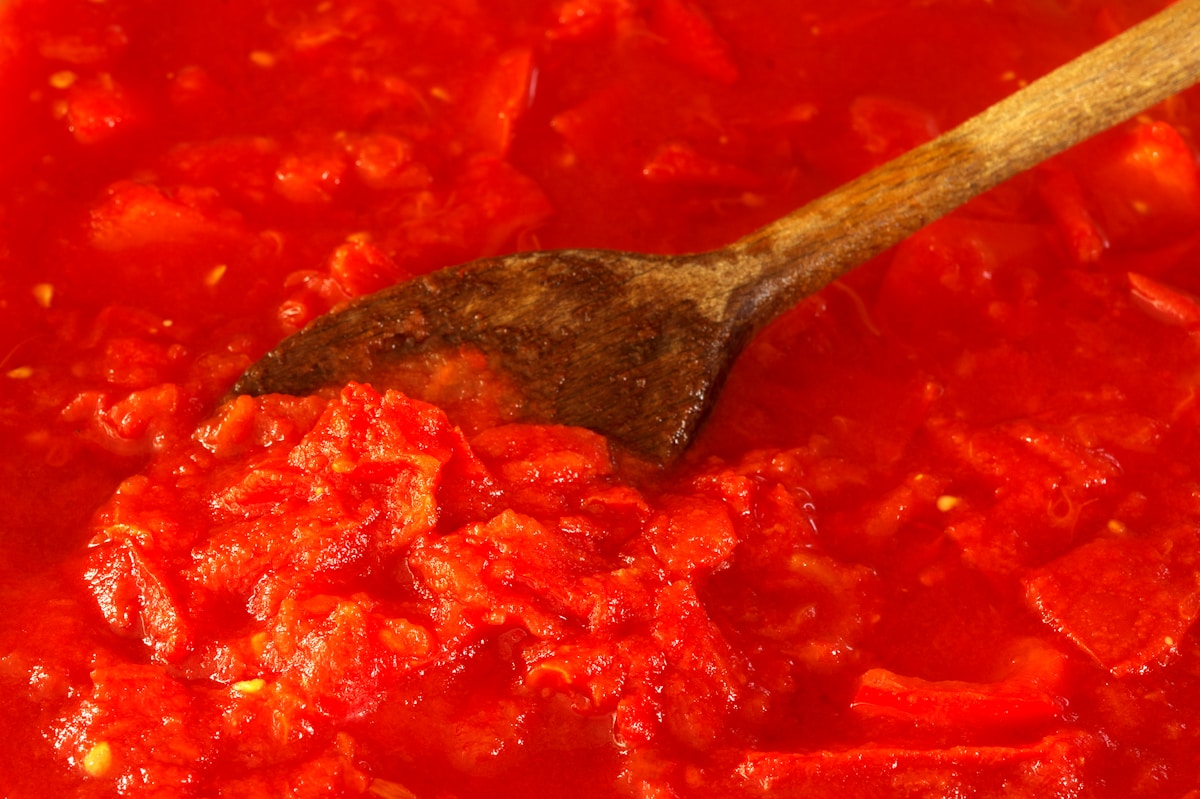
Have you ever been at a potluck, seen a beautiful, vibrant bowl of what looks like fresh salsa, loaded up your chip, and taken a big bite… only to be met with disappointment? It tastes flat. Watery, maybe. Like a sad salad of chopped tomatoes and onions. If this has happened to you, or if you’ve ever made a batch at home that just didn’t pop, I can almost guarantee I know the culprits: missing lime and cilantro.

Can You Really Save a Rusted Cast Iron Pan?

Can You Really Save a Rusted Cast Iron Pan?

It’s a familiar story. You find it at a garage sale, in the back of your grandmother’s cupboard, or buried in your own cabinet—a cast iron skillet, covered in a brittle orange crust of rust and caked with the black, bumpy ghosts of meals past. Your first instinct is probably to sigh and haul it to the trash. It looks ruined, a lost cause.

Why Does My Crockpot Beef Stew Get Dry and Tough?

Why Does My Crockpot Beef Stew Get Dry and Tough?

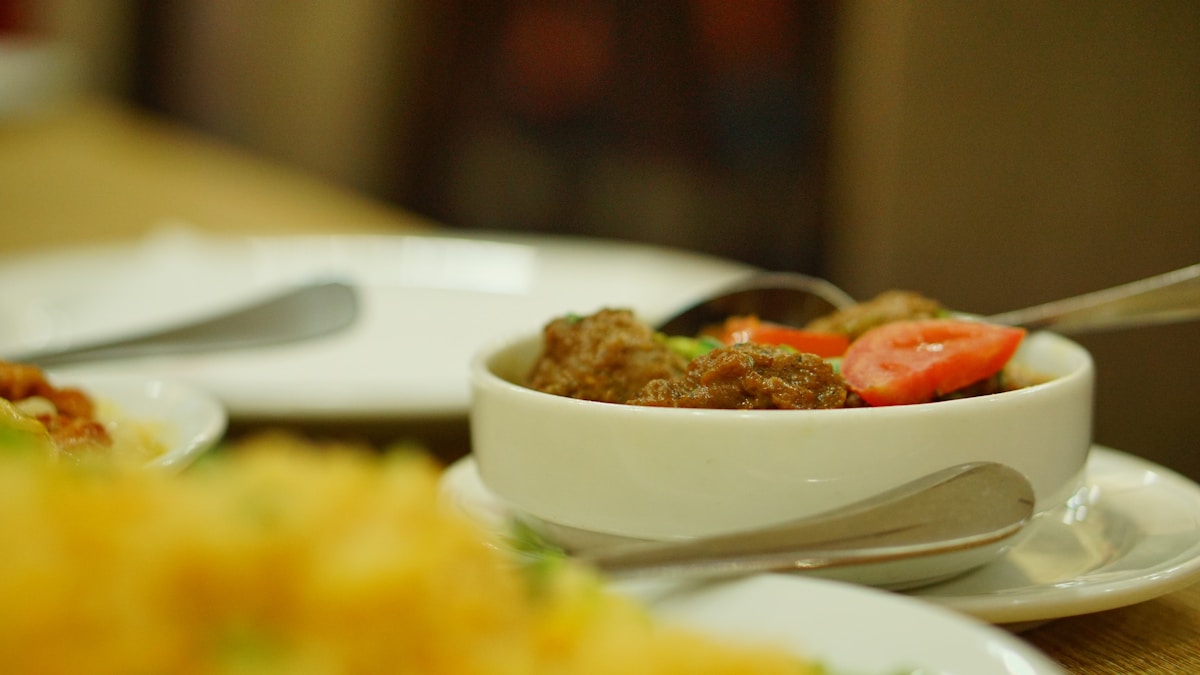
It’s one of the most frustrating kitchen moments, isn’t it? You followed the recipe. You lovingly chopped your vegetables, filled your slow cooker with dreams of a rich, fall-apart beef stew, and let it bubble away all day. The house smells incredible. But when you finally ladle it into a bowl, the meat is… tough. Dry. Chewy. It’s the exact opposite of what a slow cooker promised.

Why Did My Slow Cooker Meat Turn Out Tough and Dry

Why Did My Slow Cooker Meat Turn Out Tough and Dry

Hello, wonderful home cooks! Beatrice here, your friendly guide at kitchen-fun.com. Let’s talk about a kitchen moment I know many of you have had. You spend ten minutes in the morning getting a beautiful roast settled into its slow cooker bath. You come home hours later, your whole house smelling like a cozy hug, and you can’t wait to dig in. You pull the meat apart, anticipating that fall-apart, melt-in-your-mouth texture… but it’s tough. Stringy. Dry. How on earth can meat submerged in liquid for eight hours end up dry?

Why Is My Slow Cooker Pot Roast Dry and Stringy?

Why Is My Slow Cooker Pot Roast Dry and Stringy?

You’ve done everything right. You bought the perfect cut of meat, chopped your vegetables with care, and let your slow cooker work its low-and-slow magic all day long. The whole house smells like a cozy Sunday hug. You reach in with a fork, ready for that glorious, fall-apart-at-a-touch moment… and it happens! The meat shreds beautifully.

Why Does My Oven Burn Everything And How Can I Fix It?

Why Does My Oven Burn Everything And How Can I Fix It?

You followed the recipe with the precision of a surgeon. You measured the King Arthur flour, creamed the butter and sugar until it was light and fluffy, preheated the oven to exactly 350°F (177°C), and set the timer. Yet, halfway through, the bittersweet smell of burning sugar begins to creep from the oven door. It’s a scent every baker dreads. You pull out the tray to find the heartbreaking reality: the tops of your cookies are pale and doughy, but the bottoms are blackened discs of charcoal.

Why Is My Slow Cooker Stew Meat Always Dry and Tough?

Why Is My Slow Cooker Stew Meat Always Dry and Tough?

You’ve been smelling it all day. That rich, savory aroma of beef stew has been filling your kitchen, promising a cozy, delicious dinner. You grab a spoon, eagerly scoop up a piece of beef, and take a bite… only to find it’s dry. And tough. And a little bit stringy. How can this be? After eight hours in a slow cooker, shouldn’t it be falling apart?

Am I Making These Simple Mistakes In The Kitchen

Am I Making These Simple Mistakes In The Kitchen

I remember it so clearly. My first attempt at a “fancy” dinner for my friends. I was going to make a beautiful chicken and vegetable stir-fry. I had the recipe, I had the ingredients, and I had… a complete disaster. The chicken was pale and rubbery, and the vegetables were a sad, soggy pile swimming in a watery sauce. What went wrong?

How Do I Cook My First Steak Without Ruining It?

How Do I Cook My First Steak Without Ruining It?

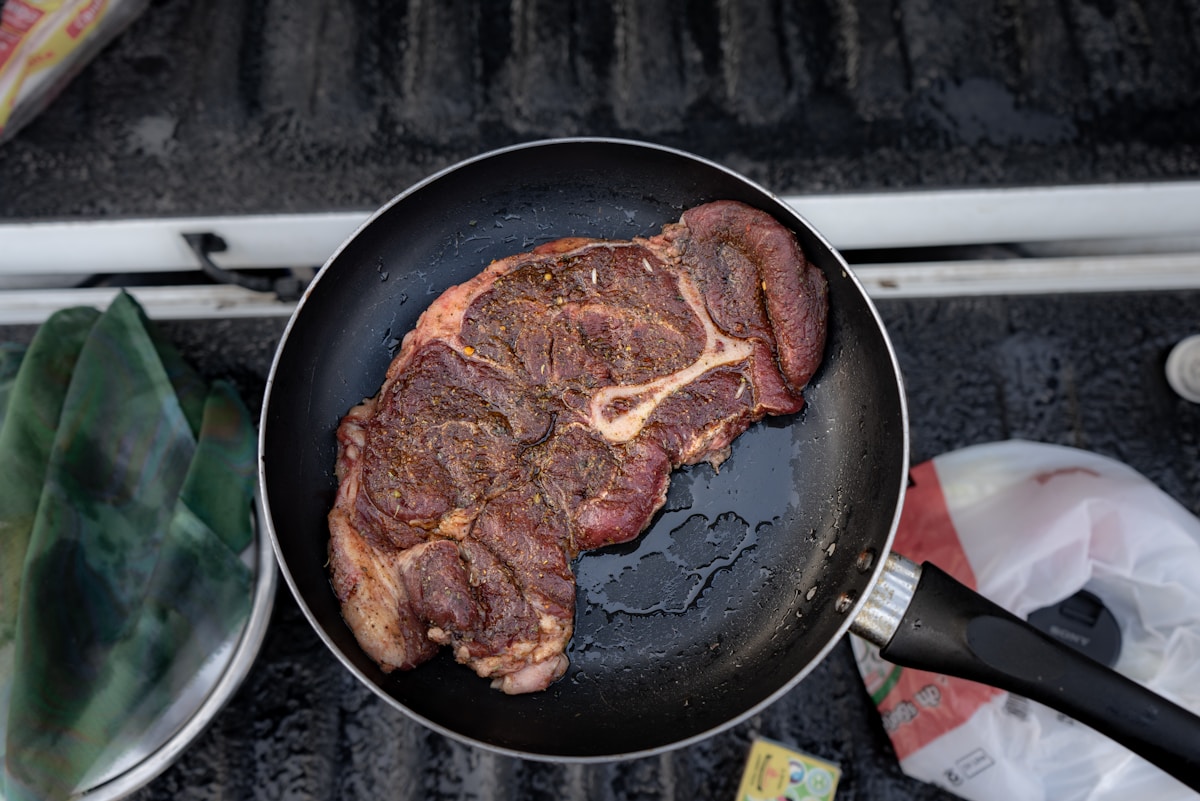
The other day, I saw something that made my heart sing: a photo from a 14-year-old who was proudly cooking his own birthday steak. He was excited, a little nervous, and asking for tips. It took me right back to my first time standing in front of a hot pan with a beautiful, expensive piece of meat, thinking, “Please don’t let me mess this up.”

What Common Mistakes Make Beginner Cooking So Stressful

What Common Mistakes Make Beginner Cooking So Stressful

Hello there! Beatrice here, your friendly guide at kitchen-fun.com. Let’s be honest for a moment. Have you ever found yourself standing in a kitchen filled with a light haze of smoke, one hand frantically stirring something that’s sticking to the pan, while the other rummages through a drawer for a spatula you can’t find? The timer is beeping, the recipe says “add the diced onions,” but your onion is still sitting on the counter, whole and mocking you.

Why Does My Steak Turn Gray Instead of Brown in the Pan?

Why Does My Steak Turn Gray Instead of Brown in the Pan?

You’ve done it. You splurged on a beautiful, thick-cut steak from the butcher. You can already imagine that perfect, dark-brown crust and the juicy, pink center. You get your pan hot (or so you think), toss it in with a sizzle, and… a few minutes later, you’re looking at a sad, pale gray slab of meat swimming in its own juices. Your heart sinks. What went wrong?

How Do I Reheat Salmon Without It Getting Dry and Rubbery?

How Do I Reheat Salmon Without It Getting Dry and Rubbery?

Hello there, fellow kitchen adventurer! Let’s talk about a moment I know you’ve had. You did it. You cooked a beautiful, flaky, perfectly seared salmon fillet. The skin was crispy, the inside was a gorgeous coral pink, and you felt like a culinary champion. You packed the leftover piece for lunch tomorrow, dreaming of a repeat performance.

Why Does My Cheese Sauce Get Grainy and How Do I Fix It?

Why Does My Cheese Sauce Get Grainy and How Do I Fix It?

We’ve all been there. You’ve lovingly crafted a meal, maybe a beautiful stovetop mac and cheese or a decadent dip for nachos. You take that first hopeful bite, and… it’s gritty. Instead of a silky, velvety river of cheese, the texture is sandy and unpleasant. Your sauce has “broken,” leaving you with a greasy, clumpy mess.

Should You Really Cook Everything With Beef Tallow?

Should You Really Cook Everything With Beef Tallow?

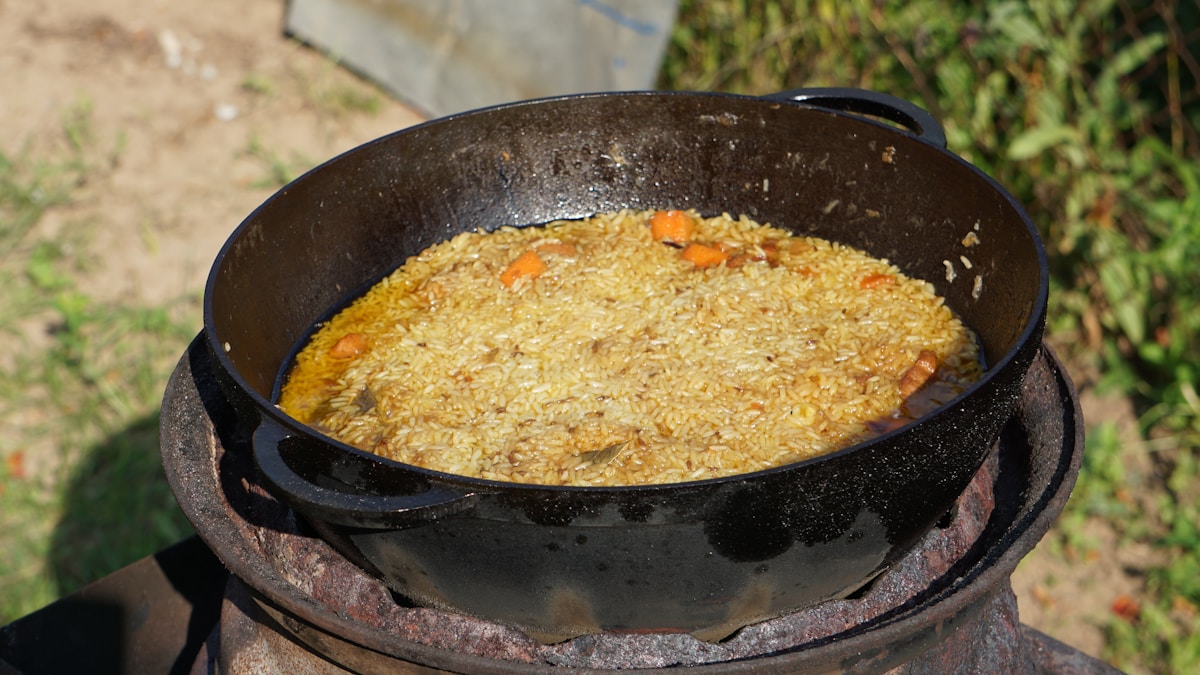
It’s a familiar story for any adventurous home cook. You get your hands on a beautiful, pearly-white jar of artisanal beef tallow. You’ve heard the legends: perfect steak crusts, the flakiest pie dough, the best french fries of your life. So you decide to start simple. You heat a spoonful in a pan to make a batch of rice, expecting a subtle, savory upgrade.