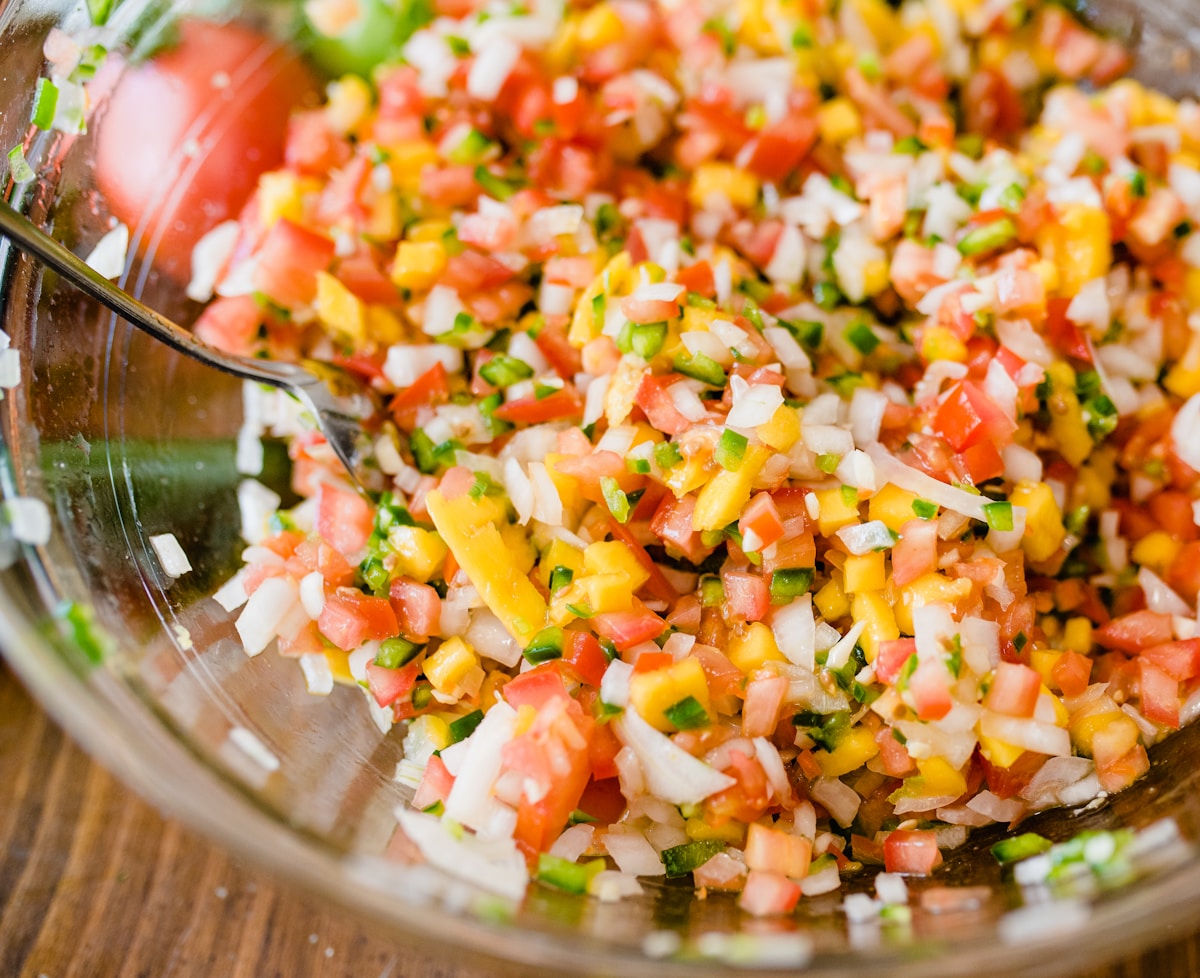
Have you ever been at a potluck, seen a beautiful, vibrant bowl of what looks like fresh salsa, loaded up your chip, and taken a big bite… only to be met with disappointment? It tastes flat. Watery, maybe. Like a sad salad of chopped tomatoes and onions. If this has happened to you, or if you’ve ever made a batch at home that just didn’t pop, I can almost guarantee I know the culprits: missing lime and cilantro.
It’s one of the most common kitchen missteps I see, and it’s completely understandable. You have tomatoes, you have onions, you have peppers. Isn’t that enough? The truth is, pico de gallo isn’t just a mixture of chopped vegetables; it’s a brilliant lesson in flavor balance. Those two missing ingredients aren’t just for decoration—they’re the heart and soul of the dish.
But here’s the good news. If you’re staring at a lackluster bowl of salsa right now, you don’t have to throw it out. Everyone starts somewhere, and understanding why a recipe works is the first step to becoming a confident cook. Let’s fix your pico, and more importantly, let’s learn the secret that will make all of your future cooking better.
Why Your Salsa Tastes “Empty” The Magic of Acid
First, let’s talk about the missing lime juice. When a dish tastes like it’s missing something but you’re not sure what, the answer is often acid. Think of acid as the volume knob for all the other flavors in your food.
Without it, the flavors are all playing at a whisper. When you add it, suddenly you can hear everything clearly. The sweet tomatoes taste more tomato-y. The sharp onion tastes clean and bright instead of harsh. The salt tastes saltier. Acid doesn’t just add its own flavor; it elevates and separates the flavors of everything else in the bowl.
There’s a little science at play here, too. The citric acid in lime juice literally makes your mouth water, which helps carry flavor across your tongue. It also cuts through any richness or fat, which is why pico de gallo is such a perfect companion for cheesy quesadillas or rich carnitas. It provides a refreshing contrast that cleanses your palate and makes you want to take another bite.
Finally, acid acts as a natural preservative. It slows down the oxidation process—the same chemical reaction that turns sliced apples and avocados brown. A generous squeeze of lime keeps your pico looking vibrant and fresh for much longer. So, when you leave out the lime, you’re not just missing a flavor; you’re missing the very component that makes the dish come alive.
The Cilantro Conundrum What It Really Adds
Now for our second missing friend: cilantro. I know, I know—for a small portion of the population, cilantro tastes like soap. (It’s a real genetic thing!) But for everyone else, it’s the key to authentic pico de gallo flavor.
Cilantro’s job is to provide the fresh, green, herbal high-note. It has a unique, slightly peppery and citrusy flavor that you can’t really get from anything else. It’s the cooling breeze on a hot day, perfectly balancing the potential heat from the jalapeño and the sweetness of the tomatoes.
If acid is the volume knob, think of fresh herbs like the treble control on your stereo. They add brightness, complexity, and a layer of freshness that makes the whole thing feel complete. Without cilantro, the pico is just a two-note song of tomato and onion. With it, you get a full-blown symphony of flavor. It’s the difference between a simple vegetable mix and a true, crave-worthy salsa.
The Rescue Mission How to Fix Your Flavorless Pico
Okay, enough theory. You have a bowl of bland pico in front of you. Let’s perform some kitchen CPR. Our goal is to replace the function of the missing ingredients, even if we can’t replicate the exact flavor.
Step 1: Introduce a New Acid
Since we don’t have lime, we need another source of acid to wake everything up. Your best friend here is vinegar. But be careful! A little goes a long way.
- Your Best Bet: Red Wine Vinegar. It has a bright, sharp acidity that works beautifully with tomatoes without adding a strange flavor. Start with just one teaspoon for a medium-sized bowl. Stir it in thoroughly, wait one full minute (this is important!), and then taste it on a chip. Is it brighter? Do the tomatoes taste better? If it still tastes flat, add another half-teaspoon and repeat the process. You’re not trying to make it taste like vinegar; you’re using the vinegar to unlock the other flavors.
- Good Alternatives: White wine vinegar is a great substitute as well. Apple cider vinegar can work in a pinch, but use it sparingly as its fruity flavor is more pronounced. You could even use a few dashes of a vinegar-based hot sauce like Tabasco, which adds both acid and heat.
Step 2: Bring in a Fresh Herb
We need to replace cilantro’s green, herbal freshness. While nothing tastes exactly like cilantro, we can get close to its function.
- Your Best Bet: Finely chopped fresh flat-leaf (Italian) parsley. It’s a culinary team player. It won’t scream for attention, but it will add that necessary freshness and clean, green flavor that was missing. It makes the dish taste intentional and complete. Chop about a quarter-cup, stir it in, and see how the whole bowl instantly looks and tastes more alive.
- Good Alternatives: The green tops of scallions (green onions), sliced very thinly, can add a fresh, mild oniony bite. In a real pinch, a very small amount of fresh oregano could work, but it will definitely change the flavor profile towards something more Mediterranean.
By adding a carefully chosen acid and a fresh herb, you’ve successfully rescued your dish! It may not be traditional pico de gallo, but it’s now a balanced, delicious fresh tomato relish. (And no one at the potluck has to know your secret.)
The “Perfect Pico” Blueprint for Next Time
Now that you know the why, let’s nail the how for your next batch. This is my never-fails, go-to recipe for classic, perfect pico de gallo. The secret is using good ingredients and letting them mingle.
Ingredients:
- 4-5 ripe Roma tomatoes (they have fewer seeds and less water)
- 1/2 a medium white onion
- 1 jalapeño
- 1/2 cup loosely packed fresh cilantro leaves
- The juice of 1-2 large limes (start with 1, add more to taste)
- 1/2 teaspoon kosher salt (like Morton or Diamond Crystal)
Instructions:
- Prep the Tomatoes: Dice the tomatoes into a small, even 1/4-inch chop. A great trick is to slice the tomato in half and use a small spoon to gently scoop out the watery, seedy core. This keeps your final pico from becoming a soupy mess. (Your chips will thank you.)
- Dice the Onion & Pepper: Finely dice the white onion to the same size as the tomatoes. For the jalapeño, slice it in half lengthwise. If you like it mild, use a spoon to scrape out the white membrane and seeds—that’s where most of the heat lives. Then, dice it very finely.
- Chop the Cilantro: Roll the cilantro leaves into a tight little ball and chop them finely.
- Combine and Season: In a medium bowl, combine the tomatoes, onion, jalapeño, and cilantro. Squeeze the juice of one lime over everything and add the 1/2 teaspoon of salt. Stir gently until everything is well-mixed.
- The Most Important Step: Let it sit! Cover the bowl and let it rest at room temperature for at least 20-30 minutes before serving. This gives the salt time to draw some moisture out of the tomatoes and for all the flavors to marry. Taste it one last time before you serve it—does it need more salt? Another squeeze of lime? Now is the time to adjust.
Try This Tonight Your Fearless Flavor Mission
You don’t need to throw a party to understand the power of acid. I want you to try a tiny experiment that will change the way you cook forever.
Tonight, just take one single tomato. Dice it up and divide it into two small bowls. Add a tiny pinch of salt to both.
In the first bowl, leave it as is. In the second bowl, add a small squeeze of lime juice (or a few drops of vinegar).
Now, taste the tomato from the first bowl. It’s good, it tastes like a tomato. Now taste the tomato from the second bowl. Notice the difference? It’s like the flavor went from black-and-white to full color. It’s brighter, sweeter, and tastes more intensely of itself.
That’s it. That’s the secret you learned today. You now understand one of the fundamental building blocks of great cooking. You didn’t just fix a recipe; you gained a skill that will help you in every single dish you make from now on. The kitchen is more forgiving than you think, and now you have the tools to prove it.