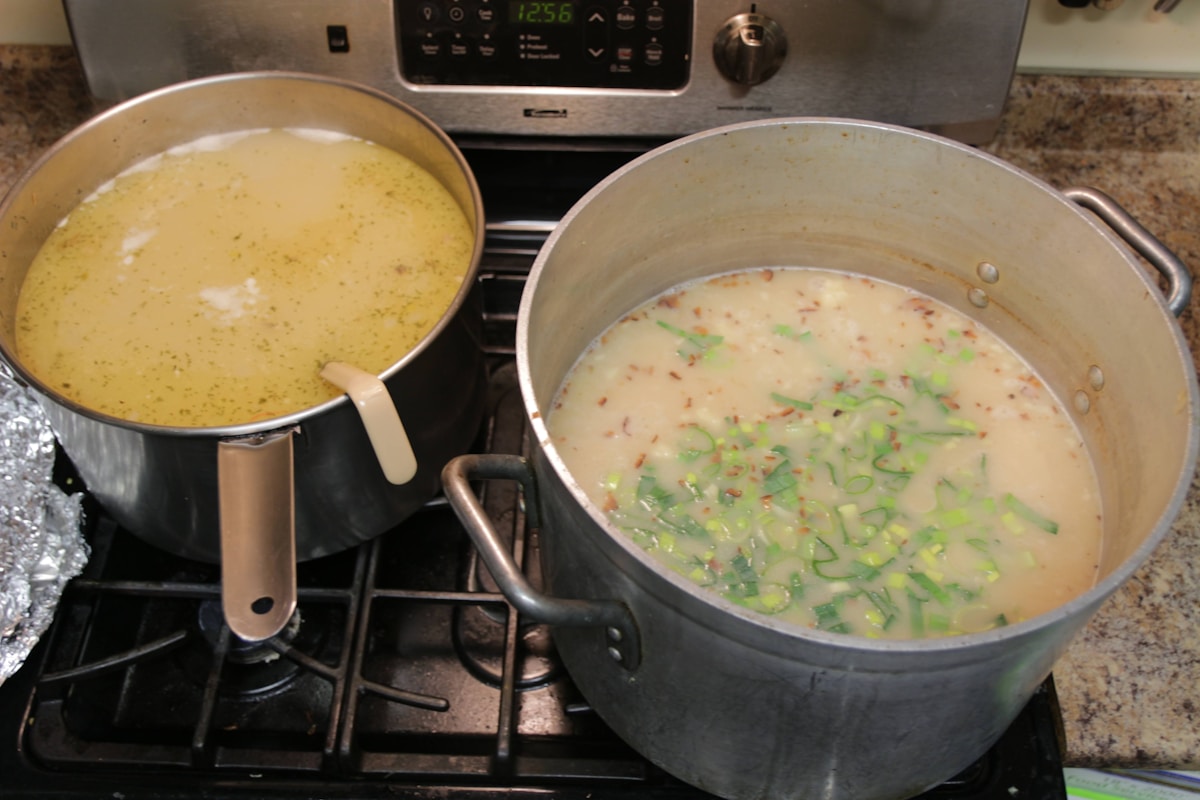
You spent a good half hour coaxing deep flavor out of mushrooms, garlic, and onion. You stirred in tomato paste until it darkened, added a splash of cream, and tweaked the seasonings until the sauce tasted incredible on its own. Then you tossed in the pasta, stirred everything together, took a bite — and it was disappointing. Blah. Flat. Where did all that flavor go?
If this has happened to you, you are not alone. It is one of the most common frustrations in the beginner kitchen, and it has nothing to do with your cooking skills. The problem is a simple, predictable interaction between pasta and sauce. Once you understand what is happening, you can fix it every single time.
The Two Culprits: Absorption and Dilution
When you add cooked pasta to a sauce, two things happen simultaneously. First, the pasta acts like a sponge. Those hot, just-drained noodles are eager to soak up liquid — and along with that liquid, they soak up salt and flavor molecules. Your sauce was perfectly seasoned for the volume of liquid in the pan. But now the pasta has stolen a significant portion of that seasoning for itself. The sauce left behind has become less salty and less flavorful.
Second, the starch that clings to the surface of the pasta mixes into the sauce. This is not necessarily a bad thing — in fact, starchy pasta water is a secret weapon for creamy, emulsified sauces. But if you simply dump drained pasta into a sauce without adjusting, the extra starch can dilute the flavor intensity. The sauce becomes looser, and each bite tastes less concentrated.
Think of it like this: You make a perfectly salted cup of tea. Then you drop a dry biscuit into it. The biscuit absorbs some of the liquid, and the tea left behind is weaker. That is exactly what happens with pasta.
The Forgotten Ingredient: Salted Pasta Water
The single most important thing you can do to prevent bland pasta dishes is to salt your pasta water aggressively. Many home cooks are timid with salt, adding just a pinch or a teaspoon for a big pot of water. That is not enough. The pasta needs to be seasoned from the inside out while it cooks, and that only happens if the water is properly salty.
Chefs and food science resources like Serious Eats recommend salting pasta water until it tastes like the sea. For a standard 4-to-6-quart pot of water, that means about 1 to 2 tablespoons of kosher salt. If you are using table salt, start with 1 tablespoon and taste the water — it should be noticeably salty. Diamond Crystal kosher salt is less dense than Morton, so use a bit more if you have Diamond Crystal. Do not worry about your blood pressure; most of that salt stays in the water and only a fraction ends up in the pasta.
When the pasta cooks in properly salted water, it absorbs salt deep into its structure. That means even before the sauce touches it, the pasta itself is seasoned. Then when you combine them, the pasta does not steal salt from your sauce — it brings its own seasoning to the party.
Rescue Technique: Reserve That Starchy Water
Before you drain your pasta, dip a heatproof measuring cup into the pot and scoop out at least one full cup of the cooking water. This is your insurance policy. That cloudy, starchy water is liquid gold.
Why? Because the starch molecules in pasta water act as an emulsifier. When you add a splash of that water to your sauce and stir vigorously, the fat in your cream or butter and the water in the sauce bind together into a smooth, glossy mixture. The starch also thickens the sauce slightly, helping it cling to the pasta rather than pooling on the plate.
Here is the key: use the reserved water to adjust consistency, but do not rely on unseasoned noodles to thin your sauce. If your sauce is too thick, add a little pasta water. If it is too thin, let it simmer and reduce. And always taste after each addition.
The Pro Move: Finish the Pasta in the Sauce
Instead of dumping drained pasta into a bowl of sauce and tossing, try this: undercook your pasta by about one minute less than the package directions. Then transfer it directly into the pan with your simmering sauce. Add a generous ladleful of reserved pasta water, and finish cooking the pasta in the sauce, stirring constantly.
As the pasta finishes cooking, it releases even more starch directly into the sauce. The flavors meld. The sauce reduces and thickens around each piece of pasta. By the time you serve it, the pasta and sauce have become one unified dish, not two separate components. This is how Italian grandmothers do it, and there is a reason it works.
Use a pan wide enough to hold the pasta and sauce without overcrowding. A 12-inch skillet or a large saute pan works perfectly. Keep the heat at a steady simmer, and stir with tongs or a wooden spoon. You will see the sauce transform from watery to silky in just a minute or two.
Adjust Your Sauce Before You Add Pasta
Another common mistake is not accounting for the fact that pasta adds bulk. If your sauce recipe serves four, but you cook a full pound of pasta, the ratio of sauce to noodles is off. For a balanced dish, aim for about 1 to 1.5 cups of sauce per half pound of dried pasta. If you are making a heavy cream sauce, you might need even more.
Before you combine, taste the sauce on its own. It should be noticeably stronger and saltier than what you want the final dish to taste like. Because once the pasta goes in, the salt and flavor will distribute across a larger volume. If the sauce tastes perfect before the pasta, it will taste weak after.
A good rule of thumb: season the sauce until it tastes borderline salty, then add the pasta. The pasta will absorb some of that salt, and the final result will be just right. It takes practice, but you will quickly learn the balance.
A Practical Example: Creamy Mushroom Pasta
Let us apply these techniques to the exact scenario from the original frustration — a creamy mushroom and garlic sauce. Start by sauteing sliced cremini mushrooms in butter or olive oil over medium-high heat. Do not crowd the pan; let them get golden brown before stirring. Add minced garlic and chopped onion, cook for a minute, then stir in a tablespoon of tomato paste. Let it darken slightly. Pour in a cup of heavy cream, reduce heat, and simmer gently.
Meanwhile, bring a large pot of water to a rolling boil. Add 1.5 tablespoons of kosher salt (or more to taste). Drop in 8 ounces of fettuccine or any long pasta. Cook until just shy of al dente, about one minute less than the package timing. Before draining, scoop out 1 cup of pasta water. Drain the pasta (do not rinse — you want that starch).
Add the drained pasta directly to the pan with the cream sauce. Toss in a handful of grated Parmesan cheese. Add about half a cup of the reserved pasta water. Turn the heat to medium and toss everything together. The sauce will look watery at first — keep tossing and let it simmer. Within two minutes, the starch will emulsify the cream and cheese into a smooth, clinging sauce. Taste and add salt and pepper as needed. A final sprinkle of fresh parsley or thyme brings it all together.
Now take a bite. The pasta is seasoned. The sauce coats every strand. The flavor is bold and satisfying. No blandness.
What About Tomato-Based Sauces
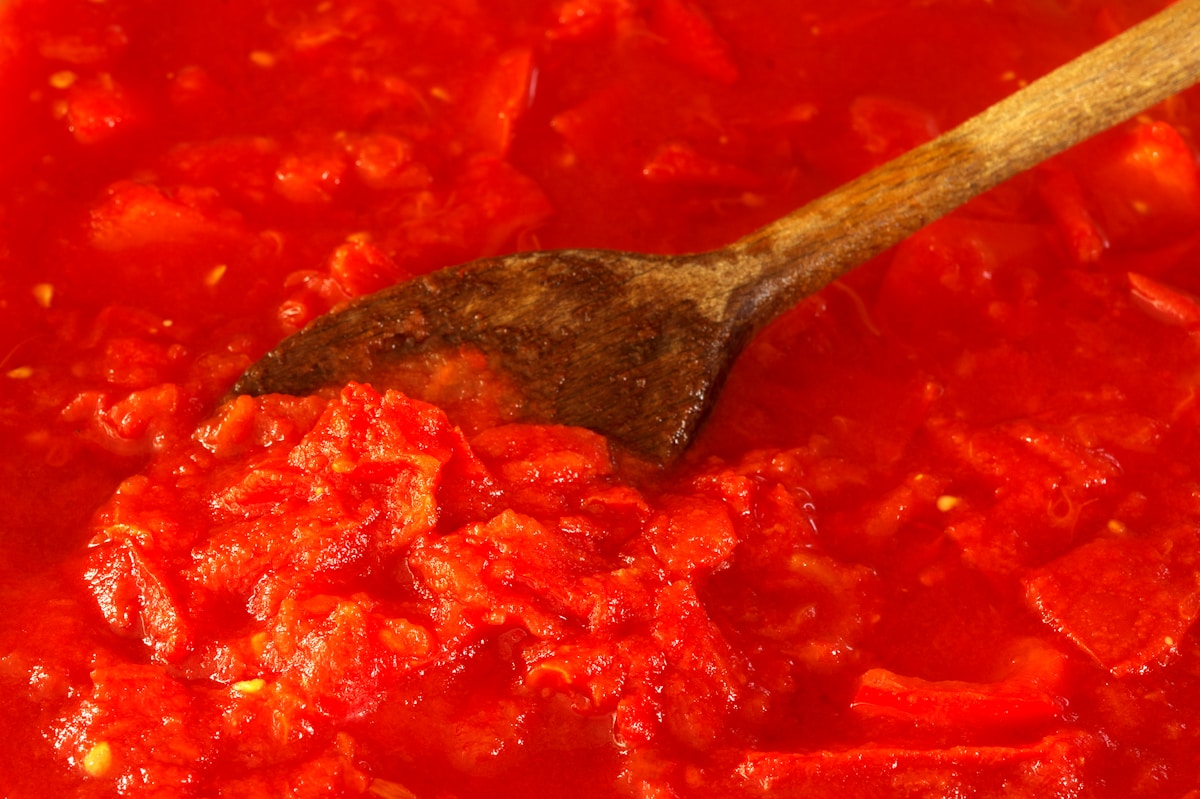
The same principles apply to marinara or arrabbiata. Because tomatoes are acidic, you need enough salt to balance that acidity. When making a simple tomato sauce, season it until it tastes lively and bright. Then when you add the pasta, adjust with pasta water. If the sauce tastes flat, a splash of red wine vinegar or a pinch of sugar can help, but proper salting is your first line of defense.
Do not forget that Parmesan cheese adds salt too. If you are finishing a tomato pasta with grated cheese, slightly undersalt the sauce initially, then let the cheese bring it to the right level.
A Note on Water Volume and Starch Content
Some pasta shapes release more starch than others. Fresh pasta (the kind found in the refrigerated section) releases more starch than dried. Long, thin shapes like angel hair may need less cooking time and less water. Short tube shapes like penne or rigatoni hold a lot of water inside, which can dilute sauce if you do not shake them well before adding to the pan.
If you are using a very starchy pasta, reserve extra water — you might need it. And if your sauce gets too thick, do not be afraid to add plain water instead of pasta water. The starch is for emulsification, but if your sauce is already emulsified, plain water is fine for thinning.
Kitchen Hack: Taste Your Pasta Water
Here is a quick check that professional cooks use. When you think the water is salty enough, dip a spoon in, let it cool slightly, and taste it. It should taste like a pleasant, not overwhelming, saltiness. If it tastes like nothing, add more salt. If it tastes too salty, you have overshot — but do not panic. In that case, you can cook the pasta for less time so it absorbs less salt, or rinse the cooked pasta quickly (though you lose starch). Better to err on the side of slightly salty water than underseasoned.
Try This Tonight
Tonight, make any pasta dish you love. Before you start, measure your salt ahead of time — 1.5 tablespoons for a standard pot. Reserve a full cup of pasta water before draining. And when you combine the pasta and sauce, finish cooking them together for at least a minute. I promise you will notice a difference. That “blah” moment will become a thing of the past.
Remember, the kitchen is forgiving. Every time you cook, you learn something. And now you know the secret: you are not losing flavor — you are just spreading it around. With a little extra salt in the water and a cup of starchy reserve, you will have pasta that tastes as amazing as the sauce you worked so hard to create.