Is Cast Iron or Carbon Steel Better for Searing After Smoking?

Is Cast Iron or Carbon Steel Better for Searing After Smoking?

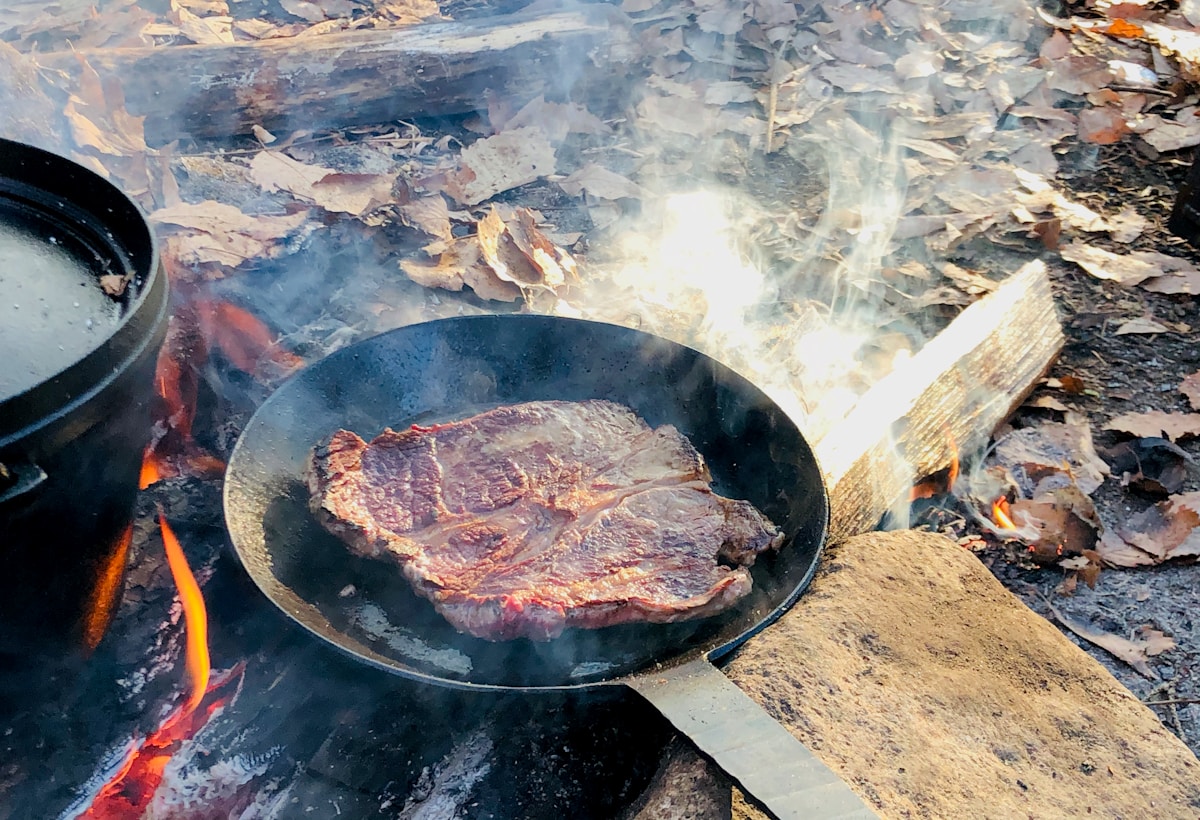
Picture this: you’ve spent hours nursing a Kurobuta pork chop on your smoker at a gentle 225°F (107°C). The meat is rosy, tender, and infused with a whisper of hickory. You pull it at an internal temperature of 110°F (43°C) — just shy of the final goal. Now comes the critical moment: the sear. A blazing hot pan, a knob of butter, and a sizzle that transforms that pale surface into a mahogany crust. But which pan should you be reaching for? The smoking community has strong opinions — and they’re overwhelmingly in favor of cast iron. Yet carbon steel has its own loyal fans. Let’s settle this once and for all.

Is Cast Iron or a Pizza Stone Better for Pizza Crust?

Is Cast Iron or a Pizza Stone Better for Pizza Crust?

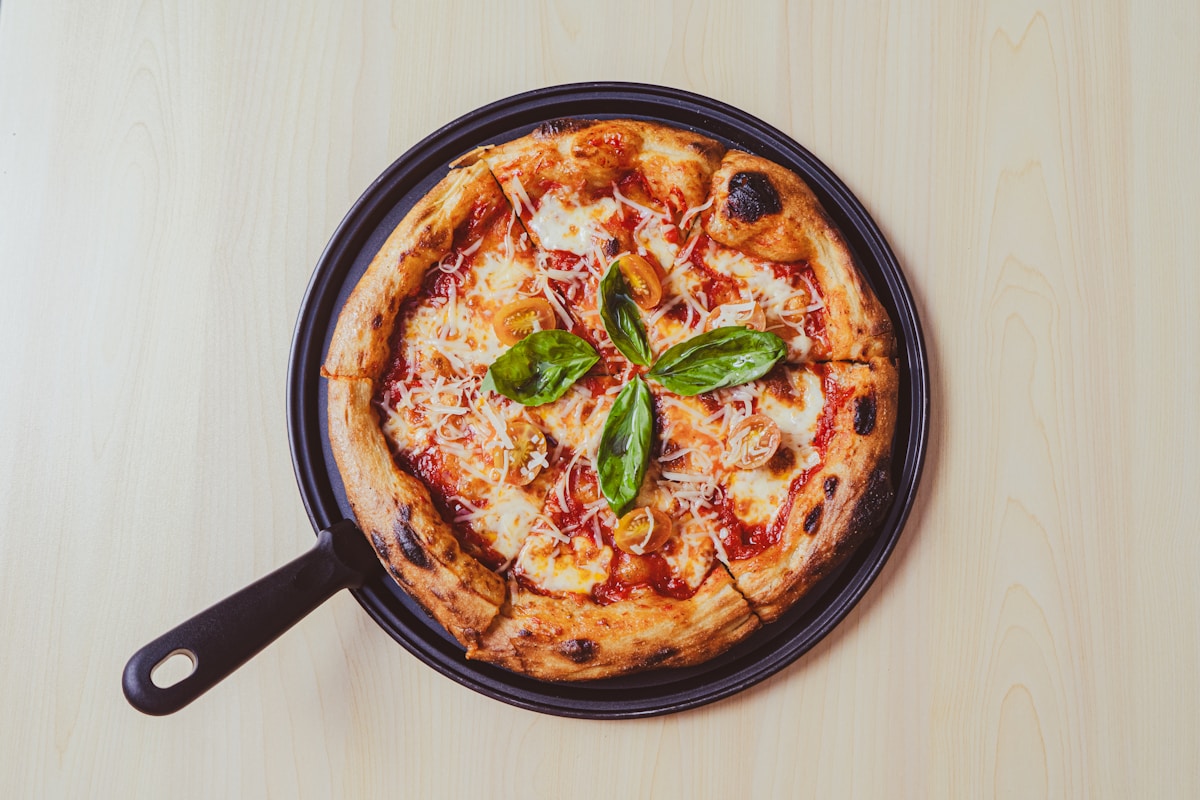
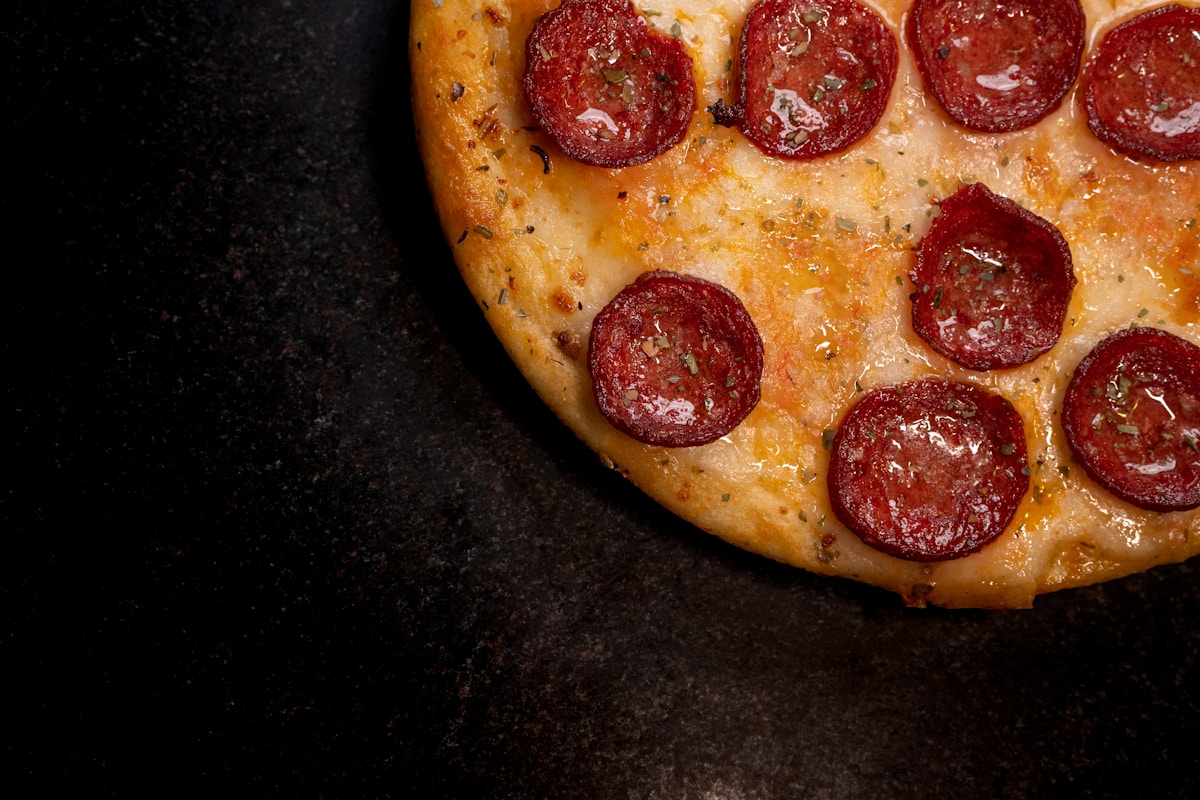
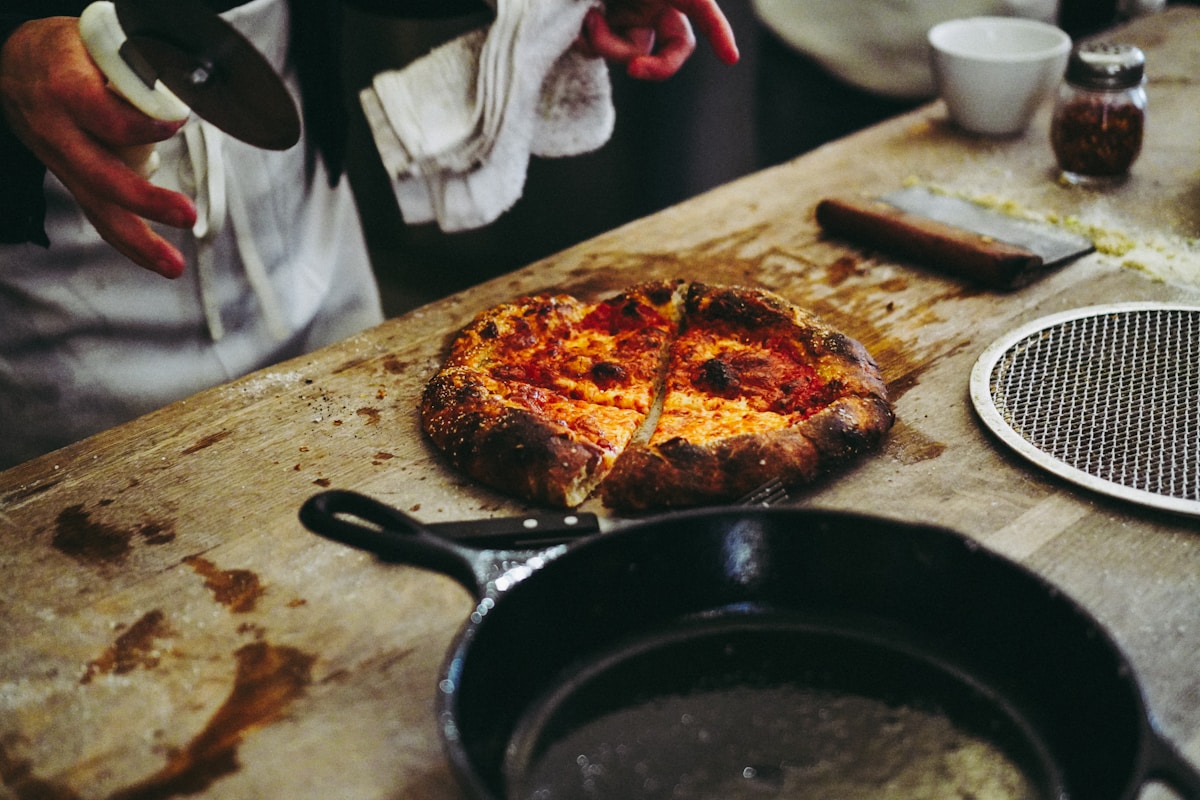
You’ve seen those photos on r/Pizza — a perfectly browned pepperoni pizza cradled in a well-seasoned 12-inch Lodge cast iron skillet. The crust looks like it stepped out of a deep-dish fantasy. But then you scroll further and there it is: a Neapolitan-style pie with leopard-spotted char, slid off a blazing-hot pizza stone onto a wooden peel. Which one do you want?

How Do You Cook a Ribeye Steak Perfectly for Beginners?

How Do You Cook a Ribeye Steak Perfectly for Beginners?

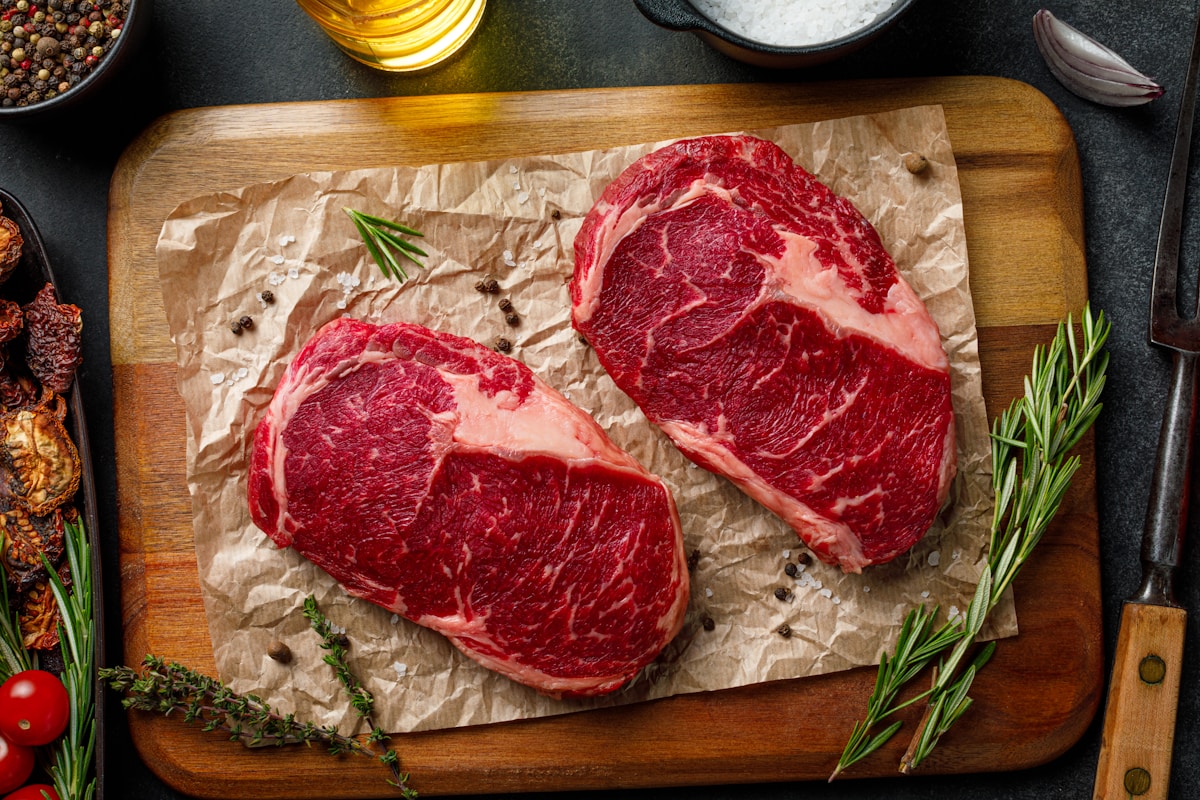
You know that moment — you pull a steak off the pan, slice into it with high hopes, and find a sad gray band of overcooked meat surrounding a tiny pink center? We have all been there. It is frustrating, wasteful, and it can make you want to order takeout instead. But here is the good news: ribeye is one of the most forgiving cuts of beef you can cook. Its generous marbling (those white flecks of fat running through the meat) acts like a built-in insurance policy against dryness. With a few simple techniques, you can consistently produce a steak with a deep brown crust and a warm, juicy medium-rare center — the kind that would make a Reddit crowd proud. Let us walk through it step by step, from picking the right steak to slicing it at the table.

Which Pan Gives the Best Crust Cast Iron or Stainless Steel for Steak?

Which Pan Gives the Best Crust Cast Iron or Stainless Steel for Steak?

If you’ve ever scrolled through a steak-cooking forum — and I know you have — you’ve seen the debate: cast iron vs. stainless steel for the perfect sear. A Reddit user recently posted a photo of a perfectly crusted ribeye cooked in a cast iron skillet, and the comments exploded. Some swore by stainless steel for better control, others insisted cast iron was the only way. Which one actually gives the best crust? The answer is not as simple as you might think. Let’s break it down by the science, the practical cooking experience, and what works best for your kitchen.

Which Pan Is Best for Dry Aged Steak Cast Iron or Carbon Steel?

Which Pan Is Best for Dry Aged Steak Cast Iron or Carbon Steel?

You know that moment when you drop serious cash on a dry-aged ribeye, and you want every single bite to be worth it? I felt that reading the r/steak thread where a home cook posted a gorgeous photo of a 21-day dry-aged ribeye with caramelized onions and herb lemon butter. The comments exploded into a debate: what pan should you actually use for dry-aged steak? Cast iron? Carbon steel? Something else entirely?

Is a Cast Iron Skillet the Secret to Perfect Homemade Pizza?

Is a Cast Iron Skillet the Secret to Perfect Homemade Pizza?

We’ve all been there. You spend an afternoon making dough from scratch, you carefully select your toppings, and you slide your creation into the oven dreaming of a pizzeria-style crust. What comes out twenty minutes later? A pizza that’s… fine. The cheese is melted, but the crust is pale, a little soft, and disappointingly floppy. It’s the kind of pizza that makes you think, “Maybe I should have just ordered delivery.”

What Size Cast Iron Skillet Should a Beginner Actually Buy

What Size Cast Iron Skillet Should a Beginner Actually Buy

Have you ever stood in the kitchen aisle, staring at a wall of heavy, black pans, feeling a mix of confusion and intimidation? Someone, somewhere—a celebrity chef, your foodie friend, a cooking blog—told you, “You have to get a cast iron skillet.” So you’re here, but now you’re faced with a dozen choices. They all look the same, but the sizes are different. Is bigger always better? Is the small one just for a single fried egg?

Is a Cast Iron Skillet Really the Best Pan for Searing a Steak?

Is a Cast Iron Skillet Really the Best Pan for Searing a Steak?

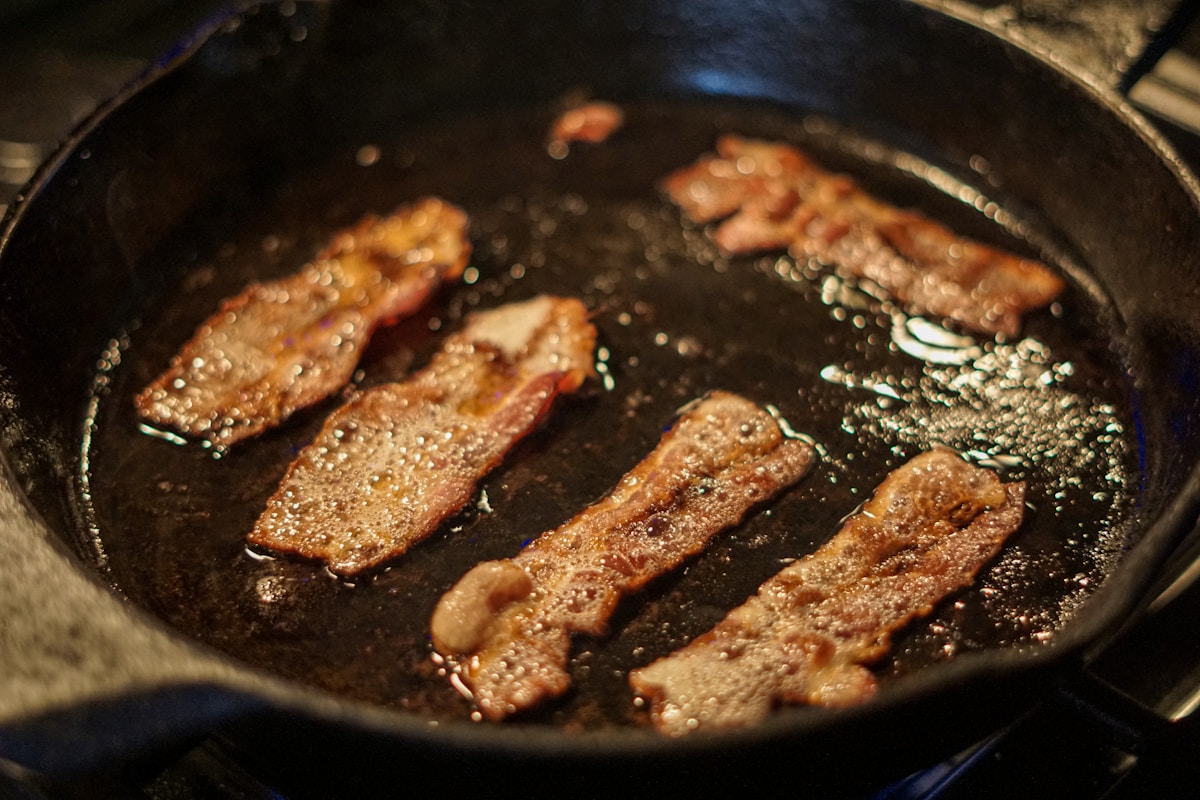
We’ve all been there. You spend good money on a beautiful, thick-cut ribeye. You’ve been looking forward to it all day. You heat up your pan, toss it in, and hear a promising sizzle that quickly fades to a sad sputter. The result? A steak that’s more steamed-gray than deep, mahogany brown. It’s one of the most common frustrations in the home kitchen, but it’s a problem with a simple, affordable solution.

Is a 10 Inch or 12 Inch Cast Iron Skillet Better for Beginners

Is a 10 Inch or 12 Inch Cast Iron Skillet Better for Beginners

You’ve heard the stories. You’ve seen the gorgeous food photos online—the perfect steak sear, the crispy-edged cornbread, the deep-dish skillet cookie. You’ve decided it’s time to join the cast iron club. So you head to the store, or more likely, open a new browser tab, and you’re immediately stopped by the first, most fundamental question: 10-inch or 12-inch?

Is A Cast Iron Skillet The Secret To Better Meal Prep?

Is A Cast Iron Skillet The Secret To Better Meal Prep?

Let’s be honest. You spend a solid chunk of your Sunday dicing, chopping, and cooking for the week ahead. You’ve got your containers lined up, your macros calculated, but by Wednesday, that pre-cooked chicken breast tastes… well, sad. It’s often rubbery, a bit grey, and lacks any real satisfying flavor. You’re eating it for fuel, not for fun.

Is a 10-Inch or 12-Inch Cast Iron Skillet Better for Me

Is a 10-Inch or 12-Inch Cast Iron Skillet Better for Me

You’re standing in the aisle, ready to buy your first real pan. Not a flimsy non-stick you’ll replace in a year, but a heavy, black, indestructible piece of American iron. The cast iron skillet. You know it’s a “buy it for life” purchase, the kind of pan your grandkids might fight over. But then you see them, side by side: the 10-inch and the 12-inch.

What Is The Best Size Cast Iron Skillet To Buy First?

What Is The Best Size Cast Iron Skillet To Buy First?

You see it in magazines and on cooking shows: that beautiful, dark cast iron skillet, creating the perfect sear on a steak or baking a golden-brown cornbread. You want that result in your kitchen. But then you walk into a store, and the intimidation hits. There are tiny 6-inch pans, massive 15-inch behemoths, and a dozen sizes in between. They’re heavy, they look like they require a secret handshake to maintain, and you freeze.

Is a cast iron skillet truly the best first pan for a new cook?

Is a cast iron skillet truly the best first pan for a new cook?

You’re standing in the cookware aisle. To your left, a wall of shiny, expensive stainless steel sets that look like they belong in a professional kitchen. To your right, colorful non-stick pans promising that a fried egg will slide right off with zero effort. And then you see it—the heavy, black, slightly intimidating cast iron skillet. It looks like something your grandparents would have used. No fancy colors, no high-tech coatings, just a solid piece of metal.

What Is The Best Pan For Charring Vegetables Perfectly

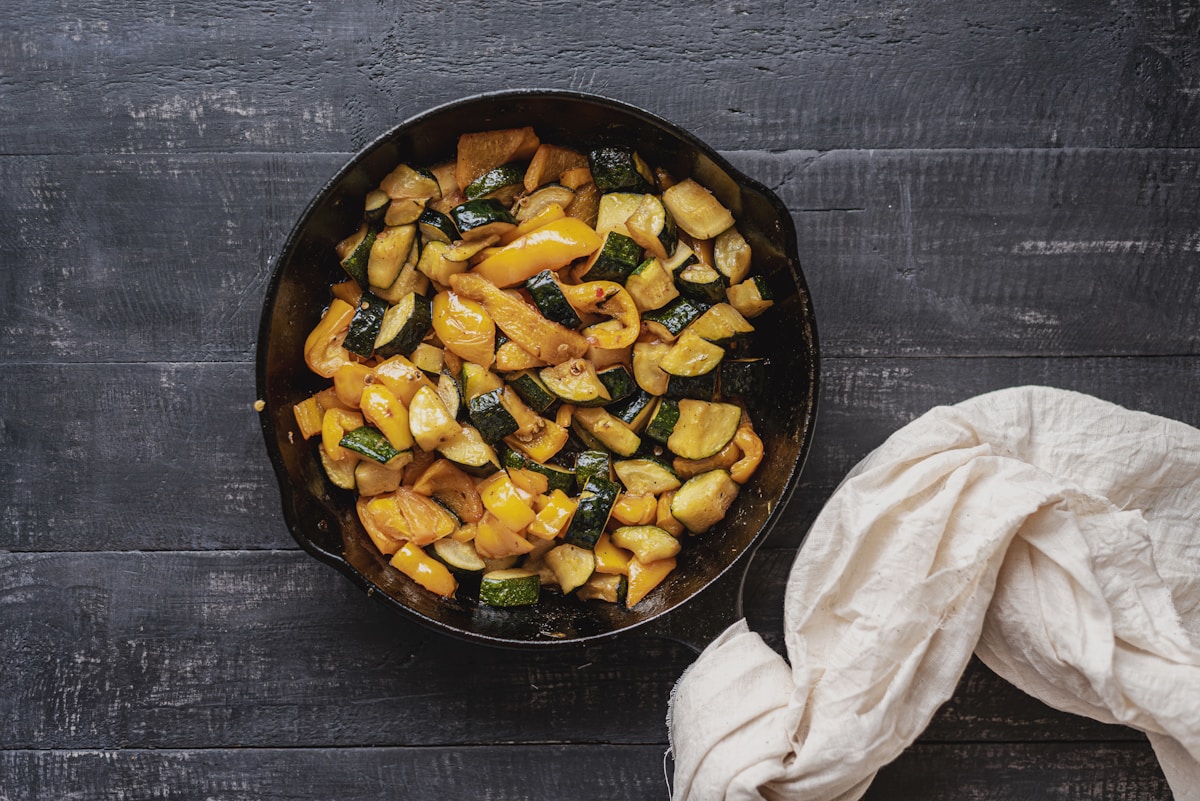
We’ve all been there. You’re making tacos, dreaming of those blistered, sweet, and smoky strips of bell pepper and onion you get at your favorite taqueria. You slice them up, toss them in a pan, and ten minutes later… you have a sad, steaming pile of limp, grayish vegetables. All sizzle, no substance. The flavor is gone, the texture is floppy, and your taco dreams are dashed.

How Do I Stop Pizza Dough From Sticking to My Cast Iron Pan

How Do I Stop Pizza Dough From Sticking to My Cast Iron Pan

Let’s be honest for a second. There are few moments in the kitchen filled with more dread than the Pizza Flip. You’ve spent an hour making the perfect dough. You’ve lovingly spread the sauce, sprinkled the cheese, and arranged the pepperoni just so. You slide that beautiful cast iron pan out of a screaming-hot oven, the cheese is molten and bubbly, and your whole home smells like a classic pizzeria. And then comes the moment of truth. You slide a spatula underneath and… nothing. It’s stuck. Welded. Bonded for life to that heavy black pan. Your heart sinks.

Should Your First Cast Iron Skillet Be a 10-Inch Pan

Should Your First Cast Iron Skillet Be a 10-Inch Pan

I still remember the sound. A sad tink-tink-tink as the warped bottom of my ‘premium’ non-stick skillet wobbled on the electric stovetop. It was less than a year old, already scratched, and couldn’t hold a steady heat to save its life. If you’ve ever felt that frustration, you’ve probably stood at the cast iron crossroads: intimidated, a little confused, and wondering if it’s worth the fuss.

Should I Buy a 10-Inch or 12-Inch Cast Iron Skillet First

Should I Buy a 10-Inch or 12-Inch Cast Iron Skillet First

You’re standing in the aisle, ready to finally buy your first cast iron skillet. You’ve heard the stories, seen the gorgeous food photos, and you’re ready for that perfect steak sear. But then you see them: two identical-looking black skillets, one just a bit bigger than the other. One feels hefty and serious. The other feels… manageable. This is the classic cast iron dilemma: the 10-inch versus the 12-inch.