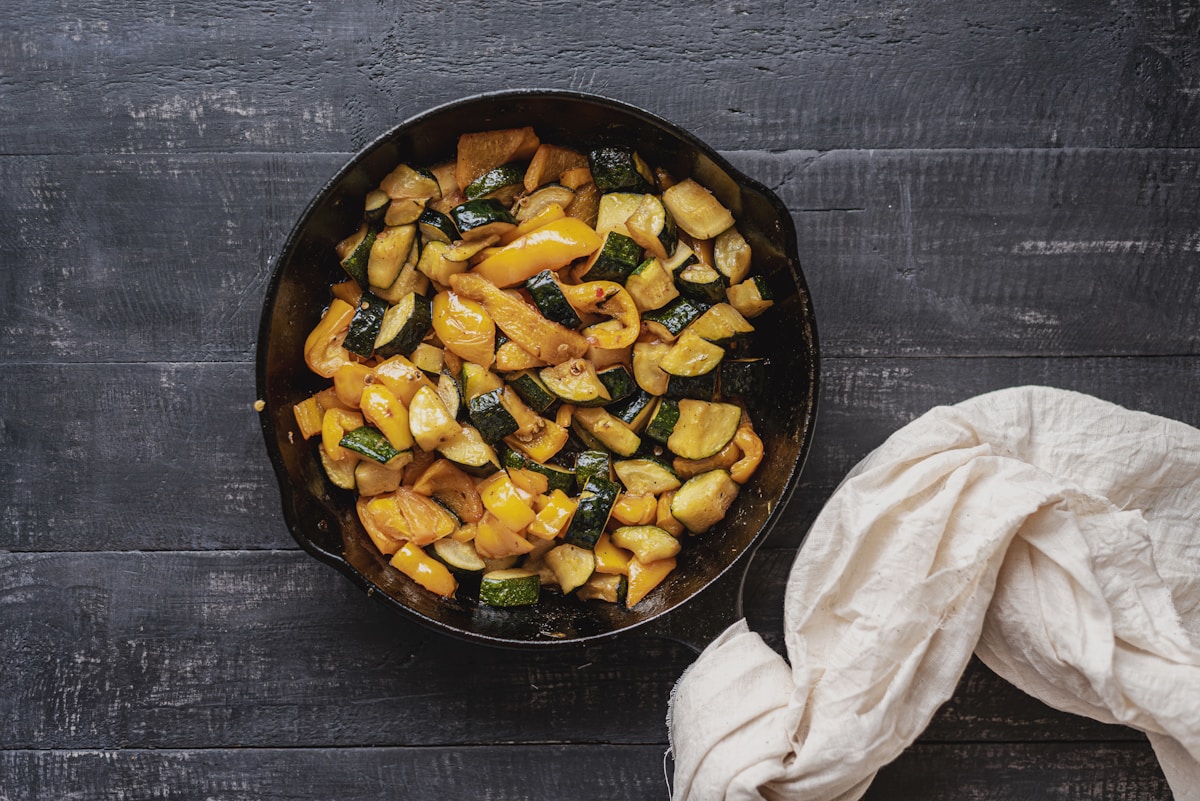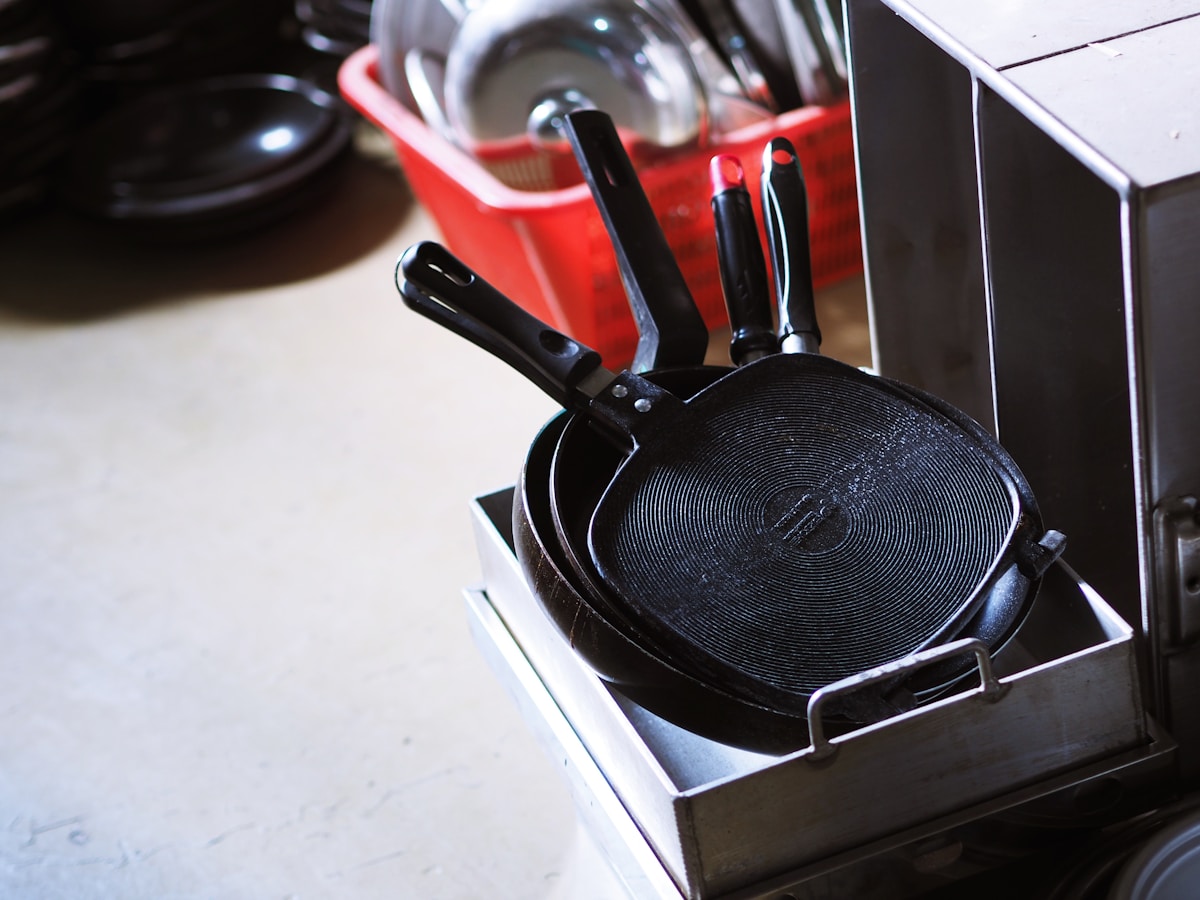
You’re standing in the cookware aisle. To your left, a wall of shiny, expensive stainless steel sets that look like they belong in a professional kitchen. To your right, colorful non-stick pans promising that a fried egg will slide right off with zero effort. And then you see it—the heavy, black, slightly intimidating cast iron skillet. It looks like something your grandparents would have used. No fancy colors, no high-tech coatings, just a solid piece of metal.
Here’s the secret the big brands don’t want you to know: that simple, old-fashioned skillet is probably the single best piece of cookware you can buy as a beginner. It’s not just about saving money (though you absolutely will). It’s about buying a tool that forgives your mistakes, teaches you how to actually cook, and will literally last longer than you do. Let’s break down why this humble workhorse beats its flashy competitors every single time.
The Non-Stick Trap Most Beginners Fall Into
I get the appeal of non-stick, I really do. The marketing is brilliant. They show perfect omelets folding in half and sliding onto a plate without a single speck left behind. For a new cook worried about creating a stuck-on mess, it feels like the safest choice. The problem is, that magical coating is incredibly delicate.
Think of most non-stick pans (especially those using PTFE, or Teflon) as having a limited lifespan from the moment you buy them. Here’s what usually happens:
- You use high heat: Want a great sear on a steak? You need high heat. But sustained temperatures above 500°F (260°C) can cause the non-stick coating to break down and release fumes. Most beginners don’t realize this and crank the heat, unknowingly damaging their pan.
- You grab a metal utensil: You use a metal spatula to flip a burger or a fork to scramble some eggs. Just a few scrapes are enough to create permanent scratches in the coating. Once it’s scratched, the non-stick properties are compromised, and food starts sticking in those exact spots.
- You wash it ‘wrong’: You put it in the dishwasher with harsh detergents, or you use an abrasive scrubber to get some gunk off. Both of these actions wear down the coating even faster.
Within a year, that slick, easy-to-use pan becomes a sticky, scratched-up frustration. You end up replacing it, and the cycle continues. It’s an expensive subscription service for mediocre cookware. A good non-stick pan isn’t cheap, and a cheap one will fail you even faster.
Meet The Indestructible Workhorse
Now, let’s go back to that heavy black skillet. A 12-inch Lodge Cast Iron Skillet, a gold standard for home cooks, costs around $30. Not $30 per year—$30 for a lifetime. (Yes, really.)
Let’s bust a few myths right off the bat:
- Myth: You can’t use soap. This is outdated advice from when soaps contained lye, which would strip the pan’s seasoning. Modern dish soaps are gentle and are perfectly fine to use. The key is what you do after washing.
- Myth: They are hard to maintain. The ‘maintenance’ takes about 60 seconds after you cook. It’s a simple routine, not a complex chore.
- Myth: They aren’t non-stick. A well-seasoned cast iron pan is incredibly non-stick. It’s a different kind of non-stick—one that you build and maintain yourself, and it only gets better with every use.
Unlike a coated pan that degrades over time, a cast iron pan improves over time. It is a piece of cooking equipment that rewards you for using it. It’s the ultimate ‘buy it for life’ tool. You can use any utensil you want—metal, wood, silicone, it doesn’t care. You can take it from the stovetop, slide it directly into a 500°F (260°C) oven, and even use it over a campfire. Try doing that with a Teflon pan.
The Science of Searing and Superior Cooking
So, why does cast iron cook so well? It comes down to one key property: heat retention.
Cast iron is dense. It takes longer to heat up than a thin aluminum pan, but once it’s hot, it stays hot. When you place a cold steak on a hot cast iron skillet, the pan’s surface temperature doesn’t plummet. It has so much thermal energy stored up that it immediately begins creating that deep, brown, flavorful crust known as the Maillard reaction.
This is why restaurant steaks taste so much better than many home-cooked versions. They’re seared on brutally hot surfaces that don’t lose their heat. A flimsy non-stick pan, on the other hand, loses heat the moment you add food. The pan cools down, and you end up steaming your steak in its own juices instead of searing it. The result? A grey, sad piece of meat.
This heat retention is also the secret to perfectly crispy fried chicken, cornbread with an unbeatable crust, and beautifully caramelized vegetables.
The ‘magic’ non-stick surface of cast iron is called seasoning. It’s not salt and pepper; it’s a layer of polymerized oil that has been baked onto the pan’s surface at a high temperature. When you heat oil past its smoke point, it chemically bonds to the metal, creating a hard, slick, protective layer. Every time you cook with fat in your pan, you are subtly adding to and strengthening this seasoning.
Your First Week With Cast Iron A Simple Guide
Ready to get started? Modern pans from brands like Lodge come pre-seasoned, but it’s a good idea to start building your own layers right away.
-
Day 1: The Initial Prep. When you get your new pan home, give it a rinse with warm water and a little mild dish soap. Dry it thoroughly. Then, place it on a burner over medium heat for a few minutes to make sure every last drop of moisture is gone. While it’s still warm, wipe a very thin layer of a neutral oil (like canola, grapeseed, or vegetable oil) all over the inside with a paper towel. Wipe off any excess—you want it to look dry, not greasy. Let it cool.
-
Day 2: The First Sear. Let’s cook something that cast iron loves: bacon or a fatty steak. The rendering fat will do wonders for your new seasoning. For a steak, preheat the pan over medium-high heat for 5-7 minutes. It’s ready when a drop of water flicked onto the surface sizzles and evaporates instantly. Add a swirl of high-smoke-point oil, lay your steak down, and don’t touch it for 3 minutes. You’ll be rewarded with a perfect crust.
-
Day 3-7: The Cleaning Ritual. This is the most important part, and it’s super easy. This is my ‘kitchen hack’ for perfect cast iron care.
- After cooking, while the pan is still warm, scrape out any food bits with a spatula.
- Run it under hot water and use a stiff brush or scraper to clean it. Use a dab of soap if you need to.
- This is the crucial step: Immediately place the clean pan back on the stove over low-medium heat. Let it sit for a minute or two until it’s completely dry and slightly smoking.
- Turn off the heat. Add about half a teaspoon of your oil and wipe it around the interior with a paper towel. Wipe until it looks like there’s no oil left.
That’s it. The whole process takes less than two minutes. (Your future self will thank you.)
But What If I Ruin It?
Here’s the best part: you can’t. Let’s say you forget about it in the sink and it gets a few rust spots. No big deal. Just scrub the rust off with some steel wool, wash the pan, and do the stovetop drying and oiling routine. It will be perfectly fine.
Let’s say a well-meaning houseguest puts it through the dishwasher and strips the seasoning, leaving it a dull grey color. Also no big deal! This is where you can do a full ’re-seasoning’ in the oven. Just coat the entire pan (handle and all) in a thin layer of oil, wipe off the excess, and bake it upside down in the oven at 450°F (232°C) for one hour. Let it cool in the oven. It will come out looking brand new.
A non-stick pan that’s been scratched or overheated is garbage. A cast iron pan that’s been neglected is just a simple restoration project away from being perfect again. It’s the most forgiving tool in the kitchen.
So, when you’re looking for that first perfect pan, walk past the promises of disposable convenience. Invest $30 in a 12-inch cast iron skillet. You won’t just be buying a piece of cookware; you’ll be buying a lifetime cooking companion that will teach you more about heat, flavor, and technique than any expensive, coated pan ever could.