You’re standing in the aisle, ready to buy your first real pan. Not a flimsy non-stick you’ll replace in a year, but a heavy, black, indestructible piece of American iron. The cast iron skillet. You know it’s a “buy it for life” purchase, the kind of pan your grandkids might fight over. But then you see them, side by side: the 10-inch and the 12-inch.
They look almost the same, but that two-inch difference feels monumental. One seems practical, manageable. The other looks like a serious piece of cooking hardware, promising big family meals and perfectly roasted chickens. Which one is the right starting point? This isn’t just about size; it’s about choosing the partner that best fits your cooking style for decades to come. As the guy who has tested, seasoned, and burned things in more pans than I can count, let’s break it down so you spend your money wisely.
The Case for the Nimble 10-Inch Skillet
Let’s start with the smaller, more approachable option. The 10-inch skillet (often technically 10.25 inches, like the classic Lodge L8SK3) is the darling of solo cooks, couples, and anyone living in an apartment where kitchen storage is prime real estate. Think of it as the sports car of the cast iron world: agile, quick to heat, and perfect for specific tasks.
Who It’s For:
- Cooks for One or Two: This is the primary audience. It’s tailor-made for frying a couple of eggs, searing a single large steak, or making a frittata that won’t leave you with leftovers for a week.
- Bakers: The 10-inch is the undisputed champion of classic skillet cornbread. It produces a loaf with the perfect ratio of golden, crispy crust to tender, fluffy interior. It’s also ideal for skillet cookies and brownies.
- Those with Physical Limitations: Let’s be honest, cast iron is heavy. A 10-inch skillet weighs around 5 pounds, which is manageable with one hand. This makes it much easier to move from stove to oven or to tilt for basting.
What It Excels At:
- The Perfect Sear for One: For a single, thick-cut ribeye or New York strip, a 10-inch skillet provides all the surface area you need to develop a magnificent crust without wasted space.
- Flawless Cornbread: My go-to recipe fits a 10-inch pan like a glove. The tall sides help the cornbread rise, creating that classic dome.
- Quick Weeknight Sides: Sautéing mushrooms, blistering shishito peppers, or toasting nuts is fast and efficient. The smaller size means it gets hot quickly on a standard burner.
However, its biggest strength is also its biggest weakness: size. If you ever try to cook two large chicken breasts in this pan, you’ll immediately see the problem. They’ll be crammed edge-to-edge, trapping steam. Instead of a beautiful, golden-brown sear, you’ll get pale, rubbery chicken. (Trust me, it’s a sad dinner.)
A Quick Breakdown:
- Pros: Lighter weight, easier to handle and store, heats up faster, ideal for smaller portions and baking.
- Cons: Easily overcrowded, not suited for family meals, limited versatility for larger cuts of meat or one-pan dinners.
The Case for the Workhorse 12-Inch Skillet
Now we move to the big brother: the 12-inch skillet. This is the pan you see in magazines, piled high with roasted vegetables and chicken. It’s the undisputed champion of versatility. While a 10-inch pan is a specialist, the 12-inch (like the ubiquitous Lodge L10SK3) is the all-rounder, the one-pan-to-rule-them-all.
Who It’s For:
- Families and Batch Cookers: If you’re cooking for three or more, this isn’t a choice; it’s a necessity. The extra surface area is a complete game-changer.
- Serious Searing Enthusiasts: More space means less crowding. Less crowding means a better sear. It’s that simple. You can comfortably fit four burgers, three chicken thighs, or two large steaks without them steaming each other.
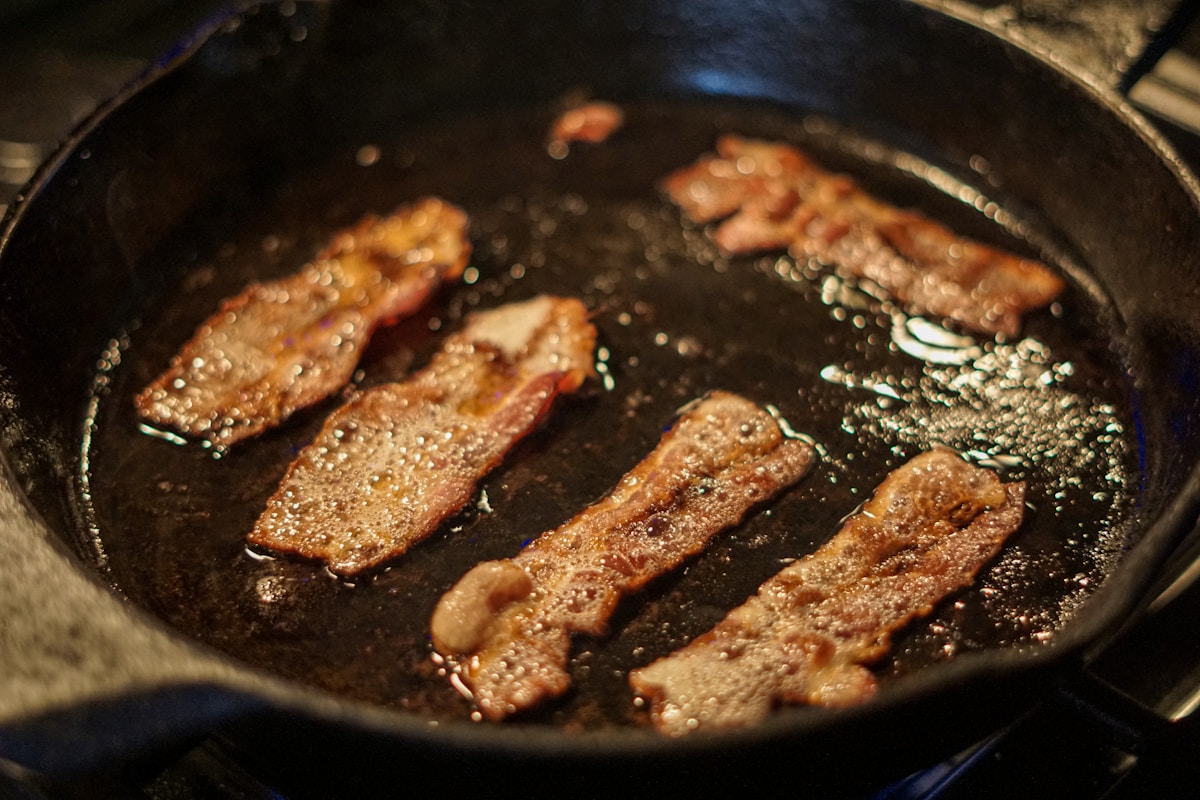
- One-Pan Meal Lovers: This is the pan for your favorite skillet lasagna, shepherd’s pie, or a full pound of bacon. You can build entire meals in here, from searing the meat to simmering the sauce.
What It Excels At:
- Preventing the Dreaded Steam: The number one mistake beginners make is overcrowding the pan. When food is packed too tightly, the moisture released has nowhere to go. It gets trapped, lowering the pan’s temperature and steaming the food. The 12-inch skillet’s spacious real estate is your best defense against this.
- Roasting: You can easily spatchcock a 3-4 pound chicken and roast it in this pan, creating incredibly crispy skin and juicy meat. You simply can’t do that in a 10-inch.
- Deep-Dish Pizza: The 12-inch size is perfect for a family-sized, Chicago-style deep-dish pizza with a crunchy, fried crust that is absolutely to die for.
The trade-off? Weight and size. A 12-inch skillet tips the scales at around 8 pounds. When it’s full of hot food and oil, it’s a two-handed job to get it out of the oven. (Your future self will thank you for using oven mitts on both hands.) It also takes up more space on the stovetop and in your cabinets.
A Quick Breakdown:
- Pros: Supreme versatility, prevents overcrowding for superior searing, great for families and batch cooking, can handle large roasts.
- Cons: Very heavy, requires two hands when full, can be awkward to clean in small sinks, might heat unevenly on small burners.
Head-to-Head: The Searing Test
Talk is cheap. Let’s put these pans to a real-world test that matters: searing a steak. I took two beautiful 1.5-inch thick New York strip steaks, patted them dry, and seasoned them generously.
I preheated both a 10-inch and 12-inch skillet over medium-high heat for about 10 minutes, until a drop of water sizzled and skittered across the surface. This told me the pans were at an ideal searing temperature of about 450°F (232°C). I added a tablespoon of high-smoke-point oil to each.
Round 1: One Steak Per Pan I placed one steak in the center of each skillet. Both produced a glorious, loud sizzle. After 3 minutes per side, both steaks had a deep, mahogany crust. The performance was virtually identical. The 10-inch was perfectly adequate for the job.
Round 2: The Real World Test (Two Steaks) Here’s where everything changed. I tried to fit both steaks into the 10-inch pan. They barely fit, pressing against each other. The sizzle was noticeably quieter, and I could see moisture pooling between them. In the 12-inch pan, the two steaks had a comfortable inch of space between them. The sizzle remained loud and aggressive.
The Verdict: The steaks from the 12-inch pan had a markedly better crust—drier, darker, and more evenly browned. The steaks from the 10-inch pan were still good, but the areas where they touched were slightly gray and steamed. The 12-inch skillet is the clear winner for anyone who plans on cooking for more than one person at a time.
My Final Verdict and a Pro Tip
So, after all that, which one should you buy?
If I could only have one cast iron skillet in my kitchen for the rest of my life, I would choose the 12-inch skillet without hesitation. The sheer versatility wins. You can always cook a small amount of food in a large pan, but you can never cook a large amount of food in a small one. The frustration of an overcrowded pan is something you’ll want to avoid, and the 12-inch model is your best insurance policy against it.
However, this comes with a giant asterisk. Be honest with yourself about your needs. If you live alone, have a tiny kitchen, or have wrist or strength issues that make lifting 8 pounds of hot iron a genuine safety concern, then the 10-inch skillet is the smarter, safer, and more practical choice. It’s still an incredibly capable pan that will serve you well for decades.
My Kitchen Hack: The Water Drop Test Forget guessing when your pan is hot enough. This is the only trick you need. When preheating your cast iron, flick a few drops of water from your fingertips onto the surface.
- If it sizzles aggressively and evaporates in a second, it’s getting hot, but not ready yet.
- If the drops instantly break into dozens of tiny beads that dance and glide across the surface like ball bearings, your pan is at the perfect temperature for searing. This is called the Leidenfrost effect, and it means you’ve hit that sweet spot of 400-500°F (205-260°C). Pull it off the heat for a moment, add your oil, and get searing. It works every single time.