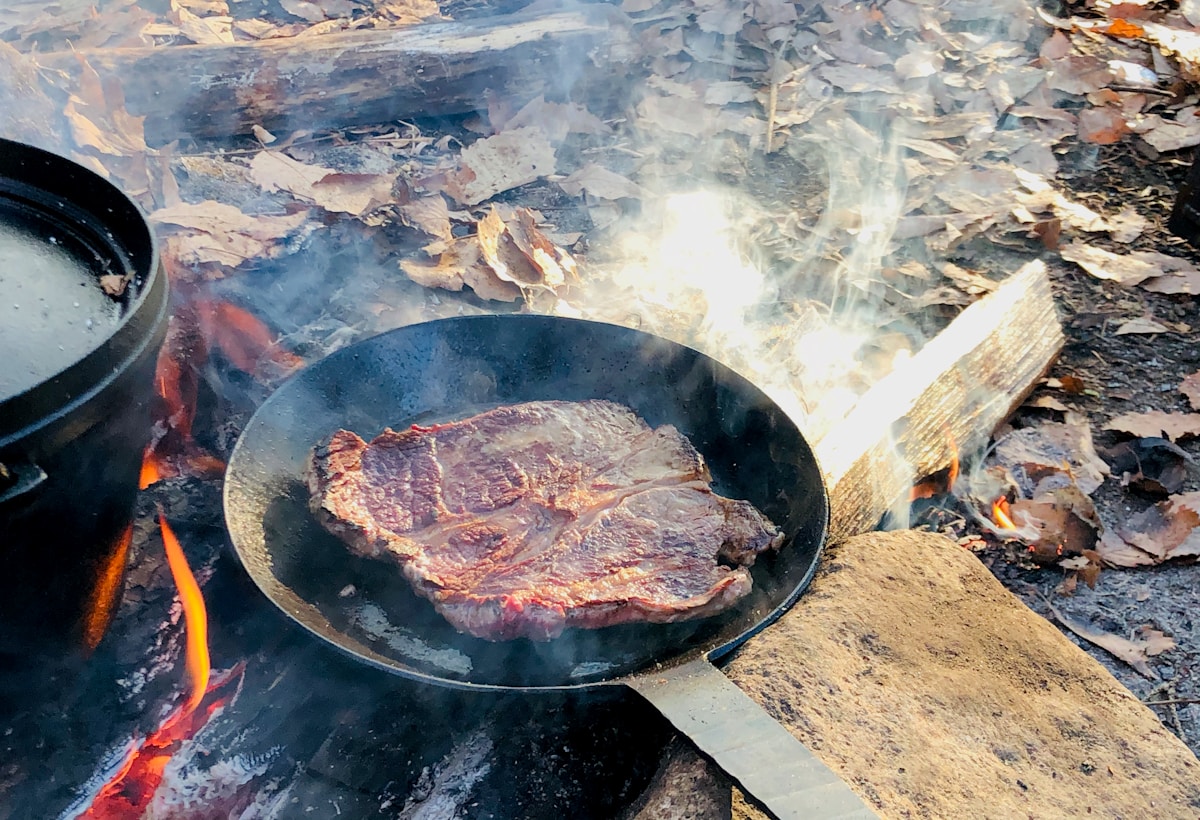
If you’ve ever scrolled through a steak-cooking forum — and I know you have — you’ve seen the debate: cast iron vs. stainless steel for the perfect sear. A Reddit user recently posted a photo of a perfectly crusted ribeye cooked in a cast iron skillet, and the comments exploded. Some swore by stainless steel for better control, others insisted cast iron was the only way. Which one actually gives the best crust? The answer is not as simple as you might think. Let’s break it down by the science, the practical cooking experience, and what works best for your kitchen.
The Science of Searing: Heat Retention vs. Heat Response
When you drop a cold steak into a hot pan, the pan’s temperature drops immediately. The key to a thick, dark crust is recovering that heat quickly and holding it steady. Cast iron excels here because of its high heat capacity. A Lodge 12-inch cast iron skillet (around $25-$35) will stay hot even after adding a 16-ounce ribeye. The thermal mass means the pan doesn’t cool off as much, so the steak’s surface stays above the Maillard reaction threshold — roughly 300°F (150°C) for browning, but you want the pan at 500-550°F (260-288°C) for that deep crust.
Stainless steel, especially a tri-ply construction like the All-Clad D3 (around $130-$200), has lower heat capacity but much faster thermal response. It will cool down more when the steak hits it, but it reheats quickly because the heat from the burner transfers rapidly through the aluminum core. The trade-off is that stainless steel temperatures fluctuate more, making it slightly harder to maintain a steady sear temperature — but with a powerful burner, you can compensate.
Which is better for crust? For a thick steak (1.5 inches or more), cast iron has a clear advantage because the pan doesn’t lose as much heat. For thinner steaks (under 1 inch), stainless steel works just as well since the steak cooks faster and temperature drop matters less.
Sticking and the Perfect Pan Sauce
Here’s where the debate gets personal. Cast iron, when properly seasoned, is naturally non-stick. But that seasoning is a layer of polymerized oil, not Teflon. If you move the steak too early, it can stick. The trick is to let the steak release on its own — when it’s properly seared, it will lift off easily. That’s true for both pans, but cast iron’s surface is more forgiving once the seasoning is mature.
Stainless steel has a reputation for sticking, and it’s earned. But there’s a technique: preheat the pan until a drop of water beads and skitters across the surface (the Leidenfrost effect), then add oil. Once the oil shimmers, add the steak. If the pan is hot enough and you add enough fat, the steak will release beautifully. The bonus? Stainless steel is superior for deglazing. Those browned bits (fond) stuck to the bottom are the foundation of a great pan sauce. Cast iron’s seasoning can react with acidic liquids like wine or vinegar, stripping the seasoning and leaving a metallic taste in your sauce. For a red wine pan sauce with butter and thyme, stainless steel is the better choice. (Your future self will thank you when you don’t have to re-season the pan.)
Temperature Control and Stove Types
Your stove matters as much as the pan. Gas burners work well with both, but cast iron retains heat longer, smoothing out temperature fluctuations. Electric coil stoves are fine with cast iron; the heavy pan won’t warp. Induction cooktops are excellent for stainless steel (magnetic bottom required) because they respond instantly to temperature adjustments. Cast iron also works on induction, but the rough bottom can scratch glass-ceramic tops if you slide it. (I recommend setting it down gently — no dragging.)
For high-heat searing, cast iron can handle 500°F+ without issue. Stainless steel can also go that high, but be careful: high heat can cause oil to smoke and break down, creating off flavors. I use avocado oil (smoke point ~520°F) for both pans. For cast iron, preheat slowly for 5-7 minutes to avoid hot spots. For stainless steel, preheat on medium-high for 3-4 minutes. A quick test: flick a drop of water onto the pan. If it sizzles and evaporates immediately, it’s ready for steak.
Ease of Cleaning and Long-Term Care
Cleaning is where many home cooks choose sides. Cast iron cannot go in the dishwasher. You wash it with hot water and a stiff brush, sometimes with a little salt as abrasive. Dry immediately and rub with a thin layer of oil to prevent rust. It sounds like work, but once you have a well-seasoned pan, it’s actually quick. (I’ve been using the same Lodge skillet for 10 years — the seasoning is so slick I can fry eggs in it.)
Stainless steel is dishwasher-safe (mostly), but you might need to scrub off stubborn food with Bar Keepers Friend or a stainless steel cleaner. The upside: no rust, no seasoning to maintain. The downside: you can’t leave it soaking in soapy water for long, and burnt-on residue can be tough. For the price difference, cast iron is the budget champion. A basic 12-inch Lodge cast iron skillet costs around $25-$35. A comparable tri-ply stainless steel skillet from Tramontina or Cuisinart costs $50-$80, and premium All-Clad starts above $100.
Which Pan Should You Choose?
If you cook steak once a week and love a thick crust, go with cast iron. You’ll get better searing performance for less money. It’s also a workhorse for searing other proteins, roasting vegetables, and even baking cornbread. (I’ve made deep-dish pizza in mine — the heat retention is incredible.)
If you cook a variety of proteins — fish, chicken, delicate scallops — and you want the ability to make quick pan sauces without worrying about acidity, choose stainless steel. A high-quality tri-ply pan is more versatile day-to-day. Professional chefs on r/AskCulinary often recommend a tri-ply stainless as the one pan you should invest in for its balance of performance and ease.
But here’s a kitchen hack: you don’t have to choose just one. For about $100 total, you can own both a Lodge cast iron skillet ($35) and a Tramontina tri-ply stainless steel skillet ($50-$60). Use cast iron for steak nights and stainless steel for weeknight dinners with pan sauces. That way, you get the best of both worlds without overspending. (Your wallet and your taste buds will thank you.)
Final Verdict
For the best crust, cast iron wins — especially on a thick, cold steak. But the difference is small when you use proper technique. The most important factor is your stove, your heat management, and your patience to let the crust form. Whether you choose cast iron or stainless steel, preheat properly, use enough oil, and don’t crowd the pan. At the end of the day, a perfectly seared steak is about the cook, not just the pan. Now go make that crust.