What Is The Best Way To Stabilize Whipped Cream Frosting?

What Is The Best Way To Stabilize Whipped Cream Frosting?

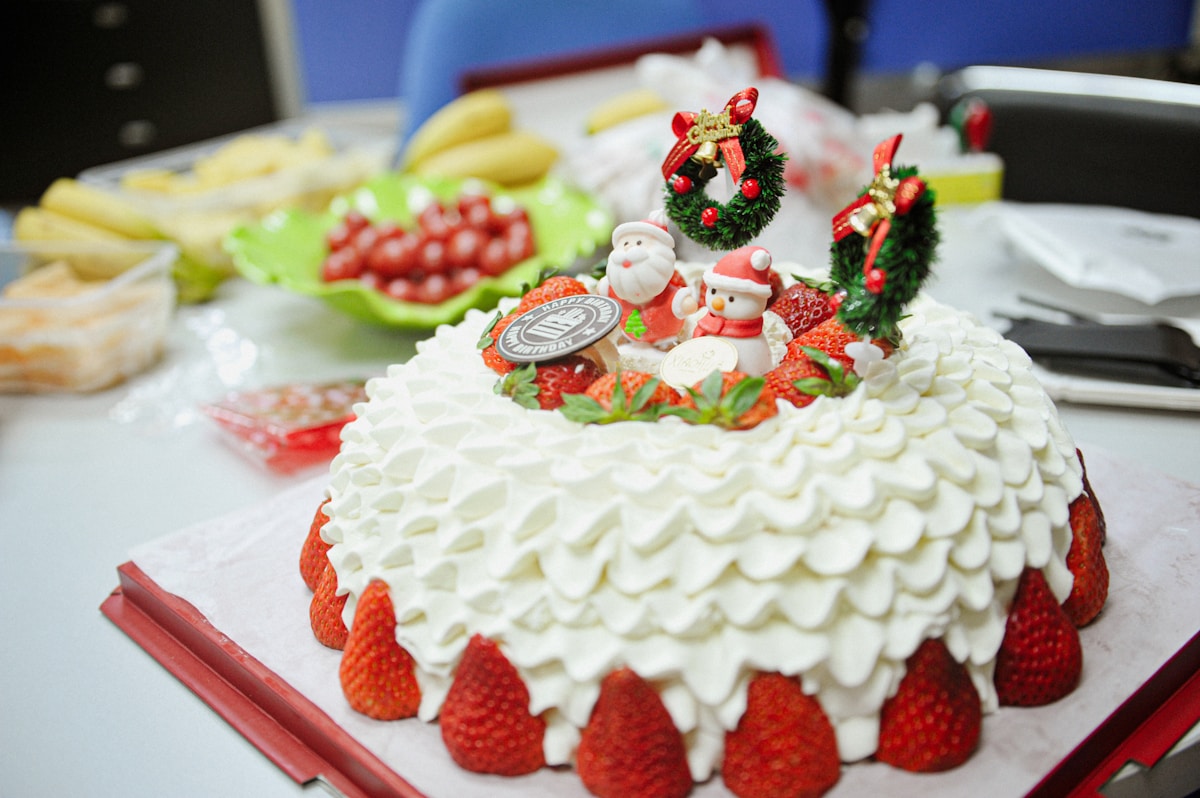
There’s a uniquely heartbreaking moment in baking that many of us know too well. You’ve baked a perfect cake, cooled it, and frosted it with what looked like luscious, billowy clouds of whipped cream. But an hour later, you see it: the slump. The once-sharp piped edges are softening, and a sad, watery puddle is forming at the base. Your masterpiece is weeping.

How Can I Master Concrete Ganache for Razor Sharp Edges?

How Can I Master Concrete Ganache for Razor Sharp Edges?

It’s a moment every aspiring cake decorator knows well. You’ve baked the perfect layers, whipped up a dreamy filling, and stacked it all with care. Now comes the finish. You apply your frosting, scraping and smoothing, hoping for that clean, professional look. But instead, you get slight bulges, a stubborn lean, and an edge that’s more rounded than sharp. It’s frustrating, and it feels like the one thing standing between you and a truly stunning cake.

How Do I Stop Fresh Strawberries From Ruining My Cake Frosting?

How Do I Stop Fresh Strawberries From Ruining My Cake Frosting?

We’ve all been there. You spend hours baking a beautiful vanilla cake, whipping up a pristine white buttercream, and carefully arranging a crown of vibrant, sliced strawberries on top. It looks like a magazine cover. You place it in the fridge, beaming with pride. But when you pull it out a few hours later for the party, your heart sinks. Angry red streaks are bleeding down the sides, pooling at the base, turning your masterpiece into a mess.

How Do I Keep My Checkerboard Cookies Perfectly Square When Slicing?

How Do I Keep My Checkerboard Cookies Perfectly Square When Slicing?

You’ve spent hours on your masterpiece. The doughs are colored beautifully—maybe for a Pride flag celebration or a festive holiday treat. You’ve painstakingly cut strips, stacked them into a perfect log, and now it’s time for the final step: slicing. You press down with your knife and… disaster. Your sharp, geometric squares slump into sad, rounded ovals. All that precision, gone in an instant.

How do you make a professional French entremet at home?

How do you make a professional French entremet at home?

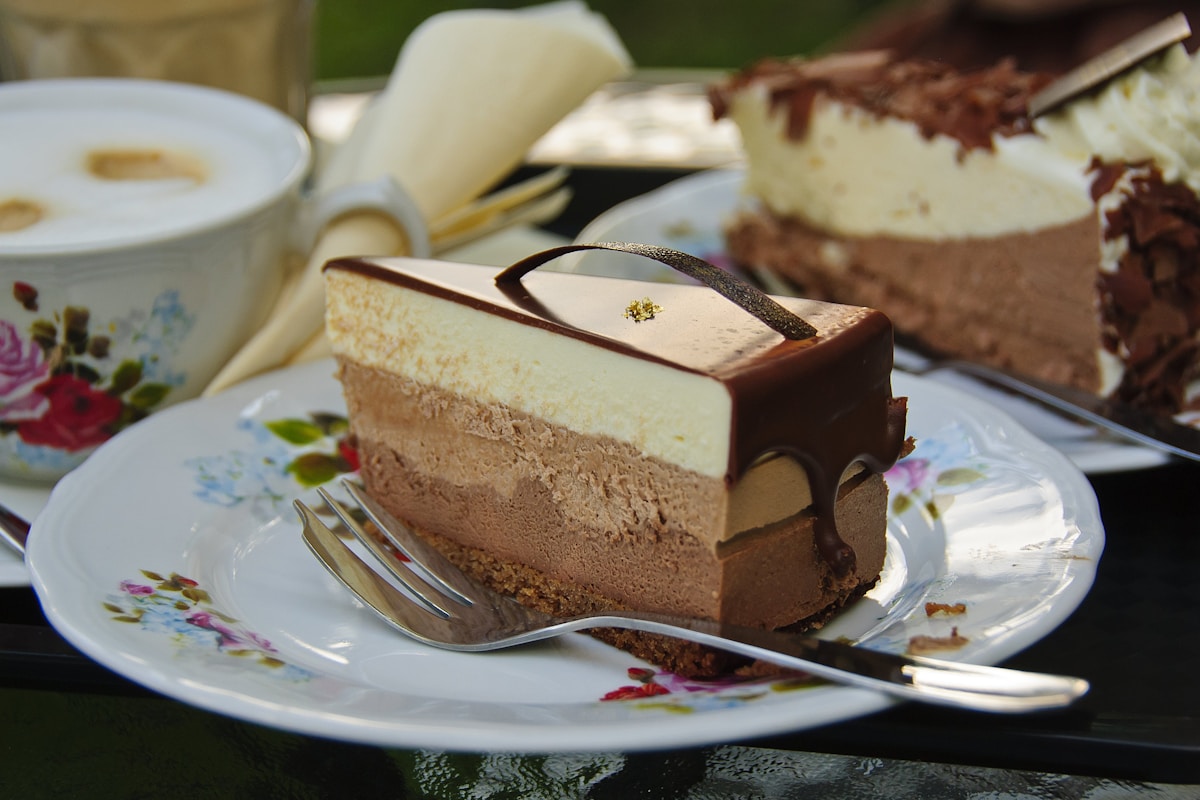
Have you ever been scrolling through social media or watching a baking competition and stopped dead in your tracks? A cake so perfect, so glossy, it looks more like a sculpture than dessert. That, my friends, is likely an entremet. It’s the pinnacle of French pâtisserie, a multi-layered marvel of textures and flavors that seems impossibly complex.

What Makes Brown Butter a Secret Baking Ingredient?

What Makes Brown Butter a Secret Baking Ingredient?

Have you ever tasted a chocolate chip cookie that stopped you in your tracks? One that had a deep, nutty, almost toffee-like flavor that you couldn’t quite place? The ingredients on the recipe card looked standard—flour, sugar, eggs, butter—but the result was anything but. The secret, more often than not, isn’t a rare spice or an expensive vanilla. It’s a simple, five-minute chemical reaction performed on one of baking’s most fundamental ingredients: butter.

How Do You Stop Fresh Strawberries From Bleeding on a Cake?

How Do You Stop Fresh Strawberries From Bleeding on a Cake?

There’s a moment in cake decorating that every baker dreads. You’ve baked the perfect layers, whipped up a silken, pristine buttercream, and artfully arranged a crown of glistening, ruby-red strawberries on top. It’s a masterpiece. You step back to admire your work, only to return an hour later to find tragic red rivulets weeping down the sides of your beautiful cake, leaving pink stains and soggy spots. It’s frustrating, but it’s not your fault—it’s science. And as a baker, understanding that science is your greatest tool.

Why do my slice-and-bake cookie designs get distorted?

Why do my slice-and-bake cookie designs get distorted?

You’ve spent hours meticulously crafting your dough. One batch is a deep, rich chocolate; the other, a creamy vanilla. You’ve rolled, stacked, and sliced them into perfect strips, reassembling them into a beautiful, intricate checkerboard log. It’s a work of art. You’re filled with anticipation. You grab your sharpest knife, place the log on your cutting board, and make the first slice.

How Much Dough Should I Leave for a Perfect Pie Crimp

How Much Dough Should I Leave for a Perfect Pie Crimp

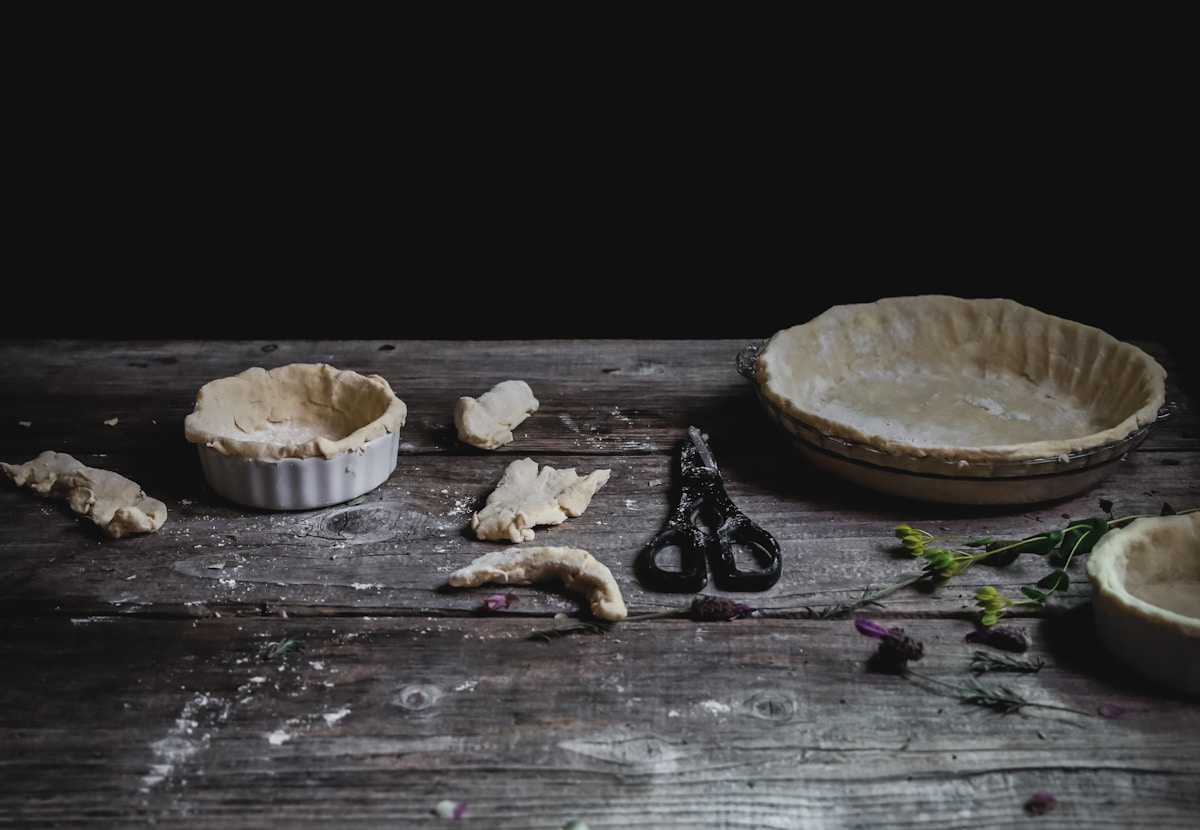
You’ve reached the final step. The filling—a perfect mound of spiced apples or silky pumpkin custard—is nestled in its buttery shell. You’ve carefully draped the top crust, and now it’s time for that final, artistic flourish: the crimp. You lean in, ready to flute the edge into a beautiful, uniform pattern, only to find… nothing. There’s barely enough dough to press together, let alone create the bakery-worthy design you envisioned.

Why Did My White Chocolate Make My Buttercream Curdle?

Why Did My White Chocolate Make My Buttercream Curdle?

There are few moments in baking more triumphant than seeing a Swiss Meringue Buttercream (SMBC) come together. That glossy, ethereal cloud of frosting is a testament to your patience. You taste it—perfect. Now, for the final touch: a cascade of beautifully melted white chocolate. You pour it in, the paddle turns, and then… horror. In seconds, your silky frosting transforms into a grainy, weeping, cottage-cheese-like mess.

Why Do My Shaped Biscuits Spread and How Can I Stop Them?

Why Do My Shaped Biscuits Spread and How Can I Stop Them?

There’s a special kind of kitchen heartbreak that I know many of you have felt. You’ve spent the morning carefully crafting the most beautiful, buttery biscuit dough. You’ve gently rolled it out, and with surgical precision, you’ve cut out a dozen perfect hearts for a Valentine’s brunch or a wedding shower. You slide the tray into the oven, filled with anticipation for those tall, flaky, golden-brown beauties. But when the timer dings, you pull out a tray of… well, blobs. Puddles. Amorphous shapes that vaguely hint at the hearts they once were.

How Do You Stop Fresh Strawberries From Making a Cake Soggy

How Do You Stop Fresh Strawberries From Making a Cake Soggy

It’s a heart-sinking moment for any baker. You’ve spent hours creating a masterpiece: a beautiful cake with pristine, white buttercream frosting. For the final touch, you arrange a crown of gorgeous, ruby-red sliced strawberries on top. It looks perfect. But when you pull it out of the fridge a few hours later, disaster has struck. The vibrant red has bled into pinkish, weeping streaks running down the sides, and the frosting around the berries has dissolved into a sugary, watery mess.

Why Is My Swiss Meringue Buttercream a Soupy Mess?

Why Is My Swiss Meringue Buttercream a Soupy Mess?

That moment of sinking dread. The stand mixer has been running, you’ve followed every step, but the beautiful, fluffy frosting you imagined is a bowl of thin, greasy, soupy liquid. It’s one of the most common frustrations in baking, but I’m here to tell you two things: you are not alone, and your buttercream is almost certainly salvageable.

How Do I Stop Fresh Strawberries From Bleeding On My Cake

How Do I Stop Fresh Strawberries From Bleeding On My Cake

There’s a specific kind of baker’s heartbreak that I know all too well. You’ve spent hours baking the perfect vanilla sponge. You’ve whipped up a batch of pristine, snow-white Swiss meringue buttercream. You’ve sliced the most beautiful, ruby-red strawberries and arranged them in a stunning pattern on top. The cake is a masterpiece. You place it in the fridge, ready for the big reveal at a family gathering in a few hours.

How Do You Stop Jam Leaking From a Layer Cake

How Do You Stop Jam Leaking From a Layer Cake

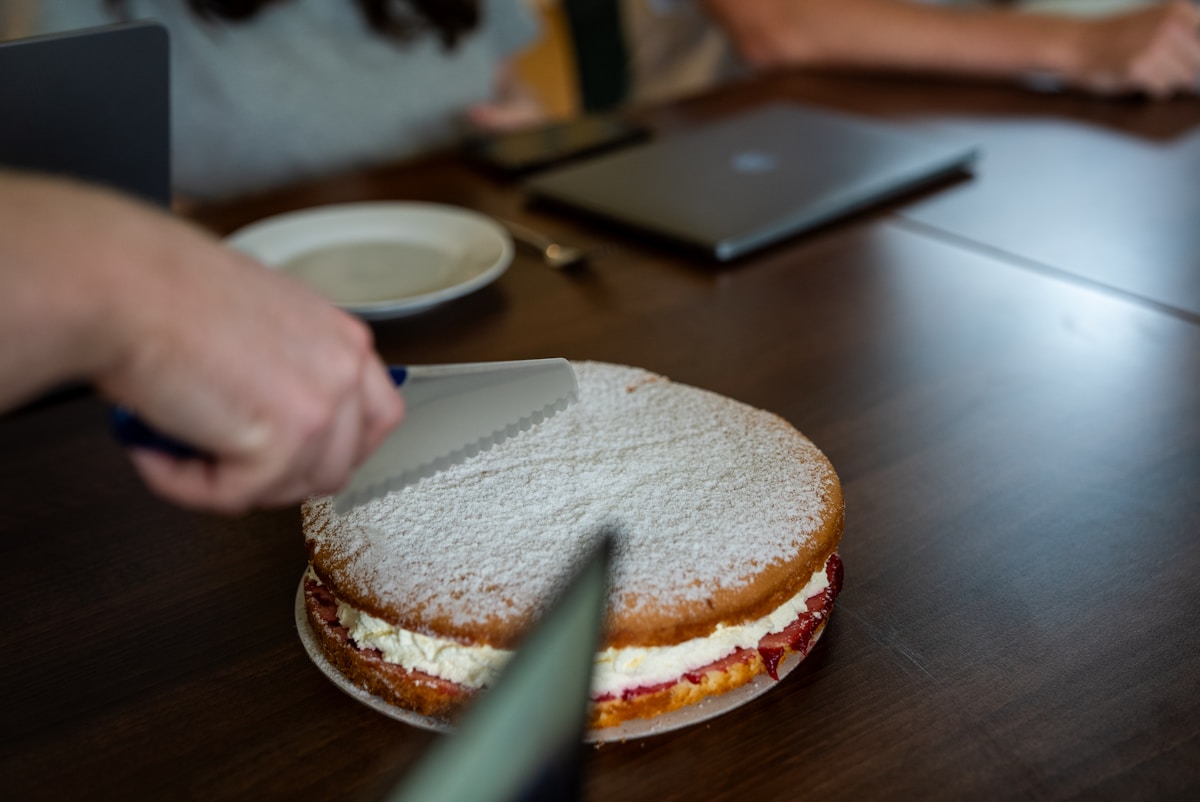
You’ve done everything right. Your cake layers are perfectly level, tender, and fragrant. The lemon curd is silky, the raspberry jam is vibrant. You carefully assemble your masterpiece, layer by layer, envisioning the beautiful cross-section and the clean, white frosting. Then, as you apply the final crumb coat, you see it: a faint purple or yellow streak, a tell-tale sign of a filling jailbreak. A few hours later, your pristine cake has unsightly bulges and weepy seams. It’s a moment that can deflate even the most optimistic baker.

How Do I Get That Perfect Crinkly Top On My Brownies?

How Do I Get That Perfect Crinkly Top On My Brownies?

There’s a unique kind of kitchen heartbreak that comes from a failed batch of brownies. You followed the recipe, the house smelled like a chocolate paradise, but when you pulled them from the oven and let them cool, the magic was gone. Instead of a dense, fudgy interior with a glossy, paper-thin crinkly crust, you got… well, chocolate cake. A dry, crumbly square that’s a distant cousin to the decadent brownie of your dreams.

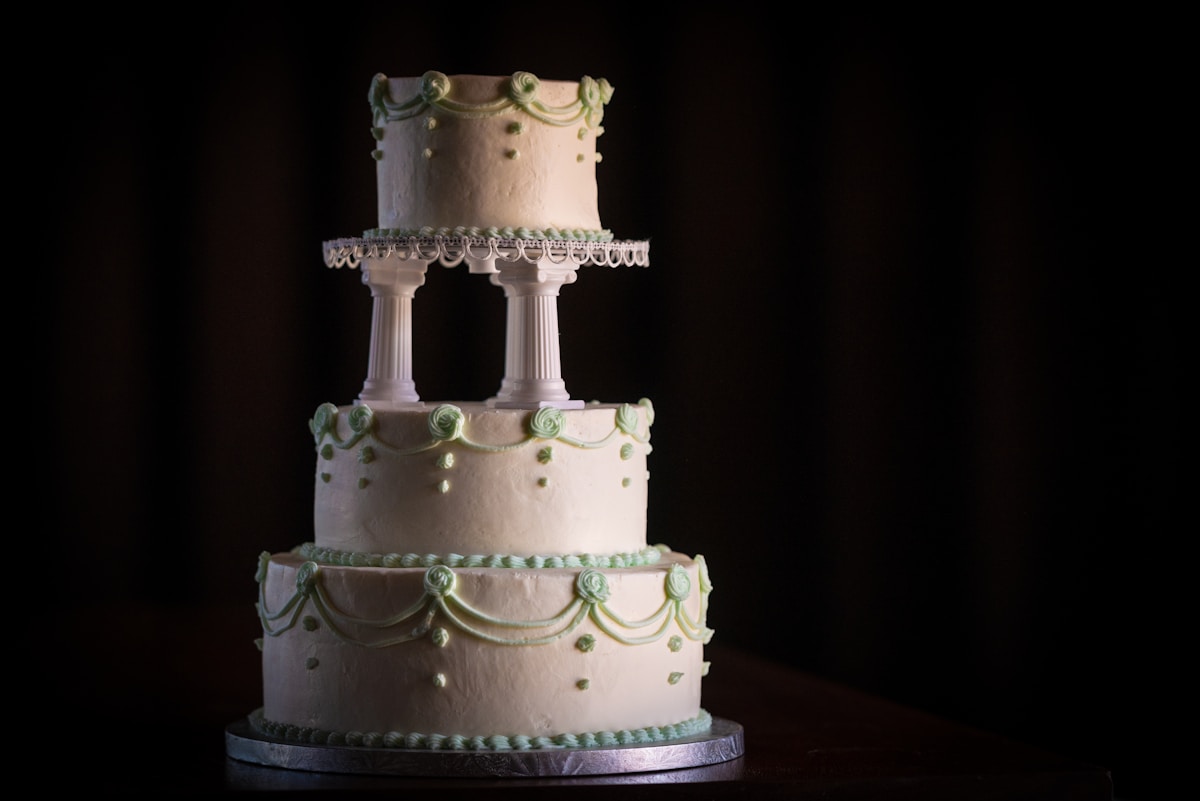
Should You Bake Your Own Wedding Cake From Scratch?

Should You Bake Your Own Wedding Cake From Scratch?

There’s a beautiful, romantic vision many of us have: a quiet kitchen, the hum of a stand mixer, and the personal touch of creating your own wedding cake. It’s a heartfelt, budget-friendly gesture that seems like the ultimate expression of love. But between that lovely dream and the final, glorious tiered confection is a reality filled with structural engineering, precise temperature control, and a level of project management that can rival planning the event itself. I’ve seen the triumphs and the tearful late-night collapses. Before you commit, let’s talk about what it really takes. This isn’t just baking; it’s edible architecture.

How Can I Keep My Detailed Cut-Out Cookies From Spreading

How Can I Keep My Detailed Cut-Out Cookies From Spreading

There’s a unique kind of kitchen heartbreak that every meticulous baker has felt. You spend hours crafting the perfect dough, chilling it, and painstakingly cutting out intricate shapes—delicate snowflakes, detailed gingerbread figures, or even a set of Mahjong-inspired butter cookies. You arrange them perfectly on the baking sheet, a testament to your patience. Then, you watch through the oven door as your crisp, sharp edges melt into soft, rounded, unrecognizable blobs. It’s frustrating, but I’m here to tell you it’s not a personal failure; it’s a chemistry problem. And like any chemistry problem, it has a solution.

How Do Bakeries Get Chocolate Chip Cookies So Perfectly Chewy

How Do Bakeries Get Chocolate Chip Cookies So Perfectly Chewy

We’ve all been there. You follow a chocolate chip cookie recipe to the letter, dreaming of those thick, chewy discs of perfection you get from a high-end bakery. Instead, you pull a tray of flat, crispy saucers or puffy, cake-like mounds from the oven. It’s a common kitchen frustration, but I’m here to tell you that the cookie of your dreams is not out of reach. The difference isn’t magic; it’s chemistry.