


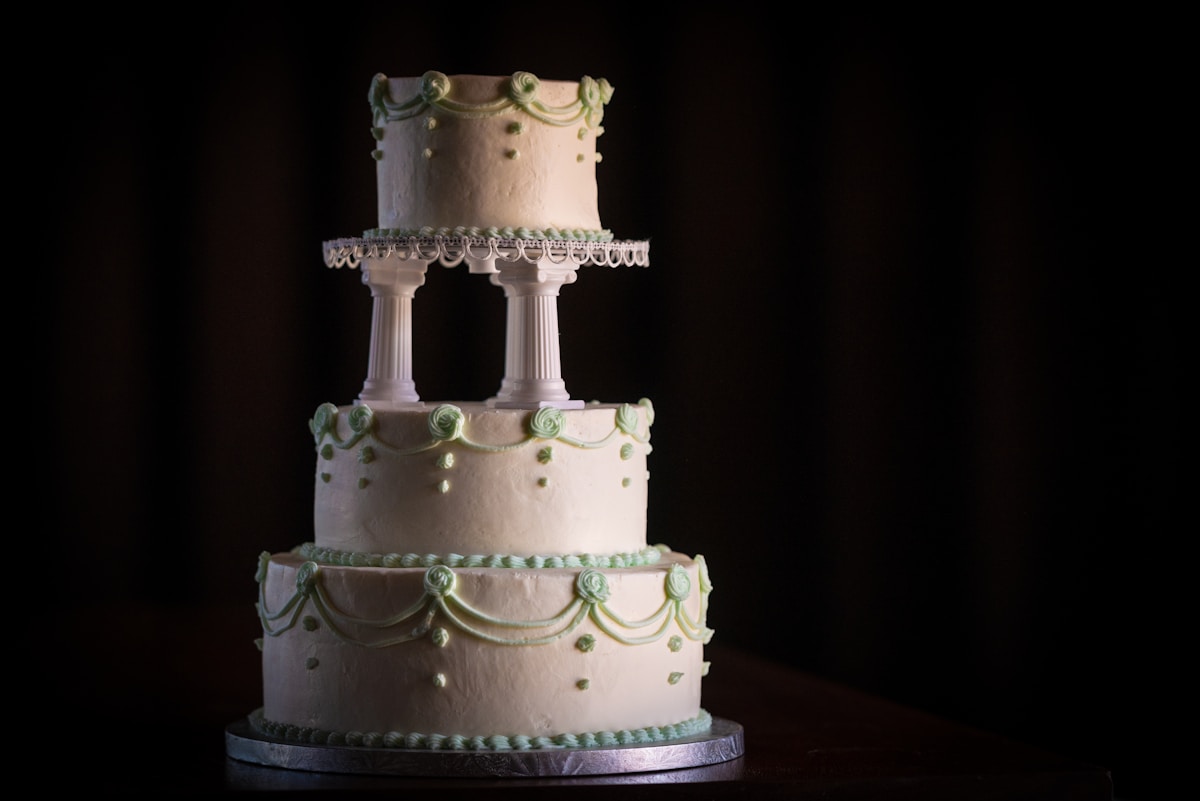
There’s a beautiful, romantic vision many of us have: a quiet kitchen, the hum of a stand mixer, and the personal touch of creating your own wedding cake. It’s a heartfelt, budget-friendly gesture that seems like the ultimate expression of love. But between that lovely dream and the final, glorious tiered confection is a reality filled with structural engineering, precise temperature control, and a level of project management that can rival planning the event itself. I’ve seen the triumphs and the tearful late-night collapses. Before you commit, let’s talk about what it really takes. This isn’t just baking; it’s edible architecture.
From Humble Layer Cake to Edible Skyscraper
The first mental hurdle to clear is that a wedding cake is not simply a larger version of the 8-inch birthday cake you’ve perfected. It’s a structural system designed to defy gravity. A typical three-tier cake, serving around 100 people, can weigh upwards of 25 pounds (11 kg). All that weight is concentrated on the bottom tier, which needs to be dense and structurally sound enough not to compress into a pancake.
This is where the science comes in. We’re not just stacking cake; we’re building a support structure. Each tier, except for the very top one, must contain an internal support system. This usually means dowel rods. These are food-safe plastic or wooden rods cut to the exact height of the tier they are placed in. You’ll typically use 4-5 dowels in a tier to create a platform. A cardboard cake round, the same diameter as the tier above it, is then placed on top of these dowels. The cake sitting on top of it is therefore resting on the dowels, not the cake below it. This transfers the weight down through the structure to the cake stand.
Without this system, the cake will inevitably bulge at the sides, sag, or completely collapse. (Yes, really.) This is non-negotiable food physics.
Gearing Up Your Kitchen for Battle
Your trusty home kitchen equipment might not be ready for a fight of this magnitude. Let’s do a quick inventory check against the professional requirements.
- Pans: Those two 8-inch pans you own? You’ll need more. For a tiered cake, you need multiples of the same size pan for each tier to bake layers evenly without having to wait. I strongly recommend professional-grade, straight-sided aluminum pans from a brand like Fat Daddio’s. Many consumer pans have slightly sloped sides, which creates a nightmare for getting clean, sharp, stackable edges.
- Mixer Capacity: A standard 5-quart KitchenAid Artisan is a workhorse, but a single batch of Swiss Meringue Buttercream for a three-tier cake can require 2 pounds of butter and a dozen egg whites. You will likely need to make multiple, separate batches, which adds significant time. Pushing your mixer beyond its capacity can burn out the motor.
- Oven Space & Accuracy: Can your oven fit two 12-inch pans at once without them touching the sides? Are you confident in its temperature accuracy? An oven that runs hot can create domed, cracked cakes that are difficult to level. An external oven thermometer is an absolute must-have investment for this project.
- The Essentials Arsenal: Beyond the big items, you’ll need a few key tools: a large, rotating cake turntable (not a small plastic one), a long offset spatula, a tall metal bench scraper for smooth sides, a cake leveler or a very long serrated knife, and bubble tea straws or wooden dowels for support.
The Science of a Flawless Finish
The secret to that impossibly smooth, professional-looking frosting finish is a two-part process rooted in chemistry: the crumb coat and the final coat. Skipping the first step is a recipe for disaster.
A “crumb coat” is a thin, spackle-like layer of frosting applied directly to your filled and stacked cake layers. Its sole purpose is to trap every loose crumb. After applying it, you must chill the entire tier. This is the crucial part. Chilling the cake in the refrigerator for at least 30 minutes (ideally at around 4°C / 40°F) solidifies the fats in the buttercream. This creates a firm, sealed surface. When you apply your beautiful final coat of frosting, no pesky crumbs can tear through and ruin the finish. It’s like priming a wall before you paint.
Your choice of frosting also matters. American buttercream (powdered sugar and butter) is sweet and “crusts” over, making it fairly stable. However, Swiss Meringue Buttercream (SMBC) is the choice of most professionals for its silky texture and superior stability. It’s an emulsion of egg whites, sugar, and a staggering amount of butter. Making it involves heating egg whites and sugar over a double boiler to 160°F (71°C) to make it food-safe, whipping it to a stiff meringue, and then slowly incorporating softened butter. It’s more technical, but its ability to hold up is worth the effort.
Your Wedding Cake Project Plan a Realistic Timeline
To avoid a frantic, sleepless night before the wedding, you need a meticulous plan. Procrastination is not an option. Here is a sample timeline for a Saturday wedding.
- 3-4 Weeks Out: Finalize your cake flavors and frosting. Order any specialty equipment you need. Do a complete, timed test run of your smallest cake tier, from baking to final frosting.
- Tuesday: Bake all of your cake layers. Once they have cooled completely, level them. Wrap each layer tightly in two layers of plastic wrap and one layer of aluminum foil. You can store them at room temperature or freeze them (freezing makes them easier to handle and carve).
- Wednesday: Make all of your buttercream and any fillings like curd or ganache. Store them in airtight containers in the refrigerator.
- Thursday: This is assembly day. Thaw your cake layers if frozen. Level, fill, and stack each tier individually on its own cardboard cake round. Apply the crumb coat to each separate tier. Place them in the refrigerator to chill and settle overnight. This gives the structure time to firm up completely.
- Friday: The big decorating day. Apply the final coat of frosting to each individual tier. This is where you need patience and your turntable/bench scraper. Once frosted, insert your support dowels into the bottom and middle tiers. Box each tier up separately and keep them refrigerated.
- Saturday (Wedding Day): Transport the cold, boxed tiers to the venue. (Your future self will thank you for doing this.) The final assembly happens on-site, ideally at the cake table, at least two hours before guests arrive. Stack the tiers, starting with the largest. Use a little dab of buttercream as “glue” between the tiers. Add any final decorations like flowers. Take a deep breath. You did it.
The Final Bosses Transportation and Temperature
Even a perfectly constructed cake can meet its doom in the final hours. The two biggest threats are the car ride and the venue’s climate.
Transportation: A chilled cake is a stable cake. Never, ever transport a fully assembled, room-temperature tiered cake. It will wobble, slide, and potentially collapse. The best method is to transport the cold, individual tiers in sturdy boxes. Place the boxes on a flat, level surface in your vehicle—the floor of the car with the AC blasting is much safer than a slanted back seat. A non-slip mat underneath the boxes is a fantastic kitchen hack for this.
Environment: Is the reception outdoors in August? Is the room known for being warm? Heat is the mortal enemy of buttercream. Talk to your venue coordinator ahead of time and ask if there is refrigerator space you can use. The cake should be kept in a cool place (below 70°F / 21°C) for as long as possible before being displayed.
Baking your own wedding cake is one of the most ambitious and personal projects a baker can undertake. It demands precision, planning, and a deep respect for the science of it all. It can be an incredibly rewarding experience and a story you’ll tell for years. But it’s also perfectly okay to decide the stress isn’t worth it. The goal is to add joy to your celebration, not anxiety. Whether you bake it yourself or hire a professional, what matters is the love that the cake represents.


