How Do I Safely Cut a Big Round Vegetable Without It Rolling

How Do I Safely Cut a Big Round Vegetable Without It Rolling

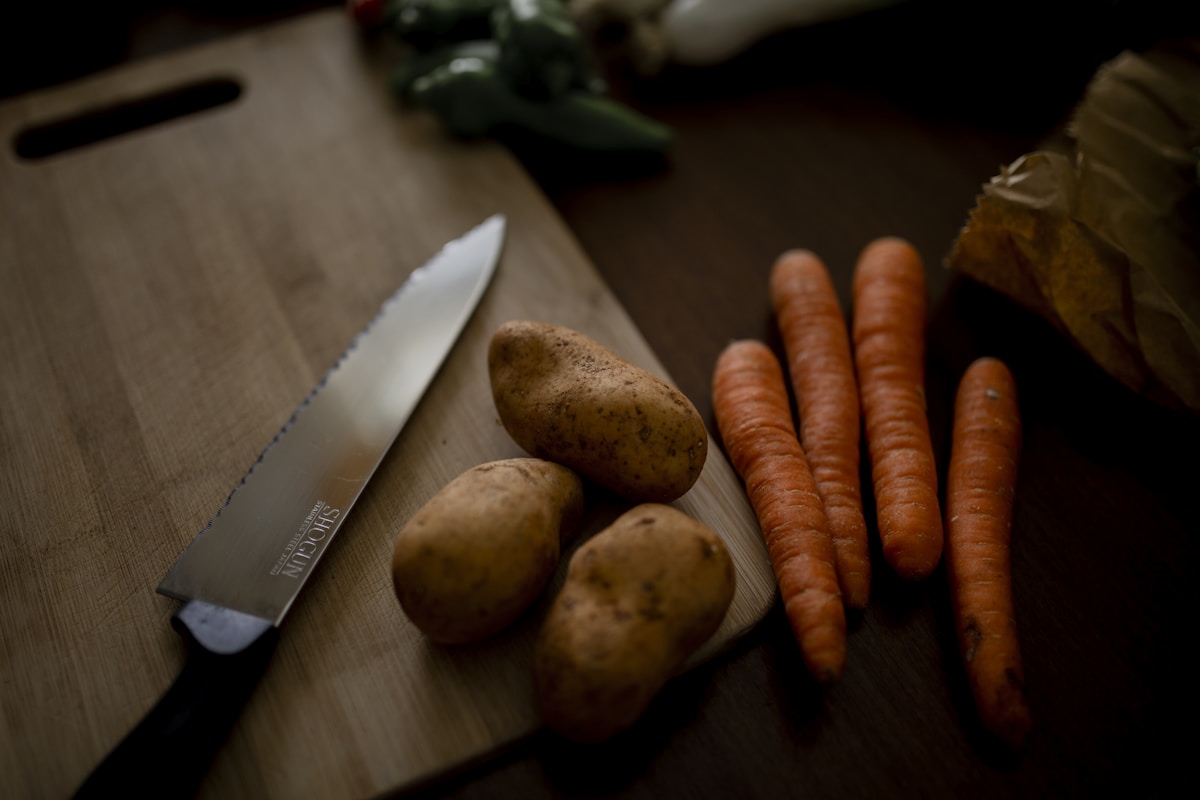
We’ve all been there. You’ve got a beautiful, big potato on your cutting board. You place your very sharp knife on top, ready to make that first cut, and… it wobbles. It tilts. It threatens to roll right off the board and take a finger with it. Your heart does a little jump, and suddenly, making dinner feels less like a joy and more like a high-stakes dare.

What Are The Only Knife Skills You Really Need To Learn

What Are The Only Knife Skills You Really Need To Learn

Let’s be honest for a second. Have you ever stood over a cutting board, staring at a wobbly, round onion, and felt a tiny wave of panic? Your knife feels awkward, the onion keeps trying to roll away, and visions of perfectly diced vegetables on cooking shows just make you feel… slow. If you’ve ever felt this, please know you are in excellent company. Every single person who cooks with confidence started right there, with that same wobbly onion.

How Can I Safely Learn Basic Knife Skills at Home?

How Can I Safely Learn Basic Knife Skills at Home?

Let’s be honest for a second. Is there anything more intimidating in a new kitchen than a big, sharp chef’s knife? I remember holding my first one, feeling like I was wielding something both powerful and terrifying. The potato I was trying to dice wobbled, my slices were all different thicknesses, and my biggest goal was simply to finish the task with all ten fingers intact. If this sounds familiar, I want you to take a deep breath. You are in the right place.

Why Does My Apple Pie Have a Huge Gap Under the Crust?

Why Does My Apple Pie Have a Huge Gap Under the Crust?

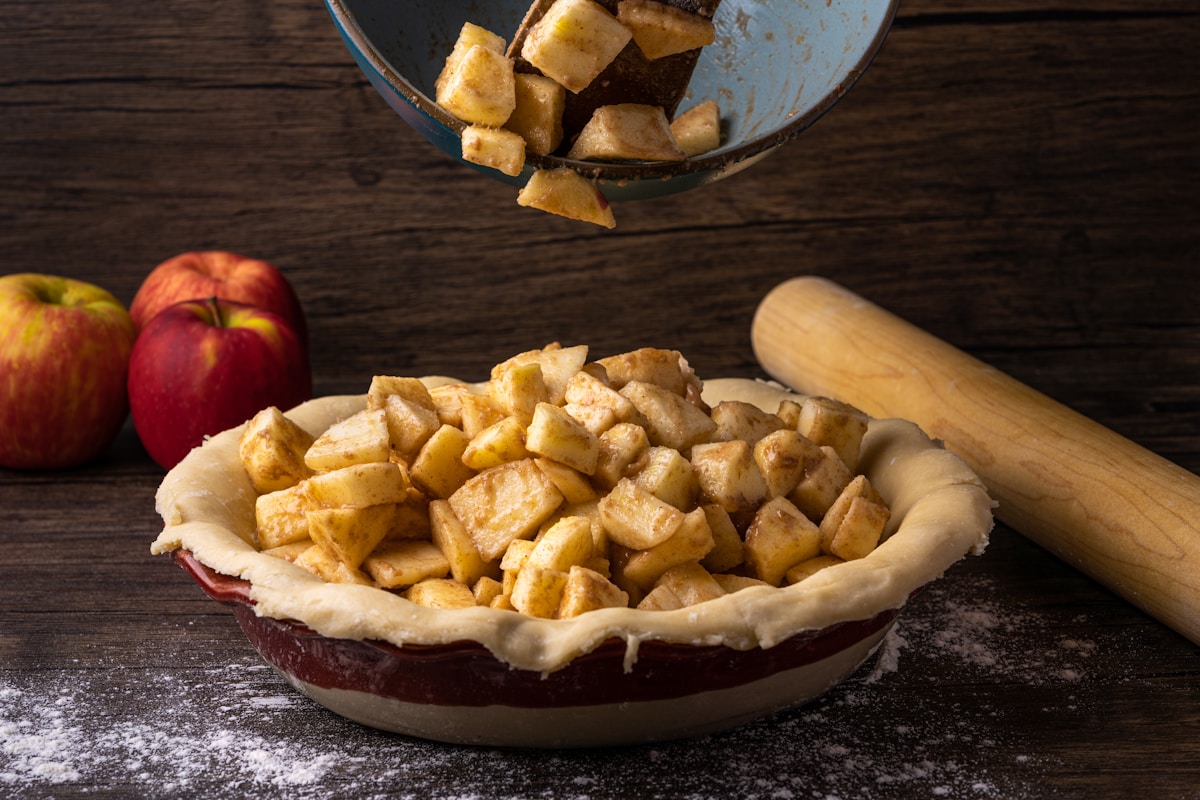
Have you ever pulled a picture-perfect apple pie from the oven, all golden-brown and bubbling, only to watch it deflate as it cools? You cut the first slice, and there it is: the dreaded gap. A big, empty cavern between your beautifully flaky top crust and the shrunken apple filling below. It’s so frustrating! But I promise you, it’s not your fault, and it’s a super common issue. The good news? The fix is surprisingly simple, and it all comes down to how you slice your apples.

How Can I Stop Being Afraid of My Big Kitchen Knife

How Can I Stop Being Afraid of My Big Kitchen Knife

Let’s be honest for a moment. Is there anything more intimidating in the kitchen than a big, sharp chef’s knife when you’re just starting out? You’ve seen chefs on TV moving so fast their hands are a blur. Meanwhile, you’re trying to chop an onion that keeps wobbling, and the whole process feels more dangerous than it should.

What Are the Most Important Knife Skills for a Beginner?

What Are the Most Important Knife Skills for a Beginner?

Let’s talk about that knife. You know the one. The big, sharp chef’s knife that came in the block, or the one you bought because a food blog said you should. Does it feel a little… intimidating? When you look at a pile of vegetables, does the idea of turning them into neat, even pieces feel like a magic trick you were never taught?

Are Japanese Steel Knives a Smart Upgrade for Your Kitchen?

Are Japanese Steel Knives a Smart Upgrade for Your Kitchen?

You know the moment. You grab a beautiful, ripe tomato, place it on your cutting board, and bring your trusty chef’s knife down for a slice. But instead of a clean cut, you get a squished, mangled mess. The skin resists, the seeds spill out, and you’re left with a culinary crime scene. That, right there, is the moment most people start wondering: “Should I get a better knife?”

What Is the Most Important Skill for a Beginner Cook?

What Is the Most Important Skill for a Beginner Cook?

Hello there, and welcome! It’s Beatrice. I want you to picture a scene. It’s a Tuesday night. You’ve decided to cook something new. You pull up a recipe on your phone, glance at it, and turn on the stove. The pan gets hot, you drizzle in some oil, and you grab an onion to chop. As you’re frantically dicing, you realize you haven’t minced the garlic yet. The oil starts to smoke. You rush to throw the onion in, but now you can’t find the paprika the recipe calls for, and is that a teaspoon or a tablespoon? Before you know it, the garlic is burning, you’re stressed, and cooking feels more like a chaotic race than a joyful activity.

How can I improve my knife skills without getting hurt

How can I improve my knife skills without getting hurt

That big chef’s knife. It sits in the block, looking sharp, professional… and honestly, a little terrifying. We’ve all been there. You see chefs on TV gliding through onions like they’re soft butter, and then you look down at your own cutting board, where you’re slowly and awkwardly wrestling a carrot into uneven chunks. The whole process feels slow, clumsy, and one wrong move away from a trip to the emergency room.

Why Is Cutting Food Into the Right Size So Important

Why Is Cutting Food Into the Right Size So Important

Have you ever sat down to a meal you were so proud of, only to find yourself wrestling with a piece of steak that’s just a little too big? Or watched a loved one struggle with a giant chunk of roasted potato? It’s a moment that can shift you from feeling like a kitchen hero to a worried host in a split second. It feels awkward, a little embarrassing, and honestly, a tiny bit scary.

How Do I Get Faster and More Confident at Chopping Vegetables

How Do I Get Faster and More Confident at Chopping Vegetables

Does this sound familiar? You’ve found a wonderful recipe for a hearty vegetable soup. You’re excited. You’ve bought all the beautiful, fresh ingredients. You pull out your cutting board, and then you see it: the mountain of carrots, onions, and celery you need to chop. Suddenly, the fun drains away and it feels like a chore. The chopping takes forever, your hand gets tired, and when you’re done, you have a pile of pieces in every size imaginable.

How Can I Learn to Chop Vegetables Faster and More Safely

How Can I Learn to Chop Vegetables Faster and More Safely

Does this sound familiar? You find a vibrant, exciting recipe for a stew or a stir-fry. Your mouth is already watering. You read the ingredient list, and then you see it: “3 carrots, finely diced,” “2 onions, chopped,” “1 bell pepper, julienned.” Suddenly, all the joy deflates. You picture the next thirty minutes of your life: painstakingly, slowly, and unevenly chopping a mountain of vegetables, with your knife feeling more like an enemy than a tool.

What Are the Basic Knife Skills Every Beginner Should Know

What Are the Basic Knife Skills Every Beginner Should Know

Let’s be honest. For a long time, the sharpest thing in my kitchen was my wit. My big chef’s knife felt more like a medieval weapon than a cooking tool, and my chopped vegetables looked like a collection of distant, non-related cousins. If you’ve ever chased a rogue piece of onion across your cutting board, you’re in the right place.

Why Are My Chopped Vegetables Always Uneven

Why Are My Chopped Vegetables Always Uneven

Let’s be honest. You’ve followed a recipe perfectly. You measured the spices, set the oven to the exact temperature, and then you look at your roasted vegetables. Half of them are burnt to a crisp, while the other half are still crunchy and raw. Sound familiar? It’s one of the most common frustrations in the kitchen, and the culprit usually isn’t the recipe or your oven. It’s the prep work. Specifically, it’s how you’re using your knife.

How can I stop being afraid of my chef's knife

How can I stop being afraid of my chef's knife

Let’s be honest for a moment. You’re standing at your kitchen counter, a beautiful, fresh onion in one hand and a big, shiny chef’s knife in the other. Your goal is a neat, tidy dice for your soup. The reality? A wobbly, uneven pile of onion bits, some too big, some paper-thin, and a lingering fear that your fingertip might be the next thing on the chopping block. If this sounds familiar, take a deep breath. You are not alone.