Which Pan Is Best for Dry Aged Steak Cast Iron or Carbon Steel?

Which Pan Is Best for Dry Aged Steak Cast Iron or Carbon Steel?

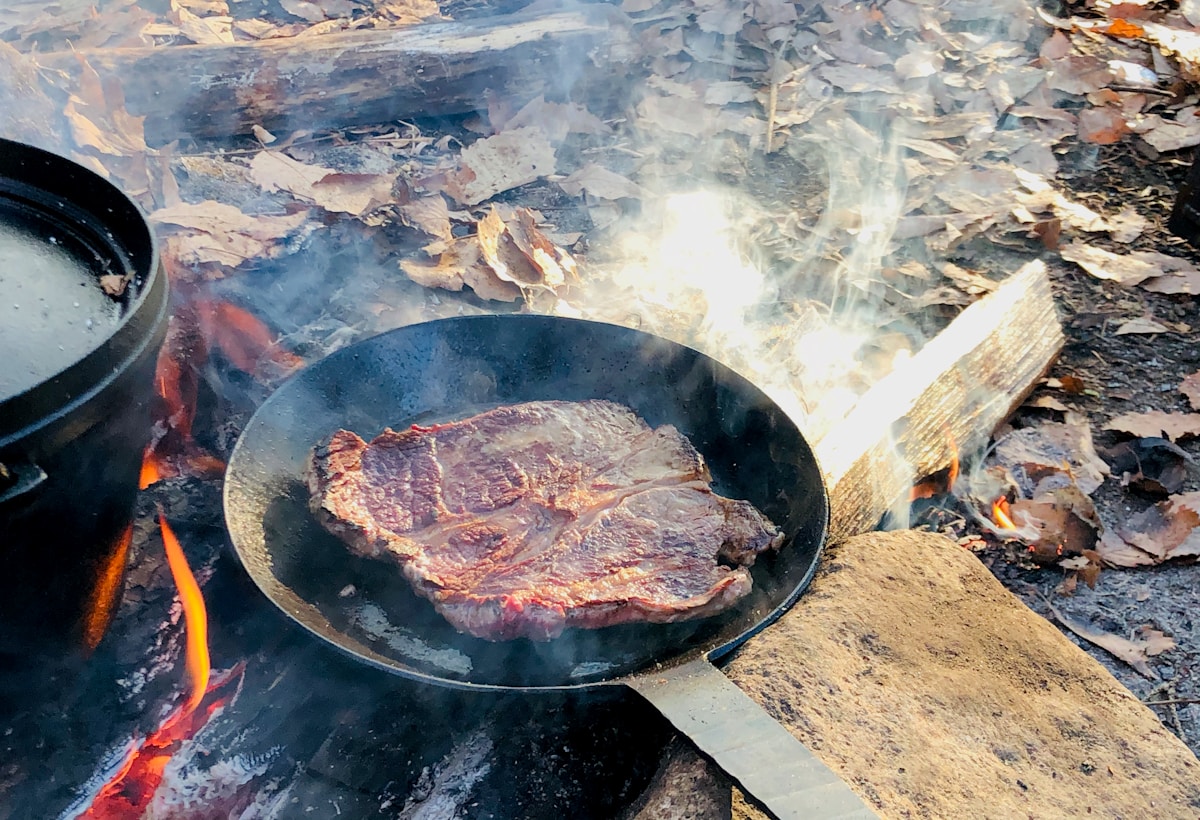
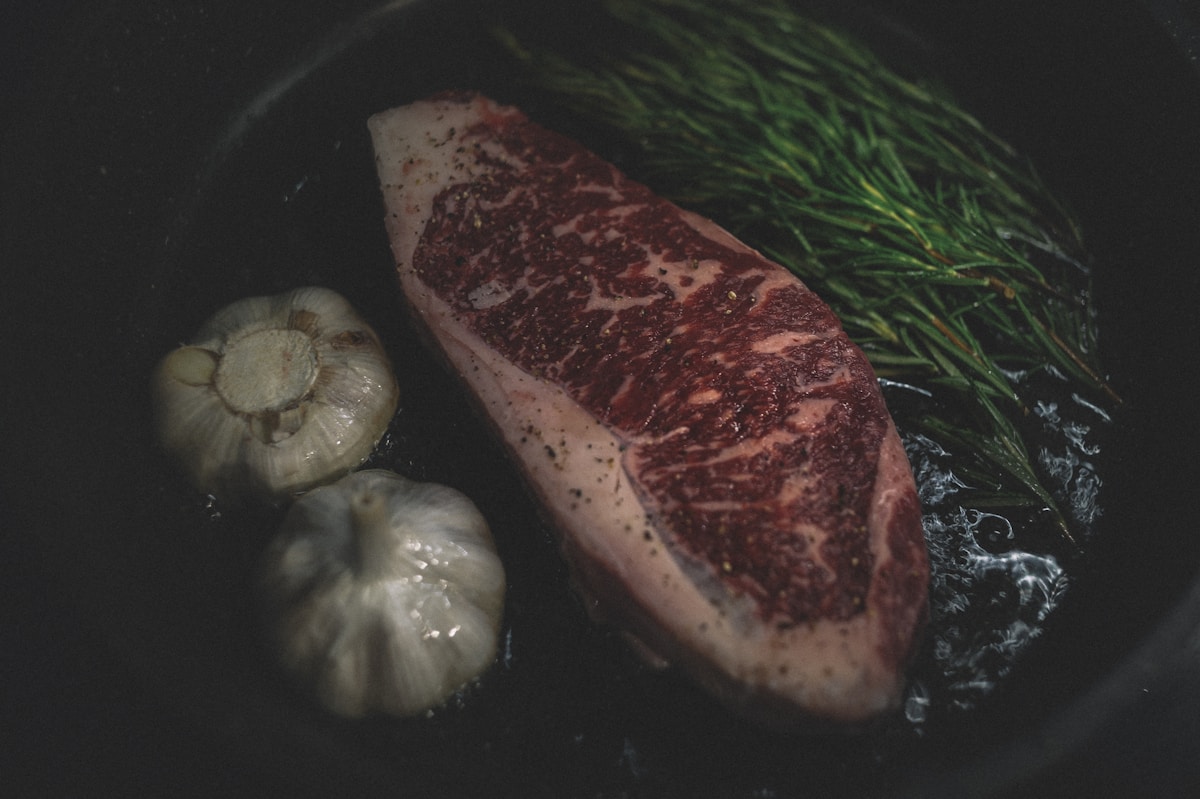
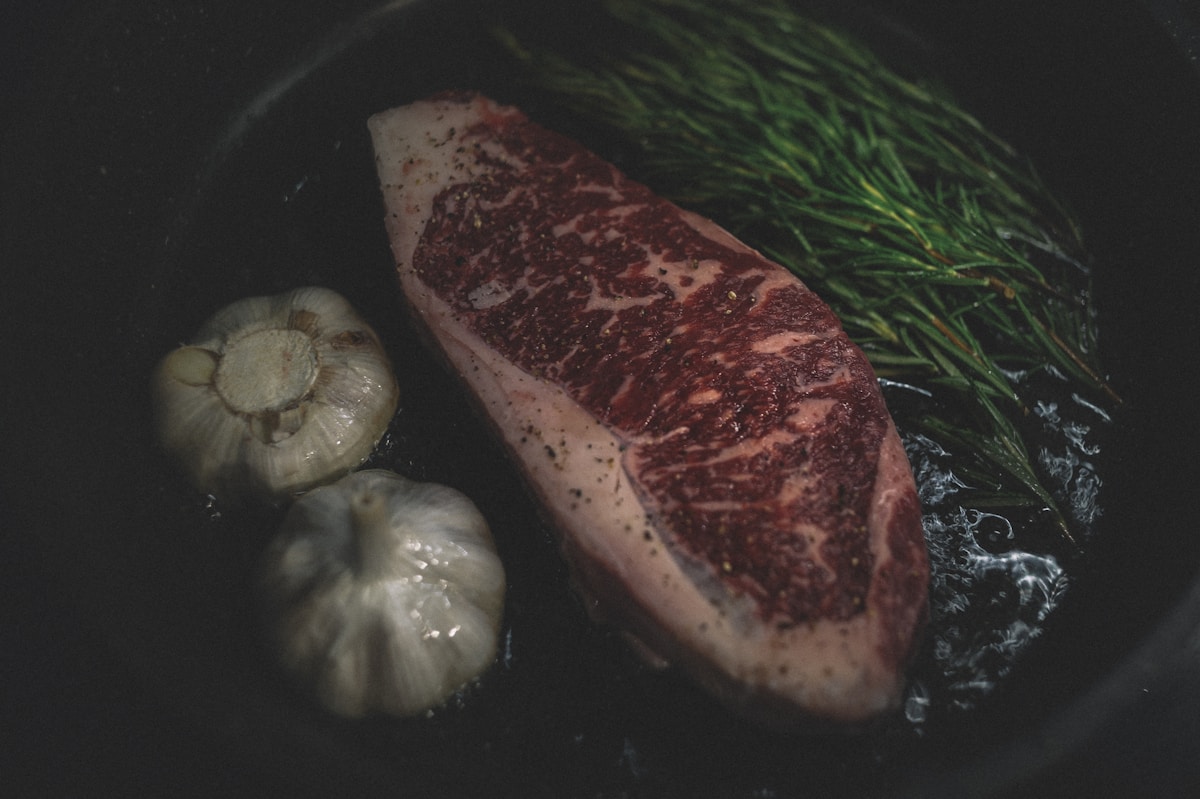
You know that moment when you drop serious cash on a dry-aged ribeye, and you want every single bite to be worth it? I felt that reading the r/steak thread where a home cook posted a gorgeous photo of a 21-day dry-aged ribeye with caramelized onions and herb lemon butter. The comments exploded into a debate: what pan should you actually use for dry-aged steak? Cast iron? Carbon steel? Something else entirely?

Are Silicone Pans Ruining Your Perfect Cakes

Are Silicone Pans Ruining Your Perfect Cakes

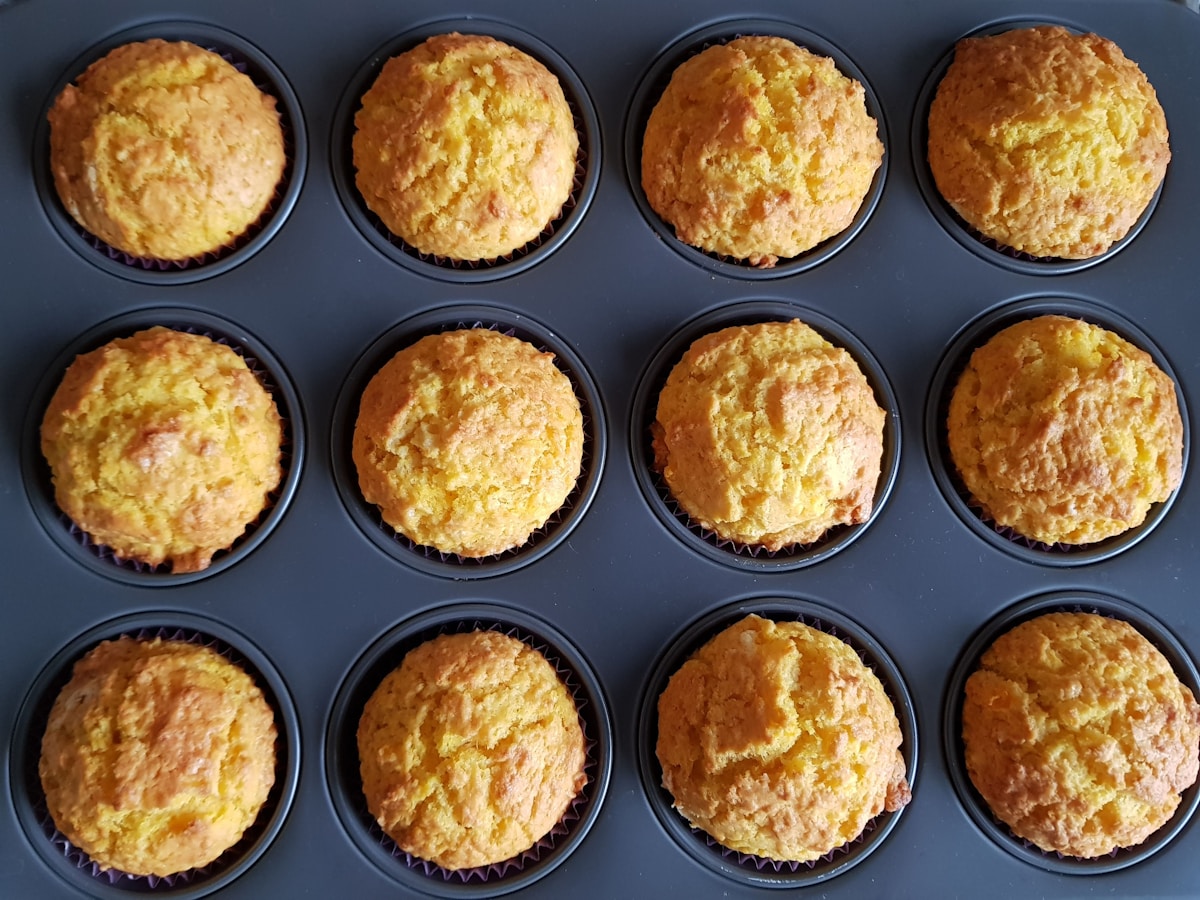
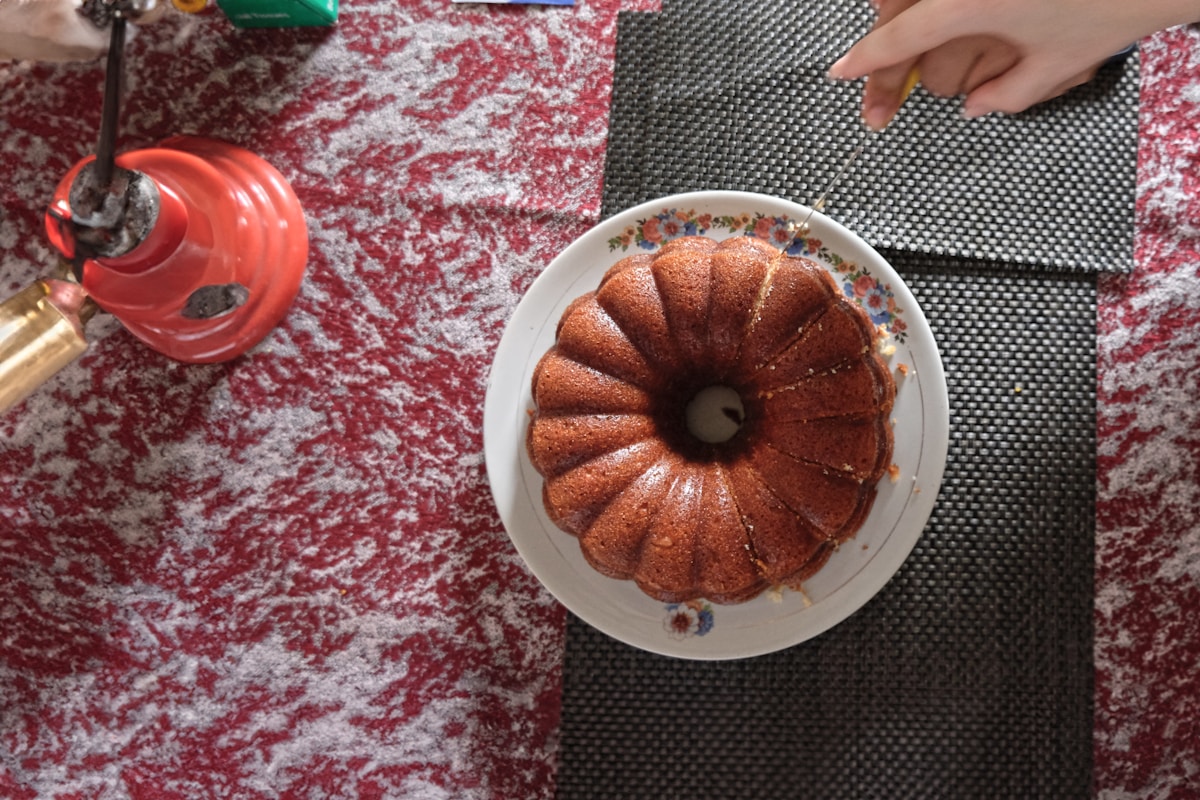
You’ve done everything right. You followed the recipe to the letter, creamed the butter and sugar until it was light and fluffy, and folded in the flour with the lightest touch. The batter was perfect. You slide the pan into your preheated oven, filled with anticipation. The timer goes off, a skewer comes out clean, and you pull out… a pale, slightly sweaty-looking cake. The edges are soft, not crisp, and the color is more anemic than golden brown.

Is a Belgian Waffle Maker Better for Getting Crispy Waffles?

Is a Belgian Waffle Maker Better for Getting Crispy Waffles?

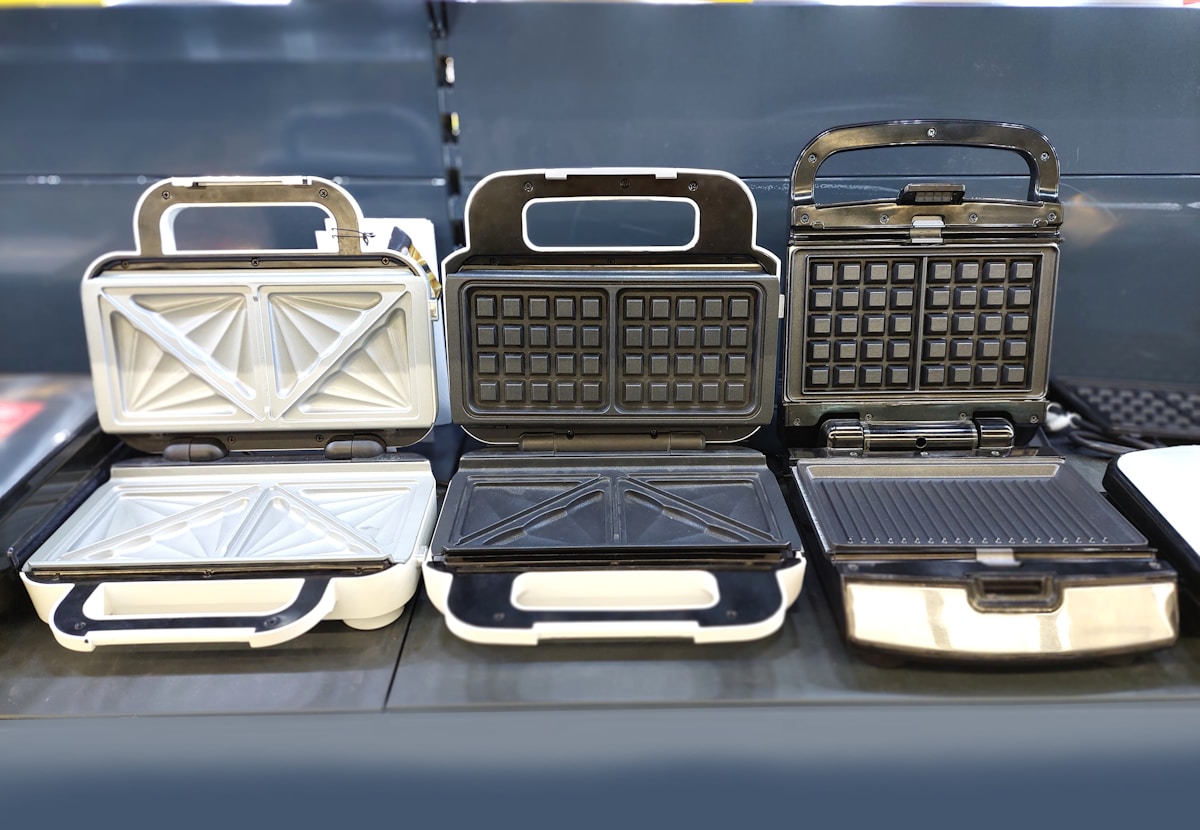
We’ve all been there. It’s Saturday morning, the coffee is brewing, and you’re dreaming of a perfect, golden-brown waffle. You imagine the satisfying crunch as your fork cuts through, the crispy exterior giving way to a tender crumb. You pull your waffle from the iron, plate it with excitement, add the butter and syrup… and it’s limp. Soft. A little bit sad.

Does a Dutch Oven Really Make Better Stew Than a Crockpot?

Does a Dutch Oven Really Make Better Stew Than a Crockpot?

You’ve been smelling it all day. That rich, savory aroma of beef stew has filled your house for eight hours. You lift the lid of your crockpot, expecting meltingly tender morsels of beef. You poke a piece with a fork, and it falls apart beautifully. Success! But then you take a bite, and the magic fades. The meat, despite being shreddable, is somehow… dry. Stringy. Tough.

Is Cast Iron Really Better Than Stainless Steel for Searing Steak?

Is Cast Iron Really Better Than Stainless Steel for Searing Steak?

You’ve done everything right. You bought a beautiful, thick-cut ribeye. You let it come to room temperature. You seasoned it perfectly. You put it in a hot pan, filled with anticipation for that glorious, sizzling crust. But when you flip it, you’re met with a patchy, grayish-brown surface. It’s a sad, disappointing moment we’ve all had in the kitchen.

Should I Use a Metal or Glass Pan for a Crispier Pie Crust

Should I Use a Metal or Glass Pan for a Crispier Pie Crust

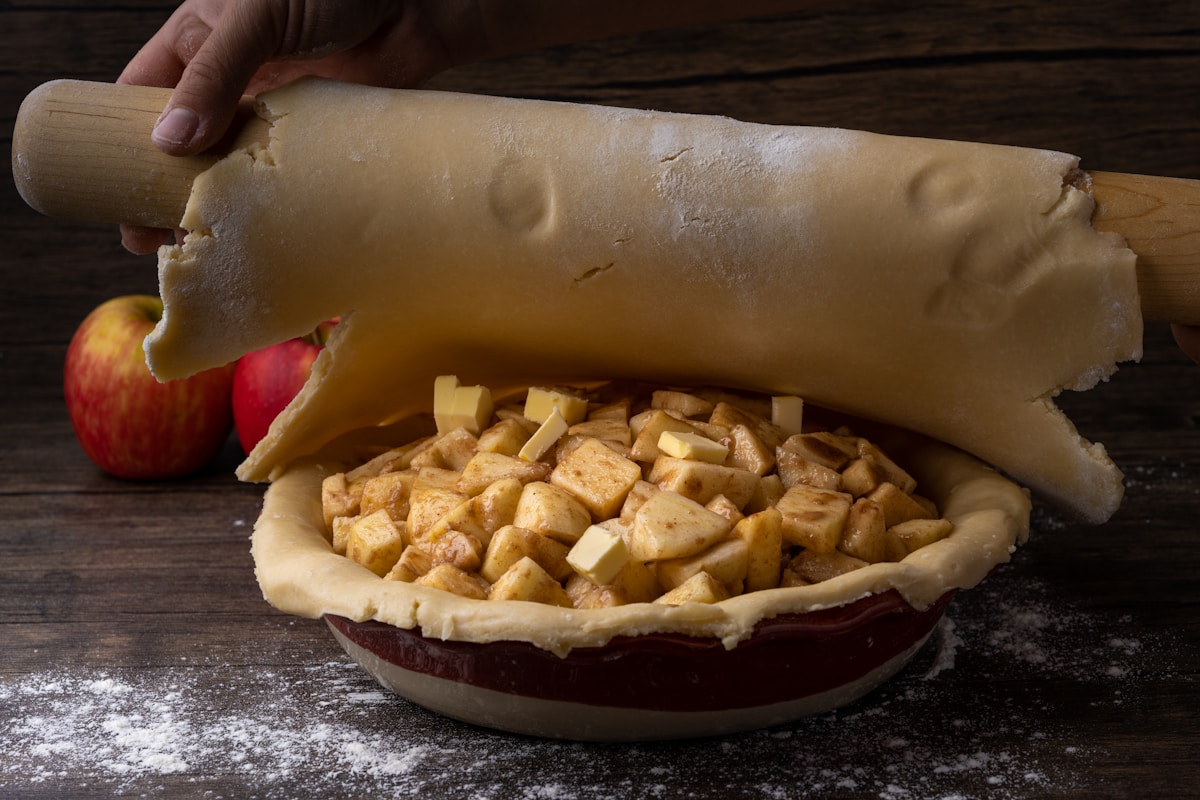
You’ve done everything right. You followed the recipe from King Arthur Baking to the letter, chilled your butter, didn’t overwork the dough, and piled your apples high. Your pie looks magnificent coming out of the oven, a bubbling, golden-domed masterpiece. Then comes the moment of truth: you slice into it, and the first piece slumps onto the plate, revealing a pale, damp, and tragically limp bottom crust.

Are Metal Pans Really Better Than Silicone for Baking

Are Metal Pans Really Better Than Silicone for Baking

You followed the recipe to the letter. You measured the King Arthur flour perfectly, creamed the butter and sugar until light and fluffy, and folded in the dry ingredients with a gentle hand. You poured the pristine batter into your new, brightly colored silicone cake pan—the one that promised a perfect, non-stick release every time.

Why Does My Cake Look So Pale and Spongy in Its Pan?

Why Does My Cake Look So Pale and Spongy in Its Pan?

You followed the recipe to the letter. You measured the flour perfectly, creamed the butter and sugar until it was light and fluffy, and watched the oven temperature like a hawk. An hour later, you pull out your creation, and… it’s pale. It’s cooked through, sure, but it looks sad, anemic, and lacks that gorgeous, golden-brown crust you see in cookbooks.

Why Are My Cakes So Pale and Dense in a Silicone Pan?

Why Are My Cakes So Pale and Dense in a Silicone Pan?

You did everything right. You preheated the oven to exactly 350°F (175°C), meticulously measured your King Arthur flour, and creamed the butter and sugar until it was light and fluffy. The vanilla cake batter was perfect. But when the timer went off, the cake that came out of your floppy silicone pan was… a tragedy.

Are Silicone Pans Ruining Your Cakes and Breads

Are Silicone Pans Ruining Your Cakes and Breads

You followed the recipe perfectly. You measured your King Arthur flour to the gram, your butter was at the ideal room temperature, and your oven was preheated to a precise 350°F (175°C). Yet, when the timer dings, you pull out a cake that’s… disappointing. It’s pale, a little dense, and the edges are strangely soft, almost gummy. Sound familiar? Before you blame the recipe or your oven, look at the pan. If you’re using silicone, you’ve likely found the culprit.