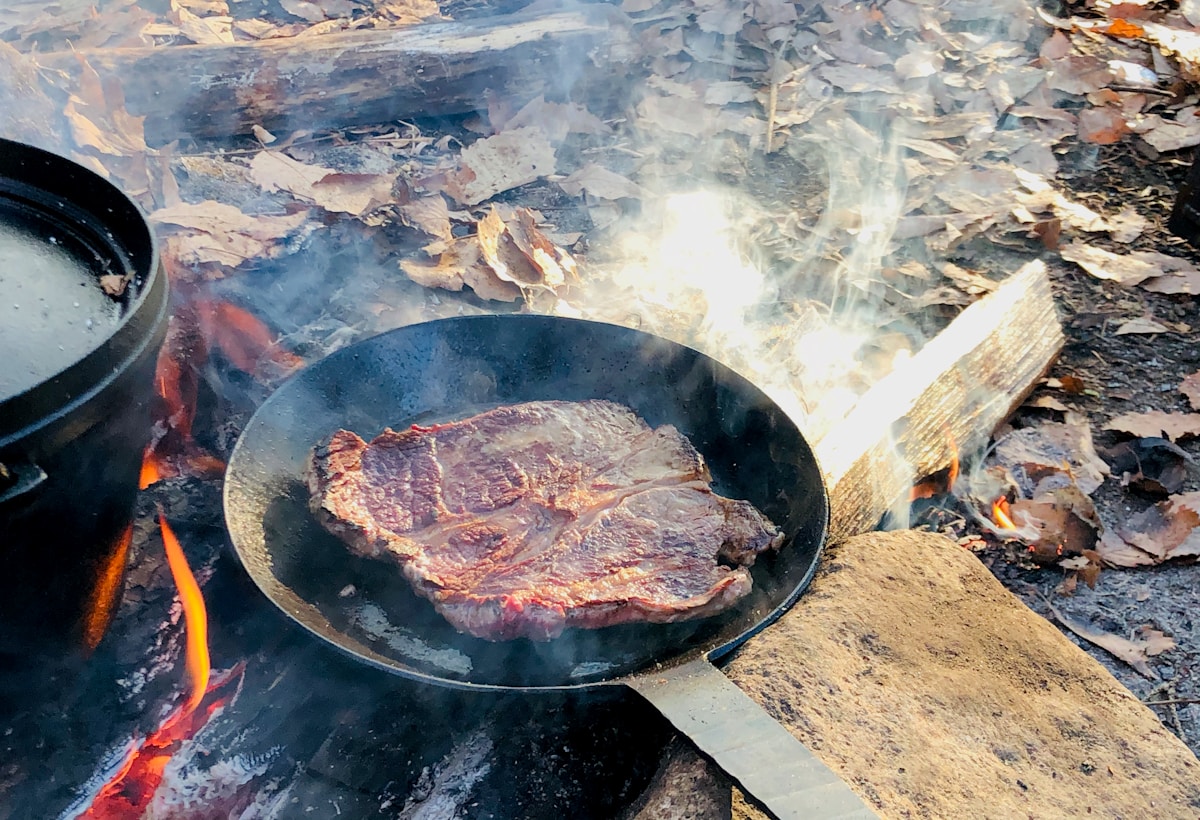
You’ve just spent good money on a thick, dry-aged ribeye. You bring it home, pat it dry, season it with salt and pepper, and heat up your heaviest pan. The moment that steak hits the surface, you want a sizzle that fills the kitchen and a crust that locks in every drop of juice. But is cast iron really the best tool for that job? I’ve tested dozens of pans over the years—Lodge skillets, All-Clad stainless, carbon steel woks—and the answer is more nuanced than a simple yes or no.
For years, chefs and home cooks alike have sworn by cast iron for searing. It’s thick, it holds heat like a bank vault, and it can take temperatures well above 450°F (232°C) without any worry. But as a Reddit discussion on r/Cooking pointed out, the real question is: best for what? Searing a thick steak? Yes. Searing a delicate fillet of fish? Maybe not. Let’s break down the contenders and help you decide which pan deserves a spot in your kitchen—and your budget.
The Searing Challenge: What Makes a Great Sear?
Before we compare pans, let’s agree on what “searing” actually means. Searing is the Maillard reaction—the browning of proteins and sugars at temperatures above 300°F (149°C). For a truly deep, dark crust, you want the pan surface to stay above 450°F (232°C) even after you add a cold piece of meat. If the pan loses too much heat, the meat will steam instead of sear, leaving you with a gray, leathery exterior.
That means heat retention is critical. But there’s another factor: evenness. A pan that creates hot spots will give you uneven browning. And then there’s ease of use: weight, cleanability, reactivity with acidic ingredients, and how fast the pan heats up all matter. No single material is perfect for every scenario.
Cast Iron: The Heavyweight Champion
Cast iron is the undisputed king of heat retention. A 12-inch Lodge skillet weighs about 8 pounds and holds onto thermal energy like a thermal battery. When you preheat it slowly (5–10 minutes on medium-low to medium), that entire mass becomes a reservoir of steady, high heat. Drop a steak in, and the temperature barely dips. The result: a deep, even crust in about 90 seconds per side.
Where cast iron shines:
- Thick steaks (1.5 inches or more): A ribeye or NY strip seared in cast iron will develop a dark, crunchy bark that’s hard to beat.
- Chicken thighs with skin: The fat renders beautifully, and the iron’s heat ensures crispy skin without burning.
- Cornbread and skillet desserts: Let’s be honest, a cast iron pan is a non-negotiable for these.
The downsides:
- Weight: You won’t be tossing scallops around in a cast iron pan like a TV chef.
- Reactivity: Acidic ingredients like tomatoes or lemon juice can react with the iron, giving food a metallic taste and damaging the seasoning.
- Maintenance: You need to dry it immediately after washing and rub it with oil to prevent rust. And no soap? Actually, modern dish soap is fine in moderation, but you still can’t put it in the dishwasher.
- Slow to heat: Cast iron takes time to warm up. If you’re searing a quick weeknight chicken breast, you might not want to wait.
Stainless Steel: The Versatile Workhorse
Stainless steel pans—especially those with an aluminum or copper core—offer a different set of advantages. They heat up faster than cast iron, and the best ones (like All-Clad D3 or D5) provide exceptional evenness across the cooking surface. A well-made stainless pan can also reach 500–600°F (260–315°C) without any issue, and it won’t react with acids.
When stainless wins:
- Delicate fish (salmon, halibut, scallops): You can sear a fillet in a stainless pan without worrying about sticking if you use enough oil and let the fish release naturally. Deglazing is a breeze—just add wine or stock and scrape up the fond for a pan sauce.
- High-moisture meats: Ground beef or chicken with marinades can stick less in a well-heated stainless pan compared to cast iron, which sometimes has uneven seasoning.
- Acid-heavy dishes: Want to sear pork chops and then make a balsamic pan sauce? Stainless is your friend. Downsides:
- Sticking: If you don’t preheat properly or use too little oil, stainless will grab onto food and refuse to let go. You need to learn the “water droplet test”—water beads on a hot pan? It’s ready.
- Price: A good tri-ply stainless skillet costs $100–$200. You can find a Lodge cast iron for $30.
- Heat retention: Not as good as cast iron. Stainless cools down faster when you add food, so you might need to sear in batches.
Carbon Steel: The Lightweight Contender
Carbon steel is essentially the thin, responsive cousin of cast iron. It’s made from a similar iron-carbon alloy but pressed thinner—typically 1.5mm to 2mm thick. That makes it a heck of a lot lighter (a 12-inch carbon steel pan weighs about 3 pounds) and faster to heat up. It also develops a nonstick seasoning over time, similar to cast iron.
Where carbon steel excels:
- Quick sears: Perfect for weekday dinners when you need to get a crust on chicken cutlets or pork chops fast.
- High-heat stir-fries: A carbon steel wok is legendary for searing vegetables and meats at screaming hot temperatures.
- Eggs and delicate items: Once seasoned, a carbon steel pan can be nearly as nonstick as Teflon. Many professional chefs prefer carbon steel for omelets.
- Camping or travel: Light enough to pack, but tough enough to take a beating. Downsides:
- Reactivity: Same as cast iron—acidic ingredients will strip seasoning.
- Seasoning curve: New carbon steel pans often need a few rounds of seasoning before they become truly nonstick.
- Thinner means faster heat loss: If you overcrowd the pan, the temperature drops more than cast iron. Use high heat and work in batches.
Which One Should You Buy for Searing?
I asked myself this exact question after reading that Reddit thread. Here’s my take, based on hundreds of meals and a few burned fingers:
If you sear thick steaks or bone-in chicken thighs more than once a week: Get a cast iron skillet. Lodge is the go-to budget choice (around $30), and Field Company makes beautiful, lighter versions if you want to spend closer to $100. Just be prepared for the weight and maintenance.
If you want one pan that can do everything—sear meat, deglaze, cook acidic sauces—and you’re okay with a learning curve: Go with a stainless steel tri-ply pan. All-Clad D3 is the standard, but you can save money with Tramontina or Cuisinart MultiClad Pro (both around $50–$80). This is the pan that chef Kenji López-Alt recommends for delicate fish because it heats up faster and deglazes like a dream.
If you love the idea of a nonstick surface but hate Teflon, or if you want a versatile lightweight pan for high-heat searing: Carbon steel is your best bet. The Made In carbon steel skillet ($85) or a solid wok from Craft Wok are excellent. Just remember to keep it seasoned.
Final Verdict: There’s No Single Best Pan
Here’s the honest truth: You don’t have to pick one. The best kitchen setup for searing includes at least two of these pans. Use your cast iron for weekend steak nights, your stainless or carbon steel for quick weekday dinners, and save the nonstick (if you have one) for eggs and fish fillets that need a gentle touch.
Your future self will thank you when you can grab the right tool for the job without compromise. And the next time someone online asks, “Is cast iron best for searing?” you can confidently answer: “It depends on what you’re cooking—but yes, it’s amazing for the right dish.”
Now go preheat that pan, add a high-smoke-point oil like avocado or grapeseed, and get that crust you’ve been dreaming of. Your kitchen—and your taste buds—deserve it.