How Does Brown Butter Transform Rice Krispie Treats?

How Does Brown Butter Transform Rice Krispie Treats?

We’ve all made them. That classic, no-bake square of puffed rice cereal and melted marshmallow is a cornerstone of childhood bake sales and quick weeknight desserts. They’re reliable, comforting, and sweet. Almost too sweet, sometimes. The flavor is simple, a straightforward sugar rush that, while pleasant, isn’t particularly memorable.

Why Does Browning Butter Make Rice Krispie Treats So Much Better?

Why Does Browning Butter Make Rice Krispie Treats So Much Better?

We’ve all been there. You need a fast, crowd-pleasing dessert, and your mind immediately goes to Rice Krispie treats. They’re a classic for a reason: simple, quick, and satisfyingly sweet. But let’s be honest, they can also be a little one-dimensional. The flavor is pure, unadulterated sweetness from the marshmallow, with a bit of texture from the cereal. It’s pleasant, but rarely memorable.

Why Does Browning Butter Make Rice Krispie Treats So Much Better?

Why Does Browning Butter Make Rice Krispie Treats So Much Better?

We all have a memory of a classic Rice Krispie treat. That simple, sweet, and satisfyingly crunchy square from a school bake sale or an after-school snack. It’s a foundation of home baking for a reason: it’s nearly foolproof. But have you ever found them a little… one-dimensional? The sweetness from the marshmallow often overpowers everything else, leaving you with a pleasant but forgettable treat.

Can You Cook a Great Steak Without a Cast Iron Pan?

Can You Cook a Great Steak Without a Cast Iron Pan?

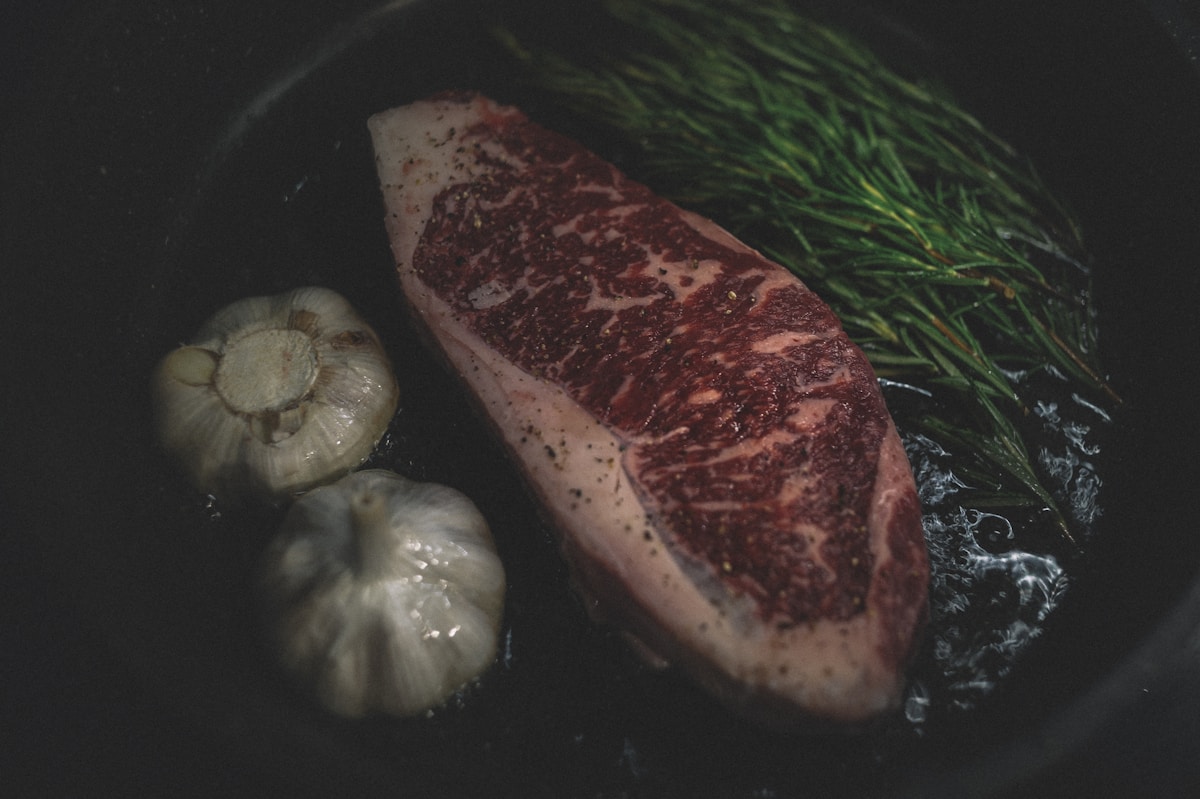
You’ve got the perfect steak for a special occasion—a thick-cut ribeye or a beautiful New York strip. You’ve seen all the videos, read all the articles, and they all say the same thing: get your cast iron skillet ripping hot. But you look in your cabinet and there’s no heavy, black, seasoned-to-perfection cast iron pan in sight. There’s just your trusty stainless steel skillet that you use for everything else.

Is a Cast Iron Skillet Really the Best Pan for Searing a Steak?

Is a Cast Iron Skillet Really the Best Pan for Searing a Steak?

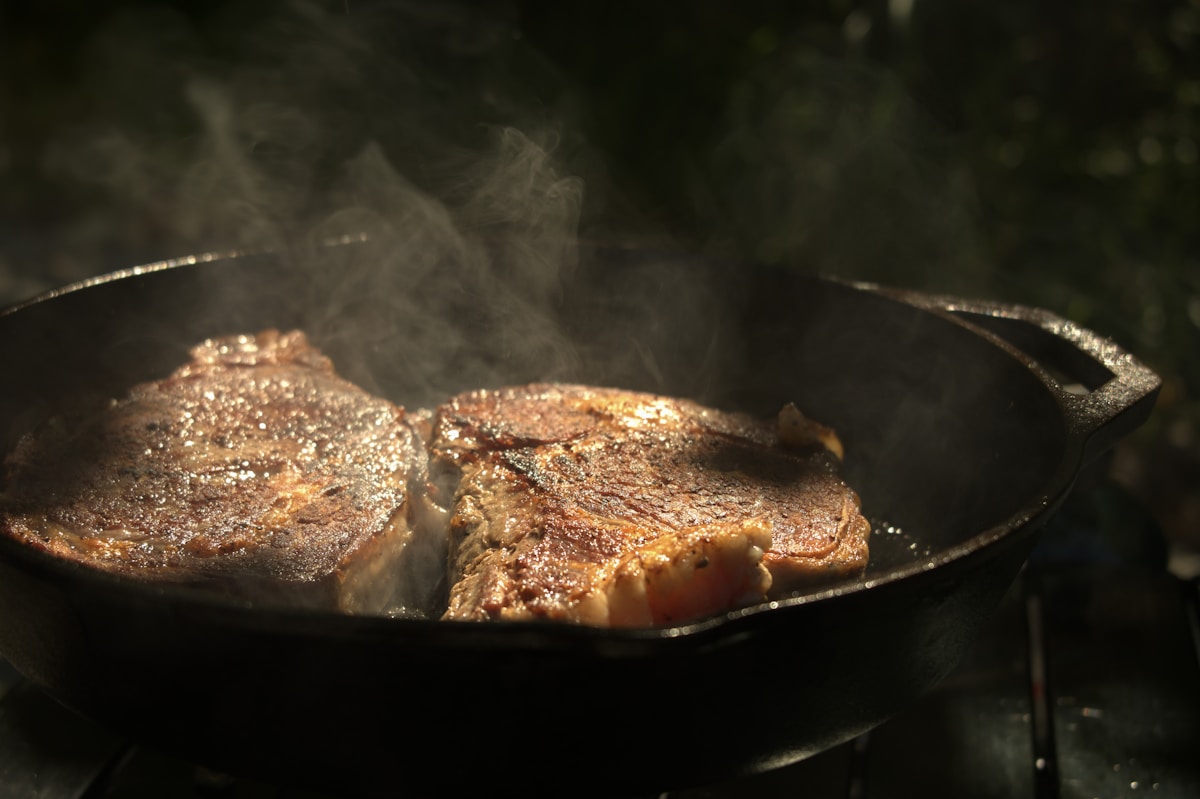
We’ve all been there. You spend good money on a beautiful, thick-cut ribeye. You’ve been looking forward to it all day. You heat up your pan, toss it in, and hear a promising sizzle that quickly fades to a sad sputter. The result? A steak that’s more steamed-gray than deep, mahogany brown. It’s one of the most common frustrations in the home kitchen, but it’s a problem with a simple, affordable solution.

Why Does My Steak Never Get a Good Brown Crust

Why Does My Steak Never Get a Good Brown Crust

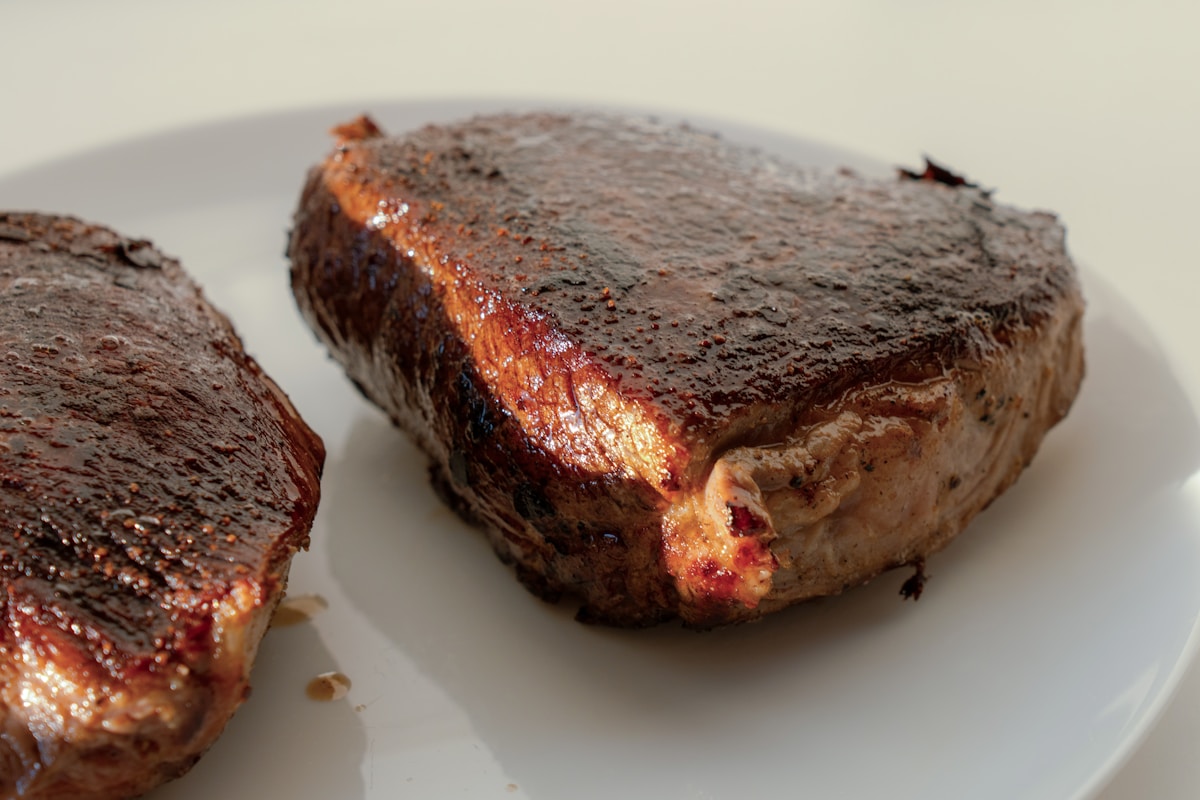
Let’s be honest for a second. Have you ever spent good money on a beautiful steak, brought it home with visions of a sizzling, steakhouse-worthy dinner, only to end up with… a sad, gray, slightly rubbery piece of meat? The inside might be cooked okay, but the outside has none of that deep, dark, flavorful crust you were dreaming of. If you’re nodding along, please know you are not alone. This is one of the most common frustrations for new cooks, and it’s a hurdle I remember well.

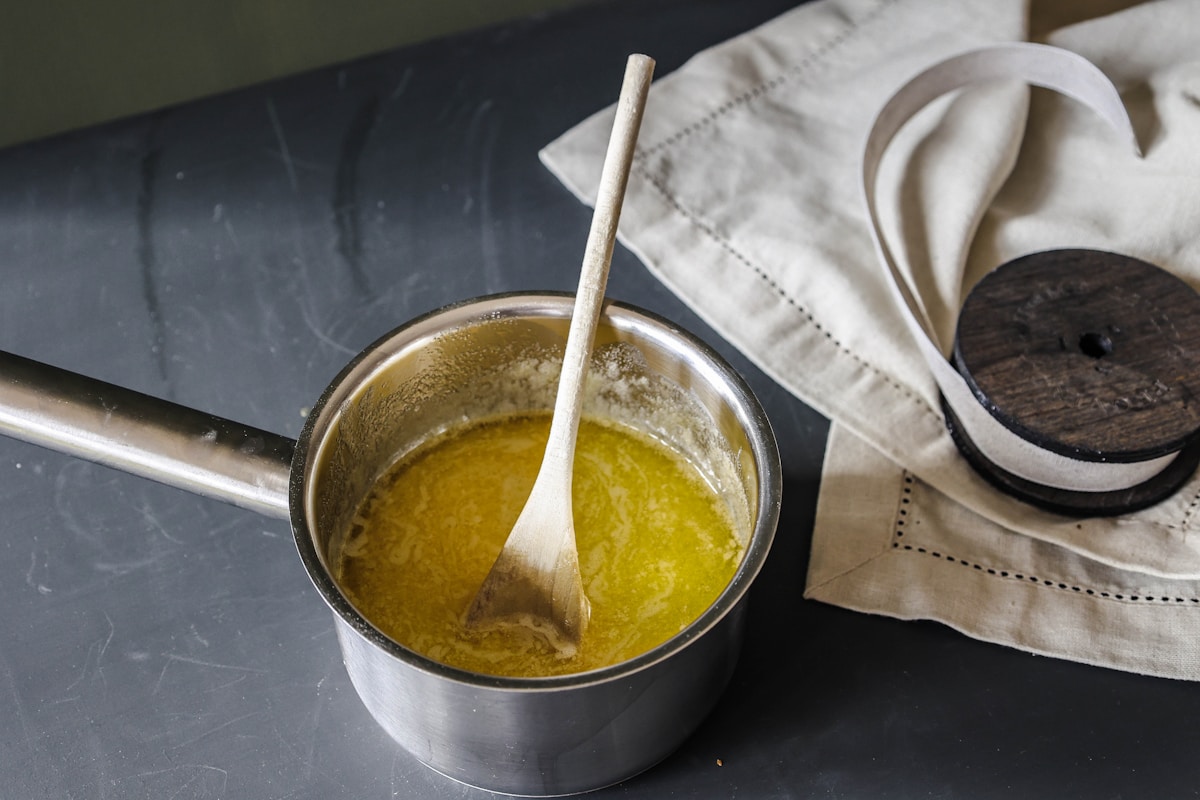
What Makes Brown Butter a Secret Baking Ingredient?

What Makes Brown Butter a Secret Baking Ingredient?

Have you ever tasted a chocolate chip cookie that stopped you in your tracks? One that had a deep, nutty, almost toffee-like flavor that you couldn’t quite place? The ingredients on the recipe card looked standard—flour, sugar, eggs, butter—but the result was anything but. The secret, more often than not, isn’t a rare spice or an expensive vanilla. It’s a simple, five-minute chemical reaction performed on one of baking’s most fundamental ingredients: butter.

Is Cast Iron Really Better Than Stainless Steel for Searing Steak?

Is Cast Iron Really Better Than Stainless Steel for Searing Steak?

You’ve done everything right. You bought a beautiful, thick-cut ribeye. You let it come to room temperature. You seasoned it perfectly. You put it in a hot pan, filled with anticipation for that glorious, sizzling crust. But when you flip it, you’re met with a patchy, grayish-brown surface. It’s a sad, disappointing moment we’ve all had in the kitchen.