Why Wont My Kids Eat the Beautiful Cake I Baked

Why Wont My Kids Eat the Beautiful Cake I Baked

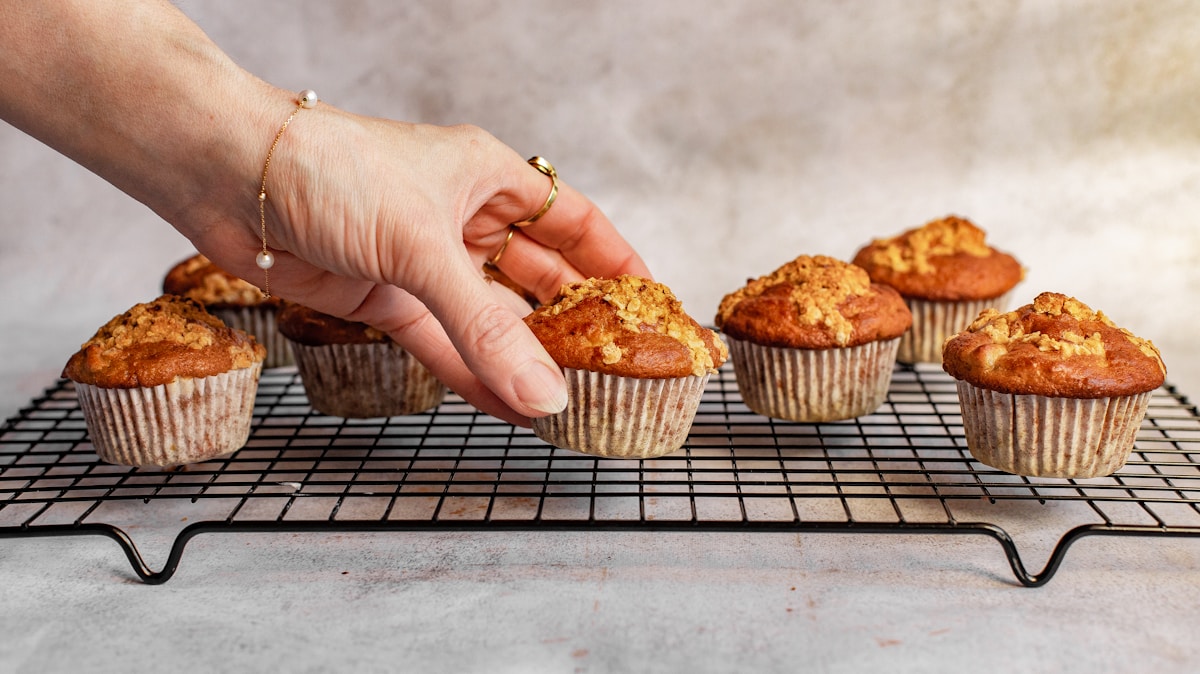
The kitchen smells like heaven. A fine dusting of King Arthur flour has settled on the counter, the sink holds a mountain of bowls and whisks, and your masterpiece is finally ready. It might be a delicate choux pastry tower, glistening with strawberries, or a rich, multi-layered chocolate cake you spent the better part of the afternoon creating. You picture the delighted gasps, the happy smiles, the shared family moment.

What Do You Do When No One Eats Your Homemade Cake?

What Do You Do When No One Eats Your Homemade Cake?

It’s a moment many of us know all too well. You’ve spent hours in the kitchen, a place of methodical magic, carefully measuring, mixing, and monitoring. You’ve created a masterpiece—perhaps a delicate choux au craquelin, its crisp shell giving way to a silky crème pâtissière and a cloud of Chantilly cream. You present it, full of pride, only to watch your family reach for a bag of salty chips instead.

Can I Just Cut The Mold Off My Fruits And Vegetables?

Can I Just Cut The Mold Off My Fruits And Vegetables?

You reach into the crisper for that beautiful bell pepper you were planning for tonight’s stir-fry, and there it is. A small, fuzzy, white or bluish-green spot staring back at you. Your heart sinks a little. The immediate thought is, “Can I just… cut that part off?” We’ve all been there, holding a piece of produce, caught between wanting to avoid waste and worrying about food safety.

Why Are My Lemon Bars Runny and How Can I Fix Them?

Why Are My Lemon Bars Runny and How Can I Fix Them?

There are few baking moments as promising as pulling a pan of golden-edged lemon bars from the oven. The shortbread crust is perfect, the top of the filling has a delicate, pale-yellow sheen. You let it cool, anticipating that perfect slice with a clean, sharp edge. But when you make that first cut, your heart sinks. The filling slumps, pooling into a glorious, but undeniably runny, lemon puddle.

What Can I Do With Lemon Bars That Did Not Set?

What Can I Do With Lemon Bars That Did Not Set?

There are few moments in baking more visually promising than pulling a pan of lemon bars from the oven. The shortbread crust is a perfect pale gold, and the lemon filling is a vibrant, sunny yellow. You wait, you chill, you anticipate that perfect slice with a clean, sharp edge. But when you make the cut, disaster strikes. The filling oozes out, a soupy, delicious mess. It’s a common frustration, but I’m here to tell you it’s not a failure. It’s an opportunity. That unset curd and buttery crust are the building blocks for one of the most elegant desserts you can make: the trifle.

How Can I Use Leftover Ricotta for Simple Desserts

How Can I Use Leftover Ricotta for Simple Desserts

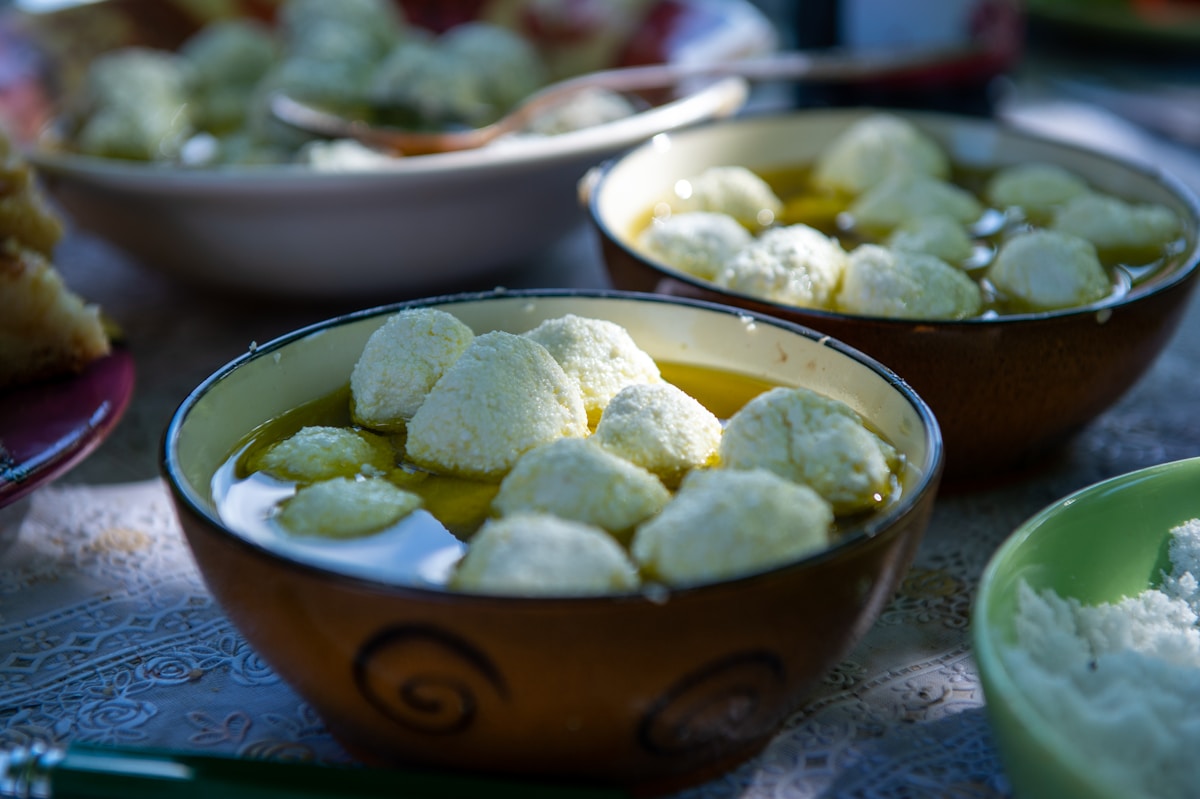
It’s a familiar scene: you made a glorious, bubbling lasagna last night, and now a half-empty tub of ricotta cheese is staring back at you from the refrigerator shelf. Your first thought might be, “What on earth do I do with the rest of this?” You’re definitely not making another lasagna this week. Before you let it sadly expire in the back of the fridge, let me let you in on a little secret: that leftover ricotta is your ticket to some of the easiest, most delicious desserts you can imagine.

What Can You Do With Lemon Bars That Did Not Set

What Can You Do With Lemon Bars That Did Not Set

It’s a moment of pure baking anticipation. You’ve meticulously pressed the shortbread crust, whisked the vibrant yellow filling, and baked it until the edges looked just set. You let the pan cool, dreaming of that perfect sweet-tart square, only to find a soupy, liquid disappointment. Your lemon bar filling is still runny. Before you even think about the trash can, let’s pause. This isn’t a failure; it’s an opportunity. Baking is chemistry, and when an experiment yields an unexpected result, we don’t throw it out. We analyze, understand, and innovate.

Can You Save a Cake That Is Raw in the Middle?

Can You Save a Cake That Is Raw in the Middle?

It’s a moment every baker dreads. The timer buzzes, the cake looks magnificent—perfectly golden, risen beautifully—and the aroma fills your kitchen. You let it cool, slice into it with anticipation, and then you see it: a dense, damp, gummy streak right through the center. Your heart sinks. But before you condemn that cake to the bin, let’s take a deep breath. This is not a failure; it’s a chemistry problem, and we have solutions.

What Can You Do If Your Lemon Bars Did Not Set Properly

What Can You Do If Your Lemon Bars Did Not Set Properly

It’s a moment every baker dreads. You followed the recipe for tangy, glorious lemon bars. The shortbread crust is golden, your kitchen smells like a citrus grove, but when you gently shake the pan, the center jiggles with the liquid despair of a soupy, unset filling. Your heart sinks. Before you even think about the trash can, take a deep breath. This isn’t a failure; it’s an opportunity.

How Do Caterers Safely Donate Food After a Big Gala?

How Do Caterers Safely Donate Food After a Big Gala?

Picture the scene: a grand ballroom, chandeliers twinkling, the last of the guests have departed. The air still hums with the memory of speeches and laughter. On the tables and back in the vast kitchen, there’s a different story—the story of the food. Not just the scraps on plates, but entire trays of perfectly cooked roasted vegetables, pans of sublime protein, and hundreds of untouched desserts. For years, the quiet question has been, “What happens to all of it?”

How Can You Safely Repurpose Fancy Leftovers at Home?

How Can You Safely Repurpose Fancy Leftovers at Home?

Have you ever stood in front of your open refrigerator the morning after a beautiful holiday dinner or a special party, staring at the remnants of a feast? There’s the last piece of perfectly roasted prime rib, a small bowl of delicate crab salad, and that incredible, complex sauce you spent hours on. Your heart says, “This is too good to waste!” but your mind whispers, “What on earth do I do with it?”