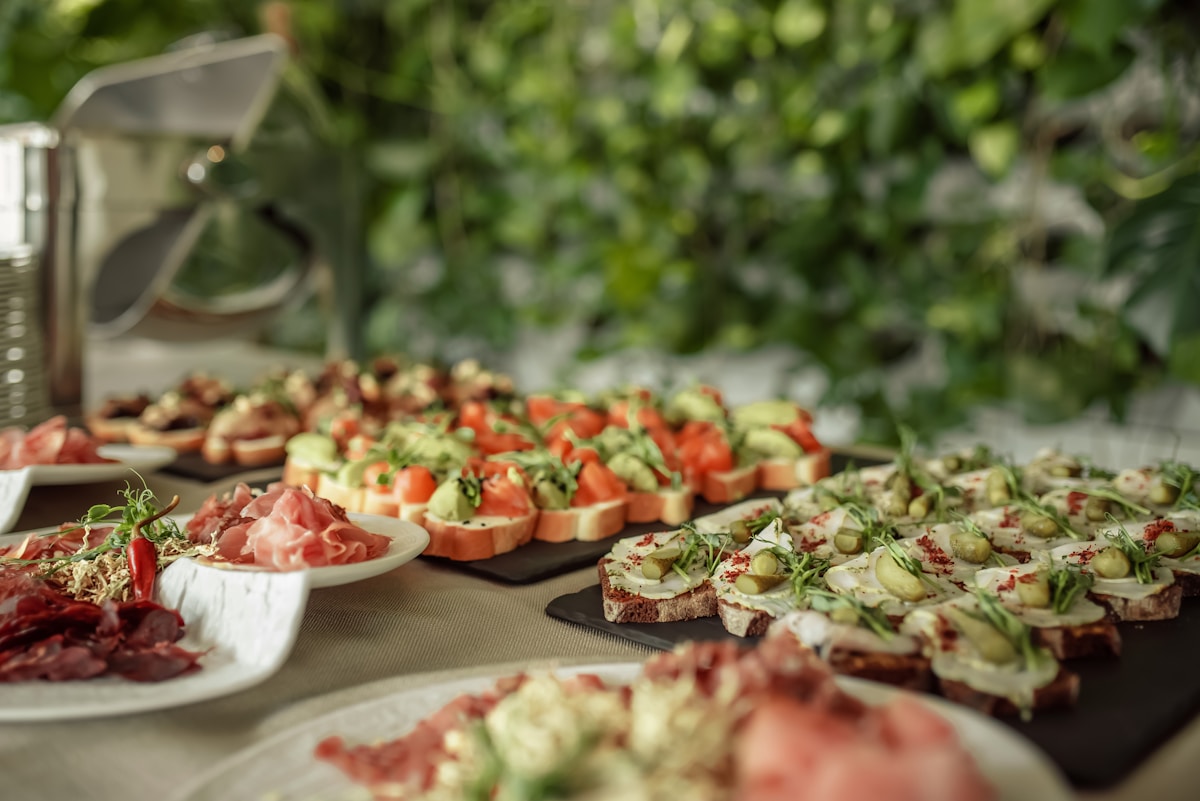
Picture the scene: a grand ballroom, chandeliers twinkling, the last of the guests have departed. The air still hums with the memory of speeches and laughter. On the tables and back in the vast kitchen, there’s a different story—the story of the food. Not just the scraps on plates, but entire trays of perfectly cooked roasted vegetables, pans of sublime protein, and hundreds of untouched desserts. For years, the quiet question has been, “What happens to all of it?”
Recently, an inspiring story emerged from the prestigious White House Correspondents’ Dinner in Washington, D.C. The venue, the Washington Hilton, didn’t let that surplus go to waste. Instead, they orchestrated the donation of a staggering 2,600 meals to local shelters. This wasn’t just a kind gesture; it was a feat of culinary logistics and a beautiful example of how food’s story doesn’t have to end when the party’s over.
But how do they do it? How does a delicate lobster dish or a perfectly seared steak travel from a five-star kitchen to a community dining hall without compromising safety or quality? It’s a fascinating process that combines culinary science with deep-seated community spirit, a story that every home cook can appreciate and learn from.
The Grand Meal’s Second Act
In cultures all over the world, wasting food is seen as more than just inefficient; it’s disrespectful. It disrespects the farmer who grew it, the animal it came from, and the hands that prepared it. The hospitality industry is increasingly embracing this age-old wisdom, moving towards a model of sustainability where a meal’s journey is planned from start to finish, and “finish” often means a second life.
The donation of 2,600 meals wasn’t an afterthought. It was a planned operation. This is a crucial shift in thinking. Instead of scrambling to figure out what to do with leftovers, modern, large-scale event planners and chefs now build food donation into their event blueprint. They collaborate with organizations like Food Rescue US or local food banks well in advance.
They consider the menu not just for the guests in the ballroom, but for its potential recipients. What dishes will hold up well to chilling, transport, and reheating? Robust items are often the stars of this second act:
- Roasted Meats and Poultry: Whole roasts or braised dishes maintain their texture and flavor beautifully.
- Grain and Pasta Salads: These are sturdy and often taste even better the next day.
- Soups and Stews: Easy to transport and reheat, they are comforting and nourishing.
- Roasted Vegetable Medleys: Root vegetables, broccoli, and peppers hold their structure well.
This deliberate planning transforms surplus food from a problem of waste into a powerful resource. It’s the ultimate expression of hospitality—extending the warmth and nourishment of a meal beyond the ballroom doors and into the wider community.
The Race Against the Clock Food Safety First
Donating food on this scale isn’t as simple as packing up doggy bags. The number one priority is food safety. A single mistake could be disastrous. Caterers operate under strict health department regulations and follow a set of principles often referred to as HACCP (Hazard Analysis and Critical Control Points). For you at home, the core principle is simple: temperature control.
The “Temperature Danger Zone” is the range where bacteria multiply rapidly. This zone is universally recognized by food safety experts as being between 40°F and 140°F (that’s about 4°C to 60°C). The goal of any food donation is to move the food through this zone as quickly as possible.
Here’s how the pros do it:
-
Rapid Cooling: Immediately after the service is over, kitchen staff get to work. They can’t just put a giant, hot hotel pan of food into a refrigerator. This would raise the internal temperature of the fridge, putting other foods at risk, and it would cool the food in the pan too slowly. Instead, they use techniques like:
- Blast Chillers: These specialized freezers use high-velocity cold air to drop food temperatures with incredible speed.
- Ice Wands: A large, frozen plastic paddle is stirred through soups or stews to cool them from the inside out.
- Ice Baths: The large pan of hot food is placed inside an even larger pan filled with ice and water. The food is stirred frequently to cool it evenly.
-
Proper Storage: Once the food is cooled to below 40°F (4°C), it’s packed into sanitized, sealed containers. These containers are labeled with the contents and the date to ensure everything is tracked properly. (A great habit for your own fridge!)
-
Cold Chain Logistics: The food is then transported in refrigerated vehicles. This unbroken “cold chain” is essential. The temperature is monitored throughout the journey to ensure it never creeps back up into the danger zone.
The entire process is a high-stakes race against time and temperature. It requires precision, the right equipment, and a team that understands that the health of the recipients is in their hands.
From Ballroom to Shelter The Donation Chain
That refrigerated truck full of meticulously prepared food can’t just pull up to any shelter. The receiving organization must also be equipped to handle it. This is where partnerships are key.
The Washington Hilton didn’t do this alone. They worked with local D.C. shelters that have the kitchen infrastructure—commercial-grade refrigerators, freezers, and reheating equipment—to safely manage a large donation.
The chain of custody looks something like this:
- The Venue (The Source): The hotel kitchen staff properly cool and pack the food according to safety protocols.
- The Logistics Partner (The Transporter): A food rescue organization or refrigerated transport service picks up the food, maintaining the cold chain.
- The Shelter (The Recipient): The shelter’s staff receives the food, immediately moving it into cold storage. They have trained personnel who know how to properly reheat the food to a safe internal temperature (typically 165°F or 74°C) before serving it to their clients.
This seamless chain ensures that the meal served at the shelter is not only delicious but, more importantly, completely safe to eat. It’s a testament to what’s possible when different parts of a community work together with a shared goal.
The Challenge of Delicate Ingredients
Of course, not every dish is created equal when it comes to donation. The meal at the Correspondents’ Dinner reportedly included lobster. Some culinary experts might rightly wonder how well a delicate, rehydrated seafood item holds up. Texture is often the first casualty of the cool-and-reheat process.
This is the reality of food donation. While the goal is to provide a high-quality meal, some compromises are inevitable. Certain foods are simply better suited for the journey:
- Best for Donation: Braises, roasts, casseroles, rice and grain dishes, hearty soups, and many baked goods.
- More Challenging: Fried foods (which lose their crispness), delicate leafy greens (which wilt), cream-based sauces (which can break), and delicate seafood like the aforementioned lobster (which can become tough or rubbery).
Chefs often have to make a judgment call. Is a slightly-less-than-perfectly-textured lobster dish better than no meal at all? The overwhelming consensus is yes. The goal is to provide dignified, nourishing, and tasty meals. While a food critic might notice the textural difference, for someone facing food insecurity, a warm, safe, and thoughtfully prepared meal is a profound gift of care and respect.
Your Kitchen’s Role in a Bigger Story
You might not be coordinating a 2,600-meal donation, but the principles of reducing waste and sharing food are universal. You can apply the same logic in your own kitchen.
My Favorite Kitchen Hack: The “Eat Me First” Box
This is so simple. Designate one area in your refrigerator—a clear container or just a specific shelf—for leftovers and ingredients that need to be used up soon. It’s a visual cue for the whole family. Before anyone reaches for a new snack, they check the box first. It dramatically cuts down on those forgotten containers that turn into science experiments in the back of the fridge. (You know the ones I’m talking about.)
When you do have surplus, think locally. While most shelters can’t accept prepared food from home kitchens for safety reasons, you can still contribute powerfully:
- Support Local Food Banks: They always need non-perishable staples like canned goods, pasta, rice, and peanut butter.
- Community Fridges: A growing movement in many cities, these fridges often have slightly different rules and may accept fresh produce or sealed goods from individuals.
- Volunteer: Offer your time at a local soup kitchen or food pantry. The same hands that cook for your family can help prepare meals for your neighbors.
Every time we choose to use our leftovers creatively, or share our pantry’s abundance, we are participating in the same story. We are affirming that food is a connection, a resource to be cherished and shared.
The story of the Correspondents’ Dinner donation is more than just a feel-good news item. It’s a roadmap for a more sustainable and compassionate food culture. It proves that with planning, care, and collaboration, the story of a beautiful meal can have a second, even more meaningful, chapter.