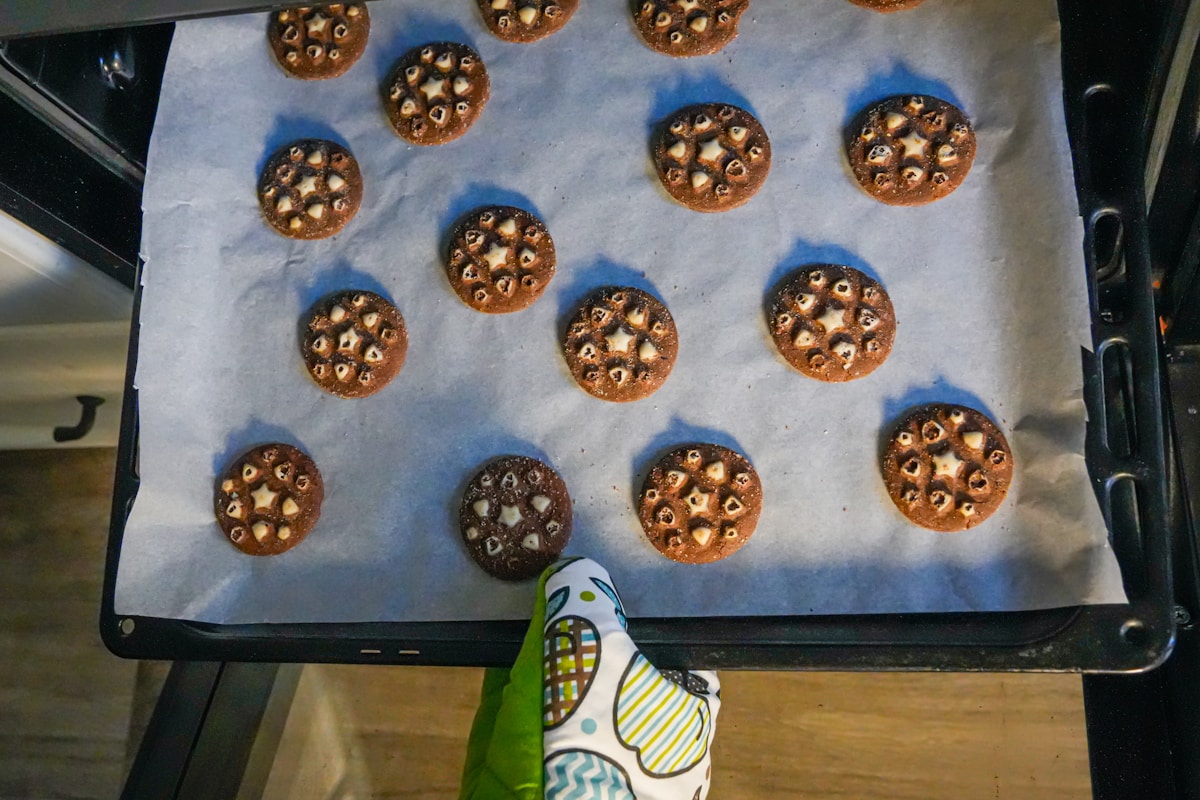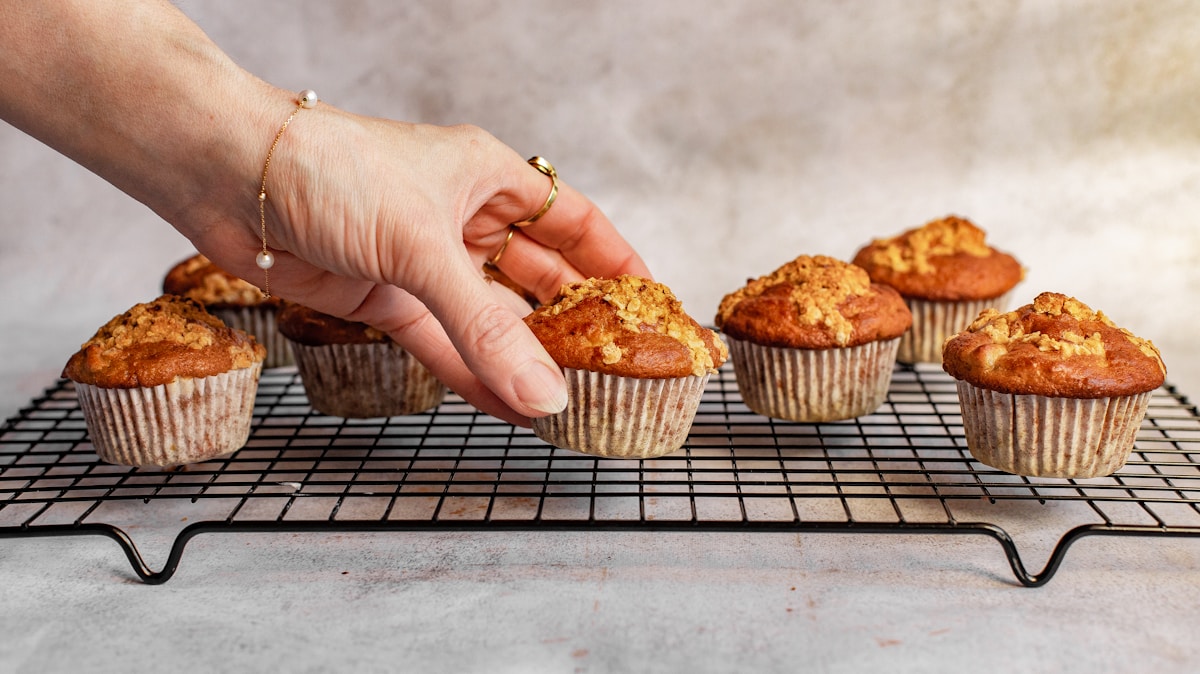
It’s a moment every baker dreads. The timer buzzes, the cake looks magnificent—perfectly golden, risen beautifully—and the aroma fills your kitchen. You let it cool, slice into it with anticipation, and then you see it: a dense, damp, gummy streak right through the center. Your heart sinks. But before you condemn that cake to the bin, let’s take a deep breath. This is not a failure; it’s a chemistry problem, and we have solutions.
Baking is a beautiful, precise science. When a cake bakes, a series of chemical reactions must happen in perfect sequence. Heat moves from the outside in, causing fats to melt, sugars to dissolve, and leavening agents to release their gases. Critically, the proteins in the eggs must coagulate (solidify) and the starches in the flour must gelatinize (swell and absorb liquid). This is what creates the tender, stable structure we call ‘crumb’. When the center is raw, it simply means it didn’t get hot enough for long enough for those final reactions to complete. Let’s diagnose the issue and fix it.
The Science of a Gummy Center
Understanding why a cake underbakes is the first step to preventing it. The culprit is almost always a temperature issue. Think of your oven as a chemical reactor. If the temperature is off, the reactions won’t proceed correctly.
-
Inaccurate Oven Temperature: This is the most common cause. Your oven’s dial might say 350°F (175°C), but its internal temperature could be 325°F or even 375°F. Too low, and the cake’s structure won’t set before it collapses. Too high, and the outside burns before the inside has a chance to cook through. The solution is a simple, inexpensive oven thermometer. Place it in the center of your oven and trust it over the built-in display.
-
Opening the Oven Door: We’ve all been tempted to peek. But opening the oven door, especially in the first two-thirds of baking, can cause a catastrophic drop in temperature—sometimes by as much as 50°F (28°C). This sudden heat loss deflates the air bubbles created by your leaveners, causing the rising cake to collapse on itself, resulting in a dense, gummy layer.
-
Incorrect Pan: The type and color of your baking pan matter. A dark metal pan, like those from USA Pan, absorbs and conducts heat more efficiently than a light, shiny one. If your recipe was tested with a shiny pan and you use a dark one, your cake’s exterior will cook much faster. You may need to reduce the oven temperature by 25°F (about 15°C) to compensate.
Now that we know the why, let’s focus on the how—how to save your current creation.
The Immediate Fix If Your Cake Is Still Warm
If you’ve just pulled the cake from the oven and realized its flaw, you’re in luck. The structure hasn’t fully set and cooled, so we can often resume the baking process. Time is of the essence here.
-
Don’t Panic and Don’t Remove It: If the cake is still in its pan, leave it there. If you’ve already turned it out onto a cooling rack, gently slide it back into the pan.
-
Turn the Oven Back On: Set your oven to 350°F (175°C). It’s crucial that the oven is fully preheated before the cake goes back in.
-
Create a Protective Tent: Tear off a piece of aluminum foil and tent it loosely over the top of the cake pan. This is the most important step. The foil will shield the already-browned top and edges from the direct heat of the oven’s element, preventing them from burning while the underbaked center gets the heat it needs to finish cooking.
-
Bake and Test: Place the tented cake back into the preheated oven for another 10 to 15 minutes. Start checking at the 10-minute mark. Insert a wooden skewer or toothpick into the absolute center of the cake. When it comes out with a few moist crumbs attached—but no wet, sticky batter—it’s done. Another reliable test is to gently press on the center of the cake with your finger; if it springs back, the structure is set.
Allow the cake to cool in the pan for 15 minutes before turning it out onto a rack to cool completely. The texture might be slightly denser than intended, but you’ve successfully saved it from the brink.
The Creative Salvage When Your Cake Has Cooled
What if you didn’t notice the underbaked center until hours later? Unfortunately, the rebaking method is far less effective once a cake has cooled completely. The starches have begun a process called retrogradation, or firming up, and reheating will often just dry out the cooked parts while making the gummy center tougher. But this is where we turn a problem into a project. (Your guests will never know this wasn’t the plan all along.)
Option 1: Cake Pops or Truffles
The texture of a gummy cake center is actually ideal for making cake pops. It’s moist and easy to bind.
- Procedure: Carefully scoop out the undercooked, gummy section of the cake and place it in a bowl. Leave the perfectly cooked outer ring for slicing and serving. Mash the gummy portion with a fork until it resembles coarse crumbs.
- Bind It: Add a tablespoon of frosting (buttercream, cream cheese frosting, or even Nutella) to the crumbs and mix until the mixture holds together when you squeeze it. You want a consistency like play-doh. Be careful not to add too much frosting, or your cake pops will be greasy.
- Shape and Chill: Roll the mixture into 1-inch (2.5 cm) balls and place them on a parchment-lined baking sheet. Insert a lollipop stick into each ball. Refrigerate for at least 30 minutes or freeze for 15 minutes until firm.
- Dip and Decorate: Melt chocolate or candy melts (Ghirardelli melting wafers are excellent for this) and dip the chilled cake pops. Add sprinkles before the coating sets. You’ve just turned a baking mishap into a batch of delicious treats.
Option 2: The Emergency Trifle
A trifle is a famously forgiving dessert, perfect for using up cake scraps of all kinds.
- Procedure: Cut the cooked parts of your cake into 1-inch cubes. Do the same with the underbaked part, keeping the two separate.
- Lightly Toast (A Kitchen Hack): To improve the texture of the gummy pieces, spread them on a baking sheet and toast them in a 300°F (150°C) oven for about 10-15 minutes. This will dry them out slightly and make them less dense.
- Assemble: In a glass bowl or individual glasses, begin layering. Start with a layer of cake cubes (mix the good and the toasted-gummy ones), followed by a layer of instant pudding or pastry cream, then a layer of fresh fruit (berries are perfect), and a layer of whipped cream. Repeat the layers until you reach the top. Chill for at least an hour before serving to allow the flavors to meld.
A Baker’s Checklist for Future Success
Saving a cake is a great skill, but preventing the problem is even better. Here is a simple checklist to ensure a perfect bake every time:
- Invest in an Oven Thermometer: It’s the single most important tool for baking accuracy.
- Respect the Oven Door: Keep it closed. Trust the timer and the light inside your oven.
- Use Room Temperature Ingredients: Cold eggs and butter don’t emulsify properly, which can affect the final crumb.
- Test for Doneness Reliably: The toothpick test is classic for a reason. For richer cakes like chocolate or pound cake, an instant-read thermometer is your best friend. The internal temperature should be between 200-210°F (93-99°C).
Every mistake in the kitchen is a lesson in chemistry. That gummy cake center isn’t a sign of failure; it’s an opportunity to understand the delicate dance of heat, starch, and protein. Whether you’re rebaking, rolling cake pops, or layering a trifle, you’re not just salvaging a dessert—you’re becoming a smarter, more resourceful baker.