Why Did My Sponge Cake Turn Out Dense Like Cornbread?

Why Did My Sponge Cake Turn Out Dense Like Cornbread?

The Mother’s Day Cake That Didn’t Rise

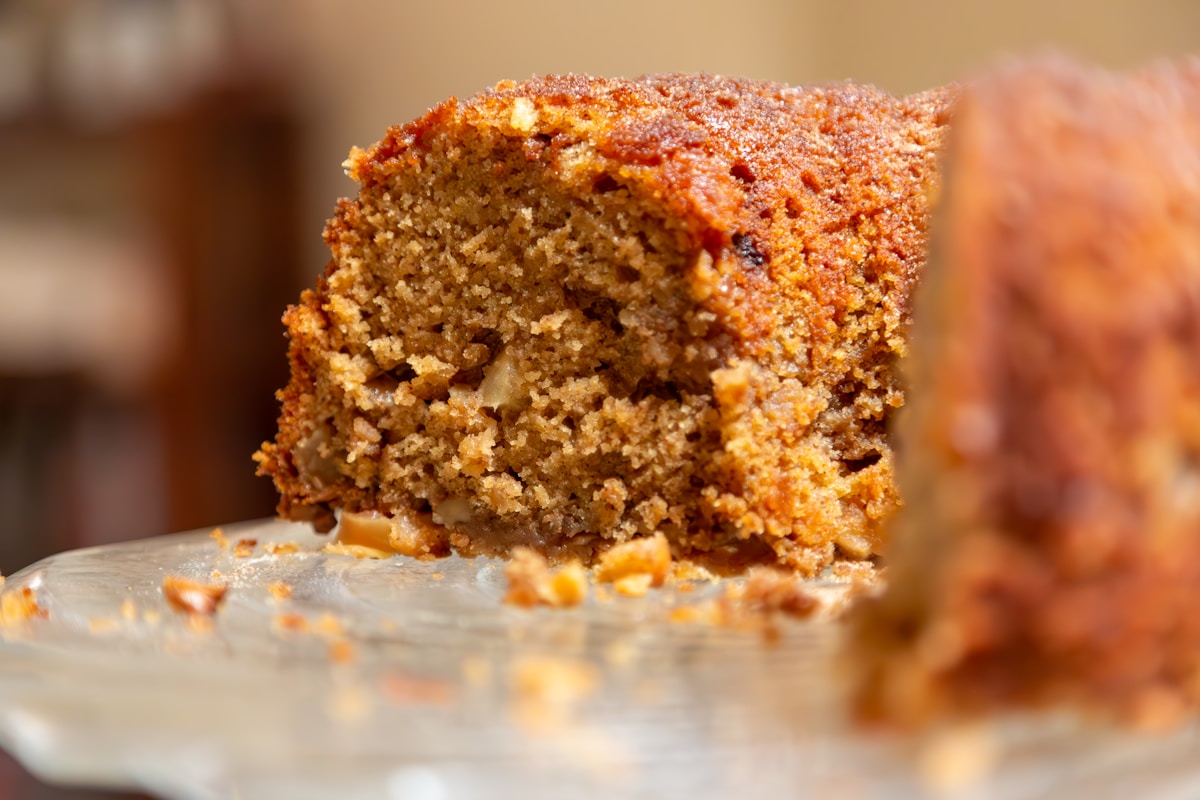
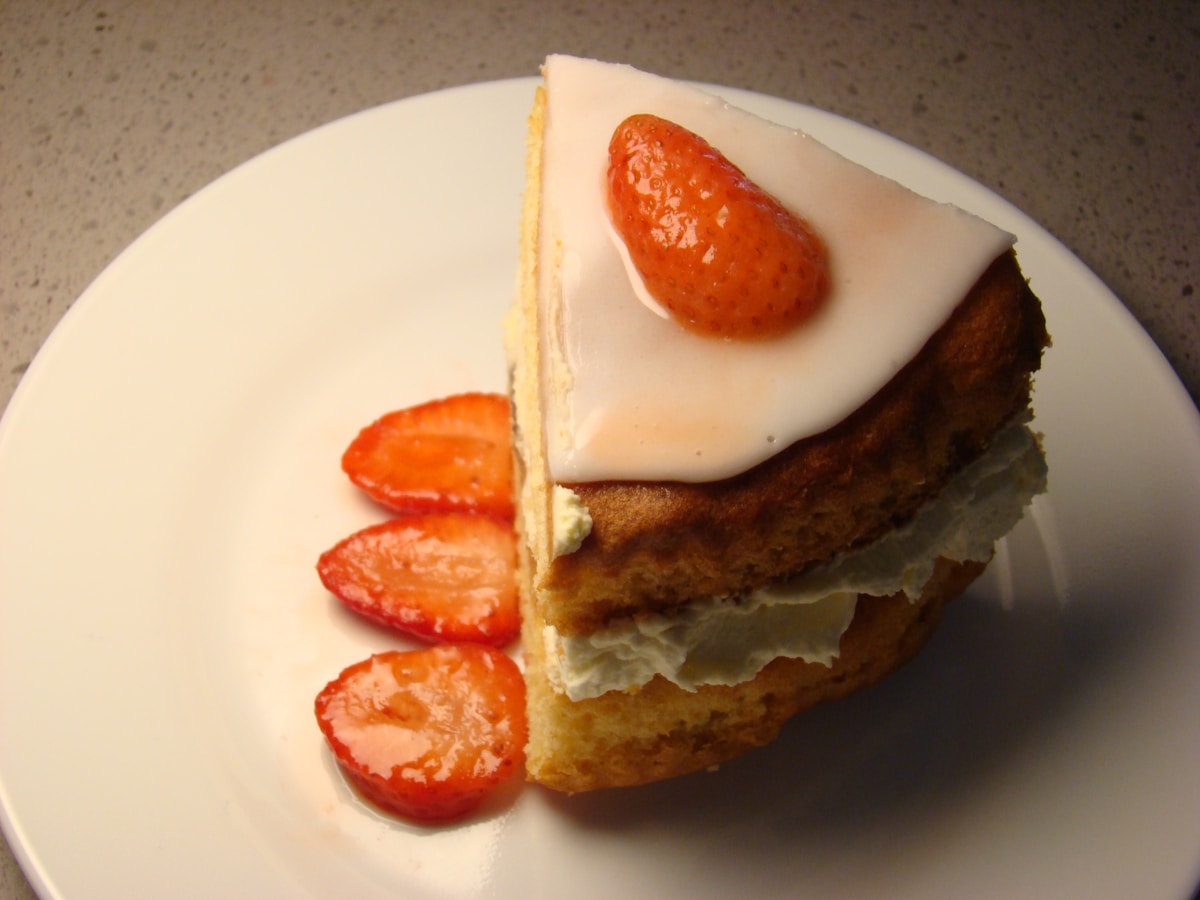
Picture this: You pull a beautiful strawberry and cream cake from the oven, excited to present it to Mom. The aroma is promising, the top is golden. But the first slice reveals a texture more like cornbread than the light, airy sponge you imagined. Your spouse says, “It tastes great, but it’s a little… dense.” Ouch.

Why Did My Lemon Blueberry Cake Turn Out Dense?

Why Did My Lemon Blueberry Cake Turn Out Dense?

You pull a beautiful lemon blueberry cake from the oven, eager for that burst of citrus and berry in every bite. But as you slice into it, the texture feels… heavy. Dense. Like a pound cake that forgot to be light. You followed the recipe from Sally’s Baking Addiction, a site known for reliability. What went wrong?

How Do I Add a Crunchy Layer to a Soft Cake?

How Do I Add a Crunchy Layer to a Soft Cake?

Have you ever taken a bite of a beautiful, fluffy cake and felt that something was missing? The flavor is wonderful, the crumb is tender, but the experience feels… one-note. It’s a common issue in home baking. We master the soft, the airy, and the moist, but often forget one of the most powerful tools in a pastry chef’s arsenal: textural contrast.

Why Is My Homemade Cake Gummy Instead of Fluffy?

Why Is My Homemade Cake Gummy Instead of Fluffy?

It’s one of the most frustrating moments in the kitchen. You followed the recipe. You measured carefully. You pull a beautiful, golden-brown cake from the oven, and it looks absolutely perfect. But then you take a bite, and your heart sinks. Instead of light, tender, and fluffy, the texture is… gummy. Or dense. Or even a little rubbery.

How Can I Add a Crunchy Base to a Chiffon Cake?

How Can I Add a Crunchy Base to a Chiffon Cake?

There’s a moment of pure satisfaction when you slice into a homemade chiffon cake. It’s the whisper-quiet sound the knife makes, the impossibly light and airy crumb, the delicate, cloud-like texture that melts in your mouth. A well-made chiffon is a testament to the magic of emulsification and aeration. It’s nearly perfect on its own. But what if we could take it from nearly perfect to truly unforgettable?

Why Does My Cake Bake Badly in a Silicone Pan?

Why Does My Cake Bake Badly in a Silicone Pan?

It’s a scenario I hear about all the time. You followed the recipe for that perfect vanilla layer cake to the letter. You measured your flour correctly, your butter was at the perfect room temperature, and you folded everything together with care. You pour the batter into your brand-new, brightly colored, flexible silicone pan, feeling good about its modern, non-stick promises.

Are Metal Pans Better Than Silicone For Baking Cakes

Are Metal Pans Better Than Silicone For Baking Cakes

You followed the recipe to the letter. You measured your flour perfectly, brought your eggs to room temperature, and creamed the butter and sugar until it was impossibly light and fluffy. You slid your beautiful batter into that colorful, flexible silicone pan, feeling modern and efficient. But when the timer went off, what came out of the oven was… disappointing.