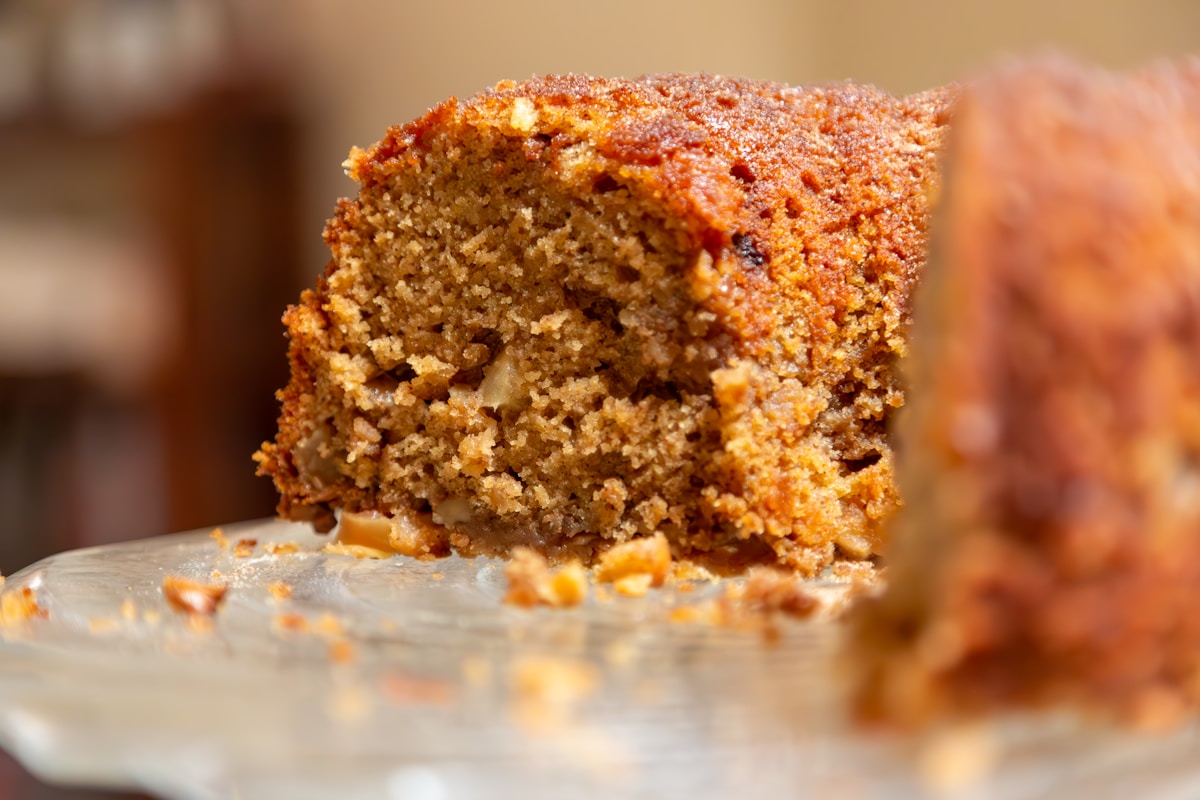
The Mother’s Day Cake That Didn’t Rise
Picture this: You pull a beautiful strawberry and cream cake from the oven, excited to present it to Mom. The aroma is promising, the top is golden. But the first slice reveals a texture more like cornbread than the light, airy sponge you imagined. Your spouse says, “It tastes great, but it’s a little… dense.” Ouch.
If this sounds familiar, you’re not alone. That exact scenario played out on a popular baking subreddit, where a novice baker followed Sally’s Baking Addiction recipe to the letter—yet ended up with a heavy cake. The good news? This is one of the most common frustrations for new bakers, and almost always fixable. Let’s walk through why it happened and how to get that cloud-like crumb next time.
Why Sponge Cakes Are so Finicky
Unlike butter cakes (which rely on creamed butter and sugar for structure), sponge cakes get their lift almost entirely from whipped eggs and air incorporation. There’s no baking soda or powder? Actually, many sponges do use leavener—but the magic is in the air bubbles trapped by the egg foam. Overwork that foam, and you deflate all that potential fluff.
A true sponge has a delicate network of gluten and starch that needs to be handled like a baby bird. Too much mixing develops gluten, making the cake tough. Too little mixing leaves dry patches. And if your leavening agents are past their prime? You might as well be baking a doorstop.
Mistake 1: Overmixing the Batter (The Number One Culprit)
When you fold the flour into the whipped eggs, every motion matters. Overmixing collapses the air you worked so hard to incorporate. The result? A dense, chewy crumb that reminds everyone of cornbread.
How to fold properly: Use a large rubber spatula. Start at the bottom of the bowl, cut straight down, then drag the spatula up and over the mixture. Rotate the bowl a quarter turn and repeat. Think of drawing a capital J shape in the batter. Do this in a light, fluid motion—no aggressive stirring. Stop when you see the last streak of flour disappear. A few lumps are okay; they will dissolve as the cake bakes.
A helpful trick from experienced bakers: replace about two tablespoons of the all-purpose flour with cornstarch per cup of flour. This lowers the protein content, reducing gluten formation. I’ve used King Arthur Flour’s all-purpose with this method and it helps create a more tender crumb.
Mistake 2: Expired or Insufficient Leavening
Even with perfect folding, your cake needs a little push from baking powder or baking soda. These chemical leaveners have a shelf life. Once opened, baking powder starts losing potency after about six months. If you can’t remember when you bought that can, it’s probably time for a fresh one.
Quick test: drop half a teaspoon of baking powder into a cup of hot water. If it fizzes vigorously, you’re good. If it just sits there? Buy a new container. For baking soda, you can test it with vinegar.
Also, check your recipe’s ratio. Sally’s Baking Addiction recipes are thoroughly tested, so trust the amounts. But if you’re using a different source, be aware that too much leavener can also cause a cake to rise rapidly then collapse—resulting in a dense, sticky center.
Mistake 3: Incorrect Oven Temperature
Your oven might be lying to you. A low oven temperature means the cake sets too slowly, allowing air bubbles to escape before the structure firms up. Conversely, too high a temperature can set the outside before the inside finishes rising, leading to a cracked top and a dense core.
The ideal temperature for most sponge cakes is 350°F (175°C). But many home ovens run hot or cold by 25°F or more. The fix? Get an inexpensive oven thermometer (I like the Taylor brand, around $10). Place it on the center rack and adjust your dial accordingly. Once you know your oven’s personality, preheat fully—for at least 15 minutes after the oven beeps.
And whatever you do, resist the urge to open the oven door during the first 20 minutes of baking. That blast of cool air makes the bubbles deflate. Instead, use the oven light to check progress.
Mistake 4: Not Using a Scale for Flour
Volume measurement (scooping with a cup) can add up to 30% more flour to your recipe. That extra flour absorbs moisture and makes the batter dry and heavy. Professional bakers—and most recipe developers—use weight.
Sally’s Baking Addiction recipes often include gram measurements. If not, a standard conversion is 120 grams per cup of all-purpose flour (scoop and level, not packed). A simple digital kitchen scale costs about $15 and instantly improves every bake. Trust me on this one.
A Step-By-Step Sponge Fix for Next Time
Ready to try again? Here’s a game plan:
- Measure everything by weight using a digital scale. Level your flour if you must use cups.
- Check your baking powder with the hot water test. If it fizzles, toss it.
- Whip eggs (or egg whites) to soft peaks if the recipe calls for separated eggs. Beat until they hold a gentle curl when you lift the whisk.
- Fold in flour using the J-motion technique, no more than 15 turns. Stop at the first sign of uniform color.
- Preheat your oven with a thermometer placed inside. Target 350°F (175°C) and confirm before sliding in the pan.
- Bake without peeking until the cake springs back when touched lightly and a toothpick comes out clean.
- Cool in the pan for 10 minutes, then turn out onto a rack. Don’t rush—cooling too fast can also cause sinking.
Try This Tonight: Simple Vanilla Sponge
If you want a low-stakes practice run, make a small batch of vanilla sponge from scratch. It uses just five ingredients: eggs, sugar, flour, cornstarch, and vanilla extract (no butter or milk). Whip two eggs with 1/3 cup (67g) sugar until thick and pale—about 5 minutes with an electric mixer. Sift together 1/2 cup (60g) all-purpose flour and 2 tablespoons cornstarch, then fold in gently. Add 1/2 teaspoon vanilla. Pour into a greased 8-inch round pan and bake at 350°F (175°C) for 15-18 minutes. The result? A tender, airy cake that proves you can do this.
Remember: every baker has a cornbread moment. The secret is not to get discouraged—just tweak one thing at a time. Your future self (and your mom) will thank you.