Is Cast Iron or Carbon Steel Better for Searing After Smoking?

Is Cast Iron or Carbon Steel Better for Searing After Smoking?

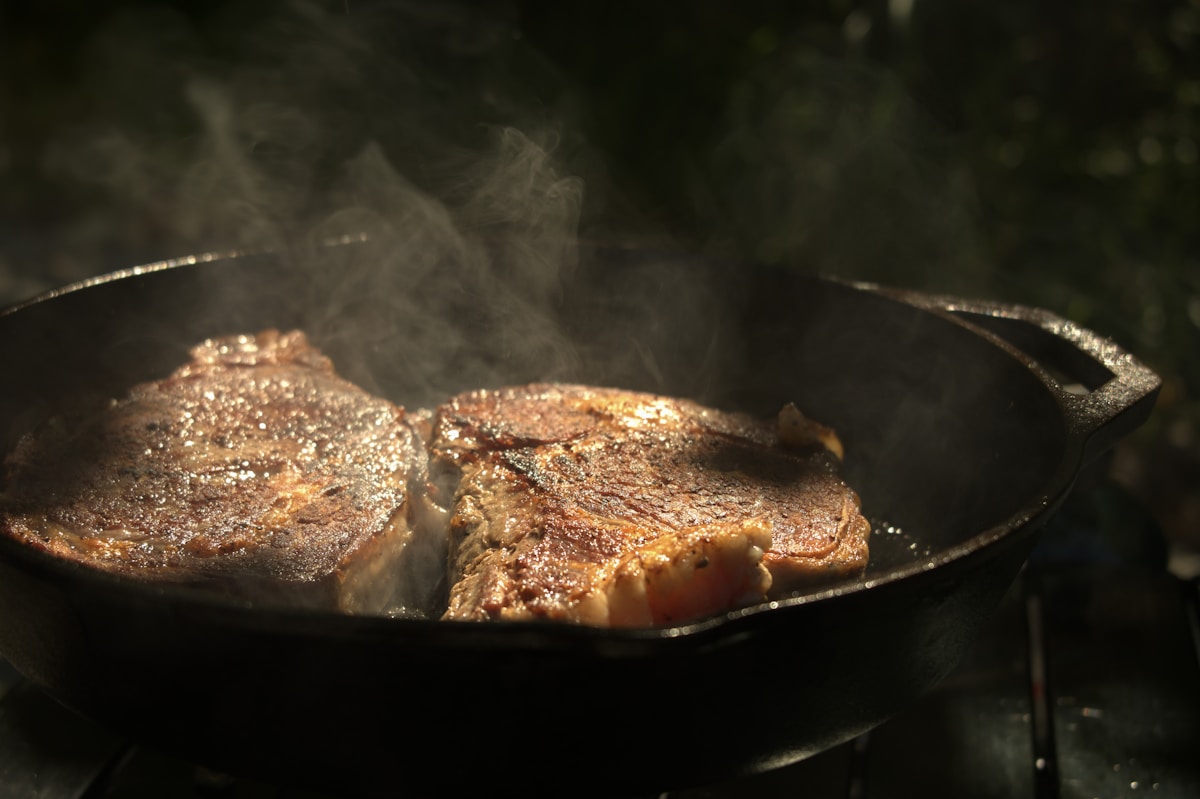
Picture this: you’ve spent hours nursing a Kurobuta pork chop on your smoker at a gentle 225°F (107°C). The meat is rosy, tender, and infused with a whisper of hickory. You pull it at an internal temperature of 110°F (43°C) — just shy of the final goal. Now comes the critical moment: the sear. A blazing hot pan, a knob of butter, and a sizzle that transforms that pale surface into a mahogany crust. But which pan should you be reaching for? The smoking community has strong opinions — and they’re overwhelmingly in favor of cast iron. Yet carbon steel has its own loyal fans. Let’s settle this once and for all.

Can You Cook a Great Steak Without a Cast Iron Pan?

Can You Cook a Great Steak Without a Cast Iron Pan?

You’ve got the perfect steak for a special occasion—a thick-cut ribeye or a beautiful New York strip. You’ve seen all the videos, read all the articles, and they all say the same thing: get your cast iron skillet ripping hot. But you look in your cabinet and there’s no heavy, black, seasoned-to-perfection cast iron pan in sight. There’s just your trusty stainless steel skillet that you use for everything else.

Is a Cast Iron Skillet Really the Best Pan for Searing a Steak?

Is a Cast Iron Skillet Really the Best Pan for Searing a Steak?

We’ve all been there. You spend good money on a beautiful, thick-cut ribeye. You’ve been looking forward to it all day. You heat up your pan, toss it in, and hear a promising sizzle that quickly fades to a sad sputter. The result? A steak that’s more steamed-gray than deep, mahogany brown. It’s one of the most common frustrations in the home kitchen, but it’s a problem with a simple, affordable solution.

Why Does My Steak Never Get a Good Brown Crust

Why Does My Steak Never Get a Good Brown Crust

Let’s be honest for a second. Have you ever spent good money on a beautiful steak, brought it home with visions of a sizzling, steakhouse-worthy dinner, only to end up with… a sad, gray, slightly rubbery piece of meat? The inside might be cooked okay, but the outside has none of that deep, dark, flavorful crust you were dreaming of. If you’re nodding along, please know you are not alone. This is one of the most common frustrations for new cooks, and it’s a hurdle I remember well.

How Do You Cook Crispy Salmon Skin in Cast Iron Without It Sticking?

How Do You Cook Crispy Salmon Skin in Cast Iron Without It Sticking?

The Heartbreak of Stuck Salmon Skin

We’ve all been there. You bought a beautiful, thick-cut salmon fillet. You imagined that moment: the fork pressing through flaky pink flesh, followed by the satisfying crunch of perfectly rendered, crispy skin. You heat up your trusty cast iron pan, lay the fish in with a confident sizzle, and wait.

Is Cast Iron Really Better Than Stainless Steel for Searing Steak?

Is Cast Iron Really Better Than Stainless Steel for Searing Steak?

You’ve done everything right. You bought a beautiful, thick-cut ribeye. You let it come to room temperature. You seasoned it perfectly. You put it in a hot pan, filled with anticipation for that glorious, sizzling crust. But when you flip it, you’re met with a patchy, grayish-brown surface. It’s a sad, disappointing moment we’ve all had in the kitchen.

Will Acidic Marinades Ruin My Cast Iron Skillet?

Will Acidic Marinades Ruin My Cast Iron Skillet?

You’ve got your meal prep planned. Four beautiful salmon fillets, a zesty lemon-dill marinade, and your trusty cast iron skillet ready to go. The goal: a perfect, crispy-skinned salmon that will still be delicious on Wednesday. But then a nagging thought creeps in: “Won’t the lemon juice in this marinade destroy my hard-earned seasoning?”