What Causes Sticky Cast Iron Seasoning and How to Fix It?

What Causes Sticky Cast Iron Seasoning and How to Fix It?

The Sticky Seasoning Problem

You spent hours restoring that vintage Lodge skillet, scrubbing off rust and applying three careful coats of seasoning. You followed every video and blog post to the letter. But when you pulled it out of the oven, the surface felt tacky, gummy, and left fingerprints. Sound familiar? You’re not alone. The sticky seasoning trap is the single most common mistake I see beginners make on forums like r/castiron. The good news? It’s completely fixable without sacrificing your pan.

Can Overheating Ruin Your Cast Iron Dutch Oven?

Can Overheating Ruin Your Cast Iron Dutch Oven?

The Moment That Changed Everything

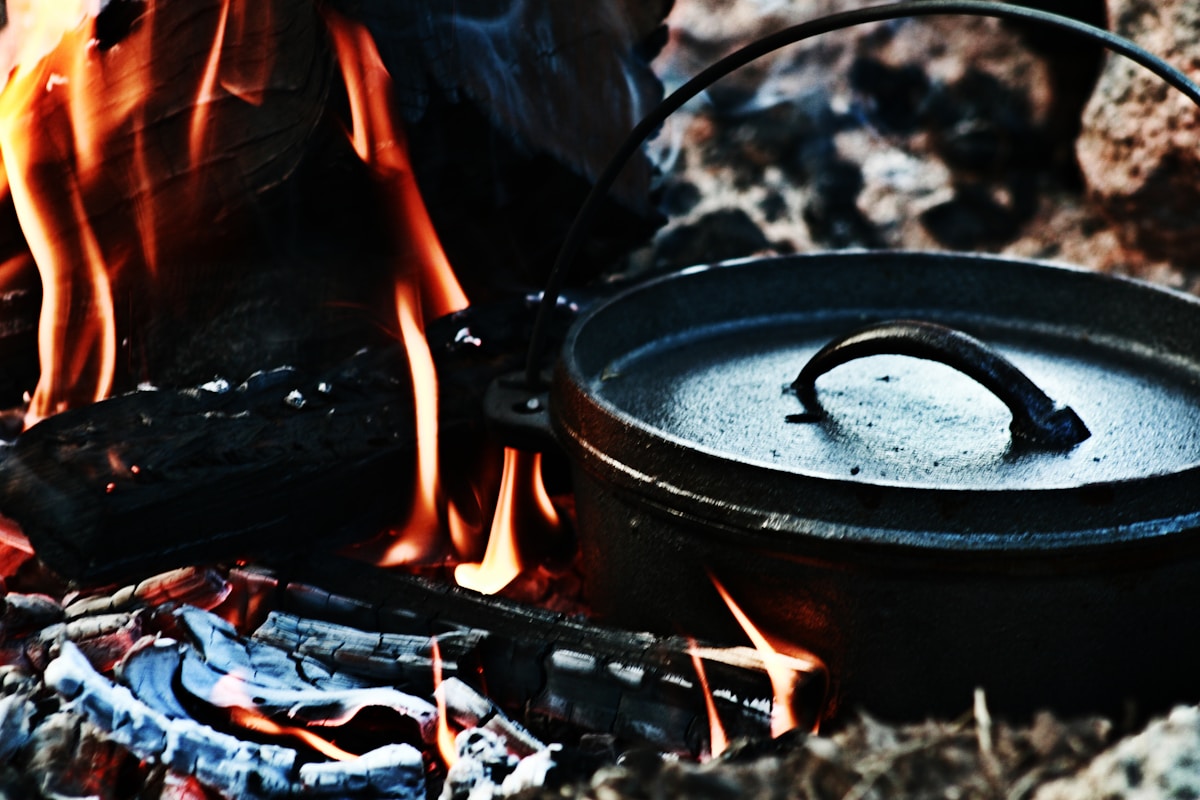
Picture this: you’re camping, fire crackling, and you’ve just seasoned your new cast iron Dutch oven. You get distracted, the flames lick higher, and suddenly the pot is glowing red. Panic sets in. That’s exactly what happened to a Reddit user recently, and the cast iron community had strong opinions. Can a Dutch oven survive that kind of heat? The answer depends on whether it’s enameled or bare iron — and how you react next.

What Are the Best Tips for a New Cast Iron Skillet Owner?

What Are the Best Tips for a New Cast Iron Skillet Owner?

So you just picked up your first cast iron skillet — maybe a classic Lodge, heavy as a brick, and full of promise. You’ve heard they last forever, give you restaurant-quality sears, and even bake a mean cornbread. But then you start reading online horror stories: rust spots, scrambled eggs that glue themselves to the pan, and ruined seasoning that leaves you starting from scratch. Take a breath. I’ve been through all of it, and I’m here to tell you that cast iron is actually one of the most forgiving and rewarding cookware investments you’ll ever make. The right tips — and a little patience — turn that hunk of metal into a nonstick heirloom.

Can You Bring a Rusted Cast Iron Grill Back to Life?

Can You Bring a Rusted Cast Iron Grill Back to Life?

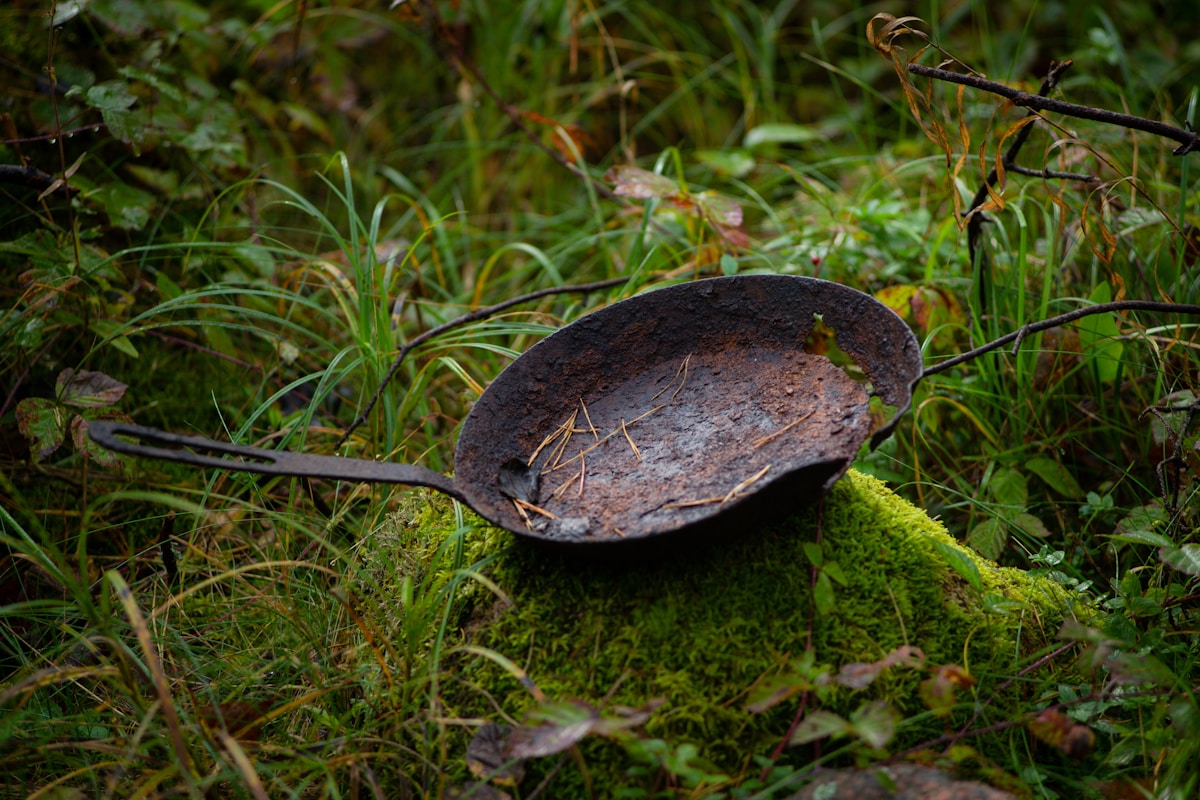
You open the garage after a long winter, and there it is: your trusty cast iron grill, now coated in a sad, orange crust. It happens to the best of us. Maybe you left it out in the rain, or stored it in a damp shed. Whatever the reason, rust has taken hold. But before you toss it in the scrap bin, take a deep breath. Cast iron is incredibly durable, and with a little elbow grease (or some serious tools), you can bring it back to life. I recently came across a story on r/castiron where a user accidentally left their Lodge Sportsman grill in a pizza oven over winter. The result? Heavy rust. They had it sandblasted back to raw iron and were on their fourth seasoning cycle. That grill is now as good as new. This article will walk you through the best methods to remove rust, re-season your cast iron, and keep it that way.

Have I Actually Ruined My Cast Iron Skillet Forever?

Have I Actually Ruined My Cast Iron Skillet Forever?

It’s a heart-sinking moment for any home cook. You pull out your trusty cast iron skillet—the one that’s seared countless steaks and crisped up a thousand potato hashes—only to find it looking…awful. Maybe a well-meaning houseguest left it to soak in the sink, and now it’s covered in a fine layer of orange rust. Or maybe after a particularly smoky cooking session, it’s caked in a thick, black, flaky crust that won’t budge.

Why Does My Pizza Always Stick to My Cast Iron Pan?

Why Does My Pizza Always Stick to My Cast Iron Pan?

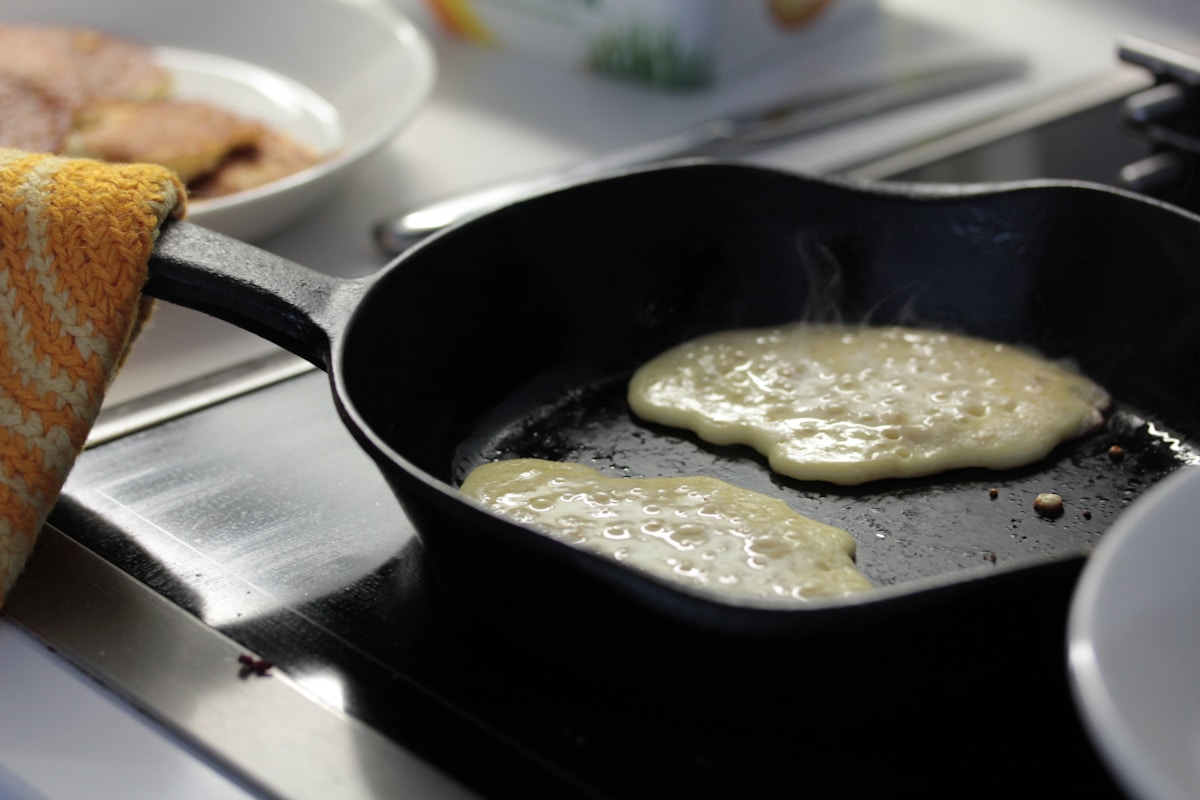
You’ve seen the pictures. That glorious, golden-brown pizza with a thick, cheesy top and a perfectly crispy, fried bottom crust, lifting effortlessly out of a black cast iron skillet. You followed the recipe, preheated your oven until it was roaring hot, and assembled your masterpiece. The smell is incredible. But when you go to slide that first slice out… it’s stuck. Welded. You end up scraping it out in defeat, a delicious but mangled mess.

Can I Restore My Badly Stained Enameled Dutch Oven

Can I Restore My Badly Stained Enameled Dutch Oven

It’s a moment every home cook dreads. You pull your beautiful, vibrant Dutch oven off the stove after a perfect sear or out of the oven after a long, slow braise. You let it cool, go to wash it, and… your heart sinks. The inside is coated with a stubborn, brownish-black film that no amount of soap and frantic scrubbing can touch. The panic sets in. Did you just ruin your favorite (and probably most expensive) piece of cookware?