Why Does My Cake Burn on the Edges and Stay Raw Inside?

Why Does My Cake Burn on the Edges and Stay Raw Inside?

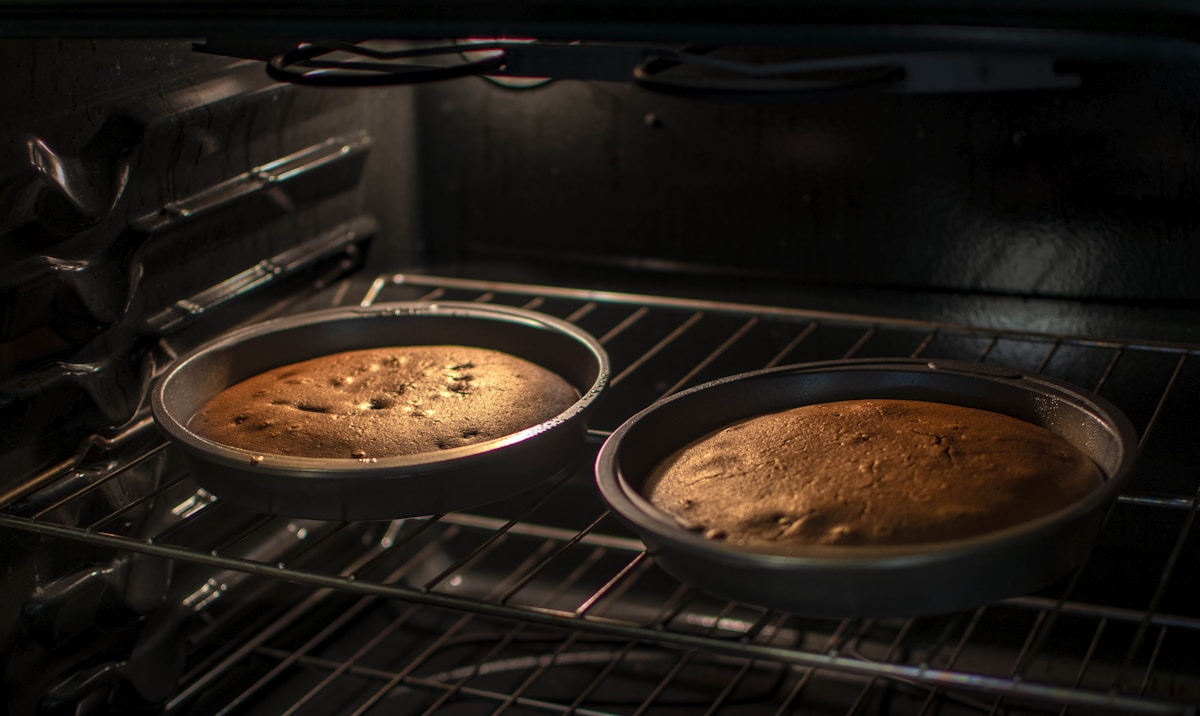
You’ve done everything right. You followed the recipe to the letter, measured your flour perfectly, and even let your eggs come to room temperature. You preheat the oven, set the timer, and slide your beautiful cake batter in, full of hope. But when the timer dings, you’re met with that all-too-common tragedy: dark, over-baked edges that threaten to turn into crust, and a gooey, under-baked center that sinks sadly as it cools.

Why Are My Cake Layers Baking Unevenly in the Same Oven?

Why Are My Cake Layers Baking Unevenly in the Same Oven?

You followed the recipe to the letter. You measured your King Arthur flour with a scale, brought your eggs to room temperature, and creamed the butter and sugar until it was impossibly light and fluffy. You divided the batter perfectly between three identical pans. You set the timer, and the whole house filled with that glorious, warm vanilla scent.

Why Do My Blueberries Always Sink in Cake and Muffin Batter

Why Do My Blueberries Always Sink in Cake and Muffin Batter

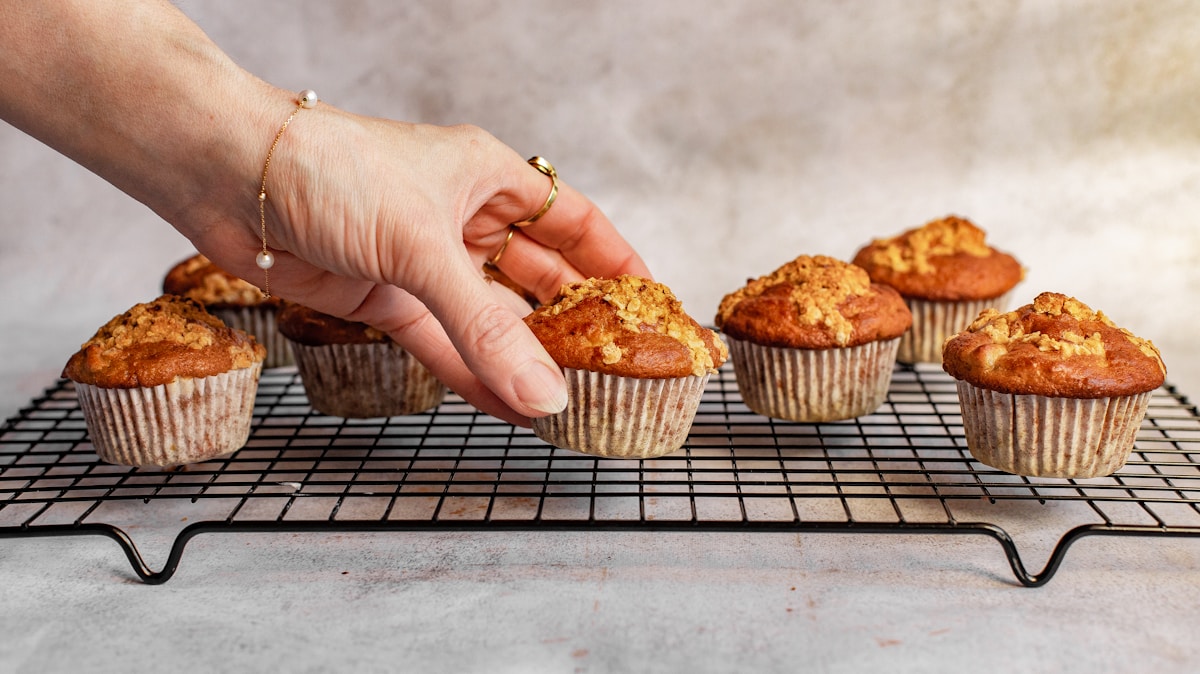
Hello, fellow bakers. Lucas here. Let’s talk about a moment of quiet disappointment I know we’ve all shared. You pull a tray of beautiful, golden-domed blueberry muffins from the oven. The kitchen smells of toasted sugar and warm fruit. You let them cool for just the right amount of time before eagerly splitting one open, only to find… a dense, slightly purple layer of sadness at the bottom where every single blueberry has congregated.

Why Are My Cakes Pale and Dense in a Silicone Pan?

You did everything right. You measured your flour perfectly, brought your eggs to room temperature, and creamed the butter and sugar until it was light and fluffy. You slid the pan into your preheated oven with high hopes, only to pull out… a disappointment. The cake is pale, the edges are soft instead of crisp, and the texture is dense and a little gummy. Sound familiar?

Can You Save a Cake That Is Raw in the Middle?

Can You Save a Cake That Is Raw in the Middle?

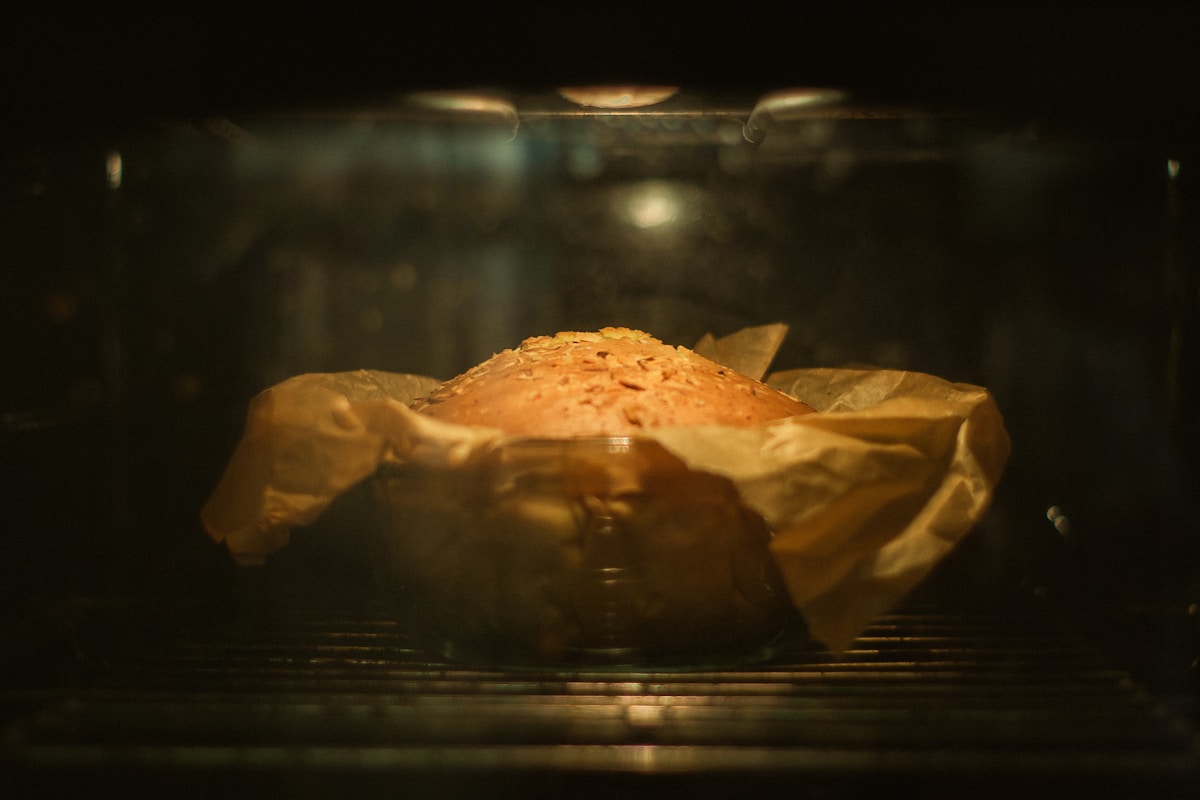
It’s a moment every baker dreads. The timer buzzes, the cake looks magnificent—perfectly golden, risen beautifully—and the aroma fills your kitchen. You let it cool, slice into it with anticipation, and then you see it: a dense, damp, gummy streak right through the center. Your heart sinks. But before you condemn that cake to the bin, let’s take a deep breath. This is not a failure; it’s a chemistry problem, and we have solutions.

Is Your Silicone Bakeware Secretly Sabotaging Your Baking?

Is Your Silicone Bakeware Secretly Sabotaging Your Baking?

Ever followed a cake recipe to the letter, measured your King Arthur flour with precision, used room temperature eggs, and still pulled a pale, sad, slightly gummy cake out of the oven? You check the temperature, you check the time, you blame the recipe. But what if the problem isn’t the ingredients or the oven? What if it’s the pan itself?

Why Does My Cake Bake Unevenly and How Can I Fix It?

Why Does My Cake Bake Unevenly and How Can I Fix It?

It’s a moment every baker knows. The timer chimes, and you pull three beautiful layers of cake from the oven. Except, they aren’t quite a matched set. One has a perfectly flat top. Another has a domed, cracked peak like a tiny volcano. And the third is golden brown on one side and pale on the other. It’s a frustratingly common problem, but it’s not a sign of failure. It’s a sign of chemistry at work, and once you understand the variables, you can control them.

Does the Color of Your Cake Pan Really Matter for Baking

Does the Color of Your Cake Pan Really Matter for Baking

You followed the recipe to the letter. You measured the flour correctly, your butter was the perfect room temperature, and you even set a timer. Yet, when you pull your beautiful cake from the oven, you’re met with disappointment. The edges are dark brown and a little tough, pulling away from the sides of the pan, while the center has domed up and cracked, and a tester comes out just a little too moist.

Why Are My Cakes So Pale and Dense in a Silicone Pan?

Why Are My Cakes So Pale and Dense in a Silicone Pan?

You did everything right. You preheated the oven to exactly 350°F (175°C), meticulously measured your King Arthur flour, and creamed the butter and sugar until it was light and fluffy. The vanilla cake batter was perfect. But when the timer went off, the cake that came out of your floppy silicone pan was… a tragedy.

Why Do My Cakes Bake Unevenly in Different Pans?

Why Do My Cakes Bake Unevenly in Different Pans?

It’s a moment every home baker knows. You followed the recipe perfectly. You preheated the oven, mixed the batter just right, and poured it into three identical-looking pans to make a beautiful layer cake. But when the timer goes off, you’re faced with a frustrating mystery: one cake has dark, almost-burnt edges; another is pale and sad; and the third is… well, maybe it’s just right. What gives? How can the same oven and same batter produce such wildly different results?

Are Silicone Pans Ruining Your Cakes and Breads

Are Silicone Pans Ruining Your Cakes and Breads

You followed the recipe perfectly. You measured your King Arthur flour to the gram, your butter was at the ideal room temperature, and your oven was preheated to a precise 350°F (175°C). Yet, when the timer dings, you pull out a cake that’s… disappointing. It’s pale, a little dense, and the edges are strangely soft, almost gummy. Sound familiar? Before you blame the recipe or your oven, look at the pan. If you’re using silicone, you’ve likely found the culprit.