Does Your Cake Pan Color Really Matter for Baking?

Does Your Cake Pan Color Really Matter for Baking?

You did everything right. You measured the flour perfectly, brought your eggs to room temperature, and followed the recipe to the letter. You pull your beautiful cake layers from the oven, only to feel that familiar sinking feeling. The edges are dark, almost crisp, and pulling away from the sides, while a toothpick inserted in the center comes out with a smear of wet batter. What went wrong?

How Can I Get Perfectly Flat and Even Cake Layers Every Time

How Can I Get Perfectly Flat and Even Cake Layers Every Time

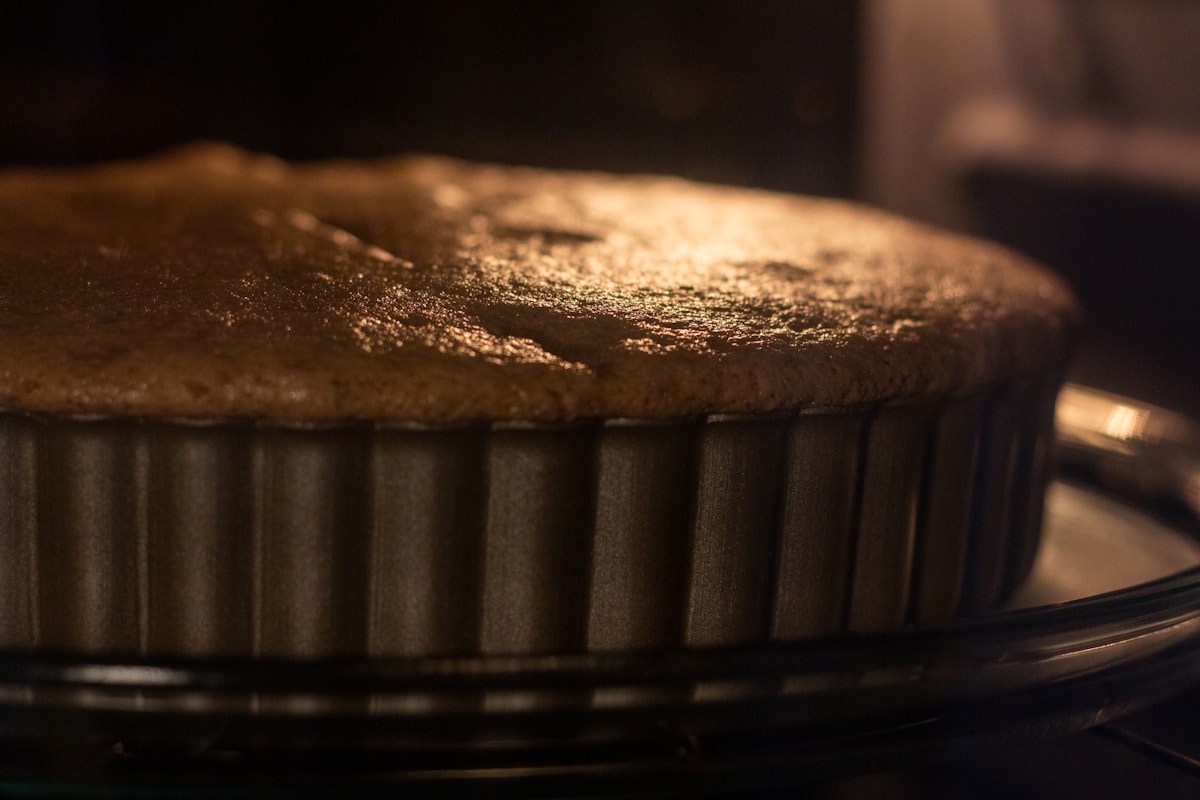
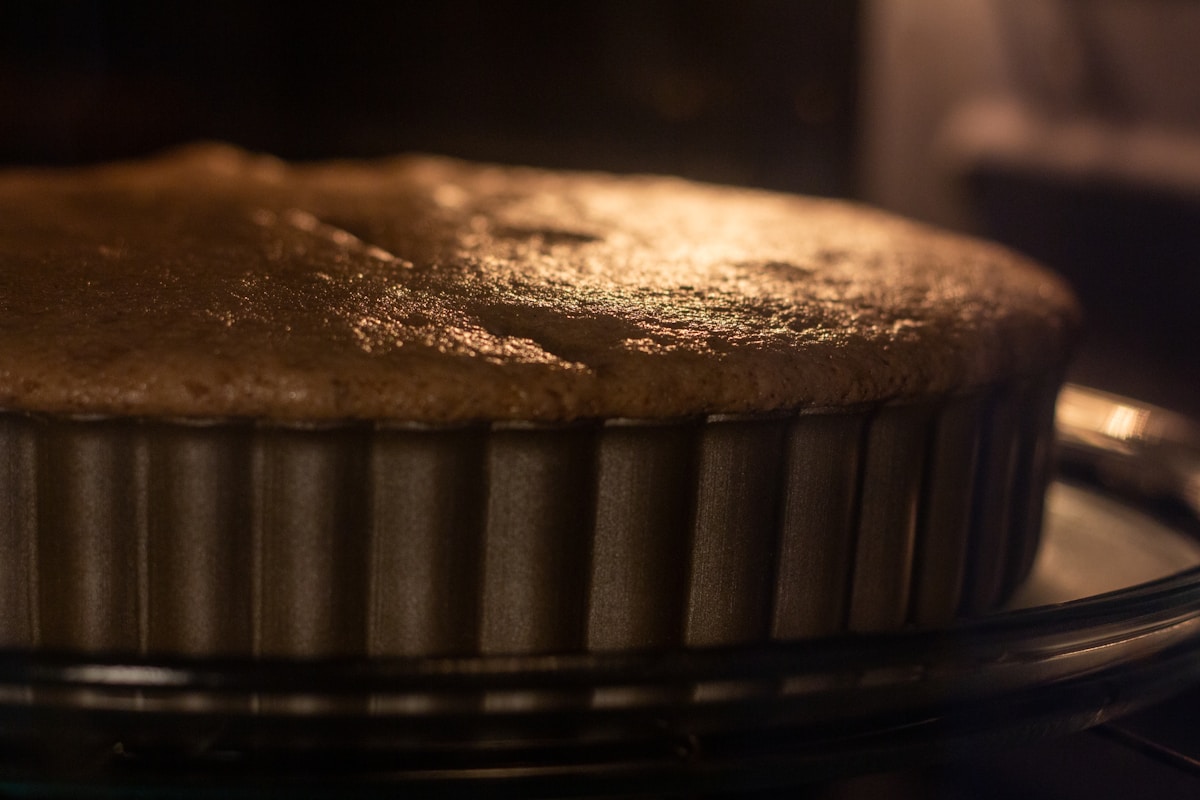
You’ve done everything right. You followed the recipe to the gram, used room temperature eggs, and sifted your flour. You divide the batter perfectly between three identical pans and slide them into your preheated oven with a hopeful heart. Thirty minutes later, you pull them out and face the classic baker’s frustration: one cake is perfectly flat, one has a dome worthy of a national monument, and the third looks like a geological slump.

Are Metal Cake Pans Really Better Than Silicone for Baking

Are Metal Cake Pans Really Better Than Silicone for Baking

You’ve been there. You followed the recipe perfectly. You measured your flour, creamed the butter and sugar until fluffy, and preheated the oven to exactly 350°F (175°C). But when the timer dings, you pull out three cake layers that look like distant, estranged cousins. One is perfectly golden, one is pale and sad, and the third has a weirdly dense bottom.

Why Do My Cake Layers Bake Unevenly in the Same Oven?

Why Do My Cake Layers Bake Unevenly in the Same Oven?

You’ve done everything right. You followed the recipe to the gram, your butter was perfectly softened, and you folded the flour with the care of a surgeon. You pour the batter evenly into three identical 8-inch cake pans, slide them into your preheated oven, and set the timer. When it dings, you pull them out to find a baking disaster: one layer is perfectly golden, another has a burnt edge and a sunken middle, and the third looks pale and underdone.

Do Cake Strips Really Stop Cakes From Doming?

You know the moment. You pull your beautiful cake layers from the oven, only to see it: the dreaded dome. A puffy, cracked mountain rises from the center of each pan, while the edges are thin, dry, and slightly over-baked. You’re now faced with a choice — level it with a serrated knife, wasting a third of your hard work, or stack a wobbly, unstable layer cake that looks like it’s about to fall over.

Why Do My Brownies Rise at the Edges and Sink in the Middle?

Why Do My Brownies Rise at the Edges and Sink in the Middle?

There are few kitchen moments as promising as sliding a pan of rich, chocolatey brownie batter into a hot oven. You watch it bake, smelling the glorious transformation from liquid to solid. And then, the moment of truth. You pull it out, and you see it: the dreaded brownie crater. The edges have climbed halfway up the sides of the pan, forming a dry, cakey wall, while the center has collapsed into a dense, slightly gooey depression. It’s a frustratingly common problem, but I’m here to tell you it’s not a personal failure—it’s a matter of physics.