Can Marshmallow Fluff Stabilize Whipped Cream for Days?

Can Marshmallow Fluff Stabilize Whipped Cream for Days?

The Whipped Cream Dilemma

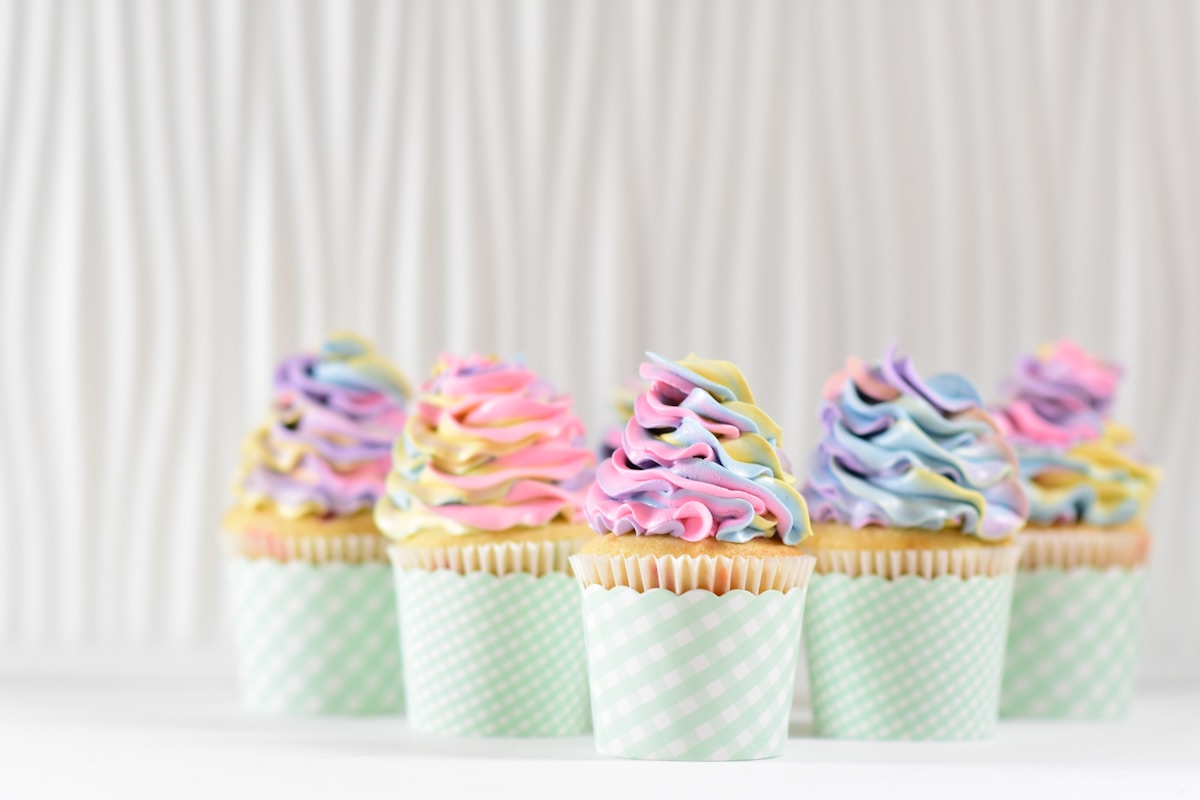
You have spent hours layering a perfect cake, piping rosettes, and smoothing frosting. Then you take it to a party, and by the time dessert rolls around, your beautiful whipped cream has deflated into a sad, weeping puddle. We have all been there. Stabilized whipped cream is the baker’s secret for desserts that need to hold their shape for hours or even days. Traditional methods like gelatin, cream cheese, or instant pudding mix work, but they can change the texture or require extra steps. Enter an unlikely hero: marshmallow fluff. A Reddit user recently shared a pro tip that has the r/Baking community buzzing. Just add a large spatula of marshmallow fluff to heavy cream before whipping, and you get a sweet, stable cream that holds peaks for 2 to 3 days. No gelatin, no pudding mix, no fuss. But does it really work? And what is the science behind it? Let us dive in.

Can You Make a Blue Velvet Cake That Actually Stays Blue?

Can You Make a Blue Velvet Cake That Actually Stays Blue?

You open your pantry, see that bottle of red food coloring, and glance at your friend’s favorite shade of blue. A lightbulb goes off: why not make a blue velvet cake? It seems simple enough—just swap the red dye for blue, right? But if you’ve ever tried this shortcut, you know the disappointment of pulling a cake out of the oven that looks more swampy than sky. That “blue” can turn into a murky green or a sad gray. What gives? Let’s dive into the chemistry and craft behind a truly vibrant blue velvet cake, so your next batch lives up to that bright, royal vision.

How to Make Soft Pretzel Bagels at Home?

How to Make Soft Pretzel Bagels at Home?

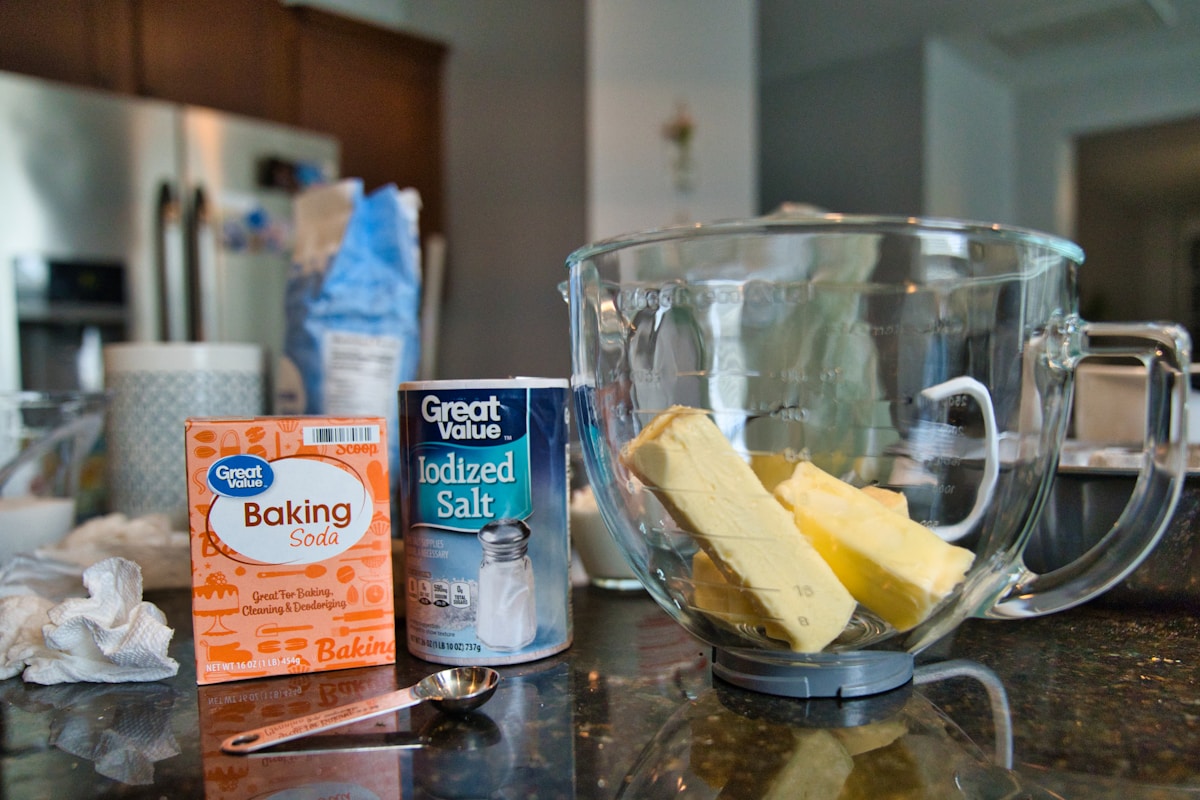
You know that moment when you can’t decide between a soft pretzel and a bagel? You want the chewy, salty crust of a pretzel but the portability and shape of a bagel. A home baker on r/Baking recently shared their answer: soft pretzel bagels. Combining the best of both worlds, these bagels get boiled in a baking soda bath before baking, giving them that signature dark, shiny pretzel crust. And the best part? You can top them with classic salted, everything seasoning, cinnamon sugar, or asiago cheese. Let’s break down the science and technique so you can make them in your own kitchen.

How Can I Cook Dinner Safely With a Toddler Underfoot?

How Can I Cook Dinner Safely With a Toddler Underfoot?

You know that moment. It's 5:30 PM, you've got onions browning in the pan, and your little one is clinging to your leg like a tiny, determined koala. The timer's ticking, the toddler's whining, and you're wondering if takeout is a valid survival strategy. If this scene sounds familiar, you're far from alone. A recent thread on r/Parenting blew up with parents sharing this exact struggle, and the consensus was clear: expecting one person to juggle a hot stove and a curious toddler is a recipe for burnout, not dinner. But here's the good news - with a little planning, some clever gear, and a shift in expectations, you can absolutely cook a real meal while keeping your little explorer safe and happy. Let's walk through how.

Is Cast Iron or Carbon Steel Better for Searing After Smoking?

Is Cast Iron or Carbon Steel Better for Searing After Smoking?

Picture this: you’ve spent hours nursing a Kurobuta pork chop on your smoker at a gentle 225°F (107°C). The meat is rosy, tender, and infused with a whisper of hickory. You pull it at an internal temperature of 110°F (43°C) — just shy of the final goal. Now comes the critical moment: the sear. A blazing hot pan, a knob of butter, and a sizzle that transforms that pale surface into a mahogany crust. But which pan should you be reaching for? The smoking community has strong opinions — and they’re overwhelmingly in favor of cast iron. Yet carbon steel has its own loyal fans. Let’s settle this once and for all.