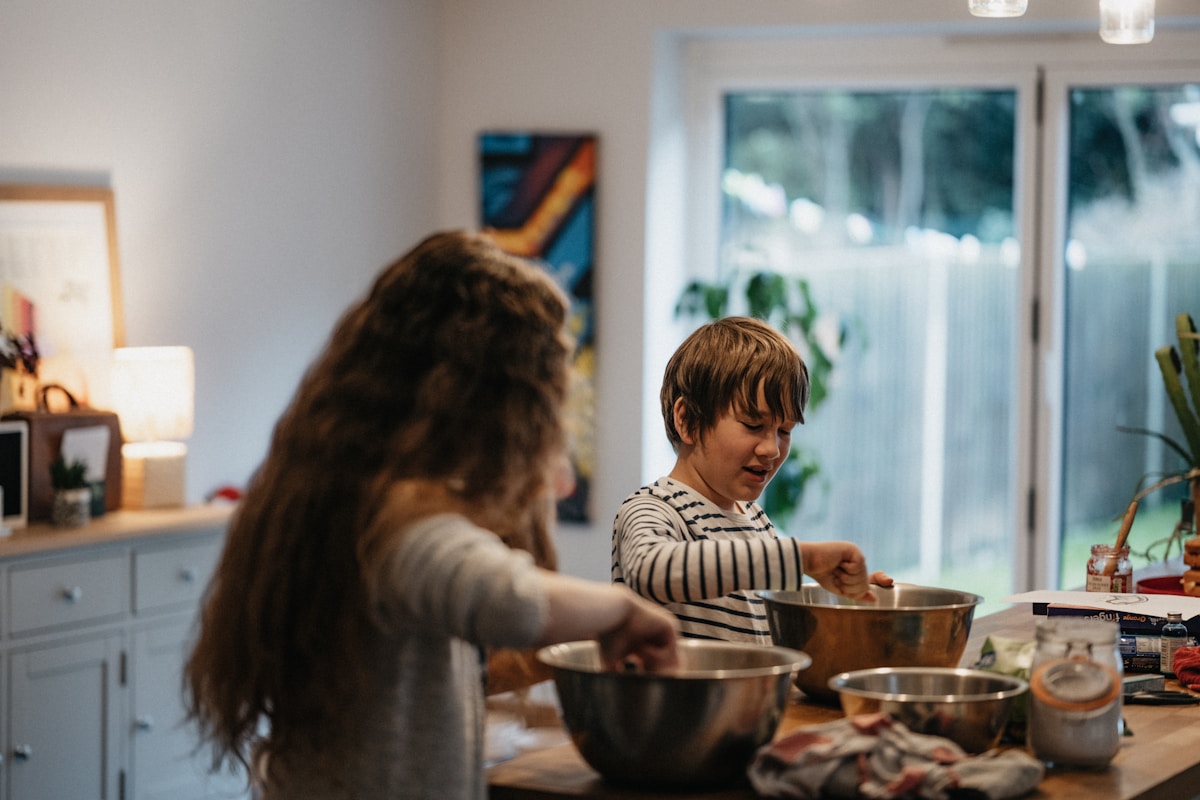
You know the scene: a bunch of bananas sits on the counter, turning brown and soft. The kids won’t touch them. You think about tossing them, but then you remember banana bread. If you’ve ever ended up with a dry, dense loaf, you’re not alone. The good news is that a few simple tweaks can give you a tender, moist banana bread every time.
Key Takeaways
- Use heavily spotted or black bananas for natural sweetness and moisture.
- Choose oil or a mix of oil and butter, and add yogurt or sour cream for a tender crumb.
- Mix dry and wet ingredients separately, then fold gently to avoid overmixing.
- Bake at 350°F for 50-60 minutes; test with a toothpick or internal temperature of about 200°F.
- Store tightly wrapped at room temperature or freeze for up to 3 months.
Why Overripe Bananas Are the Secret to Moist Banana Bread
The first and most important step is using bananas that are truly overripe. Look for peels that are heavily spotted with brown or even mostly black. These bananas are soft and almost syrupy inside. That may not sound appealing for snacking, but they are perfect for baking.
Overripe bananas are higher in sugar and lower in starch. The natural sugars caramelize during baking, adding sweetness and moisture. The soft texture also blends easily into the batter, giving you even banana flavor in every bite.
If your bananas aren’t quite ripe enough, place them on a baking sheet and roast at 300°F for 15-20 minutes until the skins darken and the fruit softens. Let them cool before using. Roasting can concentrate the sugars but reduces moisture slightly, so you may want to add a tablespoon of milk or yogurt to the batter.
Key Ingredients That Guarantee a Tender Crumb
The ingredients you choose make a big difference. Let’s look at the most important ones.
Fat: oil vs. butter. Butter adds flavor, but oil provides more consistent moisture. Many bakers use a mix of both: for example, 1/4 cup melted butter and 1/4 cup vegetable oil. The oil keeps the crumb soft for days, while the butter adds rich taste. If you use only butter, be sure it’s very soft or melted to avoid a dry loaf.
Yogurt or sour cream. This is one of the best tricks for extra tenderness. The acid in yogurt or sour cream reacts with baking soda to create a fine, even crumb. It also adds a subtle tang that balances sweetness. Use plain yogurt or full-fat sour cream. If you need to make banana bread without buttermilk, yogurt or sour cream works perfectly.
Brown sugar vs. white sugar. Brown sugar contains molasses, which adds moisture and deeper flavor. Using all brown sugar, or a mix, gives a softer loaf. Try 3/4 cup brown sugar and 1/4 cup white sugar for a good balance.
Ingredient ratios. Too much flour is a common cause of dry banana bread. Spoon the flour into your measuring cup and level it off with a knife. Do not scoop directly from the bag. A good starting ratio is 1 3/4 cups all-purpose flour to 1 cup mashed banana (about 3 medium bananas). If the batter seems thick, add a splash of milk.
Mixing Method: The Most Important Step
How you mix the batter directly affects the texture. Quick breads like banana bread need a light hand. Overmixing develops gluten, which can result in a denser, tougher texture. For a tender loaf, you want minimal gluten formation.
Here is the step-by-step method:
- In a large bowl, mash the overripe bananas with a fork until mostly smooth. Small lumps are fine.
- Add the wet ingredients: oil, melted butter, eggs, yogurt or sour cream, and vanilla extract. Stir with a whisk until combined.
- In a separate bowl, whisk together the dry ingredients: flour, sugar, baking soda, salt, and any spices you like (cinnamon or nutmeg).
- Pour the dry ingredients into the wet mixture. Use a rubber spatula to fold gently. Stir only until you no longer see streaks of flour. A few small lumps are okay. Do not beat the batter.
- If adding nuts or chocolate chips, fold them in at the end with just a few strokes.
Visual cue: the batter should be thick but spoonable, like a thick pancake batter. If it looks stiff, add a tablespoon of milk.
Baking Time and How to Test for Doneness
Preheat your oven to 350°F. Grease a 9x5-inch loaf pan or line it with parchment paper. Pour the batter into the pan and spread it evenly.
Bake for 50-60 minutes. Ovens vary, so start checking around 50 minutes. The top should be golden brown and cracked. Use a toothpick or skewer inserted into the center of the loaf. If it comes out clean or with a few moist crumbs (not wet batter), the bread is done.
Another test: the internal temperature should be around 200°F if you have an instant-read thermometer. That’s a reliable way to avoid underbaking or overbaking.
If the top is browning too quickly before the center is set, tent the pan loosely with aluminum foil. Continue baking until a toothpick comes out clean.
Let the banana bread cool in the pan for 10 minutes. Then turn it out onto a wire rack to cool completely. Slicing while warm can cause the bread to crumble.
Delicious Add-Ins and Variations
One of the best things about an easy banana bread recipe is that it welcomes customizations. Here are some ideas:
- Nuts: Fold in 1/2 cup of toasted walnuts or pecans for crunch.
- Chocolate chips: Add 1/2 cup of semi-sweet or dark chocolate chips for a sweet treat.
- Swirls: Drop spoonfuls of cream cheese, Nutella, or peanut butter on top of the batter before baking. Use a knife to swirl gently.
- Spices: Add 1 teaspoon cinnamon and 1/4 teaspoon nutmeg for warmth.
- Gluten-free: Substitute the all-purpose flour with a 1:1 gluten-free baking blend. The texture may be slightly different, but it will still be moist.
- Dairy-free: Use a neutral oil (like coconut or avocado) instead of butter, and replace yogurt with applesauce or a dairy-free yogurt alternative.
For a fun twist, sprinkle a tablespoon of turbinado sugar on top before baking for a crunchy crust.
Storage and Freezing Tips to Keep Banana Bread Moist
Proper storage is key to keeping your banana bread fresh. Once the loaf is completely cool, wrap it tightly in plastic wrap. Then place it in an airtight container or a zip-top bag. Store at room temperature for up to 4 days. Do not refrigerate, as the cold air can dry out the bread.
If you want to keep it longer, freezing is the best option. You can freeze the whole loaf or individual slices. Wrap each slice in plastic wrap and then place them in a freezer bag. Squeeze out the air before sealing. Frozen banana bread will stay moist for up to 3 months.
To thaw, leave slices at room temperature for 30 minutes, or warm them in a 300°F oven for 5-10 minutes. Reheating can bring back that just-baked softness.
Frequently Asked Questions
Can I use frozen overripe bananas? Yes. Thaw the bananas at room temperature. They will release liquid. Drain the excess liquid before mashing, or use it in the batter instead of milk. The texture may be slightly softer, but it works well.
Why is my banana bread dry? Several possible reasons: the bananas were not ripe enough, too much flour was used, or the bread was overbaked. Check your oven temperature with an oven thermometer. Also, be sure to measure flour correctly. Next time, try adding an extra tablespoon of yogurt or oil.
Can I make this recipe without yogurt or sour cream? Yes. Use an equal amount of applesauce or a little extra oil (1/4 cup instead of 1/4 cup of yogurt). The texture may be slightly less tender, but it will still be moist.
How do I ripen bananas quickly? Place them in a paper bag with an apple or a ripe banana. The ethylene gas will speed up ripening in 1-2 days. You can also roast unripe bananas as mentioned earlier.
Can I use whole wheat flour? Yes, but replace only half the all-purpose flour with white whole wheat flour. Whole wheat absorbs more moisture, so you may need to add 2-3 tablespoons of milk or yogurt to keep the loaf moist.
My banana bread sank in the middle. What happened? This can happen if the batter was overmixed or if there was too much leavening. Check that your baking soda is fresh (replace every 6 months). Also, make sure the oven was fully preheated before putting the pan in.
With these tips, you can confidently turn those sad, overripe bananas into a moist, delicious banana bread that the whole family will enjoy. Happy baking!