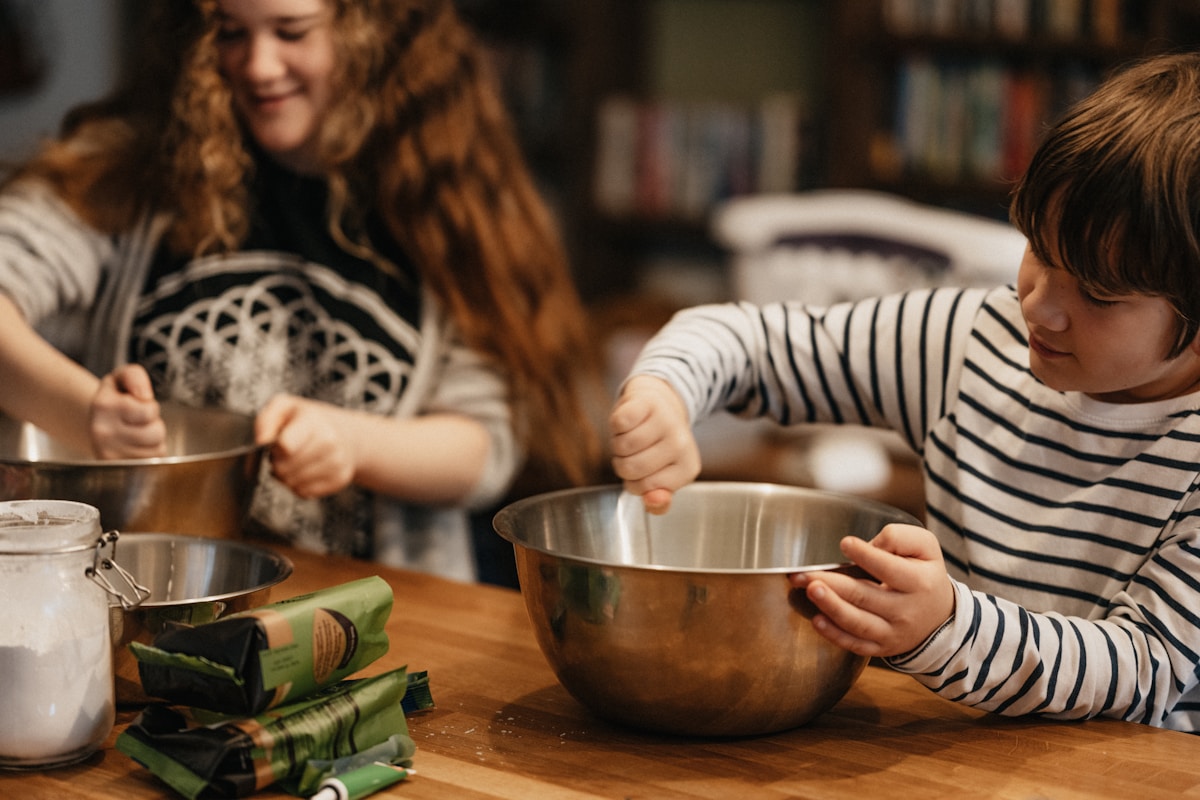
Can cooking with kids actually make weekends less exhausting?

Can cooking with kids actually make weekends less exhausting?

The Weekend Struggle is Real

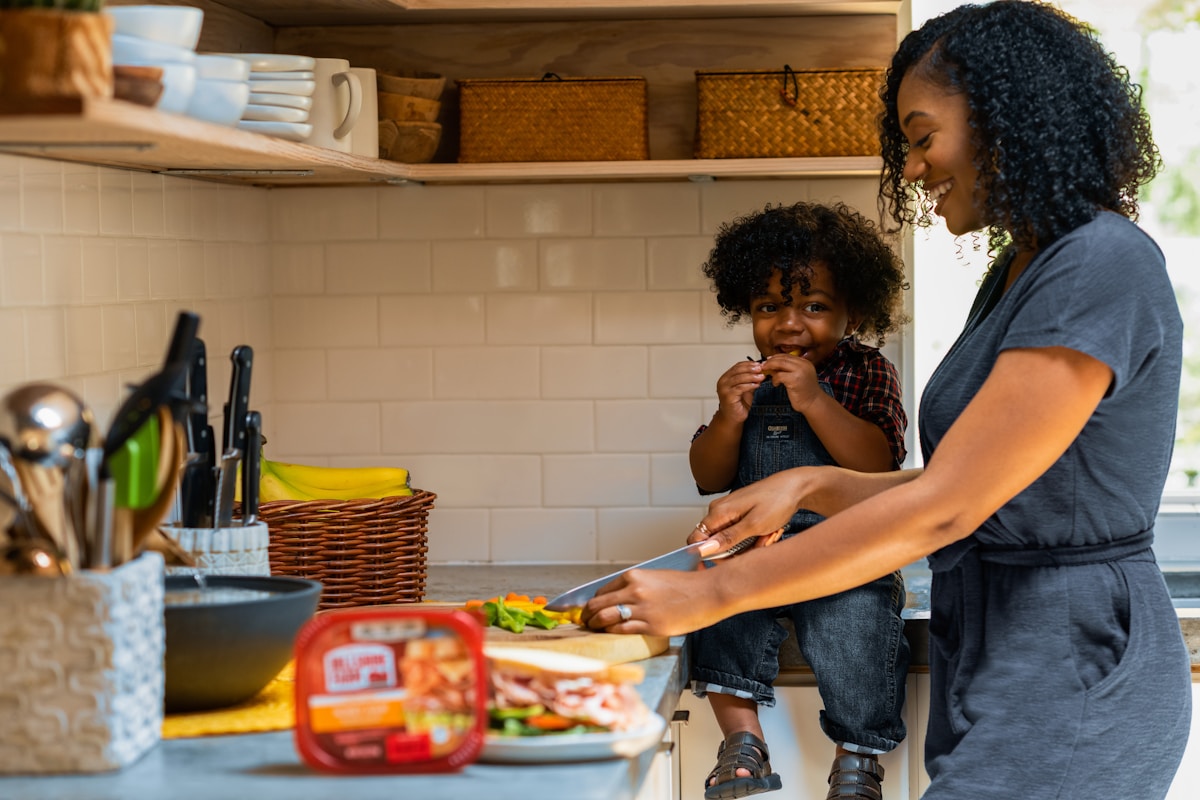
If you’re a parent of young children, you know the feeling. Friday evening rolls around, and you’re dreaming of sleeping in, sipping coffee in peace, maybe even tackling that home project. But then Saturday morning hits at 6:30 AM, and suddenly you’re refereeing toy disputes, making breakfast while someone hangs on your leg, and wondering why weekends feel more exhausting than the work week. You’re not alone. A recent Reddit thread on r/daddit captured this perfectly: parents pouring out their frustration that weekends with little ones feel like a marathon of meal prep, cleanup, and constant entertainment. The thread’s top suggestion? Get the kids in the kitchen with you. At first, that might sound like adding chaos to chaos. But hear me out — involving your children in cooking can actually lighten your load, teach them essential life skills, and turn mealtime from a stress point into a family bonding moment.

Can You Substitute Brown Sugar for Demerara in Millionaire Shortbread?

Can You Substitute Brown Sugar for Demerara in Millionaire Shortbread?

You know that moment when you are halfway through a baking project and realize you are missing a key ingredient? It happened to a Reddit user last month who attempted Claire Saffitz’s millionaire shortbread but reached for brown sugar instead of demerara. They also swapped vanilla extract for vanilla bean and doubled the chocolate. The result? A caramel that took a long time to come together but was ultimately delicious. But was it really the same? The answer is both yes and no. Substituting brown sugar for demerara changes the chemistry of your caramel in ways that affect texture, cooking time, and flavor. As a baker who believes that understanding the “why” leads to better results (baking is chemistry you can eat), I want to walk you through exactly what happens when you make this swap and how to adjust your technique so you get the best millionaire shortbread every time.

How Much Should I Charge for a Homemade Cake?

How Much Should I Charge for a Homemade Cake?

You just pulled an 8-inch double layer Cookies ’n Cream cake out of the fridge. The layers are perfectly even, the cream filling is billowy, and the chocolate cookie crumb coating is flawless. A friend sees your photo on social media and messages you: “Oh my gosh, can you make one for my birthday? I’ll pay you!” Your heart swells with pride—then freezes with panic. How much do you even charge?

Which Chef Hat Works Best for Natural Hair Without Causing Damage?

Which Chef Hat Works Best for Natural Hair Without Causing Damage?

Imagine this: You are a talented chef with a beautiful, full afro. You finally land a gig at a high-end restaurant, thrilled to showcase your skills. Then you are handed a standard chef hat with a thin elastic band. After a few hours, that band is digging into your scalp, causing sharp pain and pulling at your curls. By the end of the shift, you notice breakage and a tender spot. This isn’t just a discomfort issue — it’s a real health concern that affects many chefs with natural hair. As someone who spends hours in the kitchen testing gear, I’ve seen this problem overlooked for far too long. Let’s talk about why traditional chef hats fail so many cooks and what you can actually do about it.

Can You Make a Fluffy Rainbow Shokupan for Pride Celebrations?

Can You Make a Fluffy Rainbow Shokupan for Pride Celebrations?

When I first saw a slice of rainbow shokupan on Reddit’s r/Baking, I stopped mid-scroll. The soft, pillowy Japanese milk bread was dyed in bright stripes of red, orange, yellow, green, blue, and purple. It looked like a celebration — and I immediately wanted to bake it for an upcoming Pride gathering. But I knew the challenge: shokupan is prized for its feather-light, cloud-like crumb. How do you add six colors without turning that delicate texture into a dense, rubbery mess? After testing the technique shared by that Reddit baker, I found the answer revolves around three things: using gel coloring just right, keeping the dough from overworking, and preventing colors from bleeding together during proofing. Let me walk you through it.