What piping tips do you need as a beginner baker?

What piping tips do you need as a beginner baker?

The First Cake Frustration That Every Baker Knows

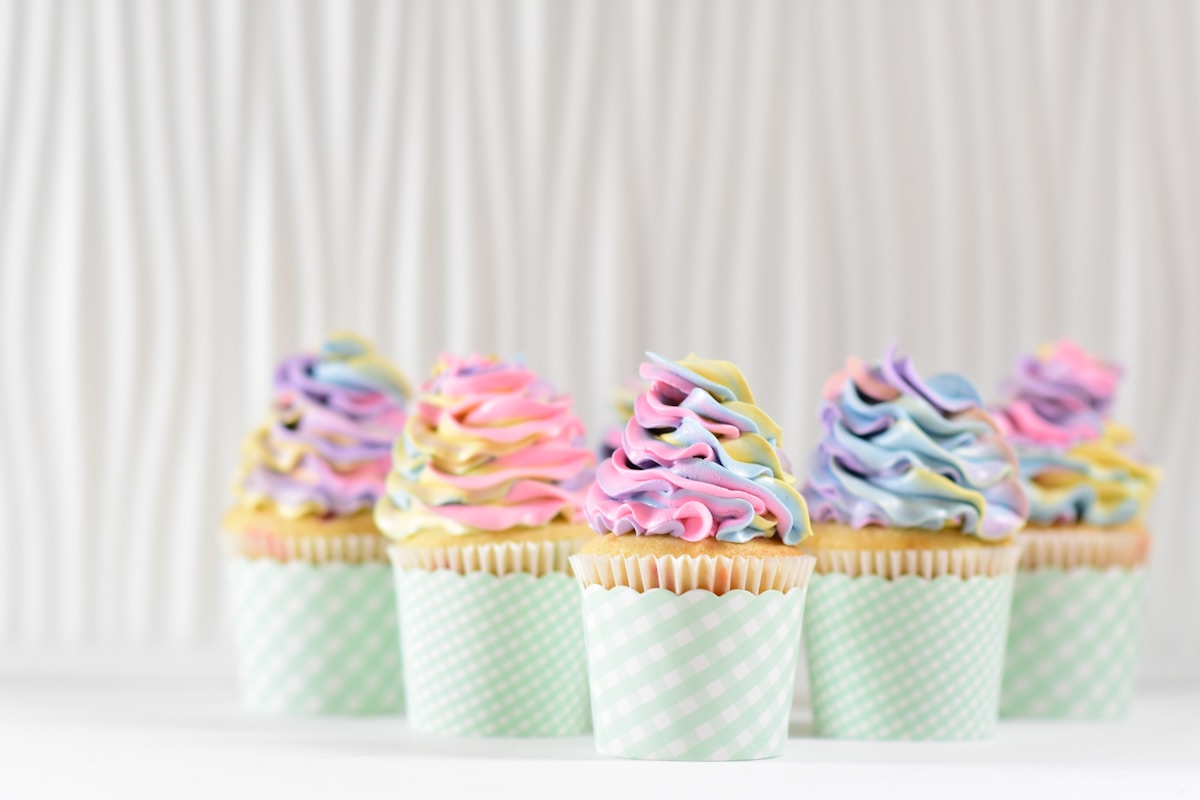
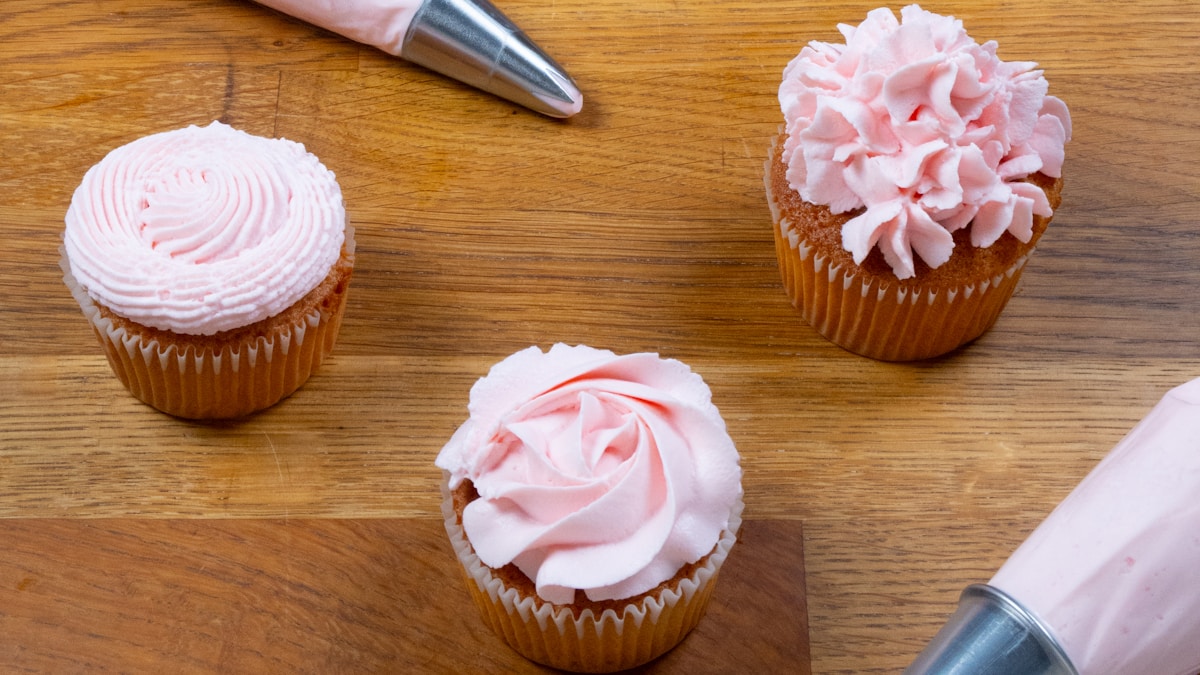
You spent hours baking that perfect chocolate cake. You whipped up a silky buttercream, tinted it your favorite pastel, and even added rainbow sprinkles to the batter for a funfetti effect. Then came the moment of truth: piping the rosettes and borders. But the buttercream blobs, the lines wobble, and the whole thing looks more like a toddler’s art project than a bakery-worthy dessert. Sound familiar? You’re not alone. On r/Baking, a new baker shared their third cake ever—a chocolate cake with rainbow sprinkles and piped buttercream—admitting they needed practice with piping. The comments flooded in with empathy and advice, and the one recurring theme was this: the right piping tips make all the difference. (Trust me on this one.)

Why Does My Swiss Meringue Buttercream Keep Breaking?

Why Does My Swiss Meringue Buttercream Keep Breaking?

It’s a moment every aspiring baker has faced. You’ve carefully followed the steps. You’ve watched the egg whites and sugar transform into a glossy, beautiful meringue. You begin adding the butter, piece by piece, and then it happens. The pristine white cloud collapses into a curdled, weeping, soupy mess. Your heart sinks. It looks completely ruined.

How Do I Make Silky Smooth Ermine Frosting at Home

How Do I Make Silky Smooth Ermine Frosting at Home

The Sweet Problem with Most Frostings

Have you ever been served a slice of visually stunning cake, only to find yourself scraping off the thick layer of frosting? You’re not alone. So often, the beauty of a cake is betrayed by a frosting that is achingly, cloyingly sweet. This is usually the fault of classic American buttercream, a simple mixture of powdered sugar and fat that can feel gritty and heavy, masking the delicate flavors of the cake itself.

What Is Ermine Frosting and Why Is It Better for Layer Cakes?

What Is Ermine Frosting and Why Is It Better for Layer Cakes?

Have you ever frosted a beautiful layer cake, only to find the buttercream is overwhelmingly sweet and a little bit… gritty? It’s a common frustration. You spend hours baking the perfect crumb, only to have it masked by a frosting that tastes more of powdered sugar than anything else. What if I told you there’s a classic, nearly forgotten frosting that’s as stable as buttercream but as light and silky as whipped cream, all without the cloying sweetness?

How Do You Make a Cake Frosting That Isn't Too Sweet

How Do You Make a Cake Frosting That Isn't Too Sweet

Have you ever spent an entire afternoon crafting a magnificent layer cake—a rich devil’s food, a spiced carrot cake, or maybe even an ambitious cookie dough creation—only to take that first bite and feel your teeth ache? The culprit, almost always, is the frosting. American buttercream, for all its structural integrity, can be a one-note powerhouse of powdered sugar. It buries the delicate flavors you worked so hard to build. If this sounds familiar, I want to introduce you to a game-changing secret from a bygone era: Ermine Frosting.

Why Did My Swiss Meringue Buttercream Turn Soupy or Curdled?

It’s a moment of pure kitchen despair. You’ve carefully whisked your egg whites and sugar over a double boiler, whipped them into a glossy, magnificent meringue, and begun adding your butter. Then, the transformation happens—not into the silky, ethereal frosting you dreamed of, but into a soupy, greasy puddle or a lumpy, curdled mess. It feels like a total failure, but I’m here to tell you it’s not. You haven’t ruined it; you’ve just encountered a classic chemistry problem. And the best part about chemistry problems? They have solutions.

What Is Ermine Frosting And Why Is It So Much Better Than Buttercream

What Is Ermine Frosting And Why Is It So Much Better Than Buttercream

Have you ever scraped the frosting off a slice of birthday cake? I’m talking about that intensely sweet, slightly gritty American buttercream that can overwhelm even the most perfect crumb. It’s a common experience, and for years, I thought it was just the nature of frosting. But what if I told you there’s an old-fashioned, forgotten frosting that is ethereally light, impossibly silky, and just sweet enough to be a perfect partner to your cake, not a rival?

Why Does My Swiss Meringue Buttercream Look Curdled or Soupy?

Why Does My Swiss Meringue Buttercream Look Curdled or Soupy?

There’s a moment in baking that every aspiring cake decorator dreads. You’ve done everything right. You carefully separated your egg whites, gently heated them with sugar over a double boiler, and whipped them into a magnificent, glossy white meringue that holds perfect stiff peaks. The bowl of your stand mixer is finally cool to the touch. It’s time to add the butter.

Why Does My Swiss Meringue Buttercream Look Soupy or Curdled?

Why Does My Swiss Meringue Buttercream Look Soupy or Curdled?

You’ve done it. You’ve baked the perfect cake layers—level, moist, and fragrant. Now for the crowning glory: a silky, professional-looking frosting. You chose Swiss Meringue Buttercream (SMBC), the darling of the pastry world. You followed the steps, but now you’re staring into your mixer at a bowl of either greasy, broken soup or something that resembles cottage cheese. It’s a moment of pure kitchen panic.

Why Is My Swiss Meringue Buttercream Soupy Or Curdled

Why Is My Swiss Meringue Buttercream Soupy Or Curdled

It’s a moment of pure baking dread. You’ve done everything right. You meticulously separated your eggs, gently heated the whites and sugar over a simmering pot of water, and whipped the mixture into a glorious, glossy white meringue that holds perfect stiff peaks. It’s a work of art. Then, you begin adding the butter. And that’s when the magic dies. Suddenly, your beautiful, ethereal cloud collapses into a grainy, separated mess that looks like cottage cheese, or worse, a soupy, greasy puddle.

Why Did My Swiss Meringue Buttercream Break and How Do I Fix It?

Why Did My Swiss Meringue Buttercream Break and How Do I Fix It?

There’s a specific moment of panic every baker knows. You’ve carefully heated your egg whites and sugar over a double boiler, watching the thermometer like a hawk. You’ve whipped them into a glorious, glossy, stiff-peaked meringue that looks like a literal cloud. Then, you start adding the butter. And the magic… stops. Instead of a silky, ethereal frosting, you’re looking at a bowl of soupy, greasy liquid. Or worse, a curdled, weeping mess that resembles cottage cheese.

Why Did My Swiss Meringue Buttercream Turn Soupy?

Why Did My Swiss Meringue Buttercream Turn Soupy?

There are few moments in baking as disheartening as watching a bowl of beautiful, glossy meringue—whipped to perfect stiff peaks—suddenly deflate into a soupy, broken mess the moment you add the butter. Your heart sinks. You picture your perfectly baked cake layers sitting on the counter, waiting for a frosting that now looks more like a failed custard.

Why Is My Swiss Meringue Buttercream a Soupy Mess

Why Is My Swiss Meringue Buttercream a Soupy Mess

It’s a moment of pure baking dread. You’ve carefully warmed your egg whites and sugar over a double boiler, whipped them into a glorious, glossy meringue, and started adding your butter. Everything seems fine, and then, suddenly, it’s not. The mixture breaks, transforming from a potential cloud-like frosting into a greasy, soupy, separated mess. Your heart sinks. All that butter, all that time… is it destined for the bin?

How Can I Fix My Broken Swiss Meringue Buttercream?

You’re standing in your kitchen. On the counter sits a beautiful, fragrant cake, cooled to perfection and ready for its final flourish. In the bowl of your stand mixer, however, is a baker’s nightmare: a grainy, separated mess that looks more like scrambled eggs and butter than the silky, cloud-like frosting you dreamed of. Your heart sinks. All that time, all those ingredients… should you just throw it out and start over?

What Is Ermine Frosting and Why Is It So Good?

What Is Ermine Frosting and Why Is It So Good?

Have you ever frosted a beautiful layer cake, only to find the finished product is overwhelmingly sweet? You take a bite, and the sugary intensity of the frosting completely overpowers the delicate flavor of the cake you worked so hard on. It’s a common frustration. Many home bakers feel caught between two extremes: a simple American buttercream that can be gritty and cloyingly sweet, or the technically demanding Swiss and Italian meringue buttercreams that require candy thermometers and careful egg white cookery.

Can You Use Buttercream and Cream Cheese Frosting on the Same Cake?

Can You Use Buttercream and Cream Cheese Frosting on the Same Cake?

You’ve done it. You’ve baked the most tender, fragrant lemon cake layers imaginable. In one bowl, you have a silky, stable vanilla bean buttercream. In another, a tangy, luxurious cream cheese frosting just begging to be paired with fresh blueberries. The dream is to combine them—a sturdy, pipeable exterior with a soft, decadent filling. But then the fear creeps in: the dreaded frosting bulge.

How Do You Fix Soupy or Curdled Swiss Meringue Buttercream?

How Do You Fix Soupy or Curdled Swiss Meringue Buttercream?

There’s a moment of pure panic every baker knows. You’ve spent hours on a beautiful cake—perhaps a delicate raspberry olive oil cake—and now it’s time for the crowning glory: the frosting. You chose Swiss meringue buttercream for its silky, stable, and not-too-sweet profile. You followed the steps. You heated, you whipped, you cooled. But as you add the butter, disaster strikes. Your beautiful, glossy meringue deflates into a soupy, greasy puddle. Or maybe it breaks into a lumpy, curdled mess that looks like cottage cheese.

How Do You Stop Jam Leaking From a Layer Cake

How Do You Stop Jam Leaking From a Layer Cake

You’ve done everything right. Your cake layers are perfectly level, tender, and fragrant. The lemon curd is silky, the raspberry jam is vibrant. You carefully assemble your masterpiece, layer by layer, envisioning the beautiful cross-section and the clean, white frosting. Then, as you apply the final crumb coat, you see it: a faint purple or yellow streak, a tell-tale sign of a filling jailbreak. A few hours later, your pristine cake has unsightly bulges and weepy seams. It’s a moment that can deflate even the most optimistic baker.

How Do I Master Vintage Cake Piping Techniques?

How Do I Master Vintage Cake Piping Techniques?

Have you ever been scrolling through social media and stopped dead at a picture of a cake? Not just any cake, but one covered in astonishingly intricate lacework, delicate swags, and perfect shell borders. These vintage, Lambeth-style cakes are making a huge comeback, and it’s easy to look at them and think, “That’s beautiful, but I could never do that.”